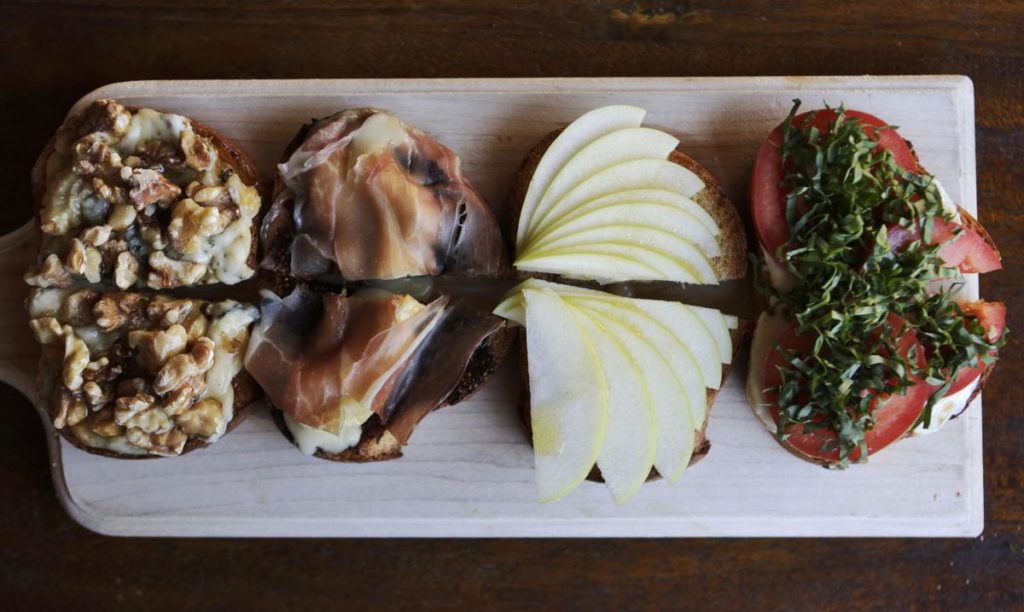
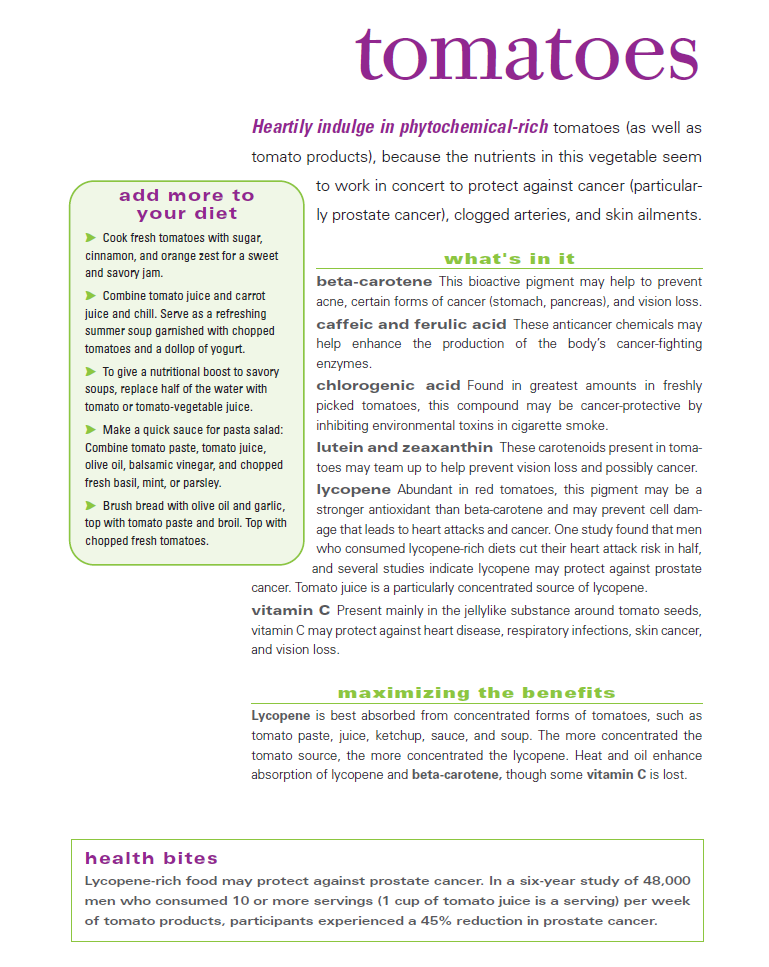
Tomatoes Health Information
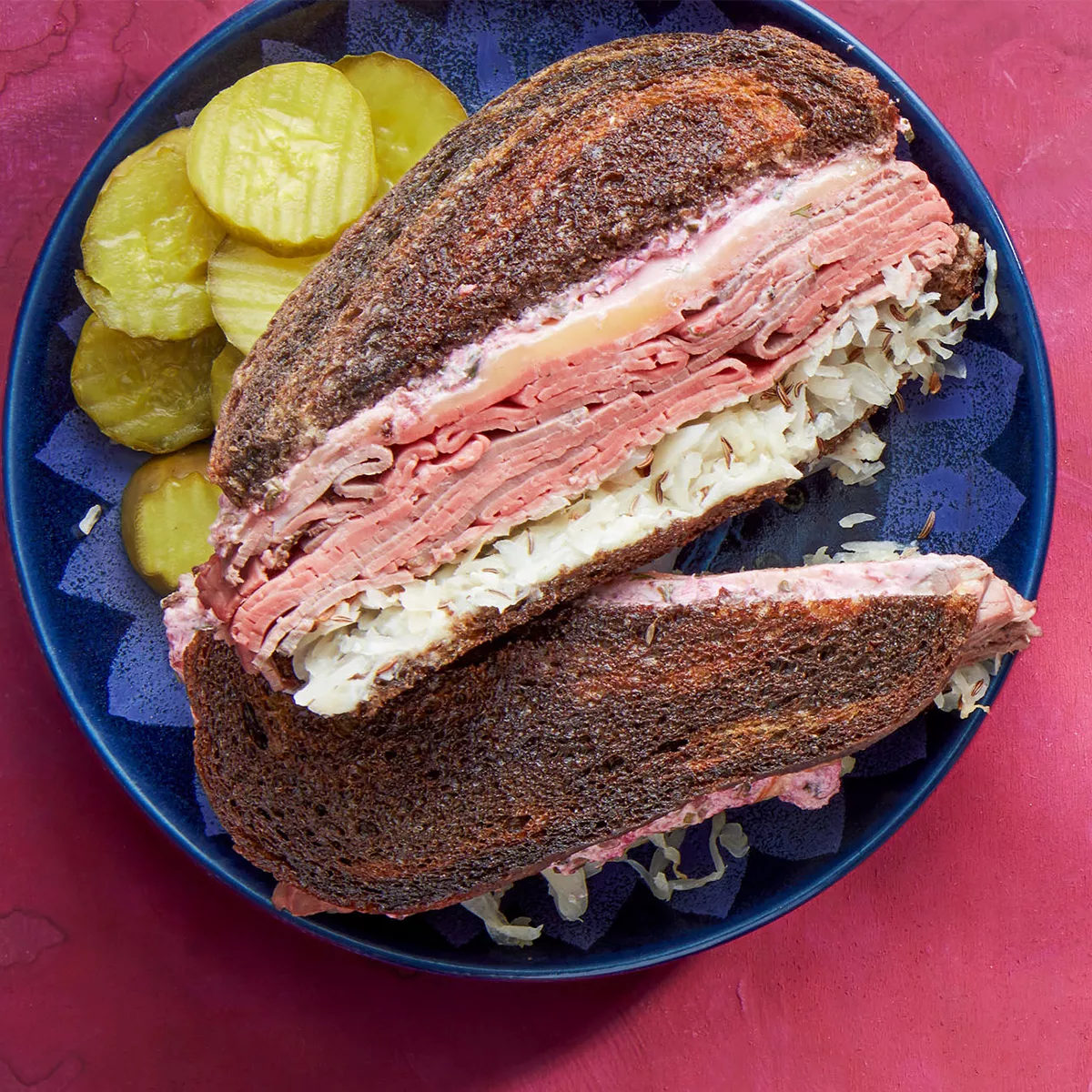
Roast Beef Rubens with Horseradish Russian Dressing & Sauerkraut
 3/4 cup sour cream
1/4 cup (a small handful) fresh dill, chopped
About 3 tbsp. fresh chives, finely chopped
3 tbsp. ketchup
3 tbsp. relish
2 rounded tbsp. beet horseradish
Salt and pepper
Softened butter
8 slices Jewish marble rye
8 slices smoked Gouda
1 jar (16oz.) or 1 sack (1lb.) traditional refrigerated sauerkraut
1 tsp. each caraway and cumin seeds
1 1/4 lbs. rare roast beef, deli cut
8 slices Jarlsberg cheese
Half-sour or garlic deli pickles
In a small bowl, mix the sour cream, dill, chives, ketchup, relish and beet horseradish. Season the dressing with salt and pepper.   Butter one side of each slice of the bread and heat a griddle pan over medium.   With the buttered side facing down, top 4 slices of the bread with some of the dressing and 2 slices each of the smoked Gouda.    In a small saucepan, heat the sauerkraut with the seeds over medium just to heat through, about 5 minutes. Top the Gouda with the roast beef and sauerkraut, then the Jarlsberg. Top with the remaining bread, buttered side up. Griddle until the cheeses melt and the bread is deep golden and crispy, about 5 minutes per side. Cut the sandwiches from corner to corner and serve with the pickles.
Spicy Devil’s Brew

3 chopped jalapeños
1 1/2 cups vodka
2 cups triple sec
1 1/2 cups cranberry juice cocktail
1/2 cup fresh lime juice
Rims of the glasses
3 tbsp. kosher salt
1 tsp. ground chili powder
Lime wedge
Fresh chiles
For the Spicy Devil’s Brew: In a large bowl, muddle 3 chopped jalapeños. Add 1 1/2 cups vodka and let sit for 15 minutes to infuse. Mix in 2 cups triple sec, 1 1/2 cups cranberry juice cocktail and 1/2 cup fresh lime juice. Refrigerate until chilled.  For the rims of the glasses: Toss 3 tbsp. kosher salt with 1 tsp. ground chili powder. Rub a lime wedge around the rims to moisten; dip in the chili salt and garnish each glass with fresh chile “horns.â€
How about a mocktail instead? On a small plate, mix 3 tbsp. kosher salt and 1 tsp. ground chili powder. In a jar with a tight-fitting lid, vigorously shake 1/3 cup sugar with 1/3 cup water and 2-3 jalapeños until sugar dissolves; strain the jalapeño syrup.  In a large pitcher filled with ice, mix the jalapeño syrup, 3 ½ cups pomegranate juice, 3 ½ cups ginger beer and 1/2 cup lime juice.  Rub a lime wedge around the rims of 8 glasses to moisten; dip in the chili salt.  Strain the drink into 8 glasses; garnish each with chili horns.
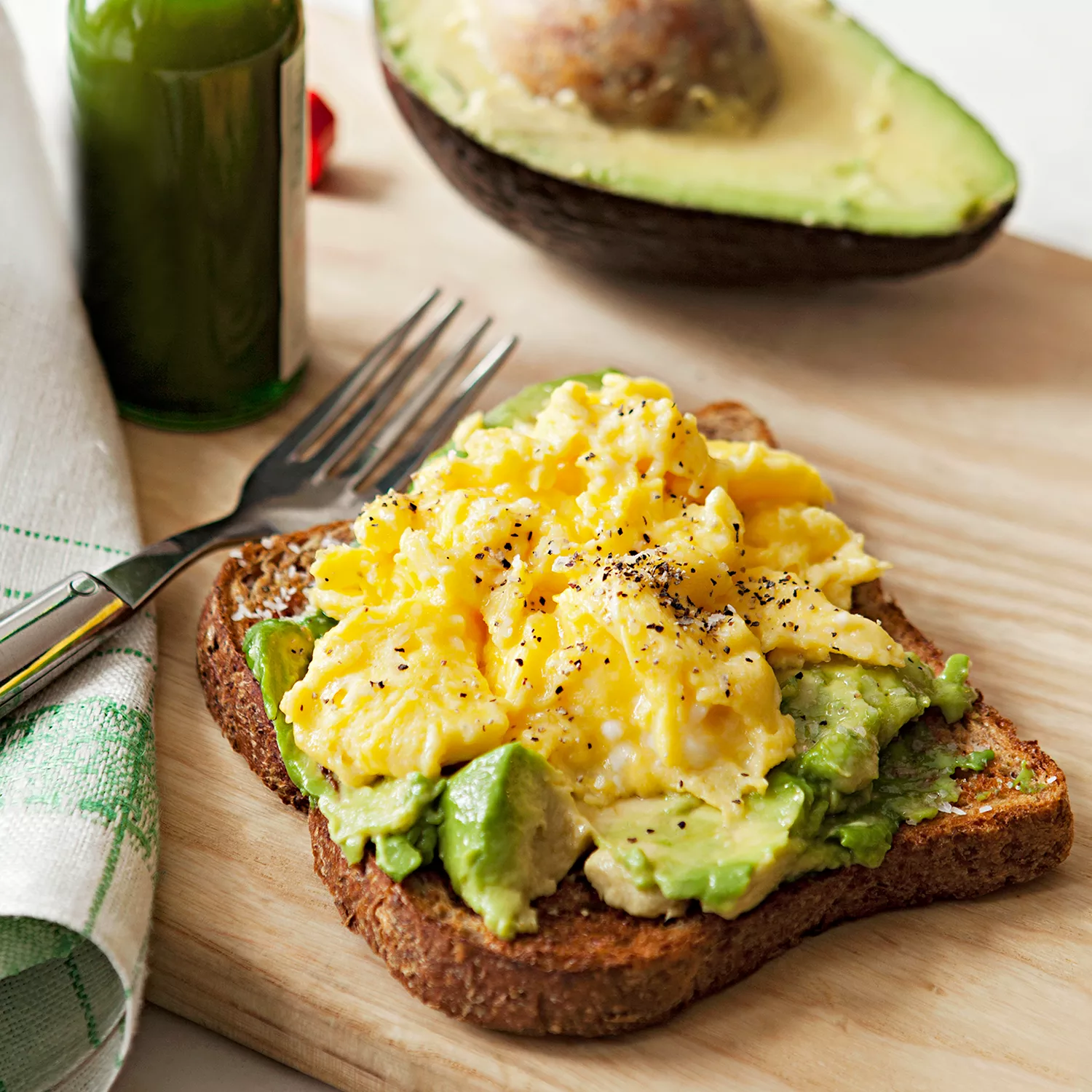
Scrambled Egg & Avocado Toast
 1 teaspoon butter
1 egg, beaten
1/4 avocado
1 slice sprouted wheat bread, toasted
jalapeno hot sauce, such as Tabasco
In small nonstick skillet, melt butter over medium heat. Add egg; season and scramble. In small bowl, mash avocado; season and spread on toast. Top with egg; sprinkle with pepper and hot sauce. Makes 1.
Cherry Stone Panna Cotta
This delicate, wobbling cream is perfumed with the mysterious cherry-almond essence contained in the kernel of the cherry pits— a reward for pitting the cherries.
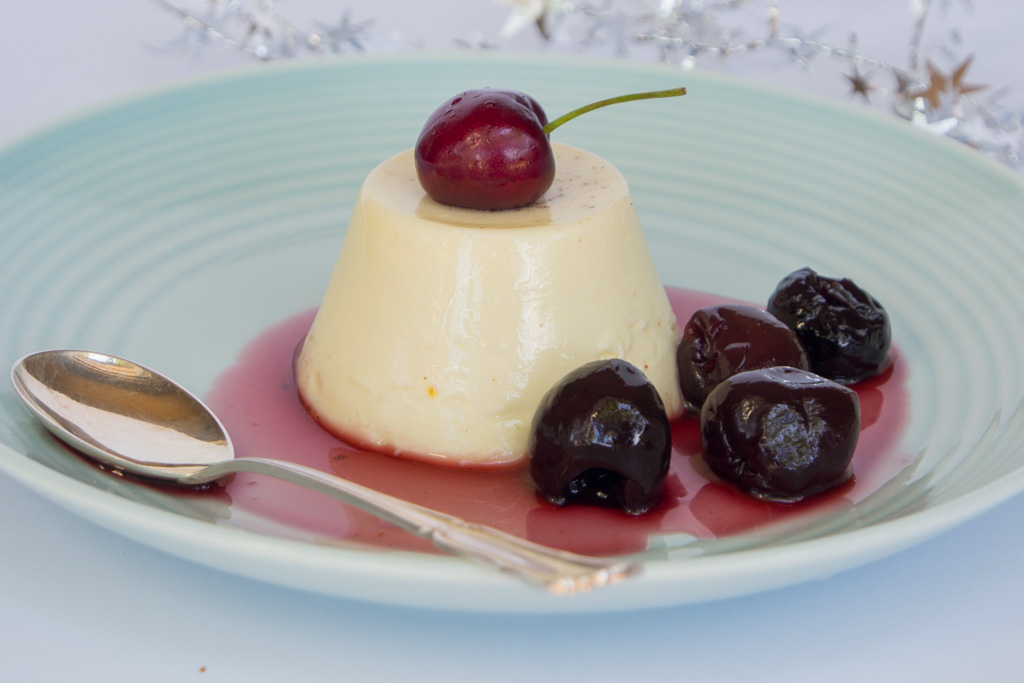
3 pounds cherries
2 1/4 cups heavy cream, or more if needed
1 1/2 cups whole milk
3/4 cup sugar
2 1/4 teaspoons unflavored powdered gelatin (1 envelope is 1 tablespoon)
1/4 teaspoon kosher salt, or to taste
Pit the cherries, reserving 1/2 cup pits, and set the cherries aside for serving. Rinse the pits to remove any remaining fruit, and rub them in a clean tea towel to dry them. Now smash the pits: put them in another tea towel on a hard surface and smash them with a hammer so that they split open. Picking out just the kernels is tedious—it’s fine to use the kernels and shells together. Combine the pits, cream, milk, and sugar in a medium stainless-steel saucepan and bring to a boil. Stir, reduce the heat, and simmer for 10 to 12 minutes. (Like apple seeds, cherry pits contain very small amounts of cyanide, which is toxic only in relatively large quantities. However, heating the cherry pits will release fumes that you should not breathe in, so do this in a well-ventilated area and do not stick your head directly over the pan while the pits are simmering.) Remove from the heat, cover tightly, and set aside to steep for 1 hour. Uncover the pan and return the liquid to a simmer. Meanwhile, put 2 tablespoons cold water in a medium bowl and sprinkle the gelatin over the water to allow it to soften. Let sit for 5 to 10 minutes. Strain the hot liquid through a fine-mesh strainer into a measuring cup. You need 4 cups liquid total; add a little more cream if necessary. Slowly pour the hot cream mixture over the gelatin, whisking gently to dissolve the gelatin. Whisk in the salt and taste. Set the bowl into an ice bath. Stir frequently so the panna cotta cools evenly. When it is slightly thickened, about 10 minutes, divide it among eight 4-ounce custard or tea cups. Cover the cups tightly with plastic wrap and refrigerate until set, 4 to 6 hours. Serve in the cups or unmold if desired by gradually tipping the cup upside down above a plate while lifting one side of the panna cotta off the cup and easing it onto the plate. Serve with some of the fresh cherries.
Pan-roasted Clams with Sake
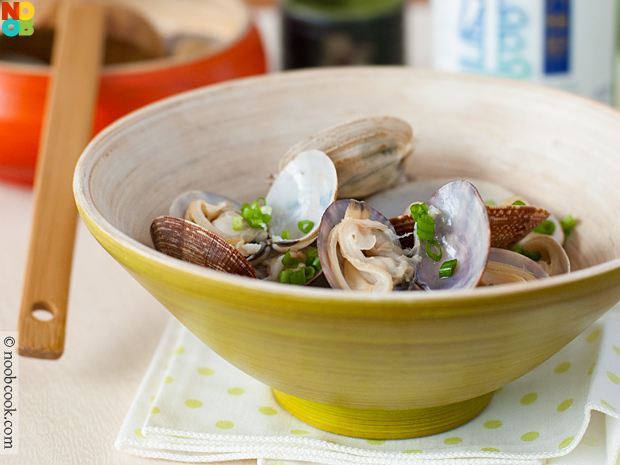 2 1/2 pounds small littleneck or Manila clams
1 tablespoon expeller-pressed vegetable oil
1/2 cup sake
4 tablespoons (1/2 stick) unsalted butter, at room temperature
1 cup thinly sliced scallions, white and light green parts
Kosher salt, if needed
Scrub the clams thoroughly with a brush under cold running water. Drain them in a colander and pat them dry with a paper towel. Heat a large sauté pan over high heat. When the pan is very hot, add the oil and immediately add the clams. Give them a shake, and cook for one minute. Add the sake, and cover with a tight-fitting lid. Cook for another minute, shaking the pan every 10 seconds. Check the clams: If most of them are open, cover again until all the clams are open, again shaking the pan a little. If only a few have opened, lower the heat and continue to cook, removing clams as they open.
When all the clams have opened, remove the pan from the heat and add the butter (and any clams you removed). Add the scallions and swirl until all the butter is melted. Taste, and season with salt if necessary.
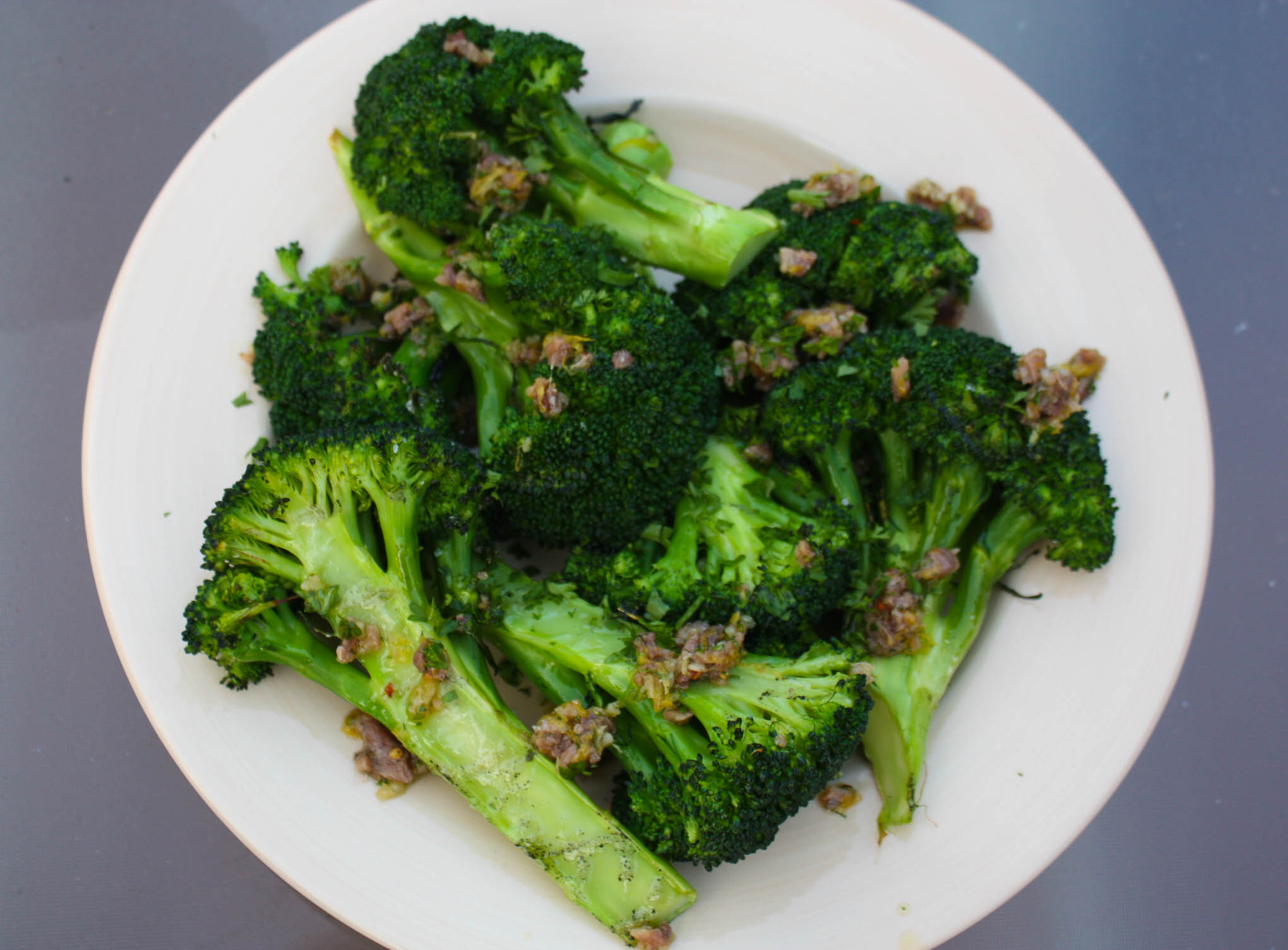 2 small bunches of tender broccoli
2 tablespoons olive oil, plus more for serving
6 anchovy fillets, minced
2 garlic cloves, mashed to a paste
Grated zest of l lemon
1/3 C. finely chopped Flat Leaf Parsley
2 tsp. Chile Flakes
Prepare a hot fire in a charcoal grill. Cut the broccoli lengthwise to make long florets with all of the tender stem attached. Blanch in well-salted boiling water for just 15 to 20 seconds, a little longer if the broccoli is very mature. Drain well, transfer to a medium bowl, and toss with 1 tablespoon of the oil. When the flame has died down and the coals are completely covered with ash, grill the broccoli to slightly char it all over. Mix the anchovies, garlic, lemon zest, parsley, remaining 1 tablespoon oil, and chile flakes in a bowl. Add the grilled broccoli, toss well, and serve with olive oil at the table for drizzling.
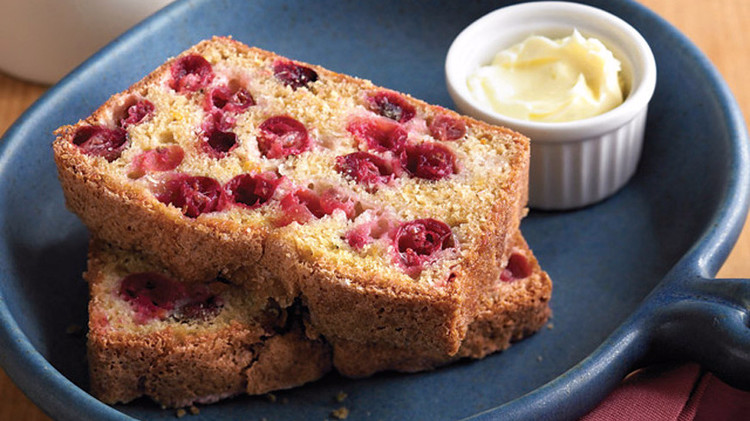 4 tablespoons unsalted butter, melted, plus more for pan
2 cups all-purpose flour (spooned and leveled), plus more for pan
1 cup packed light-brown sugar
1 1/2 teaspoons baking powder
1/2 teaspoon baking soda
1 teaspoon salt
1 large egg, lightly beaten
3/4 cup whole milk
1 bag (12 ounces) cranberries
1 tablespoon turbinado sugar, for topping (optional)
Preheat oven to 350 degrees; butter and flour a 9-by-5-inch loaf pan (8-cup capacity), and set aside. In a large bowl, whisk together flour, brown sugar, baking powder, baking soda, and salt; set aside. In a medium bowl, combine butter, egg, and milk. Add wet mixture to dry mixture, and whisk to combine; fold in cranberries.    Pour batter into prepared pan; sprinkle top with turbinado sugar, if desired. Bake until a toothpick inserted in center of loaf comes out clean, about 1 hour and 15 minutes. Transfer pan to a wire rack; let bread cool 30 minutes. Invert onto rack, then immediately turn right side up to cool completely.
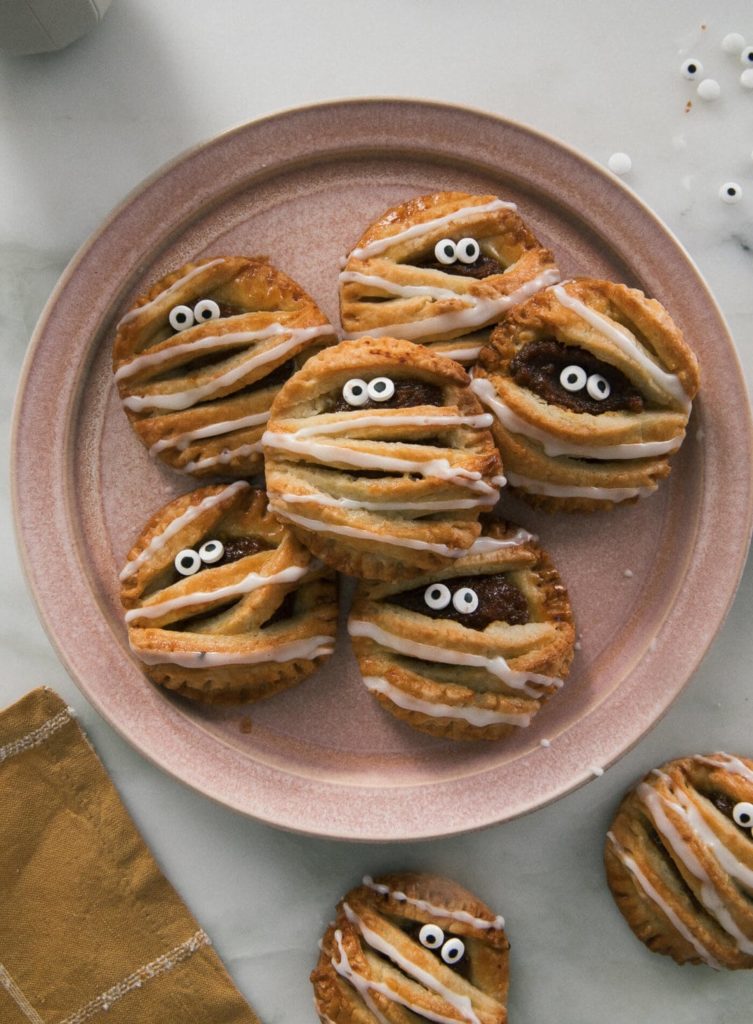
Spooky Mummy Pumpkin Pop Tarts
3 C. all-purpose flour
1 T. sugar
1 tsp. salt
4 T. unsalted butter, cold
1/2 C. milk, plus 1 to 2 T. more
1 large egg yolk
PUMPKIN FILLING:
1 C. pumpkin puree
2 T. sugar
1 large egg
1 tsp. ground cinnamon
1/4 tsp. ground ginger
1/8 tsp. ground cloves
Pinch of salt
Edible eyeballs
TOASTER STREUDEL-INSPIRED GLAZE:
1 C. powdered sugar, sifted
Pinch of salt
2 T. milk
1 tsp. vanilla extract
In a large stainless steel bowl, combine the all-purpose flour, sugar, and salt; stir to mix well. I am a firm follower of the grating butter method. Using a cheese grater, grate the butter into the dry ingredient mixture. Transfer to the freezer to chill for about 5 minutes. Mix the butter into the flour mixture, until thoroughly combined, breaking up the butter bits until they resemble the size of peas. In a measuring C., measure out the milk and then add the egg yolk. Whisk the two together. Pour the liquid into the dry ingredients and mix until it roughly comes together. Remove the dough from the bowl, place it on a lightly-floured counter, and knead it until it comes together; if it’s super dry, add a T. of milk or water until it comes together (I needed about 2 T. extra of milk). Form it into one disc and using a bench scraper or knife, divide into two equal pieces. Gently pat each into a 1-inch thick square, working quickly to seal any broken edges before wrapping them tightly in a double layer of plastic wrap. Refrigerate the dough for at least 2 hours, or, ideally, overnight. You can keep the dough in the fridge for a few days or in the freezer for up to 1 year. If frozen, remove the dough and place tin the refrigerator to thaw one full day before you intend to use it.
In a medium bowl, whisk together the pumpkin, sugar, egg yolk, spices and salt. Remove the first disc of dough from the fridge. Lightly flour your work surface and roll the dough out to a 1/2-inch thick round. Using a 3-inch or 4-inch round cookie cutter, stamp out rounds of pop tart dough and transfer them to a baking sheet or tray. You should end up with about 20 rounds. I stuck them in the freezer for about 10 minutes just to firm up a bit. We’re going to use the scraps for the top; if it’s too warm, transfer the scraps to the fridge to cool down before rolling out. Re-roll the scraps and cut a variety of 2-inch strips, 1-inch strips and 1/2-inch strips. This will all be the “mummy bandage†top. Brush each round entirely with beaten egg. Add a scant tsp. of pumpkin filling to the center of each round. Place a variety of strip on top, one skinny, one thicker, overlapping them, so it appears “bandage-like.†Trim the strips so they’re not super long, but they don’t have to be perfect. Using the tines of a fork (dipped in flour), press the edges together and do this around the edge of the entire round, making a decorative edge. Take the 3-inch or 4-inch cutter (whichever one you used) and cut the hand pie once more to clean and define the edges. Transfer to a baking sheet and place it in the fridge. Repeat with the remaining hand pies.
Transfer them to the freezer to chill for about 10 minutes. Meanwhile preheat the oven to 400 degrees F.
I baked these in batches, about 8 to a baking sheet. Brush the tops with egg wash and transfer to the oven to bake for about 15 to 20 minutes, until golden brown. Repeat with the remaining pop tarts. Add the edible eye balls to each pop tart. I used tweezers to make it easy on myself.
Meanwhile, whisk together powdered sugar, salt, milk and vanilla, until smooth. I added the glaze to a piping bag (no tip required), snipped off the end and drizzled it on. You can use a spoon too!
Add the glaze on top! To store, place in an airtight container. Store at room temperature.
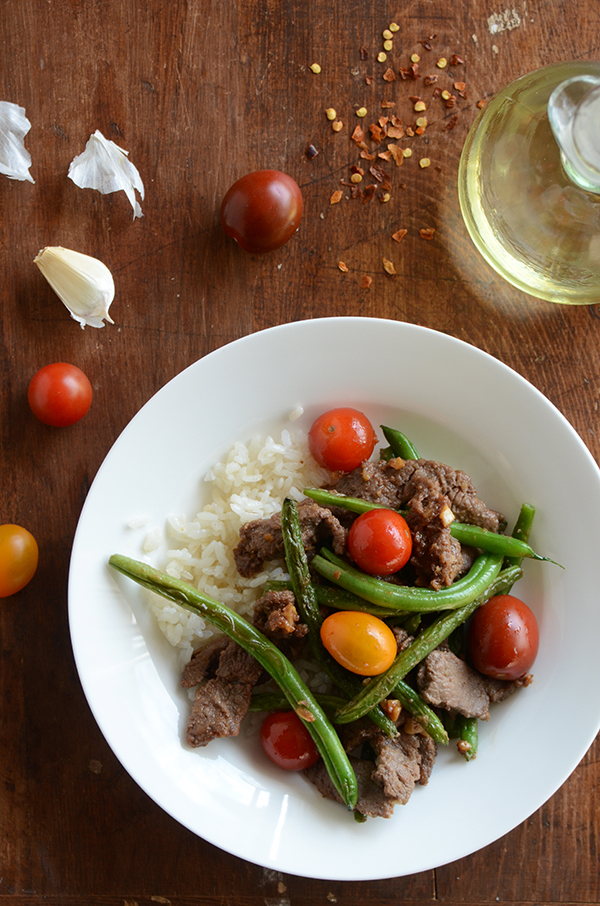 Soy-Glazed Flank Steak with Blistered Green Beans
1 pound fresh green beans
1 pound beef flank steak
6 cloves garlic, minced (1 tablespoon)
1 tablespoon finely chopped fresh ginger
2 tablespoons soy sauce
1 teaspoon packed brown sugar
2-3 tablespoons peanut oil
1 cup cherry or grape tomatoes (optional)
4 green onions or scallions, white parts only, thinly sliced
2 tablespoons sweet rice wine (mirin)
1 teaspoon red chile paste (sambal oelek)
Sesame seeds, toasted (optional)
Hot cooked jasmine rice (optional)
Trim and halve the green beans on the diagonal; set aside. Cut the flank steak across the grain into thin slices; set aside. In a small bowl, combine the garlic and ginger; set aside. In another small bowl, combine the soy sauce and brown sugar; set aside. In a very large skillet or work, heat 2 tablespoons oil over medium-high heat. Add the green beans; cook and stir for 7 to 8 minutes or until beans are blistered and brown in spots. Add the cherry tomatoes, if using. Cook and stir until wilted and slightly softened, 1 to 2 minutes. Transfer bean mixture to paper towels to drain. If necessary, add the remaining 1 tablespoon oil to the skillet. Add the garlic-ginger mixture to the skillet; cook and stir for 30 seconds. Add half the beef strips to the skillet; cook and stir about 3 minutes, or until the beef is browned. Use a slotted spoon to transfer the browned beef to a bowl; repeat with the remaining beef. Return all the beef to the skillet. Stir in the green onions, rice wine, chile paste, and the soy sauce-sugar mixture. Cook and stir for 1 minute; add the green beans. Cook and stir until the beans are heated through, about 2 minutes more. If desired, sprinkle with toasted sesame seeds and serve with hot cooked rice.
If desired, marinate the sliced steak in a mixture of the following for a couple hours in the fridge: 1 tablespoon minced garlic, 1 tablespoon minced ginger, 2 tablespoons soy sauce, 1 teaspoon packed brown sugar, 2 tablespoons sesame oil, 2 tablespoons rice wine vinegar, and 1 teaspoon red chile paste. Then proceed with the rest of the recipe.
Yield: 4 servings
Calories: 312
Fat: 16g
Fiber: 4g
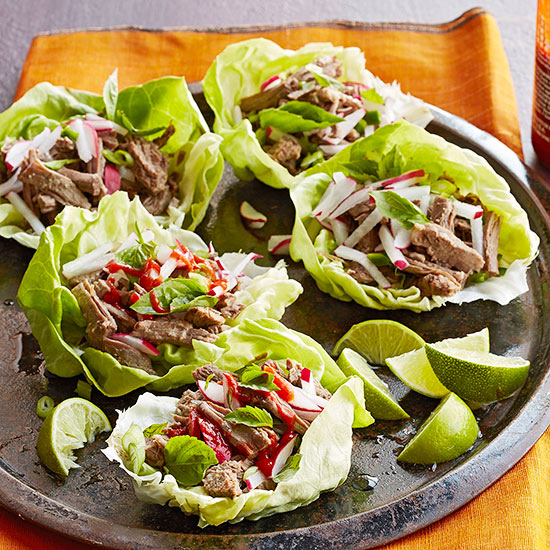
Pho-Flavor Flank Steak Lettuce Wraps
 2 pounds beef flank steak
2 cups coarsely chopped yellow onions (2 large)
2 cups water
1/4 cup fish sauce
2 tablespoons sugar
2 tablespoons rice vinegar
2 fresh jalapeno chile peppers, finely chopped*
4 teaspoons Chinese five-spice powder
12 large Boston lettuce, Swiss chard, or napa cabbage leaves
4 ounces radishes, cut into thin bite-size strips (1 cup)
3/4 cup fresh Thai basil leaves
3 green onions, thinly sliced diagonally
2 tablespoons lime juice
Asian chili sauce (Sriracha sauce) (optional)
Lime wedges (optional)
Trim fat from meat. Cut meat into 2-inch pieces. Place meat in a 3 1/2- or 4-quart slow cooker. Top with yellow onions. In a medium bowl combine the water, fish sauce, sugar, vinegar, half of the jalapeno peppers, and the five-spice powder. Pour vinegar mixture over mixture in cooker.
Cover and cook on low-heat setting for 5 to 6 hours or on high-heat setting for 2 1/2 to 3 hours.
Remove meat from cooker, reserving cooking liquid. Transfer half of the meat to an airtight container or freezer container; cover and chill or freeze for another use. Shred or chop the remaining meat; transfer to a medium bowl. Strain cooking liquid. Stir enough of the strained liquid (about 1/4 cup) into shredded meat to moisten. To serve, divide shredded meat among lettuce leaves. Top with radishes, basil leaves, green onions, and the remaining jalapeno peppers. Sprinkle with lime juice. If desired, serve with Asian chili sauce and lime wedges. From the Test Kitchen: Because chile peppers contain volatile oils that can burn your skin and eyes, avoid direct contact with them as much as possible. When working with chile peppers, wear plastic or rubber gloves. If your bare hands do touch the peppers, wash your hands and nails well with soap and warm water.
Yield: 6 servings
Calories: 229
Fat: 9g
Fiber: 2g
Easy Pea-sy Bacon Topped Crostini
4oz. portion of Baguette
1 C. Frozen Peas, thawed
3 T. Light Cream Cheese
Salt & Pepper
3 T. Real Bacon Bits
2 T. Parmesan Cheese
Preheat the oven to 400°F. At a slight angle, slice 18 half-inch bread slices from the baguette. Arrange slices on a baking sheet and spray tops with cooking spray. Bake for about 10 minutes, or until tops just begin to brown. Place the peas, cream cheese, pepper, and salt in a blender and puree until smooth. Spread each crostini with about 2 teaspoons of pea mixture, sprinkle with bacon bits, and lightly dust with grated Parmesan. Bake for about 8 minutes, or until the cheese starts to melt. Serve immediately.
Yield: 18 Servings (2 crostini)
Calories: 70
Fat: 2g
Fiber: 1g
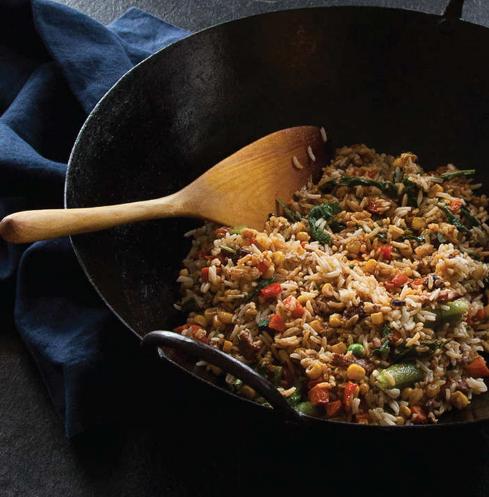
Bacon Fried Rice
 1 tablespoon soy sauce
1 tablespoon rice vinegar
2 teaspoons sriracha or gochujang chili bean paste
2 teaspoons toasted sesame oil
2 slices bacon, minced
½ cup thinly sliced white or yellow onion
3 cloves garlic, minced
½ teaspoon five-spice powder
1 medium carrot, diced
1 cup snap or snow peas
1 cup canned corn, drained
2 cups chopped spinach or mustard greens
2 large eggs, beaten
4 cups cold cooked rice
In a small bowl, combine the soy sauce, vinegar, sriracha, and oil; set aside. In a wok or large skillet set over medium-high heat, cook the bacon until it’s crisp and the fat has rendered out, 1 to 2 minutes. Using the fat as the cooking oil, stir in the onion, garlic, and five-spice powder; stir-fry until the onion is translucent, about 2 minutes. Stir in the carrot and cook until it is brightly colored and just beginning to soften, about 3 minutes. Add the peas, corn, and spinach and stir-fry for about 30 seconds, until the greens are wilted. Add the eggs, stirring quickly to scramble them with the vegetables, then add the rice, breaking up any clumps with a spatula. Stir until the rice is heated through, 1 minute or less. Stir in the sauce and remove from the heat. Serve hot. Leftovers will keep in the fridge for 5 days or in the freezer for up to 3 months.
 Baked Cheese Bites
2 cups sifted all-purpose flour
1 pinch salt
6 ounces shredded Cheddar cheese
1/2 cup butter, melted
Preheat the oven to 325 degrees F (165 degrees C). Lightly grease a large cookie sheet. In a medium bowl, mix together the flour and salt. Stir in the cheddar cheese and melted butter to form a firm dough. Roll pieces of dough into ropes as big around as a penny. Slice into 1/4 inch pieces. You may need to chill the dough until firm for better rolling. Place the slices onto the prepared cookie sheet, 1 inch apart. Bake for 20 to 25 minutes until the bottoms of the coins are lightly toasted and the tops are firm. Allow to cool completely before serving. Store in an airtight container at room temperature.
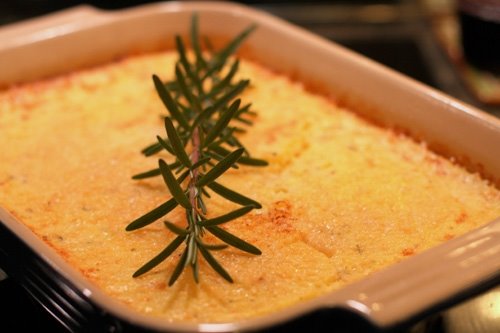
Baked Cheese Grits with Rosemary
 4 C. water
1 C. quick cooking grits
1 tsp. salt
1 1/2 C. (packed) shredded cheese-I used Colby/Jack, but you can use anything that melts easily
2 T. fresh rosemary, minced
1/2 C. milk
2 large eggs
freshly ground black pepper
2 T. butter
1/3 C. Parmesan cheese, grated
Preheat oven to 350 degrees. In a pot, bring water to a boil. Slowly add grits while whisking constantly. Decrease heat to medium (simmer) and continue to whisk until slightly thickened, about 6-8 minutes. Remove from heat. Add cheese and rosemary, and stir to incorporate. Combine milk and eggs in a small bowl and whisk together until just incorporated. Slowly pour eggs and milk mixture into grits, stirring constantly. Add a couple grinds of freshly ground pepper and more salt if needed. Pour into a 8×10 (or similar in size) casserole/baking dish that has been buttered on bottom and sides. Bake in a 350 degree oven for 1 hour, or until set and firm to the touch. Sprinkle Parmesan on top, dot top with butter, and return to oven with broiler on. Broil top for a couple minutes until golden brown. Keep a close eye on it! Allow grits to sit for 10-15 minutes before cutting/serving to allow the grits to set.
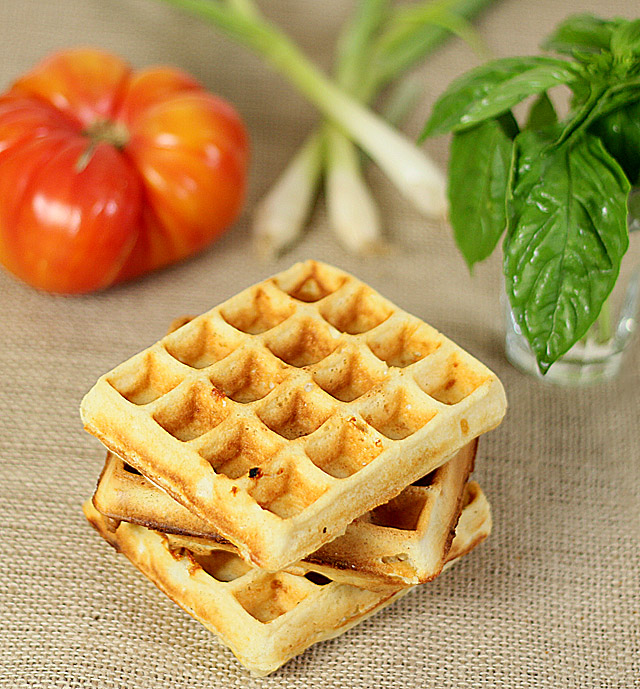
Sandwich Bread Waffles
 2 eggs (separated)
2 C. flour
4 tsp. baking powder
1/2 tsp. salt
1 1/2 C. buttermilk (or add 1 tsp of lemon juice to regular milk and let it sit for 5 min)
2 T. melted butter
1/4 C. of green onion, chopped
3/4 C. of grated cheese (I used Tillamook White Cheddar – so good!)
Beat the egg whites until just firm; set aside. Add all the dry ingredients to a clean mixing bowl; whisk to combine. Beat the egg yolks and add them to the milk. Stir the liquid ingredients into the dry ones. Add melted butter and beat on low until just combined. Add the shredded cheese and the green onion and mix in. Fold the egg whites into the mix and stir gently until just combined. Preheat your waffle iron. Add batter and cook according to manufacturers’ directions.
Use these waffles to make a sandwich, instead of regular sandwich bread. Excellent as bread for a BLT or a Turkey, Bacon, Swiss sandwich.
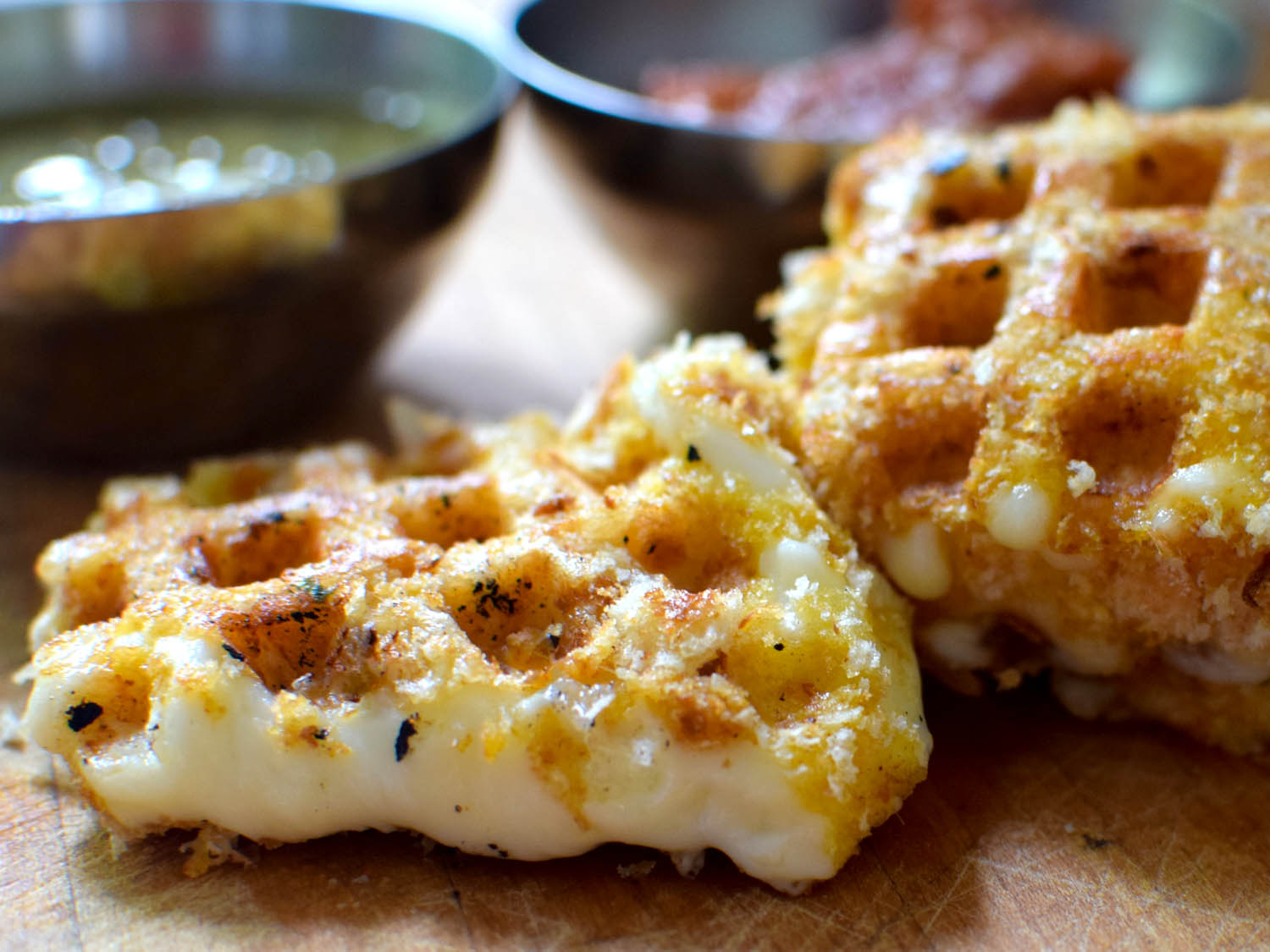
Waffle Iron Fried Cheese
 3 T. all-purpose flour
1/2 tsp. paprika, or a pinch of cayenne pepper
1/2 lb. low-moisture mozzarella, sliced about 1/2 inch thick (see note above)
2 large eggs, beaten
1/2 C. bread crumbs
Nonstick cooking spray
Salsa, for serving (optional)
Preheat waffle iron. (Set it to medium if it has temperature controls.). On a plate, mix flour with paprika or cayenne. Place eggs in a second plate or bowl and bread crumbs in a third. Working one slice at a time, coat cheese in flour, then egg, then breadcrumbs. Spray both sides of waffle iron with nonstick spray, place as many cheese slices as will fit in waffle iron, and close lid. Cook until bread crumbs turn golden brown, about 1 minute. Repeat with any remaining cheese. Serve hot on its own or with salsa for dipping. Note: Any good melting cheese such as young provolone, fontina, Jack, cheddar, or a queso chihuahua can be used in place of the mozzarella. Avoid fresh mozzarella or dry cheese meant for grating. Some recipes call for the breaded cheese to be refrigerated (or frozen) before cooking. I did not find this to be necessary with the waffle iron version, but you can certainly bread the cheese several hours ahead and refrigerate it until you’re ready to waffle.
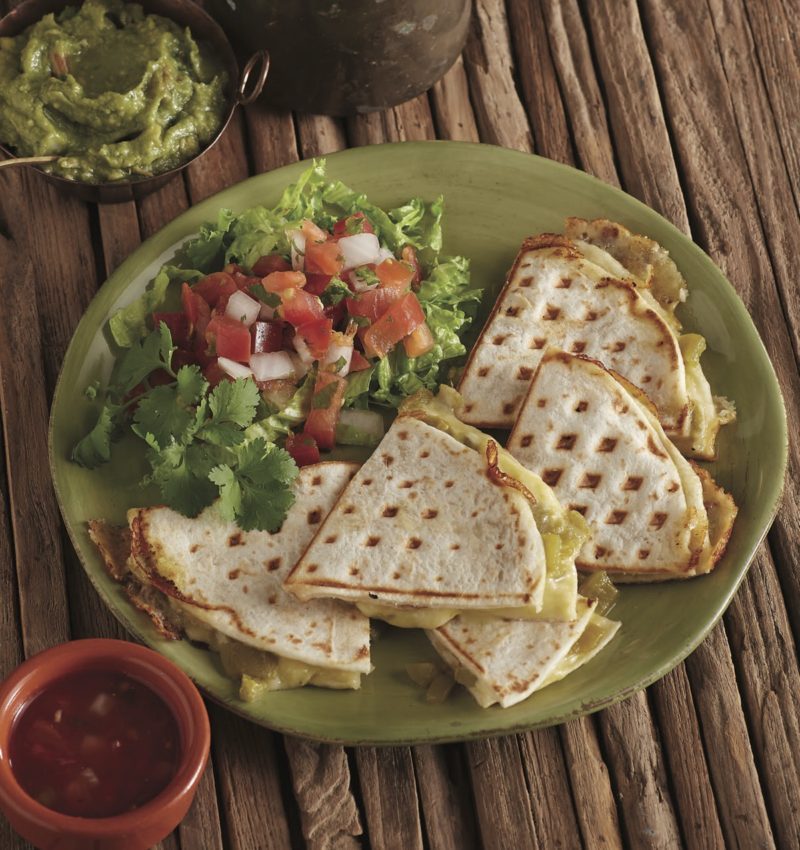
Green Chile Waffled Quesadillas
 4 flour tortillas
1 C. shredded Mexican- style cheese, such as queso Chihuahua or Monterey Jack
1â„4 C. chopped canned green chiles
Preheat the waffle iron on medium. Coat both sides of the waffle iron grid with nonstick spray. Place a tortilla on the waffle iron and, taking care because the waffle iron is hot, spread half of the cheese and half of the green chiles evenly across the tortilla, leaving a margin of an inch or so around the edge of the tortilla. Top with another tortilla and close the waffle iron. Check the quesadilla after 3 minutes. When the cheese is melted and the tortilla has golden brown waffle marks, it is ready. Remove the quesadilla from the waffle iron. Repeat Steps 2 and 3 with the remaining ingredients, cut into wedges, and serve. Notes: For a more substantial meal, add one of the following to the tortilla in Step 2: • 1â„2 C. shredded chicken or pork • 1â„2 C. sliced steak • 1â„2 C. refried beans Garnish with one or more of the following: • Chopped scallion • Crumbled bacon • Sour cream • Salsa • Guacamole
Lemon Cake
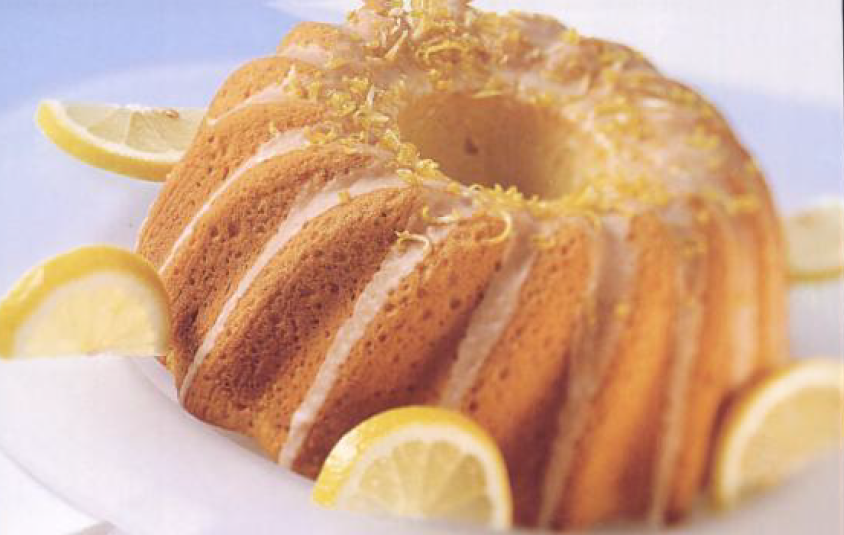 2 ½ Lemons
4 medium Eggs
1 ¼ C. Sugar
¾ C. Oil (neutral taste, not cold pressed)
¾ C. Orange Juice
2 ¼ C. Flour
1 T. Baking Powder
1 C. Powdered Sugar
Preheat oven to 400. Remove zest from one lemon and squeeze juice from all lemons. Beat eggs and sugar until light and creamy. Add oil, orange juice and ¾ of the lemon juice. Briskly stir in half the lemon zest, flour and baking powder. Pour batter in prepared bundt pan; bake 50-55 minutes. Soft powdered sugar and mix with remaining lemon juice to make a glaze. Spread onto cooled cake and sprinkle with remaining zest.
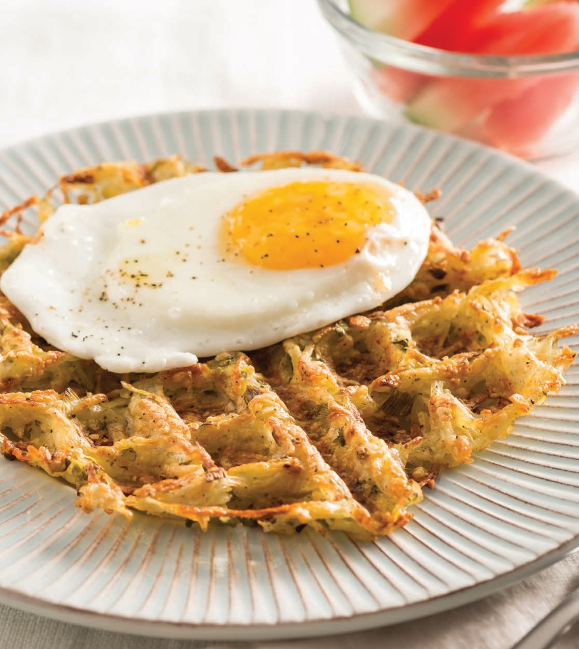
Waffled Hash Browns with Rosemary
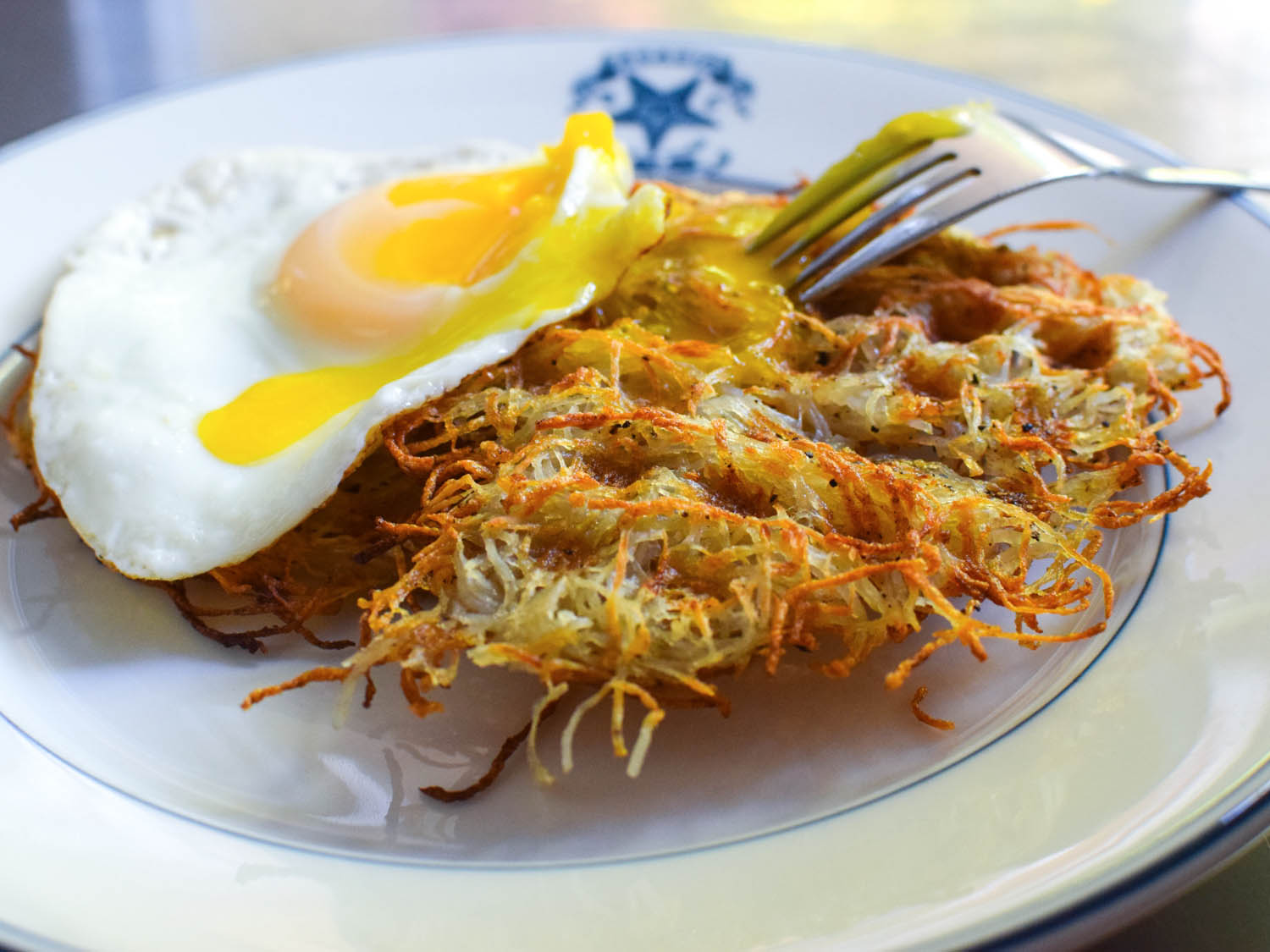 1 (10 oz.) russet (baking) potato, peeled and shredded
1/2 tsp. fresh rosemary, finely chopped, or 1 tsp. dried rosemary
1/4 tsp. salt
1/2 tsp. freshly ground black pepper
1 tsp. unsalted butter, melted
grated cheese, sour cream or ketchup, for serving
Preheat a waffle iron on medium. Squeeze the shredded potato with a towel until it’s as dry as you can manage. (Excess liquid is the enemy of crispiness; your potatoes will steam if they aren’t dried well.)
In a mixing bowl, combine the shredded potato, rosemary, salt and pepper. With a silicone brush, spread the butter on both sides of the waffle iron. Pile the shredded potatoes into the waffle iron–overstuff the waffle iron a bit–and close the lid. (The pressure of the lid will compress the potatoes and help them emerge as a cohesive, waffled unit.) After 2 minutes, press down a bit on the lid to further compress the potatoes. (Careful: The lid may be hot.) Check the potatoes after 10 minutes. They should be just starting to turn golden brown in places. When the potatoes are golden brown throughout, 1 to 2 minutes more, carefully remove them from the waffle iron. Serve with grated cheese, sour cream or ketchup.
Very Basic Cake Recipe
1 11†spring form pan, 1 13†loaf pan, or 1 10â€x15†jellyroll pan
4 medium Eggs
1 ¼ C. Sugar
¾ C. Oil (neutral taste, not cold pressed)
¾ C. Liquid (juice, dairy, coffee, or wine)
2 ¼ C. Flour
1 T. Baking Powder
Grease pan well and sprinkle with flour. For springform pans, only grease the bottom. Never fill pans more than 2/3 full. Preheat oven to 400. Beat Eggs and sugar in mixing bowl for 2-3 minutes until light and creamy. Add oil and liquid to sugar and egg mixture, while stirring constantly. Sift flour, combine with baking powder; add to bowl and mix well. Pour batter into prepared pan and bake just below center of oven for 25 minutes in a shallow pan or 45 minutes in a deep pan. Check with a toothpick or chopstick; if batter sticks, bake the cake a few more minutes.
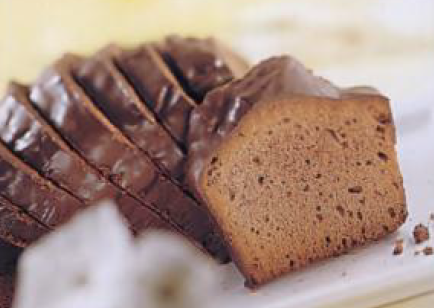
Chocolate: Use Orange juice for your liquid. Add 3 T. cocoa to flour. Melt 1 ¼ C. semisweet chips and spread on cooled cake.
WBLT (Waffled Bacon, Lettuce and Tomato)
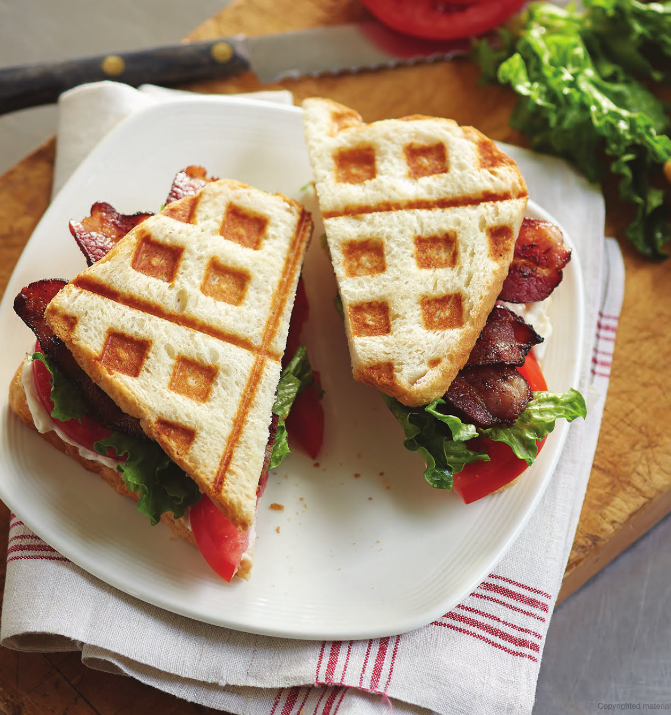
3 strips bacon
1 T. Butter, room temperature
2 slices sturdy Sandwich Bread
1 small ripe tomato, cut into ½ inch slices
2 leaves lettuce, washed and dried completely
Preheat the waffle iron on medium. Place the bacon strips in the waffle iron and close the lid. To ensure the bacon cooks thoroughly and evenly, make sure no part of the bacon is hanging out of the waffle iron. After 4 minutes, check the bacon—thin-cut slices could be ready, though thicker cuts may need I or 2 minutes more. When the bacon is crispy without being blackened, remove it from the waffle iron and set aside. Turn the waffle iron down to low. Spread a thin, even layer of butter on one side of each piece of bread. Spread the mayonnaise on the other side of one slice of bread and place it—mayo side up—on the waffle iron, as far away from the hinge as possible. (This allows the lid to press down on the sandwich more evenly.) Distribute the bacon, tomato, and lettuce evenly across the sandwich. Top with the second slice of bread, butter side up. Close the lid of the waffle iron and cook until the bread is golden brown, 2 minutes. About halfway through, you may need to rotate the sandwich 180 degrees to ensure even pressure and cooking. Remove the sandwich, slice it in half diagonally, and serve. Variations: Add a slice of Avocado; Sub Arugula for Lettuce, Sub smoked salmon for bacon, Add sliced hard boiled egg, sub roasted red pepper for the tomato, sub pesto for mayo.
Dehydrator: Rhubarb Candy
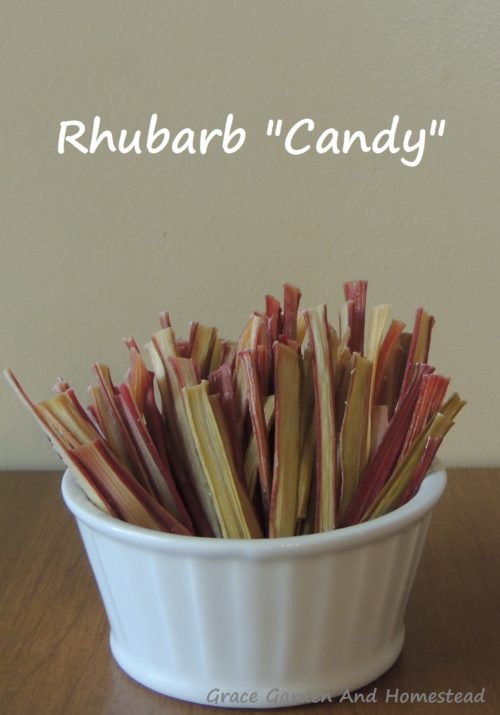 Harvest rhubarb stalks and clean well. In large pot mix equal parts sugar and water. You’ll need just enough to coat rhubarb. Bring up to almost a boil, stirring to dissolve the sugar, then remove from heat and allow to cool. Meanwhile, prepare your rhubarb. Cut each stalk into pieces 4-5 inches long. Slice each piece lengthwise into thin strips, about 4-5 strips per piece. Once done, submerge rhubarb in simple syrup (it doesn’t need to be completely cool). Coat each piece and then transfer to lined dehydrator trays, evenly spaced and not touching. Dry on the vegetable setting (125 degrees) and dry until the pieces have shrunk by about half and are just slightly flexible. If you want to be fancy, remove them carefully while still warm and twist them around a dowel or your fingers to make it curly. Store in airtight container.
Ramen and Vienna Sausage
 1 package of top ramen
1 can of vienna sausage
Boil a pot of water. Meanwhile, slice Vienna sausages into coins. Add vienna sausages to boiling water. Add Top Ramen noodles and let boil for 3 minutes. Add Top Ramen flavored powder and stir. For better flavor and texture, you could slice the sausages, crisp them in a little fat, then add them to your cooked ramen noodles. But this would take 2 heat sources.
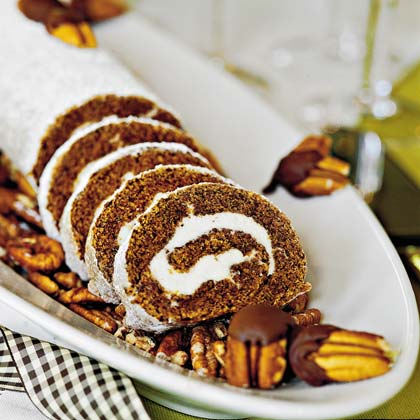
Pumpkin Roll
Vegetable cooking spray
3 large eggs
1 cup granulated sugar
3/4 cup all-purpose flour
2 teaspoons cinnamon
1 teaspoon baking soda
1 teaspoon baking powder
1 teaspoon ground ginger
1/2 teaspoon salt
1/2 teaspoon ground nutmeg
2/3 cup canned unsweetened pumpkin
1/2 cup finely chopped pecans, toasted
1 teaspoon lemon juice
1 1/2 cups powdered sugar, divided
2 (3-ounce) packages cream cheese, softened
1/4 cup butter or margarine, softened
1 teaspoon vanilla extract
1 teaspoon lemon juice
Garnishes: powdered sugar, chocolate-coated pecan halves
Coat bottom and sides of a 15- x 10-inch jelly-roll pan with cooking spray, and line with wax paper. Coat wax paper with cooking spray; set aside. Beat eggs at medium speed with an electric mixer 5 minutes or until thick and lemon-colored; gradually add granulated sugar, beating until well combined. Combine flour and next 6 ingredients. Gradually add to egg mixture, beating well. Combine pumpkin, pecans, and 1 teaspoon lemon juice, and gradually add to mixture, beating well. Spread batter evenly into prepared pan. Bake at 375° for 15 minutes or until a wooden pick inserted in center comes out clean. Sift 1/2 cup powdered sugar in a 15- x 10-inch rectangle on a clean, dry dish towel. Run a knife around edges of pan to loosen cake, and turn cake out onto prepared towel. Peel wax paper off cake. Starting at narrow end, roll up cake and towel together; place, seam side down, on a wire rack to cool completely.
Banana Cake
 1 large banana (3/4 C. mashed total)
2 tsp. Lemon Juice
4 medium Eggs
1 ¼ C. Sugar
¾ C. Oil (neutral taste, not cold pressed)
¾ C. ground Hazelnuts
½ tsp. ground Ginger
2 ¼ C. Flour
1 T. Baking Powder
Preheat oven to 400. Prepare Tube Pan. Pell Banana, mash and combine with lemon juice. Beat eggs and sugar until light and creamy. Add oil. Stir in banana puree, nuts and ginger. Stir in flour mixed with baking powder. Por into prepared pan and bake in lower third of oven for 45-50 minutes.
Caramel Apple Cookies
 1 C. butter, softened
1/2 C. firmly packed brown sugar
1/2 C. sugar
2 eggs
1-1/2 tsp. vanilla
3 C. flour
1 T. apple-pie spice
1/2 tsp. each baking soda and salt
Red and Green food coloring pastes
Green wooden craft sticks
1 pkg. (14 oz.) caramels
3 T. water
1/3 C. chopped nuts
In large mixer bowl, cream butter and sugars until fluffy. Beat in eggs and vanilla. Stir in flour, spice, baking soda and salt. Tint 1/3C. dough green. Tint remaining dough red. On floured surface roll red dough to 1/2-inch thickness. Using cookie cutter, cut apple shapes and place on ungreased baking sheets 3 inches apart. Press craft stick lightly into dough. Cut or shape green leaves and place on cookie. Bake at 375º for 8-10 minutes. Cool on racks. Meanwhile, melt caramels with water. Dip cookies in caramel and then in nuts. Let set at least 1 hour. Makes about 2 dozen.
Quick and Easy Waffled Hash Browns
 1 medium (12 ounce) russet potato
2 green onions, minced
1/2 teaspoon reduced-sodium seasoned salt
1/4 teaspoon black pepper
Preheat a waffle iron (to medium heat, if you have the option). Peel (if desired), and shred the potato. Place the shredded potato in a colander and press on it with a paper towel to remove moisture. You should have about 2 cups of dried potato. Toss in a medium mixing bowl with onions and seasoning. Spread a cup of the potatoes evenly across the waffle iron. Close lid and cook 2 minutes. Gently press down on the lid to compress the potatoes and cook 6 more minutes, until potatoes are crisp and brown. Repeat with remaining potatoes.
Yield: 2 servings
Calories: 125
Fat: 0g
Fiber: 2g
Shrimp, Cabbage, and Carrot Potstickers

2 tablespoons dark sesame oil
1 tablespoon minced fresh garlic
1/2 cup finely grated carrot
2 cups thinly sliced napa (Chinese) cabbage
4 teaspoons chili garlic sauce, divided
5 tablespoons lower-sodium soy sauce, divided
1 1/4 pounds large shrimp, peeled, deveined, and finely chopped
40 gyoza skins or wonton wrappers
Cornstarch
1 1/3 cups plus 1 Tbsp. water, divided
3 tablespoons honey
1 tablespoon rice vinegar
Cooking spray
order ingredients
Heat a large skillet over medium heat. Add oil; swirl to coat. Add garlic; cook 1 1/2 minutes, stirring constantly. Stir in carrot; cook 1 minute. Stir in cabbage; cook 3 minutes or until wilted. Stir in 1 tablespoon chili garlic sauce; cook 30 seconds. Remove pan from heat; stir in 2 tablespoons soy sauce. Cool; stir in shrimp. Arrange 8 gyoza skins on a clean work surface. Spoon about 2 rounded teaspoons shrimp mixture in center of each skin. Moisten edges of skins with water. Fold in half; press edges together to seal. Place on a baking sheet sprinkled with cornstarch; cover to prevent drying. Repeat with remaining gyoza skins and shrimp mixture. Set aside, or follow freezing instructions. Bring remaining chili garlic sauce, remaining soy sauce, 1 tablespoon water, honey, and vinegar to a boil in a small saucepan. Cook 3 minutes or until thickened, stirring frequently. Heat a large skillet over medium heat. Coat both sides of potstickers with cooking spray. Arrange 10 potstickers in skillet; cook 2 minutes or until browned. Turn potstickers over. Carefully add 1/3 cup water to skillet; cover and steam 5 minutes. Uncover and cook 1 minute or until liquid evaporates. Remove potstickers from pan; keep warm. Repeat with remaining potstickers and water. Serve with soy sauce mixture. How To: Freeze: Sprinkle uncooked potstickers with cornstarch; freeze on a baking sheet until firm. Place in a zip-top plastic freezer bag; freeze up to 2 months. Reheat: Follow step 4 using frozen potstickers, steaming for 7 minutes.
Yield: 8 servings
Serving Size: 5 Potstickers, 1 T. sauce
Calories: Â 195
Fat: 4.3g
Fiber: 1g
Any Day Egg Muffins
3-4 tsp. Dry Breadcrumbs
3/4 C. Reduced fat Cheddar Cheese, shredded
1/2 C. Chopped Green Onions
1/4 C. Diced Red Pepper
1/2 C. Diced Canadian Bacon
1/4 C. Lowfat Milk
3 T. Olive Oil Mayo
6 Eggs
1 C. Egg Beaters
1/4 tsp. Black Pepper
Preheat oven to 350. Lightly spray 12 muffin cups with nonstick cooking spray. Sprinkle a generous quarter teaspoon of breadcrumbs in each cup and gently tsp to evenly distribute the . Add 1 Tablespoon cheese to each cup. Microwave onions and peppers in a Saran Wrap covered bowl for 2 minutes. Uncover and stir in Canadian bacon. Distribute evenly among muffin cups, about a tablespoon per divot. Mix mayo and milk in large measuring cup or medium bowl. Whisk in eggs, substitute and seasoning. Pour evenly over vegetables, filling each cup about 3/4 full. Bake 22-24 minutes until center of each is firm to the touch.
Yield: 12 servings
Calories: 95
Fat: 6g
Fiber: 0g
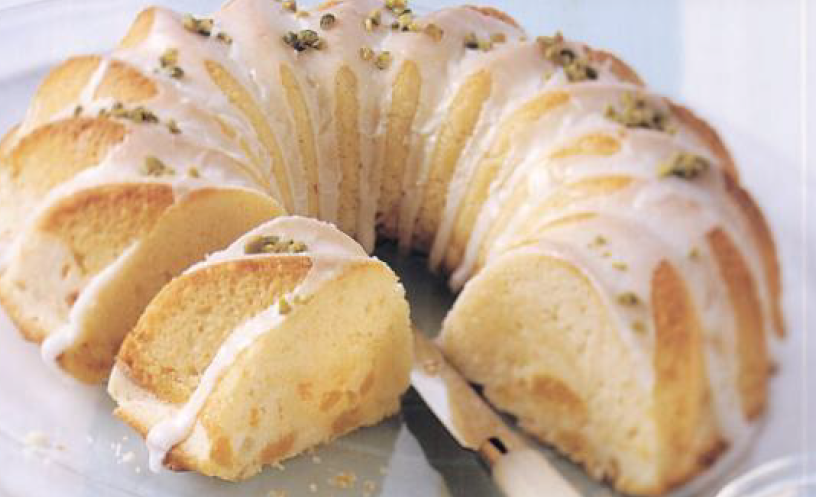
Tangerine Cake
 4 medium Eggs
1 ¼ C. Sugar
¾ C. Oil (neutral taste, not cold pressed)
¾ C. Orange Juice
2 ¼ C. Flour
1 T. Baking Powder
3 Tangerines, peeled
1 ¾ C. Powdered Sugar
Juice from 1 Lemon
3 T. chopped Pistachios
Preheat oven to 400. Prepare Tube Pan. Beat eggs and sugar until light and creamy. Add oil and juice. Briskly stir in flour mixed with baking powder. Pour batter into prepared pan and bake in the lower third of the oven for 10 minutes. Arrange tangerine sections on top, return to oven and bake another 35-40 minutes. Sift powdered sugar and stir in lemon juice, drop by drop, to make a smooth syrupy glaze. Pour over cooled cake and sprinkle with chopped pistachios. Let glaze set before serving.
Pantry Friendly Beef & Barley Dinner
1 lb. Ground Meat
1 T. dried minced Onion
16oz. can French cut Green Beans, with liquid
8oz. can Tomato Sauce
1 C. Water
½ C. Pearl Barley
In large skillet, cook ground meat, breaking up large pieces, until cooked through and browned. Drain excess fat. Add all remaining ingredients. Cover and simmer until barley has softened and swelled – 10-15 minutes. Feel free to add herbs, spices, and / or hot sauce to taste.

Red Onion Jam
3 C. Peeled, thinly sliced red onions
1 1/2 C. Apple juice
3/4 C. Red wine vinegar
1 tsp. Dried sage
1/2 tsp. Pepper
5 C. Sugar
1/2 C. Packed light brown sugar
1/2 tsp. Margarine
1 Pouch liquid pectin
Mix all ingredients except pectin. Place over high heat; bring to a full rolling boil and stir constantly. Skim off foam with metal spoon, remove from heat. Ladle into sterilized jars, then water bath process for 5 min.
Basic Breadsticks
1 package active dry yeast
1/3 cup warm (110 degrees) water
2 1/4 cups bread flour, divided
1 tablespoon sugar
1/2 teaspoon salt
2 tablespoons oil
1/3 cup cold water
1 egg white
Sesame or poppy seeds
Dissolve yeast in warm water. In processor bowl with blade in place, combine 2 cups flour, sugar and salt. Process 10 seconds. Remove lid; add yeast and oil. With processor running, pour cold water through feed tube. Add additional flour if necessary so dough forms a ball. Process 30 seconds. Divide dough into 16 equal portions; roll each into pencil-like rope, 8 inches long. Place 1 inch apart on greased baking sheet. Brush with oil. Cover; let proof (to let yeast dough rise) 20 minutes. Brush with egg white; sprinkle with seeds. Bake at 350 degrees Fahrenheit for 20 to 25 minutes.
Yield: 16
Calories: 76
Fat: 1.8g
Fiber: .6g
Creole Seasoning
3 tsp. paprika
2 tsp. onion powder
3 tsp. garlic powder
2 tsp. Salt – Sea salt or Kosher salt optional substitutes
1 tsp. ground oregano
1 tsp. thyme
1 tsp. sweet basil
1 1/2 tsp. cayenne powder
1 tsp. black pepper
1/2 tsp. lemon pepper
Mix all the spices up in a bowl and then spoon into a spice jar that you’ve saved. Use this blend on just about everything – from Creole dishes to popcorn. Can be added to the flour dredge for spicy chicken or pork chops. Use this on tater tots – hot tots!
LTS Honey Mints
1 C. warm honey
green food coloring
4 drops oil of peppermint
2 3/4 C. powdered milk (non-instant)
Mix ingredients and knead until all milk is absorbed. Roll into 1 -inch balls. Allow to set until firm.
Bacon, Scallion & Caramelized Onion Dip
3 slices Bacon, cut into ¼†pieces
¾ C. Sour Cream
½ C. Caramelized Onions
2 Scallions, minced
½ tsp. Cider Vinegar
Salt & Pepper
Cook bacon in 8 inch skillet over medium heat until crisp, 5-7 minutes. Transfer to paper towel lined plate. Combine Sour cream, onions, scallions, vinegar and bacon in medium bowl. Season with salt & Pepper to taste and serve. Dip can be refrigerated up to 3 days.
Smoked Salmon Dip with Dill & Horseradish
¾ C. Sour Cream
¾ C. Mayo
3 oz. Smoked Salmon
2 tsp. Lemon Juice
1 tsp. Horseradish
2 tsp. minced Fresh Dill
Salt & Pepper
Process first 5 ingredients in food processor until smooth and creamy. Transfer to serving bowl, mix in dill and salt and pepper to taste. Cover with plastic wrap and refrigerate until flavors are blended, at least 1 hour, and up to 3 days.
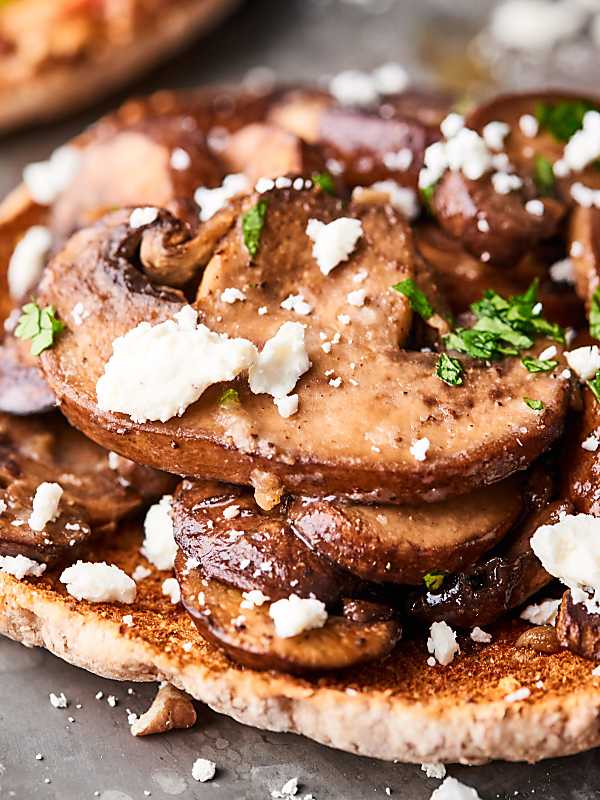
Mushroom Toast
½ Sandwich Thin, toasted (Ozery Bakery One Bun Multigrain Thin Sandwich Buns)
1/2 tablespoon coconut oil
1 (4 oz) package sliced baby bella mushrooms sliced
1/4 teaspoon salt
1/4 teaspoon pepper
1 clove garlic minced
1/2 – 1 tablespoon champagne vinegar
Fried egg
Crumbled Cheese (queso fresco, cojita, feta, etc), for garnish, optional
Chopped herb(s), for garnish, optional
Melt coconut oil in a large skillet over medium heat. Once melted, add in mushrooms, salt, and pepper. Cook, stirring occasionally for 3 minutes. Add in garlic and vinegar and cook until mushrooms are tender, about 1-3 additional minutes. Pour over toasted bun and top with a fried egg.
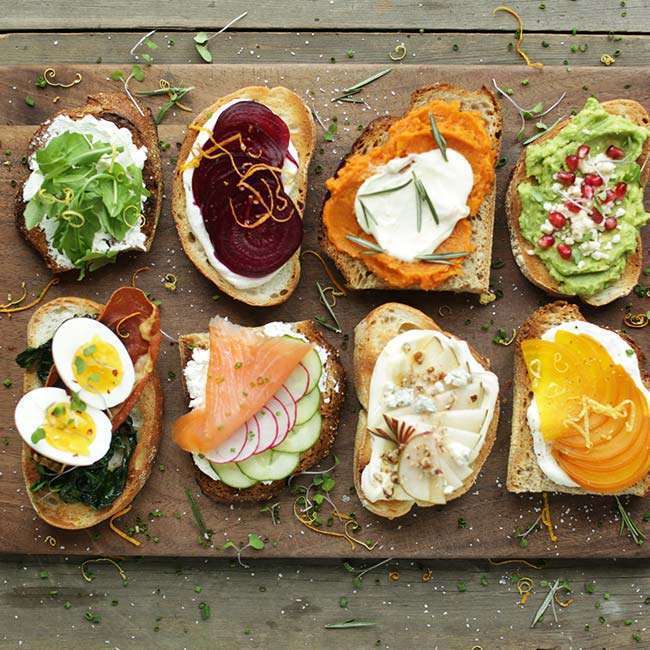
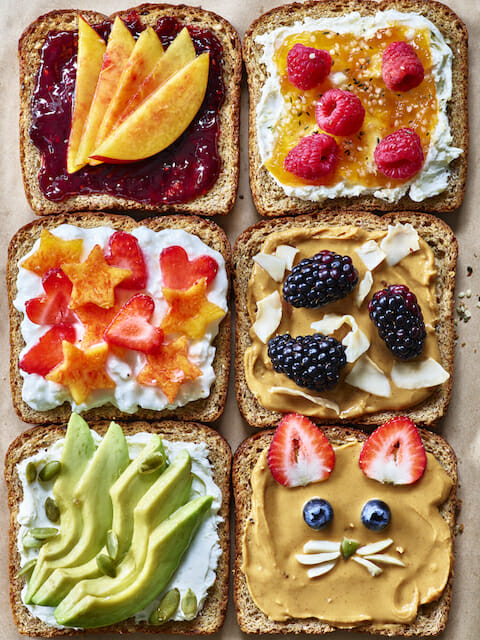
Energy-Boosting Breakfast Toast
1 slice whole grain, oat bran, or other hearty bread
Spread of your choice peanut butter, any nut or seed butter, cottage cheese, cream cheese, all-natural jam, smashed avocado, hummus, mascarpone, honey goat cheese
Sliced or diced fruits apple, pear, grapes, banana, peach, apricot, figs, fresh or frozen and defrosted berries, or other favorite fruits
Vegetables/leafy greens cucumbers, tomatoes, peppers, arugula, baby spinach, or other favorites
Favorite toppings chia seeds, hemp seeds, flax or sunflower seeds, pepitas, nuts, coconut, dried fruits, granola, cacao nibs, fig jam, onion jam
Protein Choices: Scrambled, Fried, Poached or sliced Hard-Boiled Egg, Bacon, Prosciutto, Ham, Cheeses
Seasoning salt, pepper, chiles, herbs, spices, salsa, honey, lemon or lime juice, everything bagel seasoning, grated cheese, hot sauce

Toast bread until lightly brown. Add spread of your choice. Top with a fruit or vegetable, or both, as desired. Scatter on any toppings you like. Finish with appropriate seasonings. Alternate toasting method: Preheat your oven to 425 degrees and place a baking sheet in the oven. While you are waiting for the oven to heat, butter one side of your bread with softened butter. When the oven and the baking sheet are heated to temperature, quickly remove the baking sheet from the oven. Quickly place the bread, butter side down, onto the baking sheet and return the sheet to the oven. Bake until the bottom side of the bread is toasted 5-10 minutes (the top won’t toast, so peek under the corner of your toasts to check the bottom regularly). This toast is delicious because it gets crispy on one side without drying out like it does in the toaster.
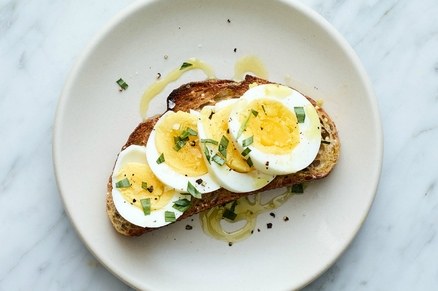
Hard-Boiled Egg & Herb Toast
So fast and easy if you have hard boiled eggs on hand!
1 Egg, hard boiled
1 slice whole wheat bread, toasted
1 tsp. diced herb (try parsley, tarragon, thyme, whatever you have)
EVOO
Salt & Pepper
Thinly slice egg, then layer slices over toast. Drizzle with olive oil and season with salt and pepper. Garnish with tarragon.
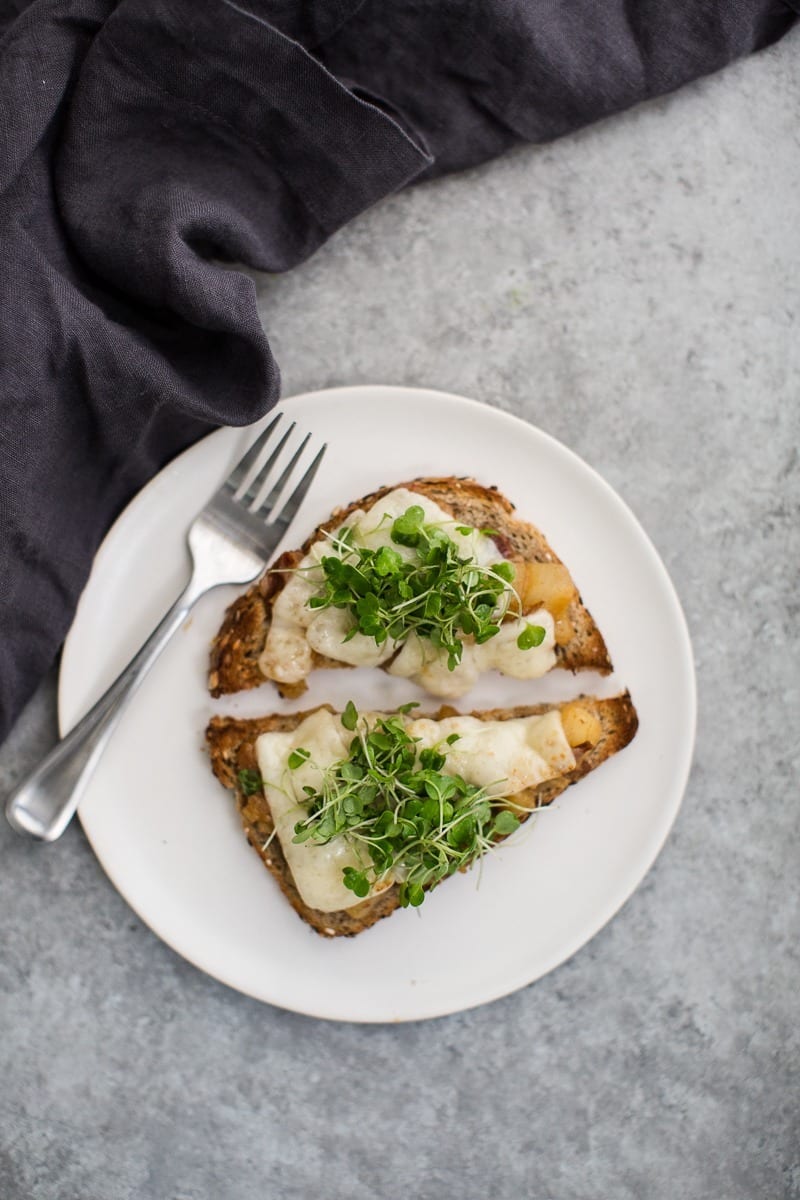
Pear Chutney Cheese Toast
Chutney:
2 pears (see note)
1 tablespoon olive oil
¼ cup diced red onions
2 teaspoons minced ginger
2 tablespoons apple cider vinegar
4 pitted and chopped Medjool dates
¼ teaspoon salt
½ teaspoon cinnamon powder
zest from 1 lemon
¼ cup water
â…› teaspoon red chili flakes (optional)
1 tablespoon butter, softened
2 slices Dave’s Good Seed Bread
3 ounces sliced sharp white cheddar cheese
1/2 cup arugula microgreens
2 teaspoons olive oil
squeeze lemon juice
To make chutney, start by peeling , coring , and chopping the pears into cubes. Heat a pot over medium-low heat and add the diced onions, cooking until fragrant, 5 to 6 minutes. Stir in the ginger and follow with apple cider vinegar. Stir up any stuck onion pieces. Add in the pears, dates, salt, cinnamon powder, zest, water, and chili flakes if using. Continue to cook, stirring occasionally, until the pears softened, and the mixture thickens up, 15 minutes or so. If the chutney is too thick, add a splash or two of water as it cooks. Preheat broiler. Butter each slice of bread and place on a sheet tray. Bake the bread under the broiler, flipping once, until just starting to crisp. Keep an eye on the toast- this will happen quickly. Remove bread from oven and smear on 2-3 tablespoon of chutney and follow with the slices of cheese. Place back under the broiler and cook until cheese is melting and bubbly, 60-90 seconds (again, goes fast- keep an eye on it!) Toss the microgreens with the olive oil and lemon juice, then top toast before serving.
Note: When making chutney I prefer the Bartlett varieties or any other variety that holds shape when cooked.
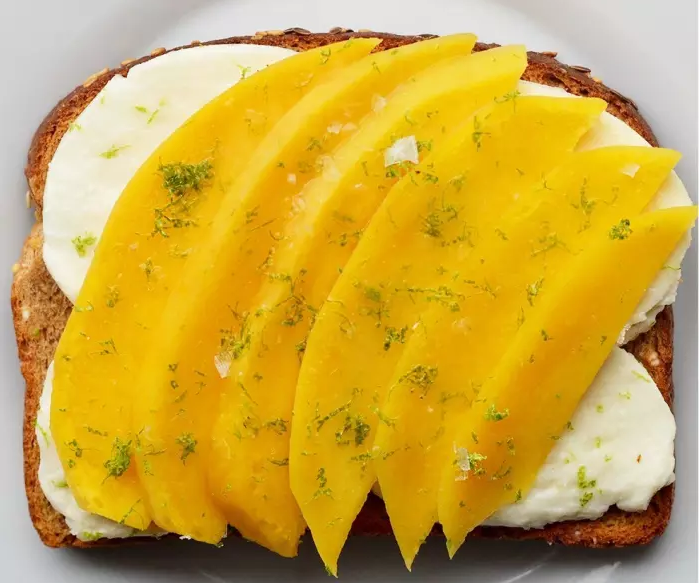
Mango, Lime & Mozzarella Toast
Good Bread
Fresh Mozzarella
Sliced Mango
Zest from ½ Lime
Flaky Sea Salt
Layer cheese on toast. If desired, place under broiler or in toaster oven to heat mozzarella a bit. Layer with mango then sprinkle on zest and salt.
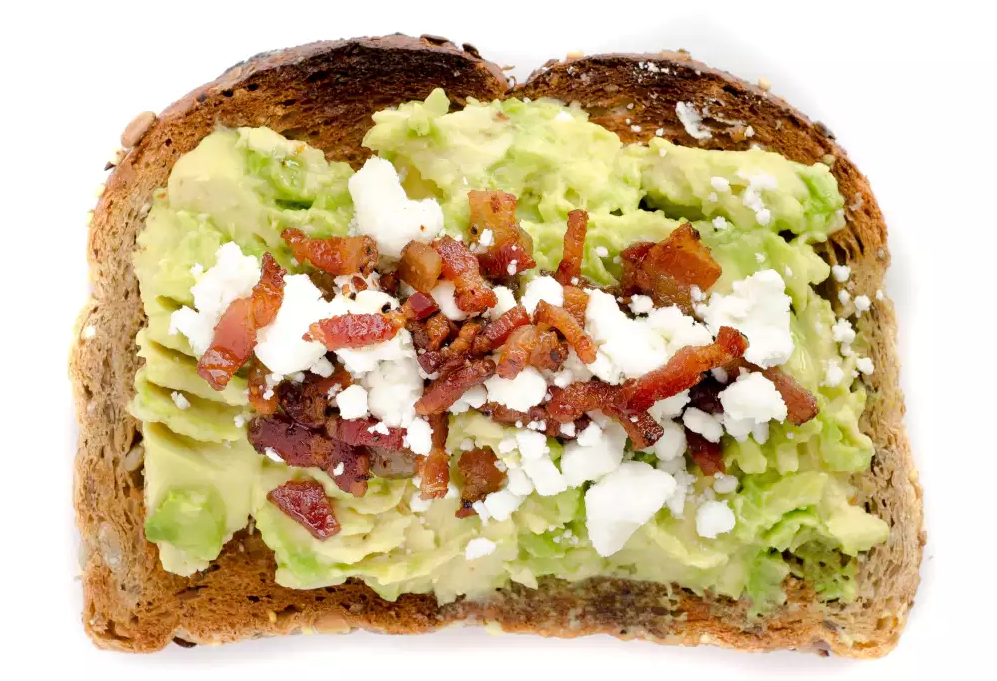
Goat Cheese & Bacon Avocado Toast
Ripe Avocado
Crumbled Goat Cheese
Thin lardons Bacon, cooked crisp
Bread of Choice
Mash avocado on toast. Top with some cheese and bacon.