Ensalada de Aguacate (Golden Avocado Salad with Jalapeno-Cilantro Vinaigrette)

Ensalada de Aguacate (Golden Avocado Salad with Jalapeno-Cilantro Vinaigrette)

Ensalada de Aguacate (Golden Avocado Salad with Jalapeno-Cilantro Vinaigrette)1 C. Cilantro Leaves
2 small Jalapeno Peppers, stems removed
½ C. White Wine Vinegar
Juice of 2 Limes
1 clove Garlic
½ tsp. Salt
1 C. EVOO

½ C. Flour
2 Eggs, slightly beaten
1 C. Panko
2 Avocados, pitted, peeled and cut into 1” wedges, about 6 wedges per avocado
Salt
2 C. Canola Oil

12 C. baby Arugula
Salt
Pepper
1 pt. Cherry Tomatoes, halved

In blender puree cilantro, jalapeno, vinegar, lime juice, garlic and salt until smooth. Slowly drizzle in the oil until well combined and set aside.

Place flour, eggs and panko into 2 separate shallow bowls to set up a dredging station. Season avocado with salt and dredge in flour, egg, then panko. Place on parchment and repeat for all wedges. Heat oil in Dutch oven over medium high heat until shimmering. Gently place the breaded avocado wedges in oil (in batches as necessary) into the hot oil and cook 3 minutes, turning once, until golden brown. Transfer to paper lined tray to drain. Place arugula in bowl and toss with dressing. Season with salt and pepper. Divide among 4 plate, sprinkle with tomatoes and top with avocado.

Light Crema de Chile Poblano Soup

Light Crema de Chile Poblano Soup

Light Crema de Chile Poblano Soup1 1/4 cup low-sodium chicken broth
2 large poblano chiles, roasted, peeled, seeded and veins removed
1/4-inch thick slice of a large white onion, roasted on a comal or skillet
1/4 to 1/3 cup Cacique Crema Mexicana
1/4 tsp. kosher salt, or more to taste
Optional garnish: Swirl of Crema Mexicana and freshly chopped chives

Roast poblano chiles and allow to sweat in a plastic bag. After 15 minutes, peel the skin off the chiles, cut them open and remove the seeds and veins. While the chiles are sweating, roast the 1/4-inch thick slice of a large white onion on a hot comal or skillet until each side starts to get some brown spots, a few minutes per side. Add the poblano chiles, roasted onion, chicken broth, crema mexicana and salt to a blender and blend on high until the contents are completely pureed and smooth. Transfer the contents of the blender to a saucepan and cook over medium heat, whisking occasionally until it comes to a boil after about 5 minutes. It will begin to bubble toward the top of the pan; reduce the heat and continue to simmer for another 2 minutes.

Serve and garnish with a swirl of Cacique crema mexicana and about a half tsp. of freshly chopped chives.

Sopa de Chile Poblano (Roasted Poblano Soup)

Sopa de Chile Poblano (Roasted Poblano Soup)

Sopa de Chile Poblano (Roasted Poblano Soup)2 lb. poblano chiles
6 tbsp. unsalted butter
1 large white onion, roughly chopped
1 rib celery, roughly chopped
1 medium carrot, roughly chopped
4 oz. spinach, roughly chopped
1⁄3 cup minced parsley
4 cups chicken stock
2 cups milk
1 cup heavy cream
Kosher salt and freshly ground black pepper, to taste
1⁄2 cup crema or sour cream
1 serrano chile, stemmed, seeded, and minced
Fried tortilla strips, to garnish

Heat broiler to high heat. Place poblano chiles on a foil-lined baking sheet, and broil, turning as needed, until blackened all over, about 20 minutes; transfer to a bowl and let cool. Peel and discard skins, stems, and seeds; roughly chop, and set aside. Heat butter in a 6-qt. saucepan over medium-high heat. Add onion, celery, and carrot, and cook, stirring occasionally, until soft, about 10 minutes. Add chopped poblanos, spinach, and parsley, and cook, stirring, until slightly wilted, about 3 minutes. Add stock and milk, and bring to a boil; reduce heat to medium-low, and cook, stirring occasionally, until slightly reduced, about 35 minutes. Remove from heat, stir in cream, and season with salt and pepper; puree in a blender until smooth, at least 1 minute. To serve, divide soup among serving bowls and then dollop with about 1 tbsp. crema in the center of each; garnish with some of the serrano chiles and tortilla strips.

Sautéed Mexican Mussels with Chorizo and Tequila

Sautéed Mexican Mussels with Chorizo and Tequila

Sautéed Mexican Mussels with Chorizo and Tequila4 Tomatoes, diced plus additional for garnishing
3 T. olive oil
8 oz. Mexican chorizo, fresh or store-bought, casings removed
1 T. shallot, minced
3 garlic cloves, thinly sliced
2 tsp. fresh jalapeño pepper, finely chopped
1½ cups dry white wine
2 pounds mussels, scrubbed and debearded
1 tsp. salt
â…“ cup fresh cilantro leaves, coarsely chopped
½ cup good quality silver tequila (ex: Herradura Blanco)

Heat the olive oil in a heavy bottom sauté pan over medium high heat. Once the oil is shimmering but not smoking, add the chorizo to the pan and cook for approximately 5 minutes, stirring often, until the sausage is thoroughly cooked through. Remove the chorizo from the pan and pat dry with a paper towel to remove all excess oil. Pour off and discard the excess fat from the pan, leaving approximately 1 T. of chorizo fat in the pan. Add the minced shallot to the sauté pan and cook for about 3 minutes, stirring occasionally, until the shallot is soft. Add the sliced garlic and diced jalapeño to the pan and cook an additional 3 minutes, stirring occasionally until both are cooked through. Keep the sauté pan on medium high heat and return the chorizo to the pan. Stir in the wine and tomatoes and then mussels. Sprinkle 1 tsp. salt over the mixture and bring to a boil. Once the mixture has reached a boil, cover the sauté pan with aluminum foil or a heavy lid and cook covered for approximately 8-10 minutes until the majority of the mussels have opened. Remove the pan from the heat and discard any unopened mussels. Spoon the mussels and broth into serving bowls and sprinkle with chopped cilantro and top with 4 oz. of silver tequila. Top with additional diced tomatoes. Serve with crusty bread or fresh corn tortillas.

Mejillones con tequila

Mejillones con tequila

1Mejillones con tequila tsp. vegetable oil
½ red pepper, diced
½ small onion, chopped
½ cup tequila
¼ cup water
juice of 1 lemon
freshly ground black pepper to taste
2 T. chopped jalapeno chilies (optional)
1 kg of fresh mussels, scrubbed and beards
1/3 cup chopped cilantro

In a large pot, heat oil over medium heat. Add the red pepper and onion. Cook for 5 minutes stirring constantly. Add the tequila, water, lemon juice, pepper and jalapenos. Bring to a boil and add the mussels. Sprinkle the cilantro over the mussels and cover well. Let steam cook 3 to 4 minutes until all the mussels have opened (discard any remaining closed).

Rellenos de Camarones y Queso

Rellenos de Camarones y Queso

Rellenos de Camarones y Queso1 red bell pepper, roasted, peeled, and chopped
8 poblano peppers, roasted and peeled
2 T. olive oil
1 pound peeled and deveined medium shrimp, chopped
1/2 tsp. salt, divided
5 garlic cloves, minced
1 1/2 T. all-purpose flour
¼ tsp. ground red pepper
1/2 cup crema Mexicana or sour cream
3/4 cup fat-free milk, divided
3/4 cup (3 oz.) shredded quesadilla cheese
½ cup queso fresco, crumbled
2 T. chopped fresh cilantro, and sprigs
2 T. fresh lime juice
Pomegranate seeds (optional)

Fire up a comal on the stovetop. Rinse the poblano chiles and bell pepper thoroughly and pierce each with a knife. Place them on the comal and let them roast evenly. You will have to keep an eye on them, making sure to turn them over until all sides are roasted. When done, the skins should be evenly blistered and mostly black. Place roasted chiles and pepper into a plastic bag and close the bag. Cover the plastic bag with a kitchen towel. The steam will help the blackened skin to separate. When cool, rub off the blackened skin, careful to keep the stem intact on the poblano chiles. Using a small sharp knife, carefully slit chiles open along 1 side. Remove seeds, leaving stems attached. Set aside to fill later. Chop the bell pepper and discard stem and seeds.

Heat a large skillet over medium-high heat. Add oil to pan; swirl to coat. Sprinkle shrimp with 1/4 tsp. salt. Add shrimp to pan; cook 3 minutes or until done. Remove from pan. Add garlic to pan; sauté 30 seconds, stirring constantly. Sprinkle with flour and ground red pepper; cook 1 minute. Slowly add crema Mexicana, stirring with a whisk. Stir in 1/2 cup milk; cook 1 minute, stirring constantly. Remove from heat; let stand 2 minutes. Add quesadilla cheese and 1/4 tsp. salt, stirring until smooth.

Place 1/3 cup cheese mixture in a large bowl; reserve remaining cheese mixture. Add bell pepper, shrimp, cilantro, and juice to 1/3 cup cheese mixture in bowl; toss to coat. Stir 1/4 cup fat-free milk into reserved cheese mixture. Spoon 3 T. of cheese sauce on 4 plates. Stuff each poblano chile with 6 T. shrimp mixture. Place 2 stuffed poblanos on cheese mixture and garnish with crumbled queso fresco, cilantro, and pomegranate seeds (optional).

Carne Asada Roja (Red Chile Marinated Rib Eye Steaks)

Carne Asada Roja (Red Chile Marinated Rib Eye Steaks)

Carne Asada Roja (Red Chile Marinated Rib Eye Steaks)16 guahillo Chiles, stemmed, seeded, dry roasted and rehydrated
5 cloves Garlic, dry roasted and peeled
2 tsp. Cumin Seeds
1/3 T. Mexican Oregano
1 T. Cider Vinegar
3 C. Vegetable or Chicken Broth
1 tsp. Canola Oil
1 T. Salt
1 T. Sugar
6 12oz. Ribe Eye Steaks (1” thick)
Olive Oil, for grill
Sliced Avacado
1 C. Salsa Roja

Puree the rehydrated chiles, garlic, cumin, oregano, vinegar and 1 C. broth in blender for 5 minutes, until extremely smooth. Heat canola oil in heavy bottomed saucepan over medium high heat. Once oil is hot and begins to shimmer, pour the pureed chiles mixture into the pan. Be careful, as the sauce will splatter. Immediately stir and reduce heat to medium low. Simmer, stirring often for 10 minutes, until sauce thickens and begins to darken. Stir in remaining 2 cups broth along with salt and sugar. Continue to simmer for 20 minutes more to reduce slightly. Remove from heat and season with additional salt if desired. Transfer to a large, shallow baking dish and set aside to cool completely prior to marinating the steak. Place steaks in marinade, making sure the pieces are well coated. Cover and refrigerate a minimum for 4 hours, to overnight. Preheat grill over medium high heat. Lightly brush grill grates with oil. Grill steaks for approximately 12 minutes for medium rare, turning once. Allow steaks to rest for 5 minutes before serving. Serve with sliced avocado and topped with warm salsa roja and fresh cilantro if desired. Spicy Bacon Pinto Beans make a nice side.

Cochinita Pibil (Yucatan Achiote Seasoned Pork)

Cochinita Pibil (Yucatan Achiote Seasoned Pork)

Slow Cooker Cochinita Pibil Tacos2 large banana leaves
1/2 cup of Achiote Paste
2 cups of bitter orange juice, or one cup orange juice mixed with one cup of grapefruit juice
1/2 tsp. ground pepper
3 Pounds of boneless pork loin or pork shoulder cut in pieces
1 large red onion, sliced.
3-4 bay leaves
1/2 T. dried thyme
1 T. marjoram
1 T. dried Mexican oregano
1/2 cup oil or lard
1 turkey size oven bag
Salt to taste

Roast the banana leaf, if you bought it from the frozen section of the supermarket, wait until it is completely defrosted. To roast the banana leaf, place it directly over a medium hot fire of you gas stove, it will start changing color and getting some shiny while in contact with the fire. Make sure not to burn the leaves, we just want them to be pliable. Line your roasting pan with the oven bag and arrange the banana leaves overlapping as in the above picture. You can also use aluminum foil instead of the oven bag. In your blender, mix the Achiote (annatto) seasoning with the pepper and bitter orange juice. Add salt. Place the pork meat on the leaves. Pour the Achiote mixture over. And add the oil/lard to give it more flavor. Cover with the sliced onion and herbs. Fold the ends of the banana leaves over the pork. Close the oven bag and cut 3 or 4 slits according to packages instructions. If using aluminum foil wrap tightly . Add about 1 1/2 quarter of water to the roasting pan to create a steaming effect. One time, I forgot to add the water and it still came out great. Bake 2 1/2 hours in a preheated oven at 350 degrees. Add more water to the pan if needed. Remove roasting pan from oven and uncover the meat. The meat should be tender. If it isn’t, cover and return to the oven for another 30 minutes. To serve shred the meat and cover with the juice with warm tortillas and habanero sauce.

Jalapeno Popper Wontons

Jalapeno Popper Wontons

jalapenopopper1 package refrigerated square wonton wrappers
1 8 ounce package cream cheese, softened
3 jalapenos, seeds and ribs removed, finely chopped
½ cup shredded cheddar cheese
Vegetable oil for frying
Coarse salt

In a bowl, combine cream cheese, jalapenos, and cheddar cheese. Arrange wontons in a single layer on a baking sheet.  Add 1 tsp. of the filling to the center of each wonton (don’t overfill them). Dip your fingers in a bowl of water and run your wet fingers around all edges of each wonton. Fold the wontons over the filling, pinching the edges to seal to make a triangle and removing any air bubbles. Fry wontons in batches in hot oil until browned and cripsy. Drain on paper towels and sprinkle with coarse salt. Serve warm.

Empanaditas de Carne (Small Beef Turnovers)

Empanaditas de Carne (Small Beef Turnovers)

Empanaditas de Carne (Small Beef Turnovers)Dough
2 cups all purpose flour
1/2 teaspoon of salt
1/2 teaspoon of baking powder
4 tablespoons of butter
1/4 cup ice water

Filling:
2 tablespoons vegetable oil
1/2 cup white onion, shredded
1/2 bell pepper, diced
2 garlic cloves, minced
1/2 teaspoon ground achiote
1 teaspoon ground cumin
1/2 pound ground beef
1 cup diced and cooked potatoes
1/2 cup beef broth
Salt to taste
1 egg yolk

Make the filling: In a large skillet, heat the oil. Add the onions, bell pepper, garlic, achiote, cumin and cook for about 6 minutes over medium heat. Add the beef and cooked potatoes, and cook for about 7 minutes. Add the broth, season with salt and cook until meat is cooked through.

Make the dough: Place the flour and salt in a food processor. Add the butter, and water until a dough forms. Form a ball, cover with plastic wrap and place in the refrigerator for about 30 minutes.

On a lightly floured surface, roll out the dough into a thin rectangle. Cut out round disc shapes with a round cutter or a small plate. Fill empanada discs with beef mixture. Brush the edges with egg and close the filling by pressing the edges together to form a half moon. reheat oil in a deep pot to 375 degrees F. Fry the empanadas in the oil for about 3 minutes on each side. Remove from the oil and drain on paper towels.

Hoisin-Glazed Chicken with Cabbage Slaw

Hoisin-Glazed Chicken with Cabbage Slaw

Hoisin-Glazed Chicken With Cabbage Slaw4 boneless, skinless chicken cutlets
1/3cup hoisin sauce
1T. low-sodium soy sauce
1T. plus 1 tsp. rice vinegar
2tsp. fish sauce (optional)
3cups shredded green cabbage
1 red bell pepper, cut into strips
1 green bell pepper, cut into strips
3 scallions, halved and cut into 4-inch strips
1/2cup fresh cilantro leaves

Heat broiler to high. Rinse the cutlets, pat dry with paper towels, and pound to an even thinness. Place in a broiler pan. In a small bowl, whisk together the hoisin sauce, soy sauce, 1 tsp. of the rice vinegar, and the fish sauce (if using). Transfer 2 T. of the glaze to a large bowl and stir in the remaining 1 T. rice vinegar. Add the cabbage, bell peppers, scallions, and cilantro and toss. Cover and refrigerate. Pour about 1 T. of the remaining glaze into a small bowl and set aside. Brush the chicken with the glaze that remains. Broil the chicken, brushing occasionally, until cooked through, 5 to 8 minutes. Spoon the reserved glaze over the top. Serve with the slaw.

Christmas Cookies – From Simple to Spectacular

Christmas Cookies – From Simple to Spectacular

Everyone is pressed for time during the holidays, but that shouldn’t stop you from making a lovely batch of Christmas cookies. Our treats look great whether unadorned or dressed to the nines, so you can tailor them to suit your interest (and schedule). They’re all made with the same sugar cookie dough and frosting, so you can mix and match. And even the most basic versions are pretty enough to decorate a tree or window. You’ll find sources for the special equipment and decorations, plus packaging ideas. Or try different cookie cutters and add your favorite colors and decorations. Just get baking!

Christmas Cookies – From Simple to Spectacular

Favorite Sugar Cookie Dough

1 cup (1/2 lb.) butter
1/2 cup sugar
2 large egg yolks
1 teaspoon vanilla
2 1/2 cups all-purpose flour

In a bowl, with an electric mixer set on medium speed, beat room-temperature butter and sugar until smooth. Beat in egg yolks and vanilla. Stir or beat in flour until well blended. Flatten dough into a 1-inch-thick disk. On a lightly floured board, roll dough about 1/8 inch thick. Follow directions below to make cookies.

Royal Icing

4 cups (1 lb.) powdered sugar
3 tablespoons meringue powder
food coloring
Preparation

In a large bowl, combine 4 cups (1 lb.) powdered sugar, 6 tablespoons water, and 3 tablespoons meringue powder (or omit water and meringue powder and use 6 tablespoons pasteurized egg whites). With an electric mixer on low speed, beat until evenly moistened, then beat on high speed until stiff, glossy peaks form. Controlling consistency of icing is simple: If icing is too thick, add a few drops of water; if it’s too thin, gradually add more powdered sugar.

Tint icing with food coloring as desired; to make all three cookie designs with Favorite Sugar Cookie Dough, divide icing into four portions and tint three blue, green, or red, leaving one white.

Ornaments
1. With a floured cookie cutter, cut ornament shapes from cookie dough.
2. Make an imprint in the center of each cookie by lightly pressing a star-shape cookie cutter into dough, making sure not to cut all the way through.
3. Use a drinking straw to poke a hole in each cookie. Transfer to baking sheets lined with cooking parchment.
4. Bake in a 300° oven until golden, about 15 minutes. Transfer cookies to racks to cool.
5. Serve when cool, or thread a ribbon through each hole, tie, and hang from a tree or in a window.
To make them special: Prepare cookies as above, but skip step 2. With a small offset spatula, spread a thin layer of tinted icing on each ornament.
To make them spectacular: Follow directions above for special version; let icing dry. With a pastry bag fitted with a #2 plain tip and filled with icing, create raised accents. Sprinkle sanding sugar over the still-wet piping, then tilt and tap cookie to remove excess. Add dragées.

Wreaths
1. With a floured 3- to 4-inch fluted-edge cookie cutter, cut out large circles from cookie dough. With a floured 1- to 2-inch cutter, cut out a circle in each cookie. Transfer cookies to baking sheets lined with cooking parchment. Gather scraps, reroll, and cut out more wreaths.
2. Bake in a 300° oven until golden, about 15 minutes. Transfer cookies to racks to cool.
3. Serve when cool, or thread a ribbon through each wreath and hang from a tree or in a window.
To make them special: With a pastry bag fitted with a #2 plain tip and filled with green icing, pipe “branches” onto the wreath. Or with a small offset spatula, spread a thin layer of tinted icing on each wreath.
To make them spectacular: Follow directions for special version; with a pastry bag fitted with a #2 plain tip and filled with red icing, apply “berries” to each wreath. Sprinkle sanding sugar over the still-wet icing, then tilt and tap cookie to remove excess.

Cutout Cookies
1. With a floured square cookie cutter with a fluted edge, cut out 20 cookies from cookie dough. Transfer to baking sheets lined with cooking parchment.
2. With smaller floured cookie cutters (we used a pear shape), cut out 20 top pieces from dough. If necessary, gather scraps, reroll, and cut out more top pieces.
3. Brush the back of each top piece with a little water and press gently onto squares.
4. Bake in a 300° oven until golden, about 15 minutes. Transfer cookies to racks to cool.
To make them special: With a small offset spatula, spread a thin layer of tinted icing on each top piece.
To make them spectacular: Follow directions for special version; use a pastry bag fitted with a #2 plain tip and filled with icing to create dots and leaves. If desired, apply a bit of gold leaf while icing is still moist.

Everything you need to make holiday treats: You don’t need many tools to make our Christmas cookies―just cookie cutters, a pastry bag, a straw, a small spatula, and some ribbon. You’ll find the following decorative sugars and candies at gourmet specialty markets, but you can also make substitutions: Use granulated sugar instead of sanding sugar, and swap in cinnamon Red Hots or nonpareils for the dragées.
Assorted cookie cutters. We used a piece of cardboard as a template for the ornament, but the fluted-edge round and square cutters for the wreath and cutout cookies can be found on Amazon.com. A similar mini pear cookie cutter is available from the Cookie Cutter Factory (866/255-9194). Pinocchio Productions sells an eight-point star cookie cutter. CopperGifts.com (620/421-0654) has a vast selection, including many star shapes, as do Michaels craft stores (800/642-4235 for store locations).
Decorative sparkle. We used a combination of dragées (dra-zhays), edible gold, matte red decoratifs, and sanding sugar. (Silver dragées are for decoration only; avoid eating them.) Look for nonmetallic dragées and sanding sugar in gourmet supermarkets, kitchen stores, Michaels, at ChefShop.com (877/337-2491), or on Amazon.com. Fancy Flours (406/522-8887) sells decoratifs, sanding sugar, and dragées. Edible gold is available at Sur La Table ($35 for 150 mg; 800/243-0852).
A pastry bag fitted with a #2 plain tip. Fill it with icing to create fine lines for making branches on the wreath cookies and adding stripes and dots to the ornament and cutout cookies. You’ll find bags and tips at kitchen stores such as Sur La Table as well as at craft stores like Michaels.

Agave Glazed Bacon

Agave Glazed Bacon

Agave Glazed Bacon6 slices thick-cut hickory smoked bacon
2 tablespoons agave nectar
1 tablespoon southwest chipotle seasoning, mix (Mrs. Dash, Tones, Konriko or homemade)
1⁄4 teaspoon cayenne pepper (optional)

Preheat oven to 375 degrees. Line a rimmed baking sheet with parchment paper or aluminum foil. Arrange slices on baking sheet; bake until almost crisp (8-9 minutes). Drain the drippings from baking sheet and discard. In small bowl, combine agave nectar, chipotle seasoning and pepper. Brush bacon with the chipotle mixture; bake until glazed (8-10 minutes). Cool.

Holiday Dungeness Crab Feast

Holiday Dungeness Crab Feast

Start with garlic-and anchovy-laced bagna cauda for dipping raw veggies and crusty bread, followed by cracked crab and pasta in a homemade tomato sauce redolent of garlic and basil.

Juicy and briny-sweet, Dungeness is celebration food. Any evening that begins with crabcakes instantly feels festive and special. And cracked crab is great to eat with close friends and family or with people you’d like to get to know better ― because it requires rolling up your sleeves and diving in with both hands.

What could be more fun than that? Reach across the table for legs and claws and just a little more dipping sauce, dig out morsels of meat, and go for it.

Cracked Crab with Lemongrass, Black Pepper, and Basil

2 stalks fresh lemongrass, ends trimmed and coarse leave

FS=Randy Mon

s discarded
2 T. chopped fresh ginger
1 T. chopped garlic
1/4 C. honey
1/4 C. reduced-sodium soy sauce
1 1/2 T. freshly ground black pepper
3 fully cooked Dungeness crabs (about 2 lbs. each), cleaned, legs cracked, and bodies quartered
3 T. peanut oil or vegetable oil
1 C. loosely packed cilantro sprigs
1 C. loosely packed Thai basil leaves or small regular basil leaves


Chop lemongrass. Put in a food processor with ginger and garlic; whirl until minced. Scrape into a large bowl and stir in honey, soy sauce, and pepper. Add crabs and stir to coat well. Cover, then chill at least 15 minutes or up to 1 hour. Pour oil into a 14-in. wok or a wide 8- to 10-qt. pot over medium-high heat. With a slotted spoon, add crabs (reserve marinade). Cover and cook, stirring often, 5 minutes (omit this cooking time if using fully cooked crabs). Uncover pan, add marinade, and cook, stirring often, until crabs are steaming and meat is opaque, about 5 minutes. Stir in cilantro and basil, then transfer crabs and juices to a serving bowl.

Ultimate Crabcakes

4 ounces sea scallops
2 T. lightly beaten egg
3 T. heavy whipping cream
1 pound (3 cups) shelled cooked crab
2 T. diced (1/4 in.) red bell pepper
2 T. diced (1/4 in.) yellow bell pepper
2 T. finely chopped cilantro
3 T. finely chopped chives, divided
2 tsp. green hot sauce, such as Tabasco
1/4 tsp. salt
1/4 tsp. cayenne
2 T. olive oil
Devil Sauce

In a food processor, pulse scallops and egg just until scallops are chopped. With motor running, pour in cream and whirl until smooth. Scrape scallop mixture into a bowl. Stir in crab, bell peppers, cilantro, 2 tbsp. chives, the hot sauce, salt, and cayenne, breaking up most large chunks of crab. Lay an 18-in. sheet of parchment paper on a work surface. Scoop 6 equal mounds of crab mixture onto parchment. Shape each into an even cake about 1 1/4 in. thick, using your fingers or, for neater sides, a 2 1/2-in.-diameter ring mold. Pour olive oil into a 12-in. nonstick frying pan and heat over medium-low heat. Using a thin, flexible spatula, carefully transfer cakes to pan. Cook, turning once, until nicely browned and no longer wet in center, about 10 minutes total. Divide crabcakes among 6 warm plates, scatter with remaining 1 tbsp. chives, and serve with Devil Sauce.
Devil Sauce

3/4 C. mayonnaise
1/2 tsp. ground coriander
About 1 tsp. red hot sauce, such as Tabasco

In a small bowl, stir together mayonnaise, coriander, and 1 tsp. hot sauce. Taste and add more hot sauce if you like.

Sikil Pak (Mayan Pumpkin Seed Salsa)

Sikil Pak (Mayan Pumpkin Seed Salsa)

sikil Pak1 small white onion, peeled and sliced into rounds 1/4-inch thick
1 ¾ cups (about 8 ounces)pepitas, toasted, salted hulled pumpkinseeds
1/3 of a 15-ounce can diced fire-roasted tomatoes, undrained
1/3 cup fresh-squeezed orange juice
1/3 cup fresh-squeezed lime juice
2 generous tablespoons tahini or (or pulverized, toasted sesame seeds)
2 to 3 teaspoons habanero hot sauce (or a little chopped fresh habanero chile)
2 tablespoons roughly chopped cilantro
Salt

Set a large (10-inch) nonstick skillet (or a heavy skillet lined with foil) over medium heat and lay in the onion slices. When the onion is browned and softened on one side (about 4 minutes), turn the slices over and brown the other side (about 4 minutes more). Cool to room temperature, roughly chop them and scoop into a blender or food processor. Add the pumpkin seeds, tomatoes, juices, sesame seeds and hot sauce and process until completely smooth. Stir in the cilantro, then taste and season with salt, usually a scant teaspoon depending on the saltiness of the pumpkin seeds. Transfer to a serving bowl and serve with raw jicama, cucumber slices and tortilla chips.

Mocha-Caramel Tree Cookies

Mocha-Caramel Tree Cookies

Mocha-Caramel Tree Cookies1 C. butter, softened
1/3 C. sifted powdered sugar
3 T. granulated sugar
1 tsp. instant espresso coffee powder or 2 tsp. instant coffee crystals
1 T. vanilla
3 T. unsweetened cocoa powder
1-2/3 C. all-purpose flour
1/2 C. semisweet chocolate pieces
1 tsp. shortening
1/2 of a 14-ounce package vanilla caramels (about 24)
2 T. milk 1/4 C. butter

In a large mixing bowl beat first 3 ingredients with an electric mixer on medium speed until fluffy. Dissolve instant coffee powder or crystals in vanilla; add to butter mixture. Beat in cocoa powder. Beat in as much of the flour as you can with the mixer. By hand, stir in any remaining flour. Divide dough in half. Cover; chill about 1 hour or until firm. On a floured surface, roll one half of dough at a time to 1/4-inch to 3/8-inch thickness. Cut into 3-inch trees, reindeers, or other shapes. Place cookies 1-1/2 inches apart on greased cookie sheets. Bake in a 325 degree oven for 12 to 15 minutes or until set but not over browned. Cool 1 minute on cookie sheet; transfer to wire racks. Cool completely. Heat and stir chocolate pieces and shortening over low heat until chocolate begins to melt. Remove from heat; stir until smooth. Drizzle over cookies. Let stand until set. Heat and stir the caramels, 1/4 C. butter, and milk over very low heat until smooth. Cool slightly. Drizzle over cookies.

Homemade Cajeta and Baked Churros

Homemade Cajeta and Baked Churros

cajetaHomemade Cajeta is so Addictive, and so Easy to Make! Serve with a big basket of Baked Churros for Dipping. If you like Dulce de Leche, you’ll adore this Mexican Caramel Sauce, made with Goat’s Milk!

For the Cajeta:
4 cups (1 quart) fresh goat’s milk
1¼ cup dark brown sugar
½ teaspoon kosher salt
¼ teaspoon baking soda
1½ teaspoons vanilla extract
For the Baked Churros:
¼ cup granulated sugar
1 teaspoon ground cinnamon
one batch Simply Perfect Pate a Choux
1 tablespoon unsalted butter, melted

To Make the Cajeta: Place the goat’s milk, brown sugar, salt, and baking soda in a large, heavy-bottomed pot, and heat until simmering. Keep the mixture at a simmer, stirring occasionally, until it’s reduced down to about 1½ cups (about 2 hours). It will be very thick and toasty brown. Stir in the vanilla extract, and immediately pour the hot caramel into a heat-safe vessel to cool. Sauce will continue to thicken as it cools.

To Make the Baked Churros: Preheat the oven to 425 degrees F. Place the sugar and cinnamon in a shallow dish and stir to combine. Set aside. Place the pate a choux dough in a pastry bag fitted with an open star tip. Pipe 4-inch long lines onto a parchment lined baking sheet. Bake for 25 minutes or until the churros are evenly browned, dry, hollow, and light.
Brush lightly with melted butter and coat with cinnamon sugar.

Arroz Poblano (Poblano Rice)

Arroz Poblano (Poblano Rice)

Arroz Poblano (Poblano Rice)3 T. vegetable oil, divided
1/2 medium white onion, chopped
2 poblano chiles, stemmed, seeded and chopped
1 clove garlic, peeled and roughly chopped
3/4 tsp. kosher salt
1/2 tsp. freshly ground black pepper
1 cup chicken broth, plus more if needed
1 cup long grain rice

Heat 2 T. oil in a medium, heavy nonstick skillet over medium heat. Add the onions and saute until translucent, about 3 minutes. Add the poblano chiles and saute, about 8 minutes. Mix in the garlic and cook until fragrant, about 1 minute. Season with the salt and pepper. Add 1 cup broth and bring to a boil. Turn off the heat and let cool. Transfer the mixture to a blender and process until smooth, about 1 minute. Measure the liquid yield from the blender, adding more chicken broth if necessary to yield 2 total cups of poblano liquid. Adjust seasoning to taste. Meanwhile, clean the skillet, place over medium heat and add the remaining 1 T. oil. Fry the rice until slightly golden. Pour the poblano puree into the skillet and bring to a simmer. Turn down the heat to medium-low and cover tightly. Cook for 30 minutes, turn off the heat and let rest for 10 minutes. Fluff with a fork before serving.

Frijole Negros Refritos (Refried Black Beans)

Frijole Negros Refritos (Refried Black Beans)

refried-black-beans-1x1-13 T. Canola Oil
½ C. thinly sliced White Onion
4 cloves Garlic, chopped
2 C. cooked Black Beans
Salt
Queso Fresco

Heat 2 T. oil in large sauté pan or dutch oven over medium low heat, until oil is hot and begins to shimmer. Add sliced onions and cook, stirring often, until onions have softened and begin to turn a light golden color. Stir in garlic and cook 3-4 minutes, until garlic is starting to get soft but not brown. Stir beans into pan and heat a minute. Remove from heat and set aside to cool slightly. Using an immersion blender, blend until relatively smooth. Leave a few bean chunks so it doesn’t resemble baby food. Heat remaining 1 T. oil in large sauté pan over medium low heat until oil is hot. Pour pureed bean mixture into pan and simmer, stirring frequently, for 20 minutes, until reduced and thickened. Season with salt and serve sprinkled with queso fresco.

Sailor Tacos with Two Chiles Creamy Sauce

Sailor Tacos with Two Chiles Creamy Sauce

Sailor Tacos with Two Chiles Creamy Sauce1 cup sour cream
1 T. lime juice
1 cup seedless Poblano chile, chopped
1 tsp. Serrano chile, with seeds
1 tsp. salt

1 tsp. salt
1 tsp. freshly ground white pepper
2 lb tilapia fillet
1 T. extra virgin olive oil
16 flour tortillas
2 cups purple cabbage, finely chopped

Blend all of the ingredients at medium speed on your blender for the creamy sauce, until everything is well incorporated. Salt to taste and reserve in the fridge until you are ready to serve the tacos.

Add salt and pepper to the fish fillets. In a saucepan, put the oil at medium to high heat and fry the fish fillets. Keep them hot until is time to serve. Warm the tortillas. You can use a comal if you have one, a regular sauce pan or in the microwave for about 1 1/2 minutes. In the center of the tortilla place the fish. Then add a bit of purple cabbage and close it like a taco. Serve immediately and accompany with the creamy sauce of two peppers.

Slow Cooker Cochinita Pibil Tacos (Yucatan Pulled Pork)

Slow Cooker Cochinita Pibil Tacos (Yucatan Pulled Pork)

Cochinita Pibil (Yucatan Achiote Seasoned Pork)Cochinita Pibil:
2 kg pork butt
3 T. achiote paste
â…“ cup orange juice
â…“ cup freshly squeezed lemon juice
â…“ cup white vinegar
1 habanero pepper, seeded and finely chopped
2 tsp. ground cumin
2 tsp. smoked paprika
1 tsp. ground coriander
1 tsp. salt

Pickled Red Onions:
1 red onion, halved and thinly sliced
½ cup apple cider vinegar
1 tsp. salt
1 T. sugar
½ tsp. whole black peppercorns

Small corn tortillas
Fresh cilantro
Queso fresco (optional)

Rub down pork butt with achiote paste. If the pork is tied up, remove all the string and massage the achiote over the unfolded piece of meat. In a large bowl, mix together orange juice, lemon juice, vinegar, habanero and the spices. Place pork in the orange mixture and leave to marinate in the refrigerator for at least 4 hours or ideally overnight. Turn the pork at least once in the marinade to ensure even saturation. In a small bowl, mix together vinegar, salt and sugar until the dry ingredients are dissolved. Place onions in a sanitized glass jar and pour vinegar over top. Add peppercorns and top up with water until all the onions are submerged. Set aside at room temperature for an hour to steep. After this, they will be ready to eat. If you’re not eating them right away, pop them in the refrigerator to store. Place pork, marinade and 1 cup of water into a slow cooker and cook on low for 8 hours. Once the pork is cooked, it should shred apart easily with a fork. Serve pork in corn tortillas topped with pickled red onions and fresh cilantro (and queso fresco, if you like).

Costillas Adobadas (Cocina de Tom: Pork Ribs in Red-Chili Sauce)

Costillas Adobadas (Cocina de Tom: Pork Ribs in Red-Chili Sauce)

Cocina de Tom Pork Ribs in Red-Chili Sauce3 pounds pork short ribs
Vegetable oil for sautéing
Sea salt and freshly ground black pepper

1 onion, unpeeled, sliced
3 cloves garlic, unpeeled, crushed with the flat side of a knife
1 large carrot and 1 stalk celery, chopped coarsely
1 bay leaf
1 dried chipotle pepper

A mix of 12 medium-sized dried chilis, such as guajillos, pasillas, and anchos, split open and stemmed and seeded
2 corn tortillas
6 tomatillos, husked
4 cloves garlic

To serve:
8-12 corn tortillas, heated, for tacos
1 bunch cilantro or parsley, chopped
1 small red onion (for quick pickling)
1 clove garlic
1/3 cup of mild vinegar, such as white-wine or cider
salt

In a heavy-bottomed frying pan, add just enough oil to cover the bottom of the pan and turn heat to medium. Using paper towels, or preferably a kitchen towel that will be quickly dropped into the wash, tamp dry the ribs on all sides. (This is key: Wet ribs won’t brown.) Season the ribs on all sides with salt and pepper and add to hot pan, bone side up. Brown the ribs on as many sides as you can. If the pan begins to scorch, turn the heat down. When the ribs are well browned, remove them and set them aside, and turn heat to low. (You may have to do this in batches). Add a cup or so of water to deglaze the pan, which means scraping the pan with a wooden spoon to liberate the flavorful browned bits that accumulated there. Turn off heat. Now arrange the sliced onion, the garlic, the bay leaf, the carrot and celery chunks, and the chipotle at the bottom of a Dutch oven-style pot (heavy) pot with a tight-fitting lid, and lay the ribs over the. Add the deglazing water from the frying pan, and add enough extra water to submerge the a little more than ribs halfway. Bring slowly to a simmer, cover, and turn heat to lowest setting. (You can also place the covered pot in an oven pre-heated to 300 degrees.) Let the ribs simmer for about 3 hours, then check. The meat should be fork tender and falling off the bone. (If it’s not, allow more time.) When the meat is done, turn the heat off and remove the ribs and any meat that has fallen off, setting them aside. (If making the dish a day ahead, wrap in foil and store in fridge overnight. If you’re making it for same-day eating, you can leave them out on a plate, covered with foil.) Pour the hot liquid through a fine strainer, straining out onions, etc., into a large measuring cup or bowl. Allow to cool in the fridge for at least an hour. This will allow the fat to rise to the top and harden, so it can easily get taken out. Defatting the stock in this way will lead to a clearer-tasting, more vivid sauce. Meanwhile, while the ribs are simmering, make the pickled-onion garnish. Slice the red onion thin and place the slices in a bowl. Pour boiling water over the onions until covered, and let them sit in it for a minute or two. Drain the water and return blanched onion slices to the bowl. add a pinch of salt, a grind of pepper, and a crushed and peeled clove of garlic. Add vinegar until onion slices are covered, and set aside.

Now make the sauce. Place foil at the bottom of a large cast-iron or other heavy skillet and place over medium heat. Toast the garlic gloves and tomatillos, turning occasionally, until the garlic has softened and turned black in spots and the tomatillos have blackened a bit and started to split open. Remove the foil from the pan, being careful not to spill the tomatillo juices. Peel the toasted garlic and drop it into a blender or food processor. Dump the tomatillos, juice and all, into the blender with the garlic. Set aside. Now toast the tortillas in the same skillet, until they’ve blackened a bit and gotten dried out. Tear one in half and add it to the blender. Set the other aside. Toast the chilis on the same skillet, maintaining medium heat. Open them flat and press them into the skillet with a tongs, a few at a time, a few seconds each side. Lay them into a bowl and and submerge with hot water for at least 15 minutes. Add the rehydrated chilis—discarding the water—to the blender with the garlic, tomatillos, and tortillas. Give it a heavy pich of salt and a lashing of ground pepper, and blend until smooth. You will probably have to scrape the sides of the blender down with a spatula. If the mixture is too dry to blend, add a little water. If it’s to loose and saucy, add a chunk of the reserved tortilla. What you should end up with is a thick and smooth paste.

Now you’ve got a chili paste, ribs that are falling off the bone, and a rich broth. It’s time to bring them all together. Add about the paste to a large pot, and stir in enough broth to make it nice and saucy—not to thick, not too thin. Add the ribs and any meat that has fallen off. Cover, and let the sauce come slowly to a simmer over medium-low heat. When the ribs are heated through, spread all the meat and bone on a platter, and spoon a little sauce over it, reserving the rest to serve at table in a bowl. Garnish with chopped cilantro, pickled onions, a lashing of your best sea salt, and a grind or five of black pepper. Serve with hot tortillas and side dishes—I always think braised greens go well with pork.

Carnitas de Puerco (Mexican Pulled Pork with Citrus & Cumin)

Carnitas de Puerco (Mexican Pulled Pork with Citrus & Cumin)

Carnitas de Puerco1 (5-6 lb.) Pork Shoulder
2 tsp. Cumin
2 tsp. Mexican Oregano
3 cloves garlic, peeled and crushed
2 Oranges, halved
1 Lime, halved
2 Bay Leaves
1 White Onion, peeled and Quartered
2 T. Sweetened Condensed Milk
12oz. can Mexican Beer
4 C. Water
2 tsp. Salt

For serving: Tortillas, Fresh Avocado Guacamole, Salsa Mexicana

Rinse pork shoulder under cool running water and pat dry with a clean paper towel. Move to cutting board and cut into 2 inch pieces. Cut as uniform as possible. Don’t trim fat; it will render in cooking and crisp the pork in the final stages of cooking. Place pork in heavy bottomed stock pot or dutch oven and toss with cumin and oregano. Add garlic, 2 orange halves, lime halves, bay leaves, onion, and sweetened condensed milk and pour the beer on top. Cover with water and bring to a boil, uncovered, over medium high heat. Once it reaches a boil, reduce heat to medium and continue simmering, stirring occasionally, for 90 minutes to 2 hours, until pork is fork tender and all liquid is evaporated. Stir more often as liquid evaporates to ensure pork does not stick to the pan. Preheat oven to 425. Once liquid has evaporated, transfer to oven safe dish (unless using Dutch oven) and discard bay leaves, onion, orange and lime. Sprinkle with salt and pour any pan drippings into roasting dish. Cook, uncovered, for 15 minutes, until golden brown. Remove from oven and squeeze juice of remaining oranges on top. Serve with tortillas, guacamole and salsa.

Huarache con Setas Silvestres (Crisp Corn Masa Sandals with Fragrant Mushrooms)

Huarache con Setas Silvestres (Crisp Corn Masa Sandals with Fragrant Mushrooms)

Huarche con Setas Silvestres1 ½ C. dried Masa Harina
½ tsp. Salt
1 C. Warm Water

2 T. Butter
½ T. EVOO
¼ tsp. dried Oregano
12oz. Assorted Mushrooms, cut into ½’ slices
2 cloves Garlic, finely chopped
1 tsp. Sherry Vinegar
½ tsp. Salt
1 tsp. Black Truffle Oil
4 T. Canola Oil

Optional, for Garnish: Salsa Mexicana, Queso Fresco, Watercress, Cilantro

In large mixing bowl, combine masa harina, salt and water and mix thoroughly. Knead 2-3 minutes until smooth. Divide into 4 equal size portions and roll to form a cigar shape. Place masa between to pieces of lightly oiled parchment paper. Using a tortilla press or rolling pin, press each into a sandal shape, about a quarter inch thick. Loosely cover with plastic wrap and set aside.

Heat butter and evoo in large sauté pan over medium heat until very hot and oil begins to shimmer. Add oregano, mushrooms and garlic and sauté for 3-5 minutes, stirring frequently to ensure the mushrooms do not stick and garlic does not burn. Stir in vinegar, salt and truffle oil and cook an additional 5 minutes, until mushrooms are soft. Taste and season with salt if needed. Set aside.

Heat 1 T. canola oil in large heavy bottomed pan or cast iron skillet over medium high heat until oil is hot. Place one hurache at a time in skillet and cook 2 minutes until it begins to blacken on the bottom. Flip and repeat with the other side an additional 1-2 minutes. Transfer to serving plate and repeat with remaining oil and huraches.

Spread a quarter cup of the mushroom mixture on top of each hurache, and sprinkle with garnish items, as desired.

Jalapenos Rellenos de Queso (Stuffed Jalapenos with Chihuahua Cheese)

Jalapenos Rellenos de Queso (Stuffed Jalapenos with Chihuahua Cheese)

12 Jalapeno Chiles, Dry Roasjalapeno rellenosted, Peeled and Seeded
¾ C. shredded Chihuahua or Jack Cheese
2 C. Canola Oil (for frying)
½ C. Flour
½ tsp. Salt
4 large Egg Whites
Avocado, Cilantro, Mexican Crema, for Garnish

Using the lengthwise slit in the jalapeno from de-seeding, gradually spoon in 1 T. of cheese into each pepper and tightly squeeze it to close the sides around the shredded cheese. Place prepared peppers on a waxed paper lined sheet tray and chill for 1-6 hours. In large sauté pan over medium high heat, heat the canola oil to 350. Meanwhile add flour to a shallow bowl and stir in the salt. Place egg whites in a medium size bowl and beat until soft peaks form. Dredge chilled peppers in flour, then dip into egg whites and carefully lay in hot oil Use a spatula or spoon to baste the peppers with hot oil. Once bottoms are golden, turn with slotted spoon or spatula and brown other side. Transfer to a wire rack or paper towel lined plate to drain. Garnish with diced avocado, cilantro and a dollop or crema.

Mexican Pintos with Cactus

Mexican Pintos with Cactus

2 cups dry pinto beans, rinsed
3 T. salt, divided
3 slices bacon, chopped
2 large flat cactus leaves (nopales)
1 jalapeno pepper, seeded and chopped
2 slices onion

Mexican Pintos with CactusPlace the pinto beans into a slow cooker, and fill to the top with hot water. Add the bacon, 2 T. of salt, jalapeno and onion. Cover, and cook on High for 3 to 4 hours, adding water as needed, until beans are tender. Remove any thorns from the cactus leaves, and slice into small pieces. Place in a saucepan with 1 T. of salt, and fill with enough water to cover. Bring to a boil, and cook for 15 minutes. Drain and rinse with cold water for 1 minute. Add to the beans when they are soft, and cook for 15 more minutes on High.

Nopales con Cebolla Caramelizada, Chile Guajillo y Queso Fresco (Nopal Cactus with Caramelized Onion, Guajillo Chile and Fresh Cheese)

Nopales con Cebolla Caramelizada, Chile Guajillo y Queso Fresco (Nopal Cactus with Caramelized Onion, Guajillo Chile and Fresh Cheese)

Nopal Cactus with Caramelized Onion, Guajillo Chile and Fresh Cheese3 dried guajillo chiles, seeded and torn into flat pieces
3 garlic cloves, unpeeled
1/214.5-ounce can diced tomato (preferably fire-roasted)
1 pound (8 medium) nopales cactus paddles
3T. olive or vegetable oil
1 large white onion, sliced 1/4-inch thick
Salt
A little sugar, if necessary
1 cup (4 oz.)crumbled Mexican queso fresco or other fresh cheese such as feta or goat cheese
A big handful of cilantro leaves

Prepare the guajillo chile base. Heat a medium (10-inch) skillet over medium. Toast the chiles by using a metal spatula to press them against the hot surface for a few seconds, until very aromatic, then flipping and pressing the other side. Roast the unpeeled garlic, turning from time to time, until soft and blotchy-black in spots, about 15 minutes. Cool and peel off the papery skin. Break the chiles into smaller pieces and combine in a blender jar with the garlic and the undrained can of tomatoes. Blend until smooth—this will take a minute or so because of the tough chile skins. Clean and cut the cactus. Holding a paddle with a pair of tongs, trim off the edge that outlines the paddle, including the blunt end where the paddle was severed from the plant. Slice or scrape off the spiny nodes from both sides of the paddle. When all paddles are cleaned, cut them into squares that are a little larger than ½ inch. Prepare the dish. In a large (4-quart) saucepan, heat the oil over medium. Add the onion and cook, stirring regularly, until richly browned, about 10 minutes. Add the cactus, cover the pan and cook 5 minutes. Uncover, raise the heat to medium-high and cook, stirring frequently, until all of the cactus’s sticky stuff has evaporated and you hear the cactus sizzling in the oil. Immediately, set a medium-mesh strainer over the pan, pour in the chile mixture and press it through. Stir everything together and let it cook until the chile mixture has thickened to the consistency of tomato paste. Stir in ½ cup water, reduce the heat to medium-low and simmer 20 minutes. Taste and season with salt (usually about 1 tsp.) and a little sugar if necessary to balance the chile’s natural astringency. Serving. Serve the warm mixture with the fresh cheese, cilantro and warm tortillas if you want to enjoy the dish as a filling for soft tacos.

Grilled Panela Cheese & Green Sauce with Nopales

Grilled Panela Cheese & Green Sauce with Nopales

1 Panella Cheese Round (200-300grilled panela cheese and green sauce with nopalesg)
½ – 1 C. Green Sauce (Your Favorite)
2 Nopales Paddles, cleaned
Chopped Cilantro to taste
Toast or Corn Tortillas for Serving

Cut 2 slices parchment paper larger than the cheese. Grease the paper and place on your hot grill or skillet, and place cheese on top of the paper. Cook 5-6 minutes until cheese has been marked. Add the nopales to the grill and cook one side while the cheese grills. Flip Nopales at 3-4 minutes. Cover the top of the cheese with the second sheet of greased parchment paper and flip carefully. Cook an additional 4-6 minutes, until that side is marked and cheese is warmed through. Meanwhile, remove your nopales after 3-4 minutes on the second side, and set aside. Remove cheese to a plate, carefully removing parchment first. Slice cactus into thin strips. Place half sauce on the plate around the cheese, top the cheese with the cactus, then drizzle with remaining sauce and garnish with cilantro.

Cooking Nopales

Cooking Nopales

Cleaning cactus is no easy feat to accomplish. In fact, I was too scared to attempt it until I was older, for fear of getting pricked. That’s because even though the bigger needles are visible to the naked eye, there are also some tiny needles that are as clear as water and virtually invisible. You can blanch your cactus, boil it, saute it, or even cure it in salt for a different approach. Heck, some people blend cactus into their green smoothies. Note that the smaller the paddle, the more tender the cactus will be.

6 nopales (cactus pads)cactus

1 tomatillo husk (to reduce the viscosity effect)
1/4 white onion
1 garlic clove
1/2 tsp. of salt

VERY IMPORTANT TIP: Use kitchen tongs to hold the nopales or, better yet, wear gloves to protect your hands from the thorns. Once you are familiar working with cactus paddles then you can try to clean them without gloves. Place the cactus paddle on your cutting board and, using a sharp knife, trim off the edge. Scrape the spines, thorns or eyes, running your knife from back to front until completely clean. Turn the cactus paddles and do the same on the other side. Repeat the same steps with the rest of the cactus paddles. Finally rinse the cactus paddles and take them back to your clean cutting board. Place a medium size pot with 4 quarts of water to boil. Cut the cactus paddles in small strips. Once the water is boiling add the cactus, onion, garlic, 1/2 tsp. of salt and the tomatillo husk. Boil uncovered for about 8-10 minutes or until tender. The cactus will exude a sticky substance and most times will foam, so, pay special attention to this step to avoid the foam to spill over. Once cooked, drain and rinse the cactus. Let them drain completely or pat them dry with paper towels. Now, your nopales are ready to be prepared into salads, scrambled eggs, as an addition to your Mexican stews, etc. Note: Nopales also taste good grilled and topped with melted cheese. Just make 3-4 small cuts to each nopal after you cleaned the spines; brush them with oil and grill them for about 3 minutes on each side.

Tortilla de Maiz

Tortilla de Maiz

Tortilla de Maiz2 C. Masa Harina
½ tsp. Salt
1 ½ C. Warm Water

In a large mixing bowl, combine masa harina and salt. Slowly pour in warm water and mix with your hands until incorporated. Knead mixture until you have one large ball of dough. Pull a small bit of the dough off and roll into a ball to test the consistency. Squash the ball gently between the palms of your hands until about a quarter inch thick. The dough should squish easily in your hands without being too sticky and form a flat disc with rounded edges. If the disc has rough edges, it is too dry, and you need to add more water. If the dough sticks easily to your hands, it is too wet and you need more masa. Pull and equal size portion of dough from the larger piece and roll into a ball just larger than a golf ball. Place on sheet tray lined with parchment paper and repeat for all the dough. Keep the dough ball covered with a damp towel as you work to keep the dough from drying out. Heat comal over medium high heat. Put 2 6” round pieces of plastic (such as from a plastic shopping bag) and place one on the bottom of a tortilla press. Place a masa ball on the plastic and cover with the second plastic disc. Close cover and apply enough pressure to flatten the dough into a 5” tortilla. Lift lid of press, gently peel away the top layer of plastic, flip in your hand and peel away the other piece of plastic. Place tortilla on heated pan and cook 30 seconds, until bottom starts to brown and bubble. Turn tortilla over and cook 30 more seconds. Remove and set aside. Cover with a clean towel to keep warm. Repeat with remaining dough, stacking the tortillas on top of each other after cooking.

Authentic Homemade Mexican Chorizo

Authentic Homemade Mexican Chorizo

The key ingredient that gives Mexican chorizo its red color and spiciness is the Ancho chile powder.

1.10 lb. or 500 grams of ground pork
1 tbsp. cumin seed
1 tsp. coriander seed
5 whole cloves
2 bay leaves
¼ tsp. ground cinnamon
½ tsp. oregano
½ tsp. thyme
1 tbsp. granulated garlic
1 tsp. sea salt
5 whole peppercorns (or ½ tsp. ground black pepper)
2 tbsp. Ancho chile powder OR substitute with a combination of 2 tbsp. paprika mixed with ½ tsp. cayenne powder OR 2 tbsp. paprika mixed with 1 tsp. red chili powder
3 tbsp. apple cider vinegar (can substitute with red wine vinegar)

Handling chili powders can cause burning to your hands. I highly advice to use plastic gloves for handling the chili and chorizo. In a mortar and pestle grind the cumin seed, coriander seed and cloves. Break up the bay leaves with your hands as much as possible and add them to the spices in mortar and pestle, grind until you have a fine powder. Next add the remaining spices to the mortar and pestle and grind/mix until everything is well combined. In a large glass bowl using your hands break up the ground pork. Next you may want to put on some plastic gloves to prevent burning and staining to your hands. Pour in the vinegar and half the spices, spread them evenly on the pork, and start working it into the ground pork. Adding more of the spice mixture until it has all been used up. Keep working the meat until it turns red (from the chile) and all the spices have been well combined into the meat. It is best to let the chorizo sit overnight before cooking with it. This will allow all of the flavors to come together and make for a better tasting chorizo. Alternatively, you can freeze the chorizo until you are ready to use it. Since this chorizo does not have casings you can form or shape sausages or patties and keep their form by wrapping them in plastic kitchen wrap. Another way to store the chorizo in the freezer is by portioning out amounts and storing it inside plastic bags. This way you defrost what you need or want without having to use the whole large batch.
8.Now you are ready to use the chorizo in all of your favorite Mexican recipes like tacos, sopes, frijoles charros, chiles rellenos or any of your other favorite fusion recipes.

Salsa Mexicana

Salsa Mexicana

Salsa Mexicana½ medium white onion, chopped into 1/4-inch pieces
Fresh Hot Green Chiles to Taste (usually 1 or 2 serranos or 1 small jalapeno), stemmed, seeded (if you wish) and finely chopped
12 oz. (about 2 medium-small round or 4 to 5 plum) red-ripe tomatoes, chopped into 1/4-inch pieces
2 to 3 T. (loosely packed) chopped fresh cilantro (thick bottom stems cut off)
About 2 T. fresh lime juice

Scoop the onion into a strainer, rinse under cold tap water, shake off the excess and transfer to a medium bowl. Add the green chile, tomatoes, cilantro and lime. Stir well, taste and season with salt, usually about 1/2 tsp.. Cover and refrigerate until you are ready to serve.

Chorizo de Mexicana

Chorizo de Mexicana

Mexican Chorizo

5 whole black peppercorns
3 whole cloves
¼ tsp. ground Cinnamon
½ tsp. Oregano (Mexican)
½ tsp. dried Thyme
2 tsp. Paprika
2 tsp. Salt
2 dried Ancho Chiles, stemmed, seeded, dry roasted and rehydrated
1 dried Guajillo Chile, stemmed, seeded, dry roasted and rehydrated
1 dried Chipotle Chile, stemmed, seeded, dry roasted and rehydrated
1 Chile de arbol, stemmed, seeded, dry roasted and rehydrated
2 cloves Garlic
2 T. Apple Cider Vinegar
1 lb. Fatty Pork (such as pork shoulder), coarsely ground

Place peppercorns, cloves, cinnamon, oregano, thyme, paprika and salt in a blender and blend until peppercorns and cloves are completely crushed. Add rehydrated chiles to blended spice mixture, along with garlic and apple sider vinegar. Blend for one minute. If necessary, feel free to add up to ½ cup of water to the mixture to ensure it is thoroughly blended. Place ground pork in large bowl and top with spice mixture. Using a large wooden spoon or your hands, mix the pork and spices. Cover and refrigerate for 12-24 hours to allow flavors to combine. Freeze or refrigerate until use. Note: Sausage must be fully cooked before eating.

Salsa Verde

Salsa Verde

8ounces (3 to 4 medium)tomatillos, husked and rinsed
Fresh hot green chiles to taste (1 or 2 serranos or 1 jalapeno), stemmed
2large garlic cloves, peeled
6 sprigs of fresh cilantro (thick bottom stems cut off), roughly chopped
1small white onion, finely chopped
Salt

Roast the tomatillos, chile(s) and garlic on a rimmed baking sheet 4 inches below a very hot broiler, until blotchy black and softening (they’ll be turning from lime green to olive), about 5 minutes. Flip them over and roast the other side. Cool, then transfer everything to a blender, including all the delicious juice the tomatillos have exuded during roasting. Add the cilantro and 1/4 cup water, then blend to a coarse puree. Scoop into a serving dish. Rinse the onion under cold water, then shake to remove excess moisture. Stir into the salsa and season with salt, usually 1/2 teaspoon.Salsa Verde

Recado Rojo

Recado Rojo

Recado Rojo5 T. Annato Seeds
1 C. Warm Water
1 tsp. Cumin, ground
1 tsp. dried Mexican Oregano
5 Cloves, whole
1 T. Black Peppercorns
6 Allspice Berries
1 T. Salt
8 Cloves Garlic, peeled
1 Habanero, seeded
¼ C. Orange Juice
¼ C. White Vinegar
2 Lemons, juiced
2 tsp. Herradura Silver Tequila

Place annatto seeds in warm water and soak for 15 minutes to allow seeds to soften slightly. Drain and place in spice grinder along with Cumin and next 5 ingredients (through salt). Grind to a fine powder. Place garlic, chile, citrus juices, vinegar and ground spice mixture in a blender and blend for 2 minutes and blend until you have a smooth paste, 2 minutes or so. Add tequila and blend on high another 30 seconds. Remove to an airtight container and refrigerate until ready to use.

Fundamentals of Mexican Cooking

Fundamentals of Mexican Cooking

Fundamentals of Mexican Cooking

Achiote Paste (Recado Rojo)
Agave Nectar
Avocado
Beans, Black, Pinto
Canela (Mexican Cinnamon)
Cheeses: Queso Chihuahua, cojita, fresco, oaxca
Chiles, Dried: Ancho (poblano), Chile de Arbol, Chipotle (jalapeno), Guajillo (, Mulato, Pasila
Chiles, Fresh: Habanero, Jalapeno, Poblano, Serrano
Chiles, Canned: Chipotle in Adobo
Chorizo de Mexicana
Corn Husks
Herbs: Cilantro, Epazote, Flor de Jamaica (hibiscus flower), Hojo Santa, hojas de aguacate (Avocado Leaves), Mexican Oregano
Jicama
Limes
Manteca Pura (Rendered Pork Lard)
Masa
Mexican Chocolate
Mexican Crema
Nopales
Pepitas
Piloncillo (Panela)
Purslane
Sea Salt
Spices: Annatto, Cumin,
Tomatillos
Valentina (A tangy hot sauce)

Cazuelas (Glazed Ceramic Cooking Dish)
Comal (Flat griddle for roasting ingredients, toasting spices, and cooking tortillas)
Molcajete (Volcanic Rock Mortar & Pestle)
Tortilla Press

Traditional Techniques

Dried Chiles: Use a damp cloth to wipe the chile and remove any dust. With kitchen shears, cut off stem and make a slit on one side. Pry open and remove any seeds. Depending on recipe, you may need to reserve seeds. Heat cast iron pan or comal over medium low heat until hot. Working in batches, open chile and place it directly onto the pan, using tongs to push it down flat. Cook 30-50 seconds, flip, and repeat on the other side. Unless recipe states otherwise., remove toasted chiles to a glass bowl, cover with warm water, using a plate to weight down so they stay under water if necessary. Soak for 30 minutes, and discard soaking liquid.
Fresh Chiles: To dry roast fresh chiles (excluding poblanos), heat cast iron pan or comal over medium-high heat and place shiles in the pan to cook, turning often, until blackened on all sides. If chile needs to be peeled, place in a glass bowl, cover with plastic wrap and allow peppers to rest for 30 minutes until skin separates easily from the flesh and pepper is cool enough to handle. Using a paring knife, gently rub the skin off the pepper. To see, cut a slit from tip to base of the stem. Gently remove and discard seeds and ribs. Habanero and serrano chiles do not need to be peeled.

Garlic: Heat comal over medium high heat. Break garlic cloves away from head and place in pan. Cook for 3-5 minutes per side, until they are blackened in spots. Remove garlic, let cool and peel.

Onion: heat comal over medium high heat. Place a peeled and quartered onion in the pan and cook for 15 minutes, turning occasionally, until soft and blackened slightly.

Tomato: heat comal over medium high heat. Place whole tomato directly onto the hot pan. Cook, turning once or twice, until blackened on all sides.

Tomatilo: heat comal over medium high heat. Remove and discard husk. Rinse under cool water to remove sticky outer covering, pat dry, and place on hot pan. Cook, turning once or twice, until blackened on all sides but before it is about to burst.

Poblano Pepper: Turn flame of gas burner to medium high. Place chile carefully on open flame and cook, turning often until completely black. Place in a glass bowl, cover with plastic wrap and allow peppers to rest for 30 minutes until skin separates easily from the flesh and pepper is cool enough to handle. Using a paring knife, gently rub the skin off the pepper. To see, cut a slit from tip to base of the stem. Gently remove and discard seeds and ribs.


Mexican Sandwich Breads

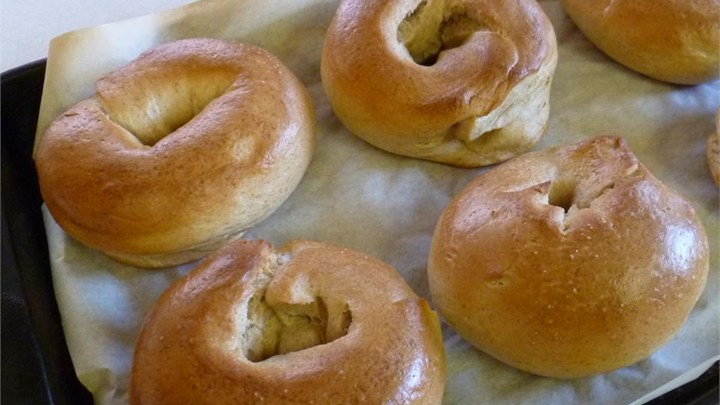
Bolillos and teleras are right up there with tortillas when it comes to daily staples in the Mexican diet. Just as it is hard to find a small village, town, or city without its own tortilleria. it is almost impossible to find one without a panaderia (bakery). A panaderia begins its shifts long before the rooster has had its chance to crow at 3:00 or 4:00 in the morning; the mariachis haven’t even finished their singing for the night. Its main products are bolillos and teleras, both descendants of the French baguette. Few things are as delicious a few minutes after they have been taken out of a smoldering-hot brick oven.

Like baguettes, bolillos and teleras are very crunchy and golden on the outside, but they are different in a few ways. They are rolls rather than long thin breads, ranging from 5 to 6 inches in length, and chubbier, either round or oval. Bolillos and teleras have a thinner crust and more soft bread inside than in baguettes. That bready interior is called migajon. and it is usually removed before assembling tortas {but most people don’t discard it. they munch on it right after they remove it). Cooks also use migajon for bread crumbs or stuffings, or as an ingredient in albondigas- meatballs—or meat loaf.

The difference between bolillos and teleras is just the shape. A telera is a bit flatter and rounder than a bolillo and has two vertical lines running down its top, dividing the
bread into thirds, which helps you cut it into pieces when you attempt to eat it. A bolillo has a fold down the middle and two knots at each end, which are tighter than the ends of a telera. I have found that the roll that I call a bolillo is called a Portuguese bun in many Latin grocery stores in the DC area. To keep your Mexican bread (as the rolls are also called in some stores) fresh, store the rolls well sealed in a paper bag inside a closed plastic bag. If you know you are
not going to eat all of the rolls within a couple of days, freeze them just as you would
bagels.

Bolillos and teleras are used for so many things! They are cut and placed in a
bread basket in restaurants and homes; they are dunked in coffee, hot chocolate, or
atoles (masa based beverages) in the mornings; and. of course, they are used to make
an infinite number of tortas. They are incredibly delicious spread with refried beans
with cheese melted on top {molletes)—and make great bread crumbs and
croutons. Can’t find bolillos or teleras {or Portuguese buns)? You can substitute
French rolls, baguettes cut into shorter lengths, or petite baguettes.

Spicy Avocado Aioli

Spicy Avocado Aioli

1 Avocado
1 T mayo
juice of 1 lime
1/2 tsp. salt
1/4 tsp. sugar
half of jalapeno (with seeds if spiciness is desired)
1/3 C. of milk

Add first 6 ingredients in the food processor and pulse a few times until smooth. Slowly add milk and puree until smooth and has reach the consistency that you want.

Vanilla Orange Sugared Cranberries

Vanilla Orange Sugared Cranberries

Vanilla Orange Scented Cranberries3 ¾ cups sugar, divided
1 ¾ cups water
1 tsp. vanilla extract
2 tsp. orange extract or grand mariner
1- 12 oz. bag of fresh cranberries (about 3 cups)

Combine 2 ½ cups of sugar, water, vanilla, and orange extract in a sauce pan. Heat over medium until the sugar has completely dissolved—but not boiling. Pour in the cranberries and stir. The hot syrup will loosen the skin, saturate the berries and adhere to the berries over time. Cover the cranberries with a small plate to keep them mostly submerged. Then cover the pan and place it in the refrigerator overnight. Place the remaining 1 ¼ cup of sugar in a rimmed dish. Strain the cranberries and place them in the sugar. Shake until they are completely coated. Carefully transfer them to a baking sheet to dry—about an hour. Once the sugar coating is hard, place them in an air-tight container and keep in a cool spot for up to a week!

Herb-roasted beef with roasted fennel, leeks and carrots

Herb-roasted beef with roasted fennel, leeks and carrots

Herb-roasted beef with roasted fennel, leeks and carrots3 sprigs fresh rosemary
4 sprigs fresh thyme
2 cloves garlic
1 T. Dijon mustard
1/4 cup olive oil
1 T. honey
1 tsp. lemon pepper
3 lb New York beef strip roast
4 oz bacon
1 leek
1 fennel bulb
6 carrots

Preheat oven to 350°F. Chop the rosemary and thyme leaves, discarding the stems. Finely chop the garlic. Mix the rosemary, thyme and garlic with the mustard, oil, honey and lemon pepper. Rub the beef with 2 T. of the marinade. Layer the bacon over the beef. Place beef in a roasting pan and fold the bacon under. Halve the leeks and wash thoroughly to remove dirt and grit. Cut into pieces. Trim the stems and fronds off the fennel and cut bulb into quarters. Peel the carrots and cut into large chunks. In a large pot of boiling water, cook the vegetables for 4 min. Drain and mix with the remaining the marinade. Roast beef 40 min. Add vegetables and continue roasting for 20 min., or until an instant read thermometer reaches 135°F. Transfer beef to a cutting board and cover loosely with foil. Let meat rest at least 10 min. before serving with roast vegetables.

Penne with Brussels Sprouts, Chile and Pancetta

Penne with Brussels Sprouts, Chile and Pancetta

Penne with Brussels Sprouts, Chile and PancettaSea salt
8 oz. penne
2 T. extra virgin olive oil, more for drizzling
3 oz. pancetta, diced
1 large rosemary sprig
6 garlic cloves, smashed and peeled
1 jalapeño or Serrano chile, thinly sliced (or substitute 1 large pinch crushed red pepper flakes)
Freshly ground black pepper
8 oz. brussels sprouts, thinly sliced
2 tsp. butter
Fresh lemon juice, for serving

Bring large pot heavily salted water to a boil. Add the penne and cook until pasta is just al dente (do not overcook). Meanwhile, heat large sauté pan over high heat and add the olive oil. When oil is hot, add the pancetta and rosemary, and sauté until the fat on the pancetta starts to turn translucent and very lightly brown, about 1 minute. Add the garlic, chile and freshly ground black pepper to taste, and sauté until garlic and pancetta turn richly brown, about 3 minutes. Add the brussels sprouts, a large pinch of salt and a splash of water to pan, and sauté until sprouts just start to soften, about 2 minutes. Spread sprouts mixture in pan and press down to flatten. Let it sear for a minute, then stir it up and repeat. This helps brown the sprouts. Add the butter, and sauté for another minute. Drain penne and add it to pan with brussels sprouts mixture. Cook, tossing, until everything is well mixed. Spoon into pasta bowls and top with a drizzle of oil and lemon juice, and a little cheese if you like.