Claudia’s Mexican Sauces

Claudia’s Mexican Sauces

claudia saucesCrema de Aguacate Oazaquena (Oaxacan Avocado Cream)

1 lg. Ripe Hass Avocado
½ C. Oazacan Sour Cream or Creme Fraiche
1 T. Lime Juice
Salt

Using a 6-inch (15-cm) knife, carefully slice through the stem end of the avocado until you can feel the pit. Proceed to run your knife down one side following the pit, but don’t press too eagerly. A ripe avocado will be very easy to cut, so don’t exert yourself or you can risk a cut. Continue cutting all the way around the pit until you reach the original cut. Set your knife down, hold each side of the avocado in your hands, and twist in opposite directions. Carefully remove the pit of the avocado either with a spoon or fork. (If your avocado isn’t ripe enough, this may prove difficult; if so, stab your knife into the pit and twist in order to remove it. If you are unable to remove the pit, use another avocado, as this avocado is not ripe and will taste too earthy.) Run a large spoon along the inside of the skin of the avocado to remove the flesh from the skin. Don’t worry how perfectly the avocado comes out, as you are going to be pureeing it anyway! In a small blender or food processor (a mini food processor works well), combine the avocado flesh, sour cream, and lime juice, and blend until smooth. If your avocado is not ripe enough or the sour cream is too thick, add a tablespoon or so of water to get things moving in the machine, but make sure to keep the consistency thick and mousse-like. Remove from the blender and season with salt. Fit a piping bag with a small circular tip and add the avocado cream to the bag or spoon the cream into a squeeze bottle. To plate with tamales or tacos, place your point close to the plate, squeeze out a little cream, and lift the tip straight up. This will make your dollop look like the perfect kiss! Because avocados are finicky and will turn brown and dull, this creme will not keep longer than 4 hours, even when stored in an airtight container. So put it on everything and be generous with it!

Oaxacan sour cream is denser than typical sour cream and is salted and textured much
like a creme fraiche. If you cannot find it, use creme fraiche or, in a pinch, regular sour cream and a bit more salt to achieve a similar balance of flavor. Err on the side of thicker (but not chunky) than thinner for your avocado cream, because if it is too thin, you will have a dripping mess that cannot be piped.

Chipotle Crema (Chipotle Cream Sauce)

1 tablespoon canola oil
1/2 medium white onion, minced
2 garlic cloves, minced
1 teaspoon dried Mexican oregano
1 small tomato, chopped
1 cup (240 ml) heavy cream
1 to 2 canned chipotle chiles in adobo sauce
Salt

Heat the oil in a medium sautepan over medium heat. Add the onion and cook for 30 seconds, or until fragrant. Add the garlic and oregano and cook for an additional 30 seconds, or until the garlic starts to soften. Add the tomato and saute until softened, about 2 minutes. Reduce the heat to low, carefully pour in the cream, and bring to a simmer. Immediately remove from the heat. A little bit goes a long way with smoky chipotle chiles, so if you have never worked with them, start with one, and then add another if you want to turn up the heat. Place the chile in a blender, carefully pour in the hot cream mixture, and blend on medium speed for about 1 minute, until smooth and bright orange in color. Taste for salt and season accordingly; if the sauce is not spicy enough for you, add an additional chile and blend again until smooth. This is a dairy-based cream sauce that will keep a maximum of 3 to 4 days in the fridge, so use it quickly.

Salsa de Chile Tatemado (Roasted Red Pepper Sauce)

2 medium Roma tomatoes
1 jalapeno chile
1 pound (455 g) fresh piquillo peppers, roasted, or 1 (14-ounce/400-g) can roasted piquillo peppers, drained
4 garlic cloves, peeled
1 small yellow onion, quartered
½ cup (120 ml) beef stock or veal demi-glace, plus more if needed
4 sprigs fresh thyme, tied with kitchen string
Salt and freshly ground black pepper
Cayenne pepper (optional)

Heat a skillet or comal (tortilla griddle) over medium-low heat. Place the tomatoes and jalapeno on the skillet and heat until the tomatoes are almost completely darkened on all sides, softened, and releasing their juices and the jalapeno is fragrant and blistered. Remove the stem and cut the jalapeno in half. Remove the seeds using a spoon if you’d like your sauce on the milder side. In a blender, combine the tomatoes, jalapeno, piquillo peppers, garlic, onion, and stock, and blend until smooth. Pour the mixture into a medium saucepan. Add the thyme and season with salt and pepper. Place over low heat and bring to a simmer, adding a little more stock if it’s too thick. Once it simmers, remove the thyme, taste for heat, and add a little cayenne if needed. The sauce will keep in an airtight container in the refrigerator for 5 to 7 days. Bring it to a boil before serving.

Aceite de Cilantro (Cilantro Oil)

2 large bunches fresh cilantro
1 1/4 cups (300 ml) canola oil
Salt

Start by cutting 1 inch (2.5 cm) from the thick ends of the cilantro stems. Chop the leaves and tender stems (stop about 1 inch/2.5 cm from the bottom of the cut stems) until you have 2 packed cups (80 g). Save any remaining cilantro for another recipe. Place the cilantro in the blender with ¼ cup (60 ml) of the oil. Blend on low speed, slowly drizzling in the remaining oil through the hole in the top of the blender. Do not overblend or blend on high speed, as this can cook the cilantro and turn it a dark green or brown color. Season with salt and pulse until incorporated. Line a fine-mesh sieve or chinois with a double layer of cheesecloth. Pour the blended oil into the sieve and, using a large rubber spatula, push the oil mixture through the sieve into a large bowl, pressing on it with the spatula to get out all the flavored oil. Discard the cilantro pulp. Using a funnel, pour into a squeeze bottle for ease of plating. It will keep, refrigerated, up to 5 days.

Navy Bean & Spam Stew

Navy Bean & Spam Stew

2 T. butter
1 clove garlic
1 C. green bell pepper diced
1/2 C. chopped yellow onion
1/2 C. chopped celery
2 C. potatoes peeled and diced
12 oz. can Spam cubed
1 can navy beans flavored with slab bacon
16 oz. canned tomato sauce
1/2 tsp. dried basil leaves
1 tsp. seasoned pepper
1 tsp. Worcestershire sauce
1/2 tsp. hot pepper sauce
1/2 C. water

In a large pot melt butter over low heat. Add cubed Spam and heat to low stirring a few minutes.
Add garlic, bell pepper, onion and celery then sauté until tender but do not brown. Add remaining ingredients then slowly bring to boil and cover then turn down heat. Simmer until potatoes are tender.

Aunties Mexican Chicken Tacos

Aunties Mexican Chicken Tacos

Aunties Mexican Chicken Tacos


1 ½ to 2 pounds split chicken breasts bone-in, skin-on

3 tablespoon coarse salt

Coarsely ground black pepper

½ cup Mexican oregano

8 corn or flour tortillas store-bought or homemade, warmed

Pico de gallo

1 avocado pitted, peeled, and sliced

Sour cream


Preheat the oved to 350F and lightly coat a rimmed baking sheet with cooking spray. Wash the chicken pieces and pat them dry so that the seasoning can adhere. Put the chicken on the prepared baking sheet. Do not remove the skin or bones from the chicken. Generously salt and pepper the chicken pieces on both sides. Then, generously sprinkle the Mexican oregano all over the chicken. Bake for 35 to 45 minutes, until the chicken’s internal temperature reaches 165F. Remove from the oven and allow the chicken to rest for 5 minutes. Remove the skin and bones and shred the meat with two forks or by pulling apart with your hands. To assemble the tacos, put some chicken on each tortilla and top with pico de gallo, avocado and sour cream.

Carne de Cerdo en Salsa Verde (Pork in Green Chile Sauce)

Carne de Cerdo en Salsa Verde (Pork in Green Chile Sauce)

Carne de Cerdo en Salsa Verde (Pork in Green Chile Sauce)Salsa verde (Green sauce)
1 pound tomatillos (known in Mexico as tomate verde), husks removed
4 or 5 whole chiles serrano, depending on your tolerance for picante (spiciness)
1/2 medium white onion, coarsely chopped
1 clove garlic (optional)
1 medium bunch fresh cilantro, largest stems removed
Sea salt to taste
1 kilo (2.2 pounds) very lean fresh pork butt, cut into 2″ cubes
White flour
Salt
Oil or lard sufficient for frying the pork

In a large pot of water over high heat, bring the tomatillos and chiles (and garlic, if you choose to use it) to a full rolling boil. Boil just until the tomatillos begin to crack; watch them closely or they will disintegrate in the water. Let the tomatillos and chiles (and garlic, if you like) boil until the tomatillos begin to crack. Using a slotted spoon, scoop the cooked tomatillos, salt, and chiles into your blender jar. There’s no need to add liquid at first, but reserve the liquid in which the vegetables boiled until you see the thickness of your sauce. You might want to thin it slightly and the cooking liquid will not dilute the flavor. Set the vegetables aside to cool for about half an hour. Once they are cool, cover the blender, hold the blender cap on, and blend all the vegetables, including the chopped onion, until you have a smooth sauce. Be careful to allow the tomatillos and chiles to cool before you blend them; blending them while they are fresh from the boiling water could easily cause you to burn yourself, the hot mixture tends to react like molten lava in the blender. (Note: don’t ask me how I know this.) In the blender, the boiled and cooled tomatillos and chiles. The cilantro goes in last. While the blender is running, remove the center of its cap and, little by little, push the cilantro into the whizzing sauce. Blend just until smooth; you should still see big flecks of dark green cilantro in the lighter green sauce. Test the salt and correct if necessary. Reserve the sauce for later use.
Pat the 2″ pork cubes as dry as possible with paper towels. Put about 1/4 cup flour in a plastic grocery-size bag. Add 1/2 tsp salt. Melt the lard over high heat in a large heavy oven-proof casserole. While the lard is melting, shake about 1/4 of the cubed pork in the salted flour. When the oil or lard begins to smoke, add the floured pork cubes, being careful not to dump the flour into the pan. Cover the pan. As the pork cubes brown, shake another 1/4 of the pork cubes in flour and salt. Turn the pork cubes until all sides are golden brown. Remove browned cubes to a bowl and reserve. Add more floured pork to the hot lard. You may need more oil or lard as well as more salted flour. Repeat until all pork cubes are well browned. Reserve the browned pork in the same pan, scraping the crispy bits from the bottom. Most Mexican housewives do not flour and brown the pork cubes prior to cooking them in the sauce. I like to prepare the dish this way because the browned flour adds a deeper flavor to the finished sauce. Everyone taste is different, though, and you are of course welcome to tweak the recipe till the finished product is just the way you like it. Add the sauce to the pork cubes in the casserole, making sure that all the cubes are immersed in sauce. Cover and put the casserole into the oven, reducing the heat to 160°C or 325°F. Bake for two hours. Add cooking liquid from the vegetables if necessary to keep the sauce relatively thick but not sticking to the casserole. The pork will be fork-tender and the green sauce will take on a rich, deep, pork-y flavor and color. Serve with arroz blanco (steamed white rice) or arroz a la mexicana (red rice), refried beans, a colorful, contrasting vegetable, and fresh, hot tortillas. Mexico Cooks!’ money-back guarantee: everyone will come back for seconds.

Baked Beans (in Tomato Sauce)

Baked Beans (in Tomato Sauce)

Processing: Pressure Canner 65mins (pints), 75mins (quarts)
Yield: 36 C.

Baked beans are one of the most popular pressure canned food you can make easily at home – and cheap to can in bulk, too! Only use small amounts? Can in half-pint jars. Sunday breakfasts or for atop potatoes, or as a snack with some toast? Pressure can in pints. You can also pressure can in quarts for a family meal ready to heat and eat in minutes. Baked beans are easy, cheap, delicious AND versatile – make your own flavor using different beans and spices!

4 lb. dried haricot beans – or other dried bean (or a mix)
water
16 C. tomato juice
4 C. finely diced onion
6 T. kosher salt (or pickling/canning salt)
2/3 C. raw sugar
dried spices/garlic (optional)

Boil beans 2mins, soak for 1 hour. Weigh dried beans amongst two large pots. Cover with water by 2 inches (5cm). Bring to a boil and boil for 2 minutes. Then turn the heat off, cover and leave for 1 hour. Then drain well. FACT: draining the water several times during cooking helps to remove the complex sugars from the beans, which create gas in your intestine. Boil beans 5mins, soak 15mins. Return soaked beans to pots, cover with fresh water by 2 inches (5cm). Bring to a boil and boil for 5 minutes. Then turn the heat off, cover pots and leave for 15 minutes. Then drain well.

Prepare jars. Prepare jars by covering in water and boiling for 10 minutes.

Make tomato sauce. Combine the tomato juice, onion, salt and sugar in a pan. Bring to a boil.

Prepare lids. While you are making the sauce, place the lids into a bowl of boiled water. Do not simmer or boil, just let the lids heat through for 5 minutes while you fill the jars, removing the lids from the water when you are ready to place them onto the jars so they stay hot.

Ladle hot beans into hot jars. Spoon the hot soaked beans (no water) into your hot jars: fill jars 2/3 full with the beans. Ladle the hot tomato sauce over the beans, filling to 1 inch headspace (the headspace is the distance from the jar rim to the sauce level). Remove bubbles using a non-metal utensil (ie chopsticks) and top up with extra sauce to the 1 inch headspace if required. Wipe rims clean with paper towel and add warmed lids and screw on bands to fingertip tight.

Pressure canner processing. Your pressure canner needs 2 inches (5cm) of pre-boiled water in the bottom (and a jar rack inside the base) before adding the hot jars. Once you have one layer of jars in the canner, add a second jar rack and add the second layer of jars onto the second rack. Put the lid onto the canner and turn onto high heat. Once the white steam is present (constant stream), vent for 10 minutes before adding the weight and bring up to pressure (10lbs weighted, 11lbs dial gauge). Adjust pressure level according to your altitude if required. Once pressure is reached, start your timer for 65mins (pints) or 75mins (quarts). Once the time is up, turn the heat off and allow pressure to return to zero. Then remove the weight and wait another 5 minutes before removing the lid and cooling jars overnight on a towel-covered bench.

Next day check for seals. Check jars have sealed before labelling and storing in a cool, dry and dark place for up to 12 months.

Chorizo and Butternut Squash Tacos

Chorizo and Butternut Squash Tacos

Chorizo and Butternut Squash Tacos


12 ounces chorizo sausage

½ cup onion chopped

1 pound squash cut into small cubes

1 teaspoon garlic powder

1 teaspoon cumin

2 cups kale. stems removed

½ lime juiced

Salt and freshly ground black pepper to taste

8 corn tortillas store-bought or homemade. warmed

¼ cup crumbled goat cheese

¼ cup chopped cilantro


Remove the chorizo from its casings and cook in a large skillet over medium heat for about 4 minutes. Use a slotted spoon to transfer the chorizo to a plate; leave the drippings in the pan. Add the onion to the skillet and cook, stirring often, for about 3 minutes, until golden and soft. Add the squash, garlic powder, and cumin and continue to cook for 5 to 7 minutes, until the squash is soft. Add the kale and cook until wilted, about 2 minutes. Add the cooked chorizo back into the pan and stir to combine. Remove the pan from the heat, and the lime juice, and season with salt and pepper. To assemble the tacos, place a layer of chorizo and squash mixture on each tortilla, top with some crumbled goat cheese, and sprinkle with cilantro.

Sopapillas

Sopapillas

Sopapillas4 cups all-purpose flour
2 teaspoons baking powder
1 teaspoon salt
4 tablespoons butter
1 1/2 cups warm water

You have to serve them hot. And you HAVE to eat all of them at that meal. When you drop them in the fryer be sure not to crowd them and only do about 2 or 3 at a time depending on the size. As soon as the float to the top start spooning the hot oil over them to make them puff even more. Turn them once and take them out of the oil when they are golden. Stir together the flour, baking powder, salt and shortening until it is crumbly. Stir in water and mix until the dough is smooth. Cover and let stand for 20 minutes for the gluten to relax. Meanwhile heat the oil in a deep fryer to 375 degrees. Roll out on floured board 1/8 thick. Cut into large-ish squares. Fry until golden brown on both sides. Drain. Dust with confectioner’s sugar or granulated sugar and serve hot with honey to pour in the hollow centers.

Padron Pepper and Goat Cheese Tacos with Smoked Salt and Cilantro Lime Crema

Padron Pepper and Goat Cheese Tacos with Smoked Salt and Cilantro Lime Crema

Look for padron peppers at farmer’s markets or fancy foodie stores throughout the late summer. If you’re sensitive to spice, fry up a batch on their own first to test them out. Peppers from the same farm tend to have the same ratio of hot to mild peppers. If you get a hot one, you can spit it out; but if it’s in your taco, you’ll be stuck eating it.

Have all your other ingredients ready before frying the peppers so that they stay warm; they only take a few minutes to cook. For the tomatoes, I like to use one dry-farmed red, and one heirloom yellow; you may not need to use all the tomatoes. Be sure to drink the delicious juice they let off. It pays to seek out good corn tortillas.

2 small tomatoes
salt, as needed
1/3 C. sour cream
2-3 T. finely chopped cilantro, plus a few leaves for garnish
juice of half a lime
1 T. olive oil
1 pint basket padron peppers
a few pinches of smoked sea salt
4 (6-inch) corn tortillas (or a corn/wheat blend)
2 ounces fresh goat cheese, crumbled (about 1/2 C.)
1 medium-sized ripe avocado, halved, pitted, and sliced
several paper-thin slivers from a red onion
lime wedges

Dice the tomatoes, sprinkle with a pinch of salt, and let drain in a sieve while you get on with the recipe. In a small bowl, stir together the sour cream, cilantro, lime juice, and a big pinch of salt. Taste, adding more lime or salt if you like. Set aside, or cover and chill for up to a day or two. Use a pair of scissors to cut the stems off the peppers (their crowns are edible). Rinse the peppers and drain them well. Heat 1 T. olive oil in a 10″ cast iron skillet set over a medium flame until it shimmers. Add the peppers and cook, tossing occasionally, until blistered all over and blackened in places, about 5 minutes. They will pop and spit; lower the temperature if things are getting too crazy. Sprinkle with a few pinches of the smoked salt.
In another skillet, warm the tortillas on both sides until soft and pliable. Place the tortillas on a couple of plates, and build the tacos. I like the following order:

goat cheese
avocado slices
diced tomato
sliced onion
cilantro lime crema
padron peppers

Top with a sprinkle of smoked salt and a few cilantro leaves. Serve immediately, with lime wedges for squeezing over the tops.

Roasted Turkey with Avocado, Bacon, Onion Marmalade and Mayonnaise Sandwich

Roasted Turkey with Avocado, Bacon, Onion Marmalade and Mayonnaise Sandwich

Roasted Turkey with Avocado, Bacon, Onion Marmalade and Mayonnaise Sandwich


6 fresh sage leaves

3.5 LB boneless turkey breast

2 T. unsalted butter, softened

kosher salt

black pepper

12 slices bacon

4 ciabatta rolls

0.5 C balsamic onion marmalade

1 ripe avocado, halved, pitted, peeled, and

sliced

4 T. mayonnaise


Preheat the oven to 350°F. Slide the sage leaves under the skin of the turkey breast and place the turkey on a sheet pan. Rub the skin with the butter and season generously with salt and pepper. Roast the turkey for 1 to 1 1/2 hours, until it reaches an internal temperature of 165°F. Baste the meat with its juices throughout. (Keep in mind that the meat will continue to cook even after it’s removed from the oven, so be careful not to cook it too long.) Allow the meat to rest before slicing, or cool completely. 3 In a heavy skillet over medium-high heat, cook the bacon until golden brown and crisp on both sides. Transfer to paper towels to drain. Slice the ciabatta rolls in half. Place the turkey slices on the bottom halves and top with the marmalade. Place the bottom and top halves of the rolls in the 350°F oven and remove once the marmalade is heated through and the bread is toasted. Top the marmalade with the bacon, followed by the avocado. Evenly spread the mayonnaise on the top halves of the rolls. Close the sandwiches, cut into halves, and serve.

Carne Asada

Carne Asada

3/4 cup orange juice
1/2 cup lemon juice
1/3 cup lime juice
4 cloves garlic, minced
1/2 cup soy sauce
1 teaspoon finely chopped canned chipotle pepper
1 tablespoon chili powder
1 tablespoon ground cumin
1 tablespoon paprika
1 teaspoon dried oregano
1 tablespoon black pepper
1 bunch fresh cilantro, chopped
1/2 cup olive oil

3 pounds flank steak

Combine Citrus juices in a large glass or ceramic bowl along with the garlic, soy sauce, chipotle pepper, chili power, ground cumin, paprika, dried oregano, black pepper, and cilantro. Slowly whisk in the olive oil until marinade is well combined. Remove one cup of the marinade and place in a small bowl, cover with plastic wrap and refrigerate for use after the meat is cooked. Place the flank steak between two sheets of heavy plastic (resealable
freezer bags work well) on a solid, level surface. Firmly pound the steak with the smooth side of a meat mallet to a thickness of 1/4 inch. After pounding, poke steak all over with a fork. Add the meat to the marinade in the large bowl, cover, and allow’ to marinate in the refrigerator for 24 hours. Preheat an outdoor grill for medium-high heat, and lightly oil the grate. Remove the steak from the marinade and grill to desired doneness, about 5 minutes per side for medium rare. Discard used marinade. Remove meat from heat and slice across the grain. Pour the one cup of reserved, unused marinade over the hot meat and serve immediately.

Spam Corn Pudding

Spam Corn Pudding

1 12 oz. can of Spam, cubed.
1/2 C. green bell peppers, chopped
1/4 C. chopped onion
2 tsp. butter
6 eggs
2 C. milk
1 T. flour
2 tsp. sugar
salt
pepper
2 pkg. (10oz.) frozen corn

Heat oven to 300. In Large skillet, sauté spam, pepper and onion in butter. In large bowl; beat eggs.  Stir in milk, flour, sugar and black pepper. Add spam mixture and corn. Pour into greased 12×8 inch baking dish. Bake 1 hour and ten minutes until or until set.

Smoked Salmon with Avocado, Green Mango and Basil Sandwich

Smoked Salmon with Avocado, Green Mango and Basil Sandwich

Smoked Salmon with Avocado, Green Mango and Basil Sandwich


1 small unripe mango, peeled and julienned

Juice from 1/2 lime

Kosher salt

8 thin slices pullman white bread, or other firm-texture bread with a soft crust

1 ripe avocado, halved, pitted, peeled and sliced

Drizzle of extra-virgin olive oil

Freshly ground black pepper

8 ounces smoked salmon, thinly sliced

12 to 16 basil leaves


In a bowl, lightly toss the mango in the lime juice and season with salt. Lightly toast the bread. Place the avocado on 4 slices of the bread and gently mash and spread with a fork. Drizzle the avocado with the oil and season with pepper. Top with the mango, smoked salmon and basil. Add the top slices, cut the sandwiches into halves or quarters, and serve. Makes 4 sandwiches.

No-Bake Chewy Granola Bars

No-Bake Chewy Granola Bars

2 C. quick cooking oats (or pulse whole oats in a food processor a bit)
1 C. rice crispy cereal
1/4 C. shredded coconut
1/4 C. butter
1/4 C. honey or agave
1/2 C. brown sugar
1/2 tsp. salt
1/2 tsp. vanilla

In a large mixing bowl, mix together the oats, cereal and coconut. Set a small saucepan over medium high heat and melt the butter. Add the honey, brown sugar and salt. Stir together then leave it alone as it comes to a boil. Once the boil has reached all the way around the edges of the pan, begin timing. Allow this mixture to boil for 2 minutes and 15 seconds. During this time, you may need to turn the heat down a bit so it doesn’t overflow, but be sure it keeps boiling. Add the vanilla then pour the mixture over the oats, using a rubber spatula to get all the sugar mixture out of the pan. Mix the ingredients together until the oats are completely coated. Add in your desired mix-in then press very firmly into a lightly greased 9×13″ pan. If you like your bars thicker, you can use a smaller pan or double the recipe and use the same 9×13 pan. If you do not press firmly enough, the bars will fall apart when you eat them. Place them in the fridge for 20 minutes then cut to size.

Chocolate Chip: Add 1/2 C. of mini chocolate chips to the finished mixture before pressing into the pan, allowing it cool just a bit or you will end up with melted chips. Sprinkle on a few extra chips over the top after they are pressed into the pan.

White Chocolate Cranberry: Add 1/3 C. of white chocolate chips and 1/3 C. of Craisins to the finished mixture before pressing into the pan, allowing it to cool just a bit first or you will end up with melted chips.

Candy Bar: Add 1/3 C. of Heath bar pieces, 1/3 C. of mini M&M’s and 1/3 C. of chopped pretzels to the finished mixture before pressing into the pan.

Peanut Butter: Add 2 T. peanut butter to the finished sugar mixture before pouring it over the oats. Once mixed with the oats, add 1/2 C. peanut butter chips before pressing into the pan.

Raisin Nut: Add 1/3 C. of chopped raisins and 1/3 C. of chopped pecans to the finished mixture before pressing into the pan.

Chintextle (Pumpkin Seed And Pasilla De Oaxaca Paste)

Chintextle (Pumpkin Seed And Pasilla De Oaxaca Paste)

Mexicans can tell that this is not something you often find in cities. Instead, it’s what men who toil on farms buy in local street markets or get from their wives before they head to work, because it keeps well even in the high heat of the afternoon. When they need a snack, they break out tostadas (crunchy corn tortillas) and spread on chintextle, the potent paste turning even that simple snack into a real treat.

Chintextle (Pumpkin Seed And Pasilla De Oaxaca Paste)1 1/2 ounces pasilla de Oaxaca chiles (9), wiped clean and stemmed
4 ounces hulled raw (green) pumpkin seeds (¾ cup)
5 large garlic cloves, peeled
2 tablespoons rice vinegar
2 tablespoons distilled white vinegar, or more to taste
1/2 teaspoon fine salt, or 1 teaspoon kosher salt
1 to 2 tablespoons mild olive oil or vegetable oil, if necessary

Heat a comal, griddle, or heavy skillet over medium-low heat, and toast the chiles a few at a time, turning them over and pressing them down with tongs frequently, until they become a lighter shade of brown and develop some blisters, about 2 minutes per batch. Set them aside to cool. Heat a skillet over medium heat and toast the pumpkin seeds, stirring and tossing constantly, until they’re puffed and just slightly browned, 5 to 8 minutes. Transfer them to a plate to cool. Put the chiles, pumpkin seeds, and garlic in the food processor (there’s not enough liquid to use the blender here) and process to form a paste, scraping the sides often. Add the vinegars and process again. Season to taste with the distilled vinegar and salt, and process again to blend. If necessary, add oil, a little at a time, to help blend the mixture into a very smooth paste. Processing will take at least 3 minutes total. Before you serve it, refrigerate the chintextle in an airtight container for one day to allow the flavors to develop.

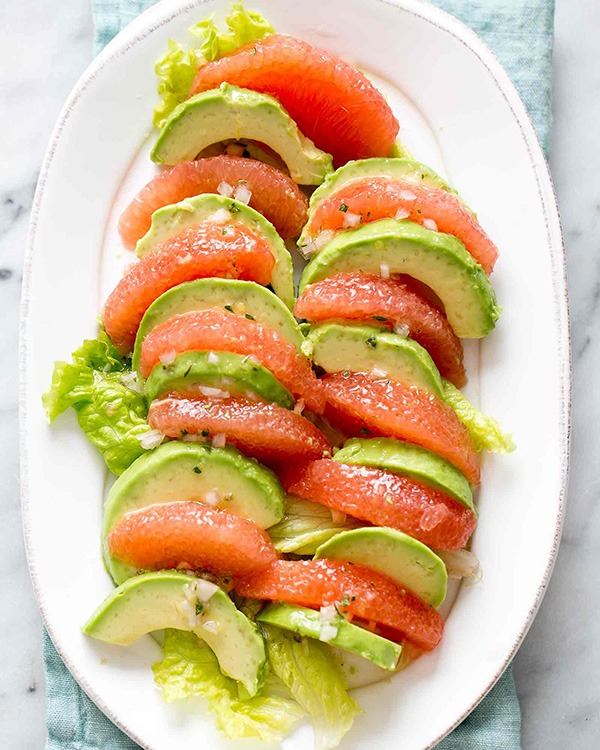
Schaner Farm’s Avocado and Citrus Salad with Green Olives

Schaner Farm’s Avocado and Citrus Salad with Green Olives

4 lbs. mixed citrus fruit (about 1/2 C. citrus fruit segments per person)
2 T. finely diced shallot
1 tsp. red wine vinegar
1 T. lemon juice
1/4 C. extra-virgin olive oil
2 ripe but not too soft avocados
1/2 C. pitted Lucqes, Picholine, or other green olives
1 bunch watercress, cleaned, tough stems removed
1 bunch frisee (about 2 oz), cleaned
Kosher salt and freshly ground black pepper

Zest some of the citrus to get 1 tsp. fine zest. Using a sharp knife, cut the stem and blossom ends from the fruit. One by one, place each of the fruits, cut side down, on a cutting board. Following the contour of the fruit with your knife, remove the peel and cottony white pith, working from top to bottom, and rotating the fruit as you go. When the fruits are all peeled, hold them in your hand one by one, and carefully slice between the membranes and the fruit to release the segments in between. Discard all the seeds. If you’re using blood oranges, don’t cut them into segments; after removing the peel and pith, slice them into pinwheels and set aside in a separate bowl. (Otherwise, they will “bleed” on the other fruit.) You should have about 2 1/2 C. segments in addition to your blood-orange slices. Combine the shallot, 1/4 C. citrus juice (from segmenting the fruit), the vinegar, lemon juice, and 1/2 tsp. salt in a small bowl. Let sit 5 minutes, then whisk in the olive oil and the zest. Taste for balance and seasoning. Cut the avocados in half lengthwise. Remove the pits and peel. Cut the avocados into 1/4 inch slices and place on a plate. Season with 1/2 tsp. salt and freshly ground pepper. Place the citrus and olives in a large bowl, and spoon three quarters of the vinaigrette over them. Sprinkle with 1/4 tsp. salt. Gently toss in the watercress and frisee. Taste for balance and seasoning. Add more vinaigrette if you like. Plate half the salad on a large chilled platter. Nestle half the avocado slices in the salad, being careful not to flatten the greens. Arrange the rest of the salad on top, and tuck the remaining avocado slices into the salad, so you have a tapestry of colors. Place the blood-orange slices among the greens.

Boucheron with Grapefruit and Crispy Olives Sandwich

Boucheron with Grapefruit and Crispy Olives Sandwich

Boucheron with Grapefruit and Crispy Olives Sandwich


1 teaspoon olive oil

1/3 cup pitted Nicoise olives

1/4 pound slice of Boucheron goat cheese

1 large grapefruit

8 round slices from a french baguette

1 sprig fresh thyme


Preheat oven to 350 degrees. Toss the olives with the olive oil in an oven-safe skillet or casserole pan. Roast in the oven for about 25-30 minutes, until crispy. Turn your exhaust fan on here, it might be a little smoky. While the olives are roasting, take the cheese out of the fridge and let it come up to room temperature. Cut the grapefruit into supremes. (Cut off the top and bottom. Sit the grapefruit with one of the cut ends on the counter or cutting board. One section at a time, start at the top of the fruit and cut down the side removing the peel and white pith. Do this one section at a time, rotating around the fruit until you’ve removed all the white and peel. Now pick up the grapefruit and hold it in your hand. Carefully, use the knife in the other hand to remove the sections of fruit from the membrane, cutting at an angle. If you’d like to see a demonstration of how to make supremes, check out Ming Tsai’s tutorial here. It’s a lot easier after you’ve seen someone do it.) Remove any seeds from your grapefruit sections and set them aside in a bowl. When the olives are crispy, remove them from the oven and set aside to cool. Once they’ve cooled, put them on a cutting board and crush them lightly with the back of your knife. You just want to smoosh them a little.  Spread your bread slices on a baking sheet and toast lightly. When you’re ready to assemble, spread the softened cheese on your bread. Top with a grapefruit section and a few crispy olives. Sprinkle with a few thyme leaves. Serve immediately. Makes 8 little open-faced sandwiches.

Polvorones de Canele (Mexican Cinnamon Cookies)

Polvorones de Canele (Mexican Cinnamon Cookies)

Polvorones de Canele (Mexican Cinnamon Cookies)1 cup butter
½ cup confectioners’ sugar (powdered sugar)
½ teaspoon ground cinnamon
¼ teaspoon salt
1 teaspoon vanilla extract
1½ cups bread flour
Coating
1 cup confectioners’ sugar
1 teaspoon ground cinnamon

Preheat oven to 350° F. Cream together confectioners’ sugar and butter. Stir in the vanilla. Combine flour, salt, and cinnamon in a separate bowl. Mix into the butter/sugar mixture to form a stiff dough. In a third bowl, combine sugar and cinnamon. Shape dough into 1 inch balls and roll in cinnamon mixture. Bake for 15 to 20 minutes, until lightly browned. Cool cookies on wire racks.

BBQ Spam

BBQ Spam

1 can Spam
cracked black pepper
2 T. flour
1 T. olive oil
2 T. butter
1/2 C. good quality bbq sauce
green onions, sliced

Slice spam into 1/2 inch slices. Dust with flour and black pepper. Heat oil and butter in skillet. Add spam and cook a minute on each side. Stir in bbq sauce and lower heat to a low simmer. Cover and cook for 3 to 5 minutes. Sprinkle with green onions and serve. Operation blessing served little potatoes with this and a slice of bread but I recommend hot buttered egg noodles and garlic toast!

Huevo Verde

Huevo Verde

Huevo Verde


2 large Eggs

1 tablespoon Olive Oil

40 grams Onion, sliced

1 Green Jalapeño Chili, sliced

Salt to taste


3 Corn Tortillas

20 grams Feta Cheese

Avocado Slices (optional)


Heat the oil in a small non-stick pan at medium high heat. Add the sliced jalapeño chili and the onions and cook for one minute or until the onion starts getting translucent. Don’t overcook them, we want both chilies and onions with a bit of a bite in them still! Crack the eggs over the onion and chili and let the white cook a little before you break the yolk and scramble them. I like my scrambled eggs ‘tender’ as my mother would call them, that is fully cooked white and slightly soft-cooked yolk. Cook for a couple of minutes stirring with a spoon when necessary, until the eggs are cooked to your liking. Season with salt and remove from the heat. I always start heating tortillas while the eggs are cooking, saves time and it means the eggs are not left sitting and overcooking. So take a warm corn tortilla and add a generous spoonful of the eggs. Crumbled a bit of feta cheese on top and add a slice of avocado if you want to cool off a bit of the heat from the chili.

Cherry Limeade Jam

Cherry Limeade Jam

Cherry Limeade Jam


2 pounds (about 6 cups) pitted sweet cherries

1 ½ cups sugar

¼ cup fresh lime juice

2 tablespoons freshly grated lime zest


Put the cherries, sugar, and lime juice in your preserving pot; stir together. Allow the mixture to sit at room temperature until about ¼ inch of juice forms on the bottom of the pot. Once there’s a good layer of juice in the bottom of the pot, return to high heat and bring the mixture to a boil that cannot be stirred down. As soon as the mixture comes to a full rolling boil, remove from heat and carefully use an immersion blender to blend the mixture until very smooth. Return the mixture to a boil over high heat, cook for 3 minutes, then add the lime zest. Continue cooking the jam on high heat, stirring frequently until the mixture no longer weeps when a dollop is placed on a plate. This will happen quite quickly, likely in about 7 minutes. Ladle into prepared half-pint jars, leaving ¼ -inch headspace. Remove air bubbles and wipe rims. Place the lids on the jars and clip on the clips. Process in a water-bath canner for 10 minutes, adjusting for altitude as needed. After 24 hours, check the seals. Label, date, and store out of direct sunlight without the bands for up to a year.

French Cherry Tomato Tart with Dijon Mustard & Chevre

French Cherry Tomato Tart with Dijon Mustard & Chevre

French Cherry Tomato Tart with Dijon Mustard & Chevre

Yields one 9- or 10-inch tart


One unbaked tart dough, placed on the tart pan (see recipe, below)

Dijon or whole-grain mustard, to taste

8 ounces goat cheese, sliced into 1-ounce rounds

2 pints of cherry tomatoes (or 2-3 large tomatoes, sliced)

1/4 cup olives, pitted (optional)

2 tablespoons olive oil

salt and freshly ground pepper, to taste

2 tablespoons chopped fresh thyme or your favorite herbs


Heat oven to 400 degrees F.  Spread an even layer of mustard on the bottom of the tart dough.  Place 4 rounds of goat cheese on top of the mustard.  Arrange tomatoes (and olives, if using) on top of the cheese. Place remaining 4 rounds of cheese on top of the tomatoes.  Drizzle olive oil over the tomatoes, season with salt and ground pepper, and sprinkle chopped thyme.*  Bake the tart for 30 to 40 minutes, until the dough is cooked and the cheese is nicely browned.


*Note: I usually add chopped herbs after about 20 minutes of baking time so that they don’t burn.  For this recipe, I added some additional chopped thyme to the dough for extra flavor.


Tart Dough

Yields dough for one 9- or 10-inch tart


1 1/2 cups flour

1/2 teaspoon salt

freshly ground black pepper, to taste

1 generous tablespoon chopped thyme (optional)

4 1/2 ounces unsalted butter, chilled, cut into cubes

1 large egg

2-3 tablespoons ice cold water


Mix the flour, salt, pepper, and chopped thyme in a medium-sized bowl. Add the butter and using your hands, pastry blender, or two forks, cut the butter into the flour/thyme mixture until it resembles a crumbly, cornmeal-like consistency.  Mix the egg with 2 tablespoons of the water. Make a well in the center of the flour mixture and add the beaten egg, stirring gently until the dough holds together. Add the additional tablespoon of ice water, if needed.  Gather the dough into a ball and roll the dough on a lightly floured surface, adding only the minimum amount of flour to keep the dough from sticking to the counter. Roll the dough around the rolling pin and then unroll it over the tart pan with a removable bottom. “Dock” the dough by pressing the tart dough firmly with your fingertips to make a few indentations. Be careful not to press too hard to tear the dough.

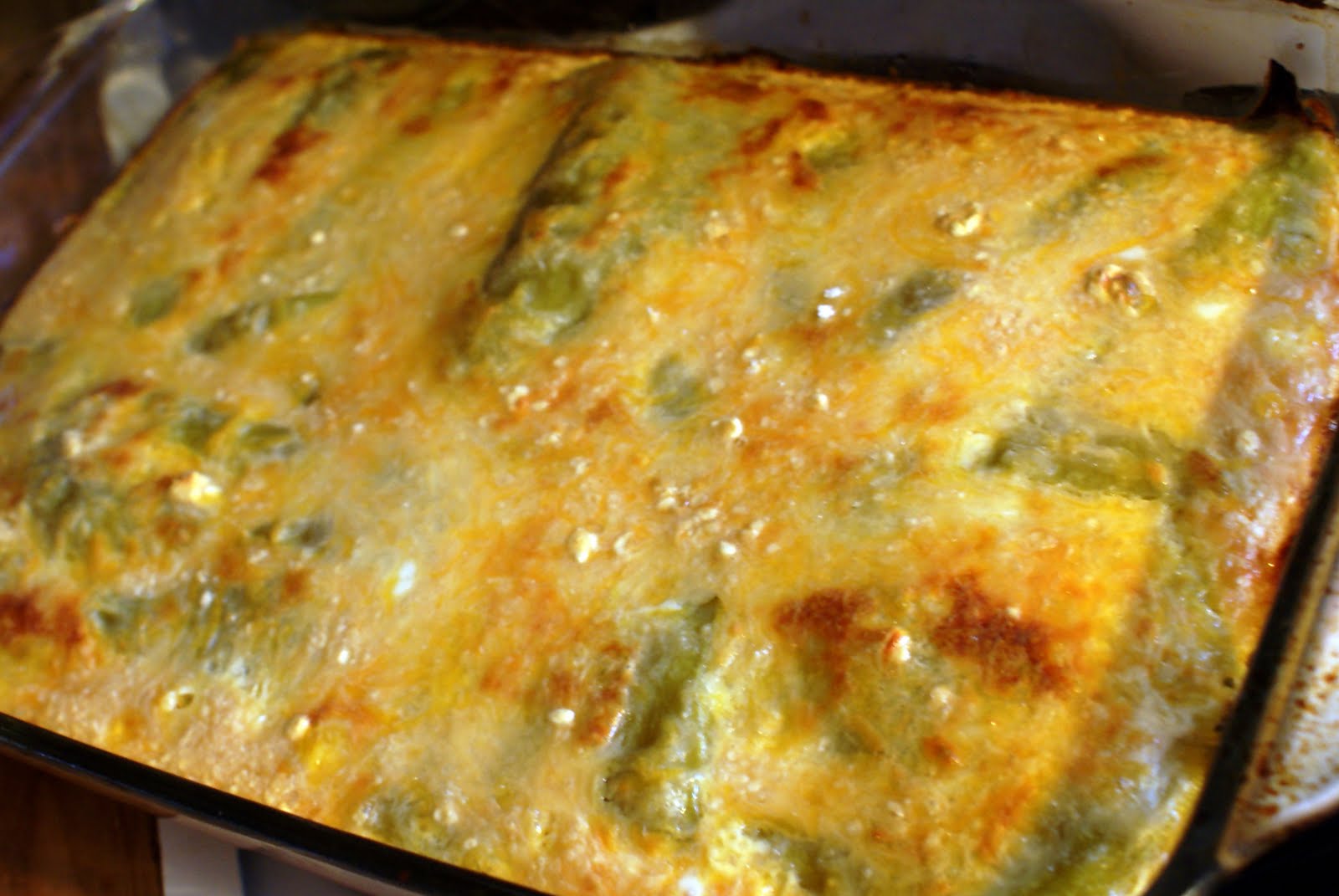
Enchilada Suizas

Enchilada Suizas

Enchiladas SuizasA3[5]3 cups of Salsa Verde
3/4 cup Mexican crema
1/2 cup chopped cilantro
1 garlic clove, chopped
2 cups shredded rotisserie chicken meat (or leftover chicken)
1 ½ cup shredded Oaxaca or Fresh Mozzarella Cheese
12 corn tortillas
1/2 medium onion, thinly sliced
2 tablespoons vegetable oil for frying
Salt & Pepper to taste

If you want to make this dish spicy, add 1 or 2 chopped jalapeño peppers with the salsa verde in the blender.

Place 1 cup of Salsa Verde, Mexican Cream, cilantro and garlic clove in a blender, process until you have a smooth sauce. Mix with the rest of the salsa verde and set aside. Heat a skillet over medium heat; warm one tablespoon of oil and warm the tortillas one at a time to soften, giving it just a few seconds per side. Add the rest of the oil as needed. Besides softening them for easy rolling, another reason is that we do this is to keep the tortillas from breaking. Transfer onto a plate covered with paper towels to drain any excess oil. Preheat your oven to 350°F. Season the chicken with salt and pepper. You can also add garlic powder if you like. Spread 1/3 of the sauce in a greased 9″ X 12” baking dish. Fill the center of each tortilla with the chicken and roll it up. Arrange the enchiladas in 1 layer, seam side down. Cover with the rest of sauce; sprinkle with cheese. Bake 25-30 minutes or until cheese starts to brown. Serve immediately and garnish with onion slices.

Merguez Sausages with Scalloped Potatoes

Merguez Sausages with Scalloped Potatoes

Merguez sausages with Scalloped Potatoes1 tablespoon butter
1 1/2 pounds fresh merguez (spicy beef; see notes) or lamb sausages
1 onion (about 8 oz.), peeled and slivered lengthwise
5 cloves garlic, peeled and chopped
2 cups whipping cream
About 1 1/4 cups fat-skimmed chicken broth
1 1/2 teaspoons salt
1/2 teaspoon fresh-ground pepper
4 pounds Yukon Gold potatoes, peeled, halved, and thinly sliced
Chopped parsley

In a 10- to 12-inch ovenproof frying pan (with sides at least 2 1/2 in. tall) over medium-high heat, melt butter. Add sausages and turn until browned all over, 5 to 8 minutes. Transfer to a plate. Reduce heat to medium, add onion and garlic to pan, and stir occasionally until slightly browned, 5 to 8 minutes. Pour in cream and 1 1/4 cups broth; stir in salt and pepper. Add potatoes. (Liquid should just cover; if it doesn’t, add more broth.) Bring to a simmer over medium-high heat, gently stirring occasionally. Lower heat and barely simmer, uncovered, until potatoes are tender when pierced, about 20 minutes (do not boil). Arrange sausages on potato mixture and transfer pan to a 350° oven. Bake until cream mixture has thickened and is well browned on top and sausages are cooked through (cut to test), 40 to 45 minutes. Sprinkle with parsley. Serve potatoes and sausages from pan.

Mexican Menus

Mexican Menus

Taste of Yucatan: Mexican Sangria, Fiery Habanero Salsa, Fresh Corn Torillas, Yucatan Achiote Seasoned Pork, Yucatan Pickled Red Onions, Refried Black Beans

Christmas Eve Open House: Cranberry Sage Margarita, Roasted Oaxaxan-Spiced Orange & Butternut Soup, Red Chile Pork Tamales, Roasted Pork Leg in Adobo, Lime Tarts with Ancho Graham Crust and Agave Whipped Cream

New Years Dinner: Tequila Old Fashioned, Ancho Glazed Chicken Empanadas, Corn, Poblano and Lobster Bisque, Pumpkin seed Crusted Rack of Lamb with Oaxacan Red Mole Sauce, Classic Mexican Vanila Flan

Summer Fiesta: Watermelon Habanero Margarita, Guacamole, Mezcal Braised Spare Ribs with Spicy Chiptole Molasses Sauce, Mexican Grilled Corn, Flourless Chocolate Ancho Cake

Chile-Honey Glazed Pork Ribs

Chile-Honey Glazed Pork Ribs

Chile Honey Pork Ribs4 garlic cloves, unpeeled
1½oz. ancho chiles
1½ oz. guajillo chiles
½ c. chicken broth
2 Tbs. cider vinegar
big pinch ground cumin
pinch ground cloves
â…› tsp. freshly ground black pepper
¾ tsp. dried Mexican oregano
½ tsp. ground cinnamon
1 tsp. brown sugar
1½ tsp. salt

3-3½ lbs. country-style pork ribs
2 T. honey

6 (or more) large romaine lettuce leaves
small onion, thinly sliced into rings
2 radishes, quartered, diced, or sliced
fresh cilantro, in sprigs or chopped

Begin by setting a heavy, ungreased comal or cast-iron skillet over medium heat. Stem and seed the chiles and rip them open so that they will lay flat. Set them on the hot skillet, pressing with a spatula for just a few seconds, until they start to change color and crackle a bit. They should smell nice and earthy and toasty – but not burnt. Flip over and repeat on opposite side. Remove from skillet and place in bowl. Do this in batches until all chiles have been toasted. Cover chiles with boiling water and set a plate on top to keep them submered; let soak ~30 minutes. Toss the garlic cloves onto the hot skillet and roast until soft and charred in spots, ~10-15 minutes. Let cool until you’re able to handle then, then slip the garlic from its paper skin. Place the garlic in the jar of a blender. Lift the chiles from their soaking water and place in blender with the garlic. Add ½ cup of broth to the blender along with the vinegar and all of the spices. Puree until smooth, scraping down the sides of the blender jar as needed. Press the puree through a sieve into a clean bowl, pushing down with a rubber scraper to release all of the liquid. Stir in the brown sugar and salt; taste and adjust seasoning as needed. You could make this chile marinade up to several weeks in advance and store it in a jar with a lid in the fridge until ready to use.

Place the ribs in a gallon-size zippered baggie and pour HALF of the marinade over them. Seal the baggie and squidge everything along until the marinade coats the pork. Refrigerate overnight or up to 2 days.

Combine remaining half of chile marinade with honey; stir until smooth. Cover and refrigerate.

Preheat oven to 325° F. Dump the ribs and any marinade into a large baking or roasting pan. Drizzle ¼ cup of water around them. Cover with foil and bake until tender when pierced with a fork – this could take anywhere from 1-2 hours. Uncover and baste with the liquid in the pan. Return to oven and bake uncovered for 15 minutes, this will help them develop a good crust. Carefully pour the fat and juices out of the pan. Increase heat to 350° F. Brush the ribs with the chile-honey glaze…really slather it on there…really, use it all! Bake until the ribs are beautifully glazed and crusty on the edges, ~15 minutes.

Lay the lettuce leaves on a serving platter and arrange the ribs over them. Scatter onion, radishes, and cilantro over them. Serve with hot corn tortillas. These ribs are great eaten whole or shredded and stuffed into tortillas to make some tasty tacos.

Mexican Pork Spareribs

Mexican Pork Spareribs

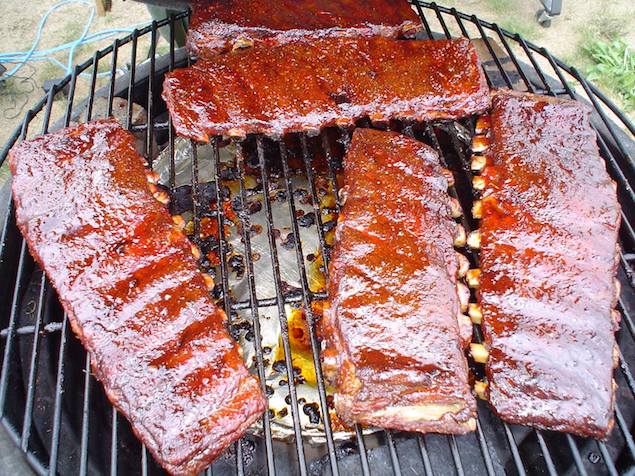
2 racks (6 lb.) St. Louis-style pork spareribs
16 dried guajillo or ancho chiles, seeded
1 1⁄2 tbsp. dried oregano
2 tsp. ground cinnamon
3⁄4 cup white vinegar
3⁄4 cup orange juice
1⁄4 cup canola oil
16 cloves garlic, roughly chopped
6 sprigs cilantro
3⁄4 tsp. ground cloves
4 cups oak or mesquite chips, soaked in water 1 hour, then drained (optional)
Salsa, for serving (optional)
Kosher salt and freshly ground black pepper, to taste

Place ribs in a roasting pan. Place chiles in a bowl and pour 4 cups of hot water over them. Soak until softened, 8-10 minutes; drain, reserving ½ cup soaking liquid. Purée chiles, soaking liquid, oregano, cinnamon, cloves, vinegar, orange juice, oil, garlic, cilantro, salt, and pepper in a blender until smooth; rub mixture over ribs. Cover and refrigerate overnight.
Heat a charcoal grill or set a gas grill to high; bank coals or turn off burner on one side. Place soaked wood chips, if using, over coals or in a smoke box in a gas grill. Grill ribs until slightly charred and tender, 1-1½ hours. If the outside starts to burn before the ribs are fully cooked, move them to the cooler section of the grill and continue to cook until tender. Rest ribs 20 minutes; slice into individual ribs. Serve with salsa, if you like.

Jalapeño poppers a la parrilla

Jalapeño poppers a la parrilla

OLYMPUS DIGITAL CAMERA

4 Large Jalapenos, halved, seeded
1-12 toothpicks
4- 8 slices Turkey Bacon (crisps up well on the grill)
4 oz. Cream Cheese, room temperature
2 T. finely Grated Cheddar Cheese

Mix cream cheese and cheddar cheese. Take a T. and stuff a jalapeno half, making it fairly level. Run spoon along the outside edge so no cheese is hanging over the sides. Repeat for remaining half peppers. Wrap each half with 1-2 pieces of turkey bacon – 2 for large peppers. The bacon should encircle the jalapeno, completely covering the filling and as much of the pepper as possible. You do not want the filling to be able to spill out if the jalapeno tilts while on the grill. Use toothpicks to secure the bacon in place. Place peppers on your hot grill, filling side down and cook 4-6 minutes and then turn them over and cook the other side an additional 4-6 minutes. The bacon should be crisp and beginning to blacken, the filling hot and creamy, and the pepper softened.

Salsa de Habanero y Cebola

Salsa de Habanero y Cebola

5 habanero peppers, roasted and finely chopped
Juice of ½ an orange
Juice of 2 limes
1 medium red onion, finely chopped
2 tsp. white vinegar

Roast habaneros in a skillet on medium heat until they start to get a few dark spots. Cut top off the pepper and discard stem. Finely dice the habaneros. Mix the diced habaneros with the chopped onion in a bowl (or directly in the container you intend to store the salsa in, preferably in a glass jar). Pour juices over the habaneros and onions and then add the vinegar. Toss lightly to moisten and refrigerate for at least 4 hours before serving. Keeps refrigerated for about 5 days.

Carne Asada

Carne Asada

1/4 cup olive Carne Asadaoil
1 cup malt vinegar (red Wine Vinegar, more traditional)
1/3 cup lime juice or lemon juice
1/3 cup orange juice
1 cup water
2 T. peeled fresh garlic, minced
1 T. ground white pepper
1 1/2 T. salt
1 T. ground cumin
1 T. chili powder
1 T. Mexican oregano
1/4 tsp. ground cloves
1 orange, sliced
1/4 bunch cilantro, chopped
5-6 pounds skirt steak

Combine all ingredients in a large bowl and whisk to combine. Place meat in gallon sized freezer bag, in the bottom of a shallow baking dish, or a non-reactive (plastic or glass) storage container with a lid. Pour carne asada marinade on top of meat, cover dish or close bag, and marinate overnight up to 48 hours in the refrigerator. Grilling the marinated carne asada: Take meat out of container and grill until just cooked through. (Rare to medium rare.)

One way to serve:  Cut cooked meat into strips. Place meat and favorite toppings (salsa, cheese, guacamole, avocado slices, tomatoes, shredded cabbage, grilled sweet peppers, etc.) in a tortilla to make into tacos or burritos. You can also serve meat over rice for a carne asada bowl.

Slow cooking the marinated carne asada: After marinating for one or two days, place meat and marinade in a slow cooker. Slow cook for 10 to 12 hours on low. Meat should be extra tender and can be shredded with a fork. Place meat and favorite toppings (salsa, cheese, guacamole, avocado slices, tomatoes, shredded cabbage, grilled sweet peppers, etc.) in a tortilla to make into tacos or burritos. You can also serve meat over rice for a carne asada bowl.

Agave Chipotle Glazed Salmon with Macadamia Cauliflower Rice

Agave Chipotle Glazed Salmon with Macadamia Cauliflower Rice

Agave Chipotle Glazed Salmon is the best of both worlds – sweet and savory! Tender salmon coated in a homemade sauce of agave, chipotle peppers, garlic and lime and served over low carb Macadamia Cauliflower Rice!

Agave-Chipotle-Glazed-Salmon-with-Macadamia-Cauliflower-Rice-4Glaze:
½ cup agave nectar
2½ tablespoons soy sauce
2 chipotles in adobo
¾ teaspoon chile powder
½ lime, juiced
Salmon:
1½ pound salmon fillet
¾ teaspoon sea salt
¾ teaspoon black pepper
1 teaspoon garlic powder
Macadamia Cauliflower Rice
1 large head of cauliflower, chopped
½ cup chopped macadamia nuts
¾ teaspoon garlic powder
½ teaspoon salt
Garnish:
Cilantro
Lime Wedges

Glaze: In a small blender, combine the agave nectar, soy sauce, chipotles, chile powder and salt. Blend until smooth and set aside.

Salmon: Spray a baking sheet with non stick cooking spray and place fillet on it. Sprinkle with salt, pepper and garlic powder. Pour half of the glaze over the salmon. Preheat broiler on high. Place salmon on bottom rack so it is not too close to the broiler. Broil for 10 – 12 minutes or until flakey and cooked through. (Cooking time may depend on how thick your fillet is.)

Macadamia Cauliflower Rice: In a high powered blender or food processor, add the cauliflower florets and cover with water. Turn blender on medium, until cauliflower looks like rice. Drain and place cauliflower in a towel. Ring out as much water as possible. Place in a microwave safe bowl. Microwave for 8 minutes, or until the rice is tender. Season with the salt and garlic powder. Toss with macadamia nuts. Divide between 4 bowls.

When salmon is finished cooking, cut salmon into 4 fillets and place on top of cauliflower rice. Drizzle with remaining glaze, and garnish with cilantro and extra lime wedges.

Chipotle-Honey Glazed Bacon

Chipotle-Honey Glazed Bacon

Chipotle-Honey Glazed Bacon6 slices of premium bacon
1/2 cup of honey
1/4 tsp chili powder
1/4 tsp garlic powder
1/2 chipotle pepper in adobo sauce, finely chopped
1 tbsp of the adobo sauce

Heat a large skillet, placing the heat on medium-low. Cook the bacon from about 7 minutes on one side, then flip, and cook another 5-6 minutes on the other side. The goal here is to warm up the bacon, get the majority of the fat out, however retaining a nice texture being careful not to overcook it. During this time, add the honey, powders, chipotle pepper and adobo sauce into a small sauce pan and place on very low heat. You just want the honey to warm through, while you incorporate the other flavors. So once the bacon cooked on both sides, remove the bacon and place on some paper towel to remove any excess fat. Discard the bacon grease, saving it for later, or placing in your grease container. Preheat your oven to 325 degrees. As your bacon is resting on the paper towel, brush some of the honey chipotle glaze on the top of each piece. Place on a baking sheet and cook for a few minutes. Remove the tray, flip over the bacon, brush with more glaze and return to the oven for a few more minutes. The outcome of this bacon is something wonderful. The texture changes just ever so slightly to create what almost appears to be bacon candy. It has a bit of chew from the honey, the awesome texture from the slow cooking, and the great heat from the chipotle pepper. This is a great snack, or better yet, served on that leftover turkey sandwich! Enjoy.

Chipotle Bacon Guacamole (Guacamole de Tocino)

Chipotle Bacon Guacamole (Guacamole de Tocino)

guac5 strips medium-thick bacon (full-flavored smoky bacon is great here)
3 medium-large (about 1 1/4 pounds) ripe avocados
1/2 medium white onion, chopped into 1/4-inch pieces
2 or 3 canned chipotle chiles en adobo to taste, removed from the canning sauce, stemmed, slit open, seeds scraped out and finely chopped
1 medium-large round, ripe tomato, cored and chopped into 1/4-inch pieces
1/4 cup fresh cilantro, loosely packed, coarsely chopped, thick bottom stems cut off
Salt
1 or 2 tablespoons fresh lime juice

In a large (10-inch) skillet, cook the slices of bacon in a single layer over medium heat, turning them occasionally, until crispy and browned, about 10 minutes. Drain on paper towels, then coarsely crumble. Cut around each avocado, from stem to blossom end and back again, then twist the two halves apart. Dislodge the pit. Scoop the flesh from the skin into a large bowl. Using an old-fashioned potato masher or a large fork or spoon, mash the avocados into a coarse puree. Scoop the onion into a small strainer and rinse under cold water. Shake off the excess water and transfer to the bowl, along with the chipotle chiles, tomatoes, cilantro (save out a little for garnish if you wish) and about 2/3 of the bacon. Gently stir to combine all of the ingredients. Taste and season with salt, usually about 1/2 teaspoon, and enough lime juice to add a little sparkle. Cover with plastic wrap directly on the surface of the guacamole and refrigerate until you’re ready to serve. Scoop the guacamole into a serving dish, sprinkle with the remaining bacon (and cilantro if you have it), and you’re ready to serve. Tip: If the tomato is really ripe and juicy, cut it in half widthwise (across its “equator”), then gently squeeze out the jelly-like seeds from each half. That’ll keep the guacamole from becoming runny. If you’re not serving right away, wait to stir in bacon to ensure the crispy texture!

Lomo Saltado

Lomo Saltado

1__Lomo_Saltado1 teaspoon minced garlic
2 teaspoons finely chopped ají limo (I just used a red bell pepper and cut into thin strips)
2 pounds beef, cut into strips (I used skirt steak and cut it into strips)
1 pound red onions, sliced
1 pound plum tomatoes sliced lengthwise into sixths
2 pounds large yellow potatoes, peeled and cut into sticks (I used a bag of frozen French fries)
3 ajíes amarillos, sliced fine (I used 2 yellow bell peppers)
6 tablespoons low sodium soy sauce
2 tablespoons fresh cilantro, chopped
1 pinch of ground cumin
Red wine vinegar (about 6 tablespoons)
Salt and pepper
Oil for frying (I used canola oil)

First- this makes a TON of lomo saltado so keep this in mind if you are feeding around less than six people. Heat enough oil to coat a large pan or wok and, over medium heat, sauté garlic and ají limo (or your substitution) for 2 minutes. Raise the heat, add meat and brown all over. Season with cumin, salt and pepper. Remove meat from the pan and set aside, keeping it warm. Add a little more oil to the pan if necessary and stir-fry onions until just barely soft, about 1 minute. Season with salt and pepper. Add a few drops of red wine vinegar to deglaze the pan, still stir frying the onions, let the vinegar evaporate, about another minute—the onions should have some bite. Remove from pan and set aside. Repeat the stiry fry steps with the tomato and set aside as well (there’s a lot of set aside in this recipe!) In a separate skillet, deep fry the potato sticks until just slightly golden. Remove with a slotted spoon, drain potatoes on a paper towel and season with salt and pepper. If you are using frozen French fries, follow the instructions on the bag. Return meat, onion and tomato to the wok. Add ajíes amarillos (or substitute) and soy sauce and cook for about a minute. Finally, add the French friends and mix everything together carefully. Garnish with chopped cilantro and serve immediately.

Tequila Infused Queso Fundido

Tequila Infused Queso Fundido

Tequila Infused Queso Fundido1 tablespoon olive or vegetable oil
1 large (10-ounce) ripe tomato, cored, seeded (if you wish) and cut into 1/4-inch pieces
1 medium onion, cut into 1/4-inch pieces
Hot green chiles to taste (roughly 1 large jalapeno or 2 large serranos), stemmed, seeded (if you wish) and finely chopped
3 tablespoons tequila, preferably a silver (blanco) tequila
8 ounces Chihuahua or other Mexican melting cheese, such as quesadilla or asadero, shredded (you’ll have about 2 cups)
1/2 cup chopped cilantro

Heat the oil in a very large (12-inch) skillet over medium-high. Add the tomato, onion and chiles, and cook, stirring nearly constantly, until the onion begins to soften and brown, about 7 minutes. Add the tequila and cook quickly, stirring, until nearly reduced to a glaze. (If you tip the pan toward an open gas flame, it will ignite. If you choose this route, simply shake the pan back and forth until the flames subside and the tequila has reduced to a glaze.) Reduce the heat to medium-low, sprinkle the cheese evenly over the vegetables and stir slowly and constantly until just meltedtoo long over the heat and the cheese will become tough, oily and stringy. Scoop into a warm dish, sprinkle with the cilantro and serve right away with tortillas for making soft tacos. You may want a little salsa, too.

Frijoles a la Charro (Spicy Bacon Pinto Beans)

Frijoles a la Charro (Spicy Bacon Pinto Beans)

frijoles a la charro1 lb dried pinto beans, rinsed
1 white onion, quartered
4 garlic cloves
6 slices bacon, uncooked
½ small white onion, diced
3 garlic cloves, minced
2 serrano chile peppers, diced
2 Roma tomatoes, diced
1 tsp salt
½ cup cilantro leaves, chopped

Place the beans in a large stockpot or clay olla and cover with plenty of water; soak for 6 hours or overnight. Drain and discard the soaking liquid. Return the soaked beans to the stockpot along with the quartered onion and whole garlic cloves. Add enough water to the pot to rise approximately 2 inches above the beans. Place the pot over medium-low heat and simmer, uncovered, for 2 hours, stirring occasionally, until the beans are tender. Check and stir the beans every 15-20 minutes to ensure that they are covered in water and not sticking to the bottom of the pan. Add more water to the pan if necessary to ensure that all of the beans are always covered with water. Once the beans are fully cooked, remove from the heat and discard the onion and garlic. Heat a large saucepan or Dutch oven over medium heat. Stir in the bacon and cook until it is crispy and golden brown. Stir in the diced onion, minced garlic and serrano peppers and cook for 3 min. Add the tomatoes and cook for 5 min, or until they have softened. Add the cooked beans and their cooking liquid to the pan and stir to thoroughly combine. Season with salt. Cook for 8-10 minutes longer until the flavors have blended and most of the liquid has evaporated. Taste and season with additional salt if desired. Serve hot, garnished with chopped cilantro levees.

Frijoles Negros con Arroz Tradicionales

Frijoles Negros con Arroz Tradicionales

Frijoles Negros con Arroz Tradicionales1 can (15 oz) BUSH’S® Black Beans, drain and reserve juices
1 Tbsp olive oil
3/4 cup finely chopped onion
1/2 cup finely chopped green pepper
1 cup diced tomatoes
1/2 tsp thyme
1 tsp garlic salt
3 T. cider vinegar
1/2 tsp hot pepper sauce
2 cup cooked rice
Lime wedges (optional)

In large skillet, heat olive oil; cook onion and green pepper until crisp tender. Stir in tomatoes, beans, thyme and garlic salt; cook 3 minutes. Add vinegar, pepper sauce, and reserved juices continue to cook 5 minutes. Serve over rice. Garnish with lime wedge (optional).

Cuban Avocado, Watercress, and Pineapple Salad (Ensalada de Aguacate, Berro, y Piña)

Cuban Avocado, Watercress, and Pineapple Salad (Ensalada de Aguacate, Berro, y Piña)

Cuban Avocado, Watercress, and Pineapple Salad (Ensalada de Aguacate, Berro, y Piña)2 bunches watercress
One 2 1/2-pound pineapple, peeled, cored, and cut into four 1-inch-thick slices
1 T. sugar
3 garlic cloves, finely chopped
1/4 cup extra-virgin olive oil
2 T. cider vinegar or fresh lime juice
1/8 tsp. ground cumin
1 tsp. salt
1/4 tsp. freshly ground black pepper
1 large Florida (West Indian) avocado or 2 Hass avocados
1 small red onion (5 oz.) thinly slivered lengthwise
Buy these ingredients Add to cart Delivery straight to your door Powered by POPCART

Preparing the Watercress: Place the watercress in a colander and rinse under cold running water to remove any grit or sand. Discard any yellowing leaves and remove the tough stems; for this salad, you want only the leaves and tender stems. Pat dry with paper towels and refrigerate while you prepare the rest of the salad.

Broiling the Pineapple: Preheat the broiler. Place the pineapple slices on a baking pan and sprinkle the sugar evenly on top of them. Broil about 4 inches from the heat source, turning once, for 10 minutes on each side, until lightly golden brown. Let cool, then cut into 1-inch cubes. Set aside.

Preparing the Dressing: Place the garlic, olive oil, vinegar or lime juice, cumin, salt, and pepper in a small bowl and whisk to combine. Taste for seasoning. Set aside.

Peeling the Avocado: Cut the avocado(s) lengthwise in half around the pit and remove the pit. Place the avocado halves cut side down on the work surface and slice lengthwise into 1-inch-wide wedges. Peel each segment by hand or with a paring knife, and cut into 1-inch cubes.

Assembling the Salad: Place the watercress in a medium bowl and toss with half the dressing. Arrange on a large platter. Add the pineapple and avocado to the same bowl and toss with the rest of the dressing. Mound the pineapple and avocado over the bed of watercress. Garnish with the slivers of red onion and serve immediately.

The Hands On Home Cook

The Hands On Home Cook

Professional Tips for the Hands On Home Cook

  • Have a menu, but be flexible – Be on the lookout for great deals, loss leaders, specialty items.
  • Waste Not, Get Fired Not – Scrape condiment jars clean, use leftovers
  • Ingredients do double or triple duty – After slicing a tomato, use the ends for salads, bits and scraps of foods are a resource
  • Outsource where it makes sense – unless you keep dairy animals, it makes more sense to buy cheese and butter, for instance.
  • Embrace simplicity
  • It’s easier to cook everyday – it becomes a natural rhythm and will be easier than going out to eat or grabbing burgers on the way home.
  • Those aren’t leftovers, they are prep – pre-clean veggies when you get them home, grill up some meat and turn your fridge to a grab and go salad bar / deli counter. Re-purpose leftovers – mashed potatoes can become the topping for a casserole, or potato pancakes. Corn from last nights dinner can be tossed with tonight’s salad.
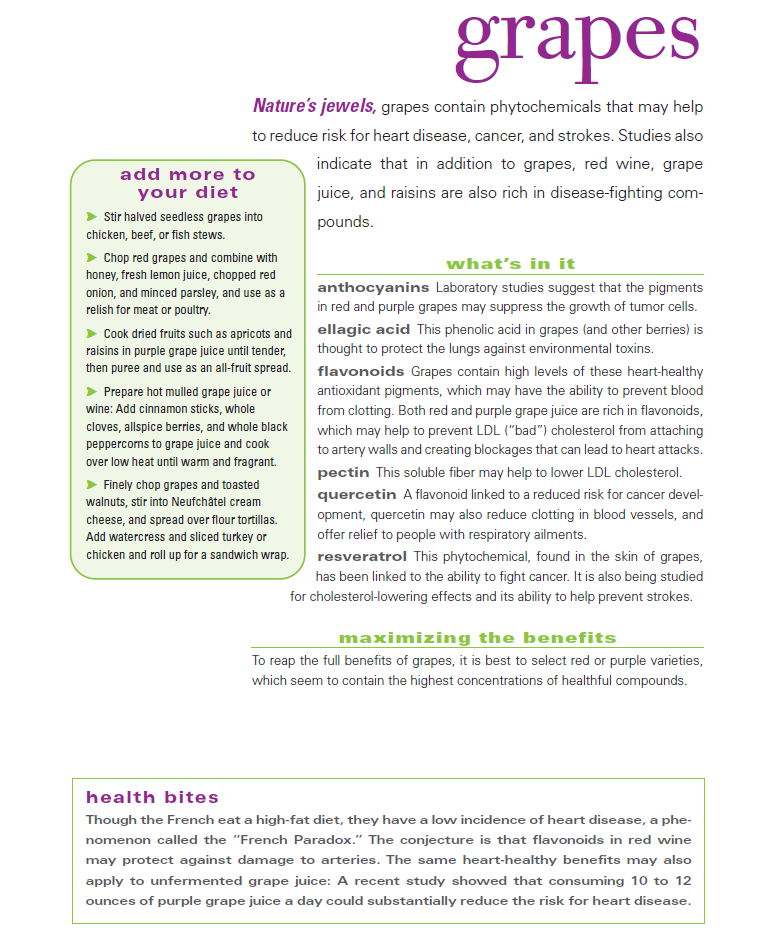
  • Use your freezer. It’s only trivially more time and effort to make a big batch of something than to make a small portion. Use this to your advantage by making double batches of basic dinners and freezing enough for those nights when you need heat-it-and-eat-it convenience.
  • Recipes are more like guidelines. Read through a recipe carefully and make sure you understand what ingredients are needed and what kind of time commitment the recipe is going to take, but understand that a million variables—from the humidity in the air to the age of dry beans to the calibration of your oven—all effect the final outcome of your dish. Truly great cooks must trust their senses more than rigid steps in a recipe, because, no matter how well tested a recipe is, your humble cookbook author cannot predict how all those variables will come together in your home. Once you understand flavors, you can swap different herbs and spices. You can often swap out a protein (although cooking time/temp may need to be adjusted)
  • Make recipes your own.
  • Go Seasonal – in season food is fresher, better tasting, and often less expensive, and good to support local farmers. You don’t have to reinvent the wheel every season. The same basic recipe, like a flat bread or fruit crisp can be re-imagined over and over by tweaking a component or two to include a local seasonal ingredient.

Essential Equipment for the Hands On Home Cook

  • Cast Iron
  • Cutting Boards
  • Dutch Oven
  • Food Processor
  • Instant-Read Thermometer
  • Kitchen Scale
  • Knives – Chef Knife, Bread Knife, Paring Knife
  • Large Pot (Water Bath Canning)
  • Portion Scoops – Skip the overpriced and weak portion scoops available at fancy kitchen stores and go straight for the industrial versions available at restaurant supply stores. They will have color-coded plastic handles and a number that indicates the scoop size, based on how many level portions of the scoop will fill a one-quart container. A #60 scoop creates a one-T. portion, a #8 creates a four-oz. portion. Get the sizes that make sense for the items you scoop (meatballs, cupcake batter, etc.)
  • Sheet pans and Parchment paper
  • Stand Mixer
  • Whisks, Spoons & Other Hand Tools
Escabeche de Cebolla (Yucatan Pickled Red Onion)

Escabeche de Cebolla (Yucatan Pickled Red Onion)

escabeche de cebolla1 large red onion, peeled and very thinly sliced
1/4 tsp. black peppercorns
1/4 tsp. cumin
1/2 tsp. Mexican oregano
2 garlic cloves, crushed
1 bay leaf
1/2 tsp. kosher salt
3/4 cup apple cider vinegar

Place the sliced red onion in a large mason jar (or divide if using smaller jars). In a small pot, heat the vinegar to black pepper, cumin, oregano, garlic, bay leaf and salt. Bring to a boil. Remove from heat. Pour the hot vinegar spice mixture over the red onion. Cover and refrigerate. Your onions may not turn bright pink immediately. We found that the gorgeous bright pink color will develop and deepen as the onions rest, covered overnight. These pickled onions will keep for up to 2 weeks refrigerated.

Rajas con Crema (Roasted Poblanos with Cream)

Rajas con Crema (Roasted Poblanos with Cream)

Rajas con Crema (Roasted Poblanos with Cream)6 fresh poblano chiles, fire roasted, stemmed, seeded and skinned
1 T. butter
1 white onion, sliced lengthwise (root to tip), 1/4-inch slices
2 cloves garlic, minced
1/2 tsp. salt
1 cup Mexican crema (Mexican sour cream) or crème fraîche
1/2 cup grated Monterey Jack cheese

Cut the chiles into long strips, about an inch wide. Many recipes call for thin strips, about a half inch wide, which you can do if you want. I just like them with thicker strips. Set aside. Heat the butter (can use vegetable oil instead if you want) in a large cast iron skillet on medium heat. Add the onions and cook until translucent, about 3 to 4 minutes. Add garlic and cook an additional 2 minutes. Add the poblano chiles to the onions. Sprinkle the chiles with salt. Reduce heat to medium-low. Add the Mexican crema. Gently stir to coat the chiles. Let cook for several minutes, until the chiles are completely cooked through and the sauce is bubbly and a little reduced, then sprinkle in the grated jack cheese. Stir with the hot crema sauce until the cheese has melted and mixed in with the crema sauce. Serve with warmed corn or flour tortillas.