Winter Squash Health Information
 1 graham cracker (large rectangle)
2 tsp. low-fat fruit-flavored yogurt
Break graham cracker in half. Spread yogurt on one half and top with the other. Wrap in plastic wrap and freeze.
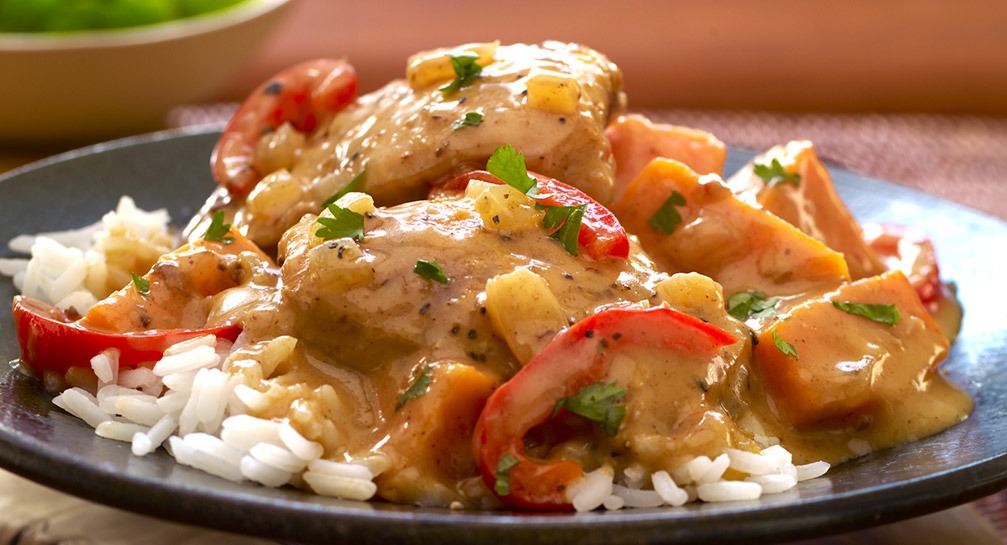 8 boneless skinless chicken thighs (about 2 pounds), trimmed
1 tsp. Sea Salt
1/2 tsp. Black Pepper, Coarse Grind
2 tsp. olive oil
1 large onion, chopped (1 C.)
2 tsp. Roasted Red Chili Paste
2 C. Chicken Stock
1 can (13.66 oz.) Coconut Milk
1 large sweet potato (1 pound), peeled, quartered lengthwise and cut into 1-inch slices (about 2 C.)
1 small red bell pepper, cut into thin strips (1 C.)
1/2 C. smooth almond butter
1/4 C. fresh lime juice
1/2 C. chopped fresh cilantro
Cooked Jasmine Rice or basmati rice (optional)
Season chicken with sea salt and pepper. Heat oil in 5-quart nonstick Dutch oven or saucepot on medium-high heat. Add chicken; cook 3 minutes per side or until golden brown. Remove chicken. Add onion; cook and stir 3 minutes or until lightly browned. Add chili paste; cook and stir 1 minute. Stir in chicken stock, coconut milk, sweet potato and bell pepper. Bring just to boil. Return chicken and any juices to Dutch oven. Reduce heat to low; cover and simmer 25 minutes or until chicken is cooked through and sweet potato is tender. Mix almond butter, lime juice and 1 C. sauce from the stew in medium bowl with wire whisk until smooth. Gradually stir back into stew. Simmer 5 minutes or until sauce is slightly thickened, stirring occasionally. Sprinkle with cilantro. Serve over cooked rice, if desired.
Yield: 8 servings
Calories: 447
Fat: 31g
Fiber: 3g
 1 C. unsalted butter, room temperature
2/3 C. granulated sugar
1 egg
1 tsp. Tahitian vanilla extract
1/2 tsp fine sea salt
2 1/2 C. sifted flour
1 tsp. unsalted butter, melted
1 tsp. whole milk
4 tsp. Mango Hot Sauce
1 3/4 C. sifted confectioners’ sugar
food coloring optional
1/4 C. Vanilla Bean Sugar
1 tsp. crushed Aleppo chiles
1 tsp. sea salt
1 tsp. makrut lime powder
For cookies: Cream butter and sugar with an electric mixer until well blended. Add egg, vanilla, and salt; mix until combined. Add flour and continue to mix until well blended. Place dough in plastic wrap and chill a minimum of 3 hours. Preheat oven to 300 degrees. Line a cookie sheet with parchment paper. Roll dough out to about 1/8 inch thick. Cut shapes with your favorite cookie cutter then place cookies on prepared sheet. Bake 15 to 20 min., or until edges begin to turn light brown. Transfer cookies to a cooling rack and cool completely before frosting.
For frosting: Beat together butter, milk, hot sauce, and confectioners’ sugar until smooth. (Add a few drops of food coloring if desired.) Chill at least 10 min. Spread or pipe the frosting onto the cookies.
For optional sprinkles: Sprinkle frosted cookies with any one of the optional sprinkle suggestions, or mix together to make your own unique sprinkle, such as Vanilla Bean Sugar with makrut lime powder or Vanilla Bean Sugar with Aleppo chiles.
Serve right away or let the cookies sit out for 2 to 3 hours and the frosting will firm up.
1 tsp. toasted white sesame seeds
1 tsp. dehydrated toasted minced onion
1 tsp. dehydrated minced garlic
1 tsp. Dutch blue poppy seeds
1 tsp. charnushka seeds
1 tsp. Maldon sea salt
Optional additions:
1 tsp. yellow mustard seeds
1/2 tsp. crushed Aleppo chiles
Mix all ingredients together and enjoy. Serving Suggestions: Sprinkle over bagels and cream cheese, smoked salmon, omelets, homemade breads, biscuits, grilled fish, and more!
Grilled: Mix asparagus with some olive oil, salt, and pepper, then grill until tender and starting to brown (a grill basket is helpful), 3 to 4 minutes.
In salads: Slice tips and tender stalks very thinly on the diagonal and add, row, to tossed salads.
Steamed: Cook asparagus in a basket or bamboo steamer over boiling water for 3 to 4 minutes. Drizzle with a vinaigrette of lemon juice, olive oil, and chopped fresh mint for an easy side dish.
In a gratin: Lay asparagus stalks in a shallow baking dish. Drizzle with olive oil, sprinkle with salt and pepper, and top with grated parmesan cheese. Bake in a 400[degrees] oven until asparagus is tender and cheese is melted and browning, about 10 minutes. Serve with a squeeze of fresh lemon juice.
Stir-fried: Cut asparagus into bite-size lengths and stir over high heat in a little hot chile oil with minced garlic and ginger until tender-crisp, 3 to 4 minutes. Splash on a touch of rice wine or dry sherry at the end.
Lemongrass contains citrol, the same flavor component that’s in lemon zest, and has a similarly citrus-like flavor and aroma that’s especially prized in Southeast Asian cuisines.
1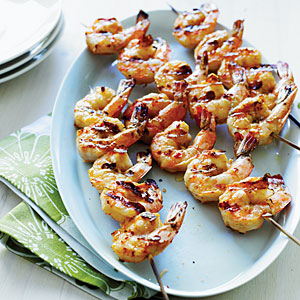 stalk lemongrass, ends trimmed, quartered
2 large shallots, peeled
3 red Fresno chiles or red jalapeños, stemmed
2 thick slices fresh ginger
2 garlic cloves, crushed
1 tsp. kosher salt
1 can (14 oz.) coconut milk
Juice and zest of 2 limes
Whirl lemongrass in a food processor until finely chopped. Add shallots, chiles, ginger, and garlic and whirl until minced. Put lemongrass mixture in a nonreactive baking dish and whisk in salt, coconut milk, and lime juice and zest. Add seafood and turn to coat.
 2 tsp. dried thyme
6 garlic cloves, minced
1 1/4 tsp. salt, divided
3/4 tsp. black pepper
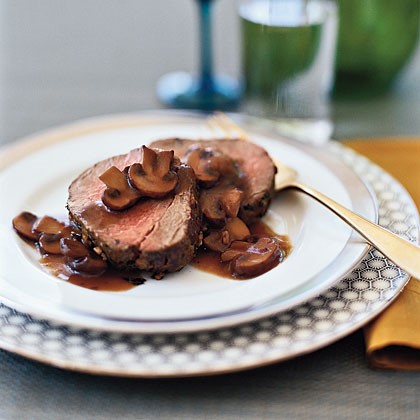
1 (2 1/2 pound) center-cut beef tenderloin, trimmed
Cooking spray
4 tsp. butter
12 oz. sliced cremini mushrooms
1 C. less-sodium beef broth
1/2 C. port or other sweet red wine
2 tsp. cornstarch
2 tsp. water
Preheat oven to 350°. Combine thyme, garlic, 1 tsp. salt, and pepper; coat beef tenderloin with mixture. Heat a large ovenproof skillet with cooking spray over medium-high heat. Add beef; cook 2 minutes on 1 side until browned. Turn beef over. Transfer skillet to oven; bake at 350° for 25-30 minutes or until internal temperature reaches 125°. Transfer beef to a carving board; tent with foil and let stand 10 minutes (internal temperature will rise to 130° for medium-rare). Meanwhile, melt butter in same skillet over medium heat. Add mushrooms and remaining salt; cook 5 minutes, stirring frequently. Add broth and wine; simmer 8 minutes. Combine cornstarch and water; mix well. Stir into sauce; simmer 2 minutes or until slightly thick. Cut beef crosswise into 16 slices; transfer to serving plates and top with mushroom sauce.
Yield: 8 servings
Calories: 349
Fat: 22g
Fiber: 0g

1/2 C. Mayonnaise
2 tsp. Spicy Mustard
2 tsp. Honey
1/2 tsp. Garlic Powder
3 tsp. Vinegar
2 Black Olives
1 Cracker
1 tsp. Mayonnaise (To make the eye)
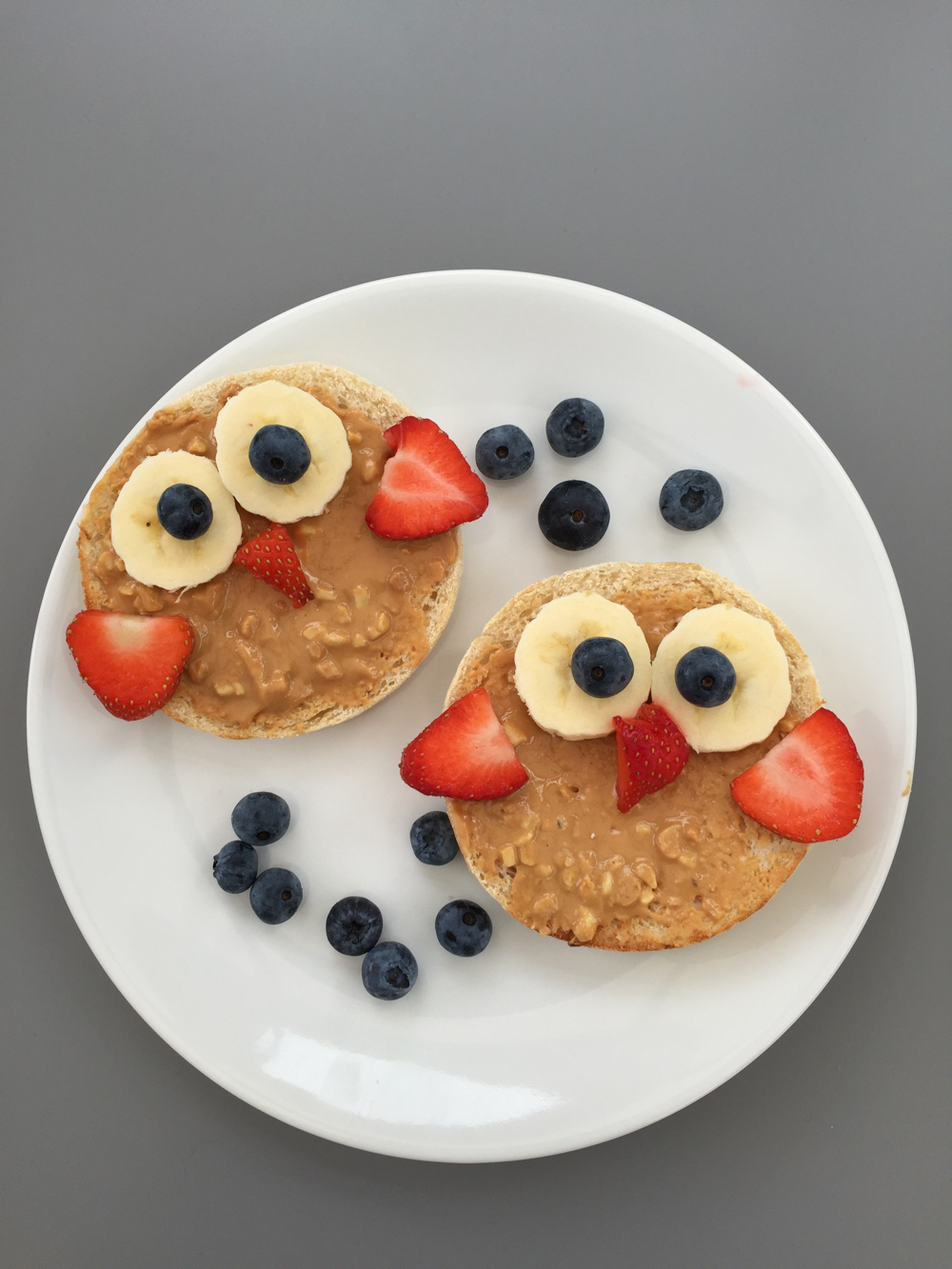
Bagels
Crunchy Peanut Butter
Banana
Blueberries
Strawberry
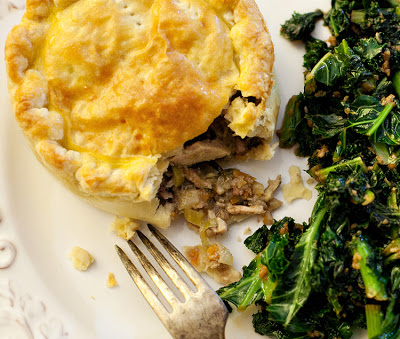 1 rabbit, skinned, gutted and cleaned
1 medium onion, chopped
1 carrot, chopped
1 celery root, chopped
6 garlic cloves, minced
1 sprig fresh sage
1 sprig fresh thyme
1 sprig fresh rosemary
2 bay leaves
1 1/4 C. chicken stock
1 1/4 C. cider
salt and pepper
2 T. butter
5 strips thick-cut streaky bacon, cut into small matchsticks
1 leek (whites with trimmed greens), finely sliced
2 T. flour
2 T. fresh parsley, chopped
4 sheets (approx. 2 lb.) puff pastry
1 egg, beaten
Preheat the oven to 325 degrees F. Season the rabbit inside and out with salt and place in a Dutch oven. Add onion, carrot, celery root, garlic, herbs, stock, and cider. Season the whole thing with pepper. Cover and cook in the oven for 1 hour. Remove from the oven and remove only the rabbit from the dish to a cutting board. Cut or pull off all the meat, discarding the bones. Cut the meat into small chunks and return them to the Dutch oven with the vegetables. In a frying pan, melt butter and fry the bacon for five minutes until lightly browned. Add the leeks and let them sweat for 5 minutes until soft. Sprinkle in the flour (or, if you are gluten-free, your own thickening agent, such as arrowroot), stir well, and cook together for two minutes. Add the bacon and leeks to the Dutch oven and bring to a boil and simmer for five minutes. Add the chopped parsley, stir, and remove from heat. Check the seasoning and allow to cool somewhat. Preheat the oven to 350 degrees F. Butter the inside of 4-inch ramekins or springform pans. Roll out a sheet of the pastry on a well-floured surface to about the thickness of a tea towel (3 mm or .1″). Cut big enough squares to fill each baking dish or pan, with a little bit of dough hanging over the side; trim corners. Fill the pies with the rabbit-bacon filling. Cut another piece of pastry for the lid of each pie, letting a little hang over the edge; trim corners. With floured hands, pinch the edges of the lids to the edges of the pastry lining (I pinched together and rolled in toward the center of the pie) to make sure they are well-sealed together. Cut a couple of small slits into, or stick your fork through, the top of each pie a couple of times to allow steam to escape. Brush the lid of each pie with the beaten egg. Bake for 35 minutes or until the pastries are golden brown. Serve hot.
This is a plump white bean with a creamy texture, it was popular in the U.S. in the 1850’s as a baking bean. They have the flavor of bacon and work well pureed for soup. Great Northern Beans can be substituted.
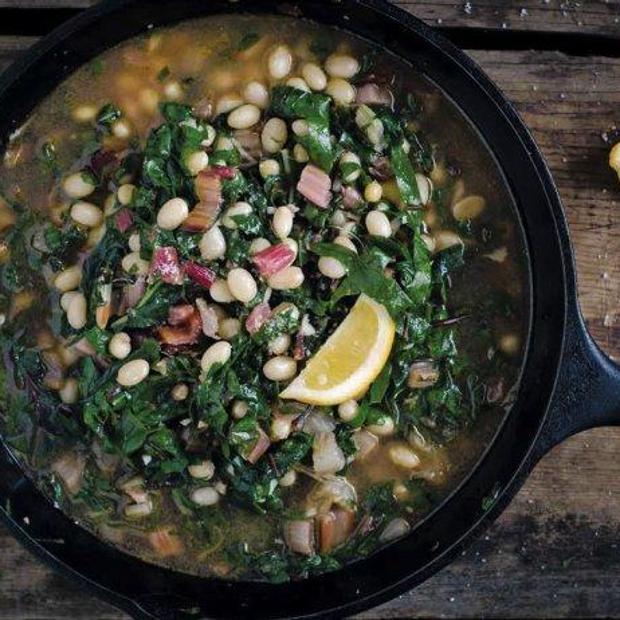 1 1/2 C. marrow beans
1/4 tsp. baking soda
1 large bunch Swiss chard (about 12 oz.)
1 T. extra virgin olive oil
2 cloves garlic, minced
1/4 tsp. crushed red pepper flakes
finely grated zest and juice of 1 lemon
1 1/2 C. chicken or vegetable broth, preferably homemade
Unrefined sea salt, finely ground
Pour the beans into a large mixing bowl, cover with hot water by 2 inches and stir in the baking soda. Cover the bowl with a kitchen towel and allow it to sit on the kitchen counter for at least 18 and up to 24 hours. Drain the beans and rinse them well. Put the soaked beans in a large stockpot and pour in enough water to cover the beans by 2 inches. Bring them to a boil over medium‑high heat, cover and simmer until tender, about 1 1/2 hours. Drain the beans and set aside. Using a sharp paring knife, separate the chard stems from the greens. Finely chop the stems and set them in a small bowl. Stack the leaves on top of one another, roll them into a cigar, and slice crosswise into strips 1/4 to 1/2 inch wide. Warm the olive oil in a large skillet over medium heat. Toss in the garlic and chopped chard stems and sauté until the garlic softens and the color of the chard stems turns ever so slightly more vibrant, about 2 minutes. Stir in the red pepper flakes and lemon zest and cook for a minute or two, then add the beans to the skillet. Sauté the beans for 3 to 5 minutes, until they acquire the flavor of the garlic and lemon. Grab chard leaves by the handful and drop them into the hot pan. Stir once or twice to mix them with the beans, then add the broth. Cover and simmer until the chard leaves wilt, about 3 minutes. Remove from the heat, stir in the lemon juice and season with salt. Serve hot.
Roasting clams on a bed of salt and herbs until they open allows them to develop a rich flavor undiluted by steam or liquid. Once the salt cools and can be comfortably handled, you can spoon it into a glass jar to reuse it for salt roasting in the future. A simple garlic butter enriches the notorious leanness of the clams. Clams number among the best seafood choices for consumers concerned about the environmental impact of their food choices because they’re abundant and can generally be farmed without pollution, as well as wild harvested without seriously impacting the oceanic ecosystem.
4 pounds littleneck clams
Coarse unrefined sea salt, to line the baking dish
2 sprigs rosemary
2 sprigs thyme
2 T. unsalted butter
2 cloves garlic, thinly sliced
1/4 tsp. crushed red pepper flakes
1/2 C. white wine
2 T. chopped fresh flat-leaf parsley
1 tsp. chopped fresh oregano
Preheat the oven to 350°F. Scrub the clams under cold water to remove any grit or other debris adhering to them. Discard any clams that do not close when you tap on them. Line a large baking dish with coarse sea salt to a depth of V2 inch. Scatter the rosemary and thyme over the salt and nestle the clams in a single layer into the bed of salt and herbs. Roast for 10 to 15 minutes, until the clams open, discarding any clams that fail to open after 15 minutes. As the clams bake, make the garlic butter. Melt the butter in a small saucepan over medium heat. When it foams, stir in the garlic and red pepper flakes and fry’ until the garlic softens, just a few minutes. Pour in the white wine and simmer until it reduces by half, about 6 minutes. Plate the clams in shallow bowls. Pour the butter sauce over the clams, sprinkle with the parsley and oregano, and serve.
 For a fast and delicious, drama filled breakfast the Dutch Baby has you covered! Not just reserved for special occasions, this German pancake is no fuss and so delicious.
1/2 C. All Purpose Flour
1 T. Organic Cane Sugar
1/4 tsp. Sea Salt
3 Large Eggs, room temperature
1/2 C. Milk (nut or dairy), room temperature
1 tsp. Vanilla Extract
Zest of 1 Lemon
1 C. Fresh Berries, such as raspberries or blueberries, divided
2 T. Unsalted Butter
Fresh Berries
Powdered Sugar for Dusting
Lemon Curd
Lemon Wedges if Desired
Preheat the oven to 425F (218C). Place a 10″ cast iron skillet on the center rack to preheat while the oven is warming. In a small bowl, mix the flour, sugar and salt. Set aside. Meanwhile crack the eggs into a large mixing bowl. To the eggs add the milk, extract and zest. Whip with a whisk to break up the eggs. To the egg mixture, add the flour mixture. Whisk until perfectly smooth, or for at least 2 minutes. Your arm will get tired, but just consider it your morning workout! *Work quickly but carefully here! When the oven is preheated (I highly recommend an oven thermometer to double check), use an oven mitt to carefully remove the pan from the oven. Place the butter in the pan and swirl it around to help it melt. It will sputter and spit, so be careful. As soon as the butter is melted, carefully pour in the batter and gently place 1/2 C. of berries spread evenly over the top of the batter. Carefully place the pan back in the oven, in the same spot without sloshing the batter around in the pan. Bake for 14-15 minutes until the edges are toasty golden and puffed. Remove from oven and allow the pancake to deflate before sprinkling it with lemon, powder sugar and more berries. Serve with Lemon Curd. Store in a lidded container for up to two days. Reheat at 325F (180C) for about 8 minutes.
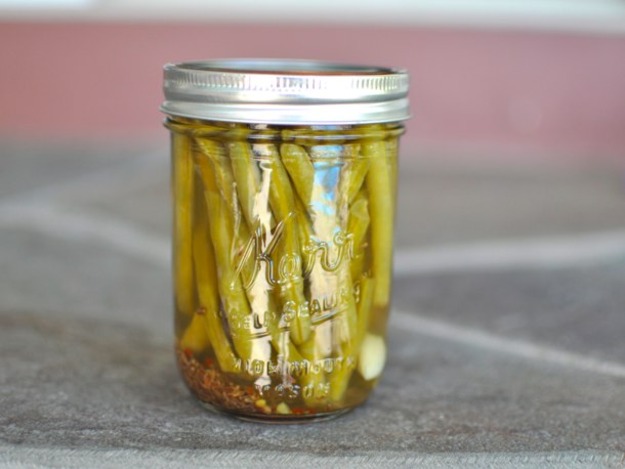 3 pounds green beans
2 1/2 C. white vinegar
2 1/2 C. water
4 T. pickling salt
5 medium cloves garlic
5 tsp. dill seed (not dill weed)
5 tsp. red chili flakes
1-2 dried hot red chiles per jar, optional
Prepare a boiling water bath and 5 regular mouth pint jars. Place lids in a small saucepan over very low heat to simmer while you prepare the pickles. Wash and trim beans so that they fit in jar. If you have particularly long beans, cut them in half. Combine vinegar, water and salt in a medium saucepan and bring to a boil. While the pickling liquid heats, pack your beans into the jars, leaving 1/2 inch for headspace. To each jar, add 1 clove of garlic, 1 tsp. dill seeds, and 1 tsp. red chili flakes. Slowly pour the hot brine over the beans, leaving 1/2 inch for headspace. After all the jars are full, use a wooden chopstick to work the air bubbles out of the jars. Check the headspace again and add more brine if necessary. Wipe the rims, apply lids and rings and process in a hot water bath for 10 minutes. Let pickles sit for at least one week before eating.
 Makes 8 half pints
1 and a half pineapples (about 6 C.), washed, peeled, eyes removed, quartered, and cored.
Chop into small pieces.
6 C. peaches, peeled, pitted, and chop into pieces
2 C. sugar
4 T. lemon juice
1 1/2 T. minced fresh mint
Put pineapple, peaches, and sugar into a pot and bring to a simmer, stirring frequently, until the juices are just starting to cover the fruit. Pour the mixture into a colander or mesh strainer and set it over a large bowl, stirring the fruit around to extract as much liquid as you can. Return that juice to the pan and bring to a boil over high heat, stirring occasionally, until the syrup is thick and reduced, about 10 minutes. Return your fruit along with any excess juices that may have accumulated to the pot, along with 4 T. lemon juice and bring to a simmer. Simmer, stirring frequently, until the fruit is very tender, about 15 minutes. Once it reaches the desired consistency (to a jam consistency, this jam will not gel), remove from the heat and stir in your 1 – 2 T. mint. Ladle into your jars to 1/4 inch headspace, remove air bubbles, wipe rims, and assemble lids. Process in a boiling water bath for 15 minutes
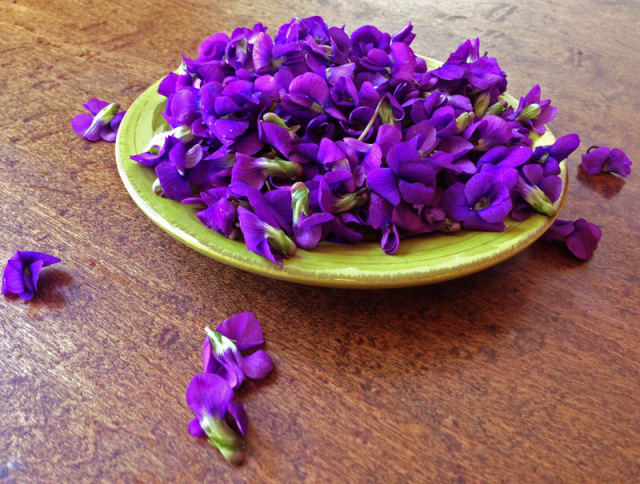 Violet Syrup Makes 1 Pint
1 1/2 C. violet flowers, tightly packed
1 1/2 C. boiling water
2 C. white sugar
Gather the violets by pinching them off at the tops of the stems. Remove the calyxes (the green parts at the bases of the flowers) by twisting the petals free. You’re saving the petals only.
Put the violet petals into a heat-proof, small stainless steel saucepan or bowl and add boiling water. Stir to make sure the petals are completely submerged. Cover and let sit at room temperature for 24 hours. The liquid will turn a gorgeous clear blue with a slightly lavender hue.
Strain syrup through a fine sieve to remove flowers and discard them. Prepare your double boiler or simply fill a slightly larger saucepan with an inch or so of water and rest the smaller one inside it. Add sugar to violets and heat over medium heat, stirring occasionally, until sugar has completely dissolved. Let syrup cool to room temperature, then transfer to glass jars and store in the refrigerator for up to 6 months.
 Fizzy Violet Cocktail
3 oz. vodka
2 oz. violet syrup
Lots of ice
6 oz. tonic water
Mix vodka, violet syrup and several ice cubes in a cocktail shaker. Notice how when you add the vodka, the syrup becomes blue greenish–don’t be alarmed! Shake vigorously for about 5 seconds. Add three ice cubes to each glass and divide tonic water between them. Pour in the vodka violet blend into both glass (back to a beautiful light purple!), and serve.
If you want to get really fancy, add a violet ice cube. Fill a regular ice cube tray half way and let the water freeze for a few hours. Add one violet flower to each ice cube, top off with water and freeze again. Perfectly adorable ice cubes!
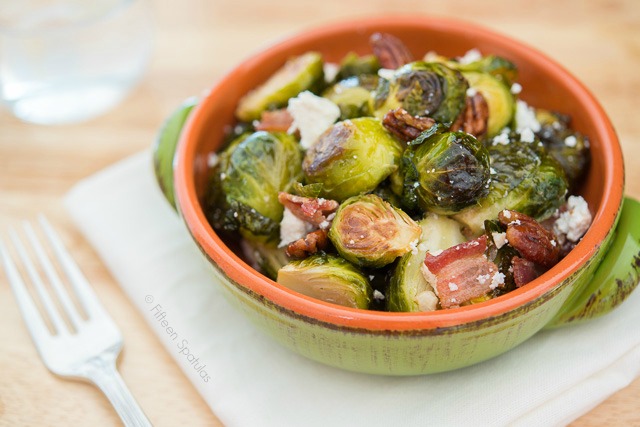 2 lb. Brussel sprouts, cut in half
8 strips bacon, cooked until crispy, with fat reserved
1/4 C. reserved bacon fat, or olive oil
1/2 C. candied pecans
1/4lb ricotta salata
2 tsp. olive oil
1 tsp. vinegar
salt
Preheat oven to 400 degrees F. Toss the brussel sprouts in the reserved bacon fat, or olive oil (if using), and season with a big pinch of salt. Spread onto a baking sheet and roast for 30 minutes until golden brown and tender. Toss the warm brussel sprouts with the candied pecans, ricotta salata, bacon, olive oil, and vinegar, and serve warm. Enjoy!
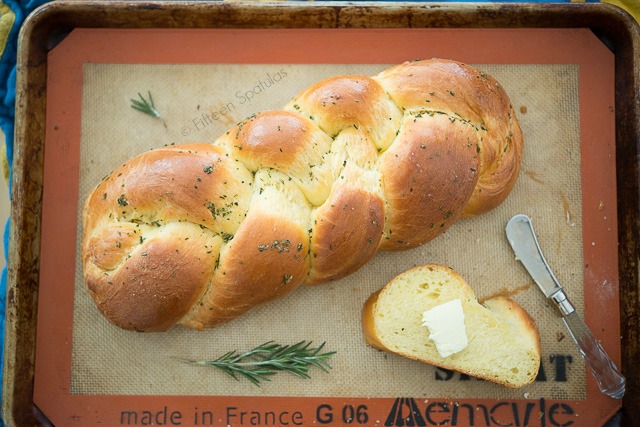 1/4 C. warm water
1 tsp. sugar
1 package (2.25 tsp) instant yeast
1 3/4Â C. all-purpose flour
1 3/4Â C. bread flour
2 tsp. salt
6 large eggs, lightly beaten + 1 egg, beaten (for egg wash)
1 1/2 sticks (12 T.) unsalted butter at room temperature, cut into 6 pieces, plus 2 tsp. melted for brushing
2 sprigs rosemary, leaves removed and finely chopped
In the bowl of a stand mixer combine warm water, sugar, and yeast. Let stand for five minutes until foamy. In a medium bowl, whisk together both flours and salt. Add eggs and flour mixture to yeast and combine roughly with a wooden spoon. Place the bowl on the mixer and fit with the dough hook, and knead on medium-high speed until the dough begins to pull away from the sides of the bowl. This will take about five minutes. Beat in the butter one piece at a time until fully incorporated and the dough is sticky but firm. If the dough is too sticky you can add a little more flour a tsp. at a time until it’s no longer sticky (tacky is okay). Keep in mind adding more flour makes bread denser. Cover the bowl with plastic wrap and place in the warmest spot in your kitchen to rise. Let rise for 1 hour or until doubled in bulk. Transfer the bowl to the refrigerator and chill the dough for at least two hours, or overnight. Line two large baking sheets with parchment or a silpat. Once the dough has chilled, divide it into six equal portions. On a lightly floured surface, roll each piece into a 16-inch-long rope. Braid the ropes on the prepared sheet trays. Press the ends to seal. Set aside and allow to rise for 1 hour. Preheat the oven to 350 degrees. Brush the braids with egg wash and place in the oven to bake for 20 minutes. While the bread is baking add the chopped rosemary leaves to the 2 tsp. melted butter. After the bread has baked for 20 minutes, remove from oven and brush with rosemary butter. Return to oven and bake for another 8 minutes. Allow the bread to cool slightly before serving. Enjoy!
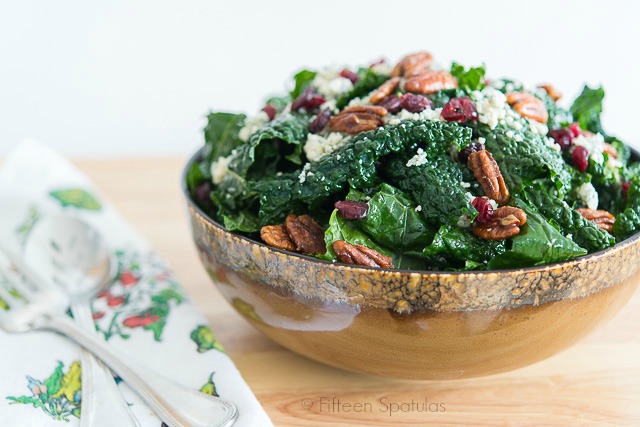 2 bunches dino kale (aka lacinato kale)
4 tsp. olive oil
2 tsp. vinegar or lemon juice
1 C. candied pecans
1/2 C. crumbled blue cheese
1/2 C. dried cranberries
salt and pepper
get ingredients
Strip the dino kale leaves from the stem by pinching at the base of the stem and pulling it through. Once all leaves are removed, discard the stems and rinse the leaves well. Dry in a salad spinner or with paper towels. Place the kale in a large bowl. Whisk together the olive oil and vinegar. Drizzle over the kale leaves, then add a pinch of salt and pepper to the greens, and massage the leaves with your fingers. Add the pecans, blue cheese, and cranberries, and toss. The salad is ready to serve. Enjoy!
 1 small (6-oz.) red onion, sliced 1/8 inch thick
1/4 tsp. black peppercorns
1/4 tsp. cumin seeds
1/2 tsp. dried oregano
2 cloves garlic, peeled and halved
1/4 tsp. salt
1/3 C. cider vinegar
Parboiling the onion. Place the thinly sliced red onion in a saucepan with salted water to cover, bring to a boil, time 1 minute, then remove from the heat and drain. The pickling. Coarsely grind the peppercorns and cumin in a mortar or spice grinder, then add to the saucepan, along with the remaining ingredients. Pour in just enough water to barely cover the onions, bring to a boil over medium heat, time 3 minutes, then remove from the heat and pour into a small, noncorrosive bowl. Let stand several hours before using.
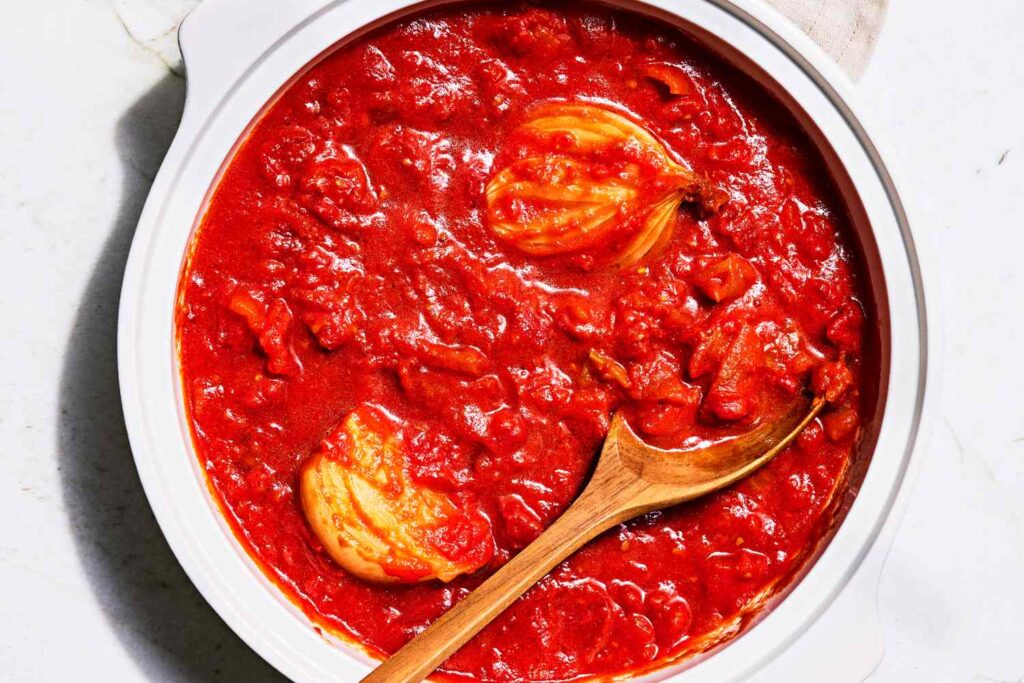 2 C. tomatoes, in addition to their juices (for example, a 28-oz. can of San Marzano whole peeled tomatoes)
5 tsp. butter
1 onion, peeled and cut in half
Salt
Combine the tomatoes, their juices, the butter and the onion halves in a saucepan. Add a pinch or two of salt. Place over medium heat and bring to a simmer. Cook, uncovered, for about 45 minutes. Stir occasionally, mashing any large pieces of tomato with a spoon. Add salt as needed. Discard the onion before tossing the sauce with pasta. This recipe makes enough sauce for a pound of pasta.
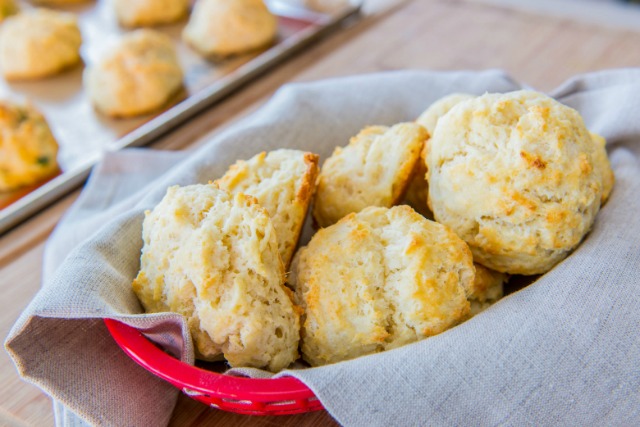 10 oz., weight All-purpose Flour (or 2 C. Measured)
1 tsp. Baking Powder
1 tsp. Sugar
1/2 tsp. Salt
1/2 C. Cold Unsalted Butter, Cubed
1 C. Whole Buttermilk
Preheat oven to 450ºF. In a food processor, pulse to combine flour, baking powder, sugar, and salt. Once those ingredients are combined, add cold butter cubes and pulse mixture about 10 times to break down butter into small pea-sized pieces. Add buttermilk, then pulse about 10 times until dough clumps together in one side of the food processor. Use a large 3-T. cookie scoop to drop scoops of the biscuit mixture onto a baking sheet. You should have 12 scoops. Bake for 15 minutes in the lower third of the oven until golden brown. Enjoy! You can add ingredients with the flour, such as cheese, bacon, scallions, etc.
 ¼ C. white lemon balsamic vinegar (or lemon juice and honey)
½ C. olive oil
Salt and pepper
½ C. fresh herbs (I used basil, parsley, chive, and dill)
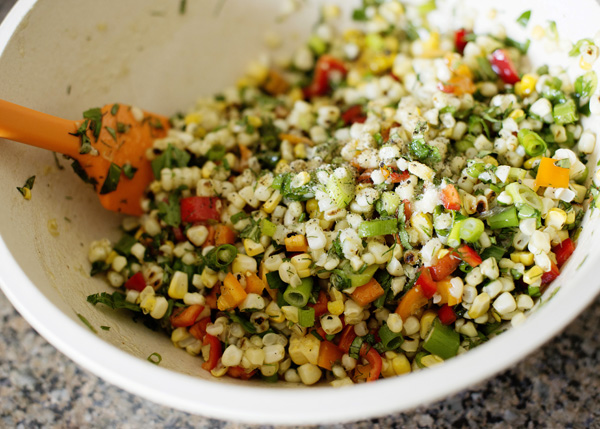
6 Red and orange mini peppers, diced
3 green onions, sliced
Brush the corn with olive oil and season with salt and pepper. Grill over medium-high heat until charred. Let cool and cut the corn off the cob. In a small bowl, whisk vinegar, salt, and pepper. Gradually whisk in olive oil until emulsified. Add the herbs, peppers, and green onion to a large bowl. Add corn. Add dressing and toss to combine. Check for seasoning and add more salt and pepper as needed. Chill until ready to serve.
 zest of 1 meyer lemon
juice of 1 meyer lemon (1/3 C.)
1/2 C. flavorful olive oil
1/2 a small shallot, minced
1 tsp. salt
1/2 tsp. cracked black pepper
1 tsp. anchovy paste
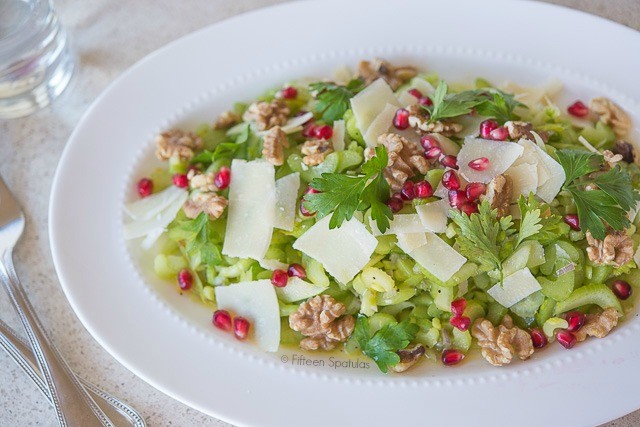
1 bunch celery, sliced (6 C.)
1 C. toasted walnuts
1/4 C. shaved parmesan
1/4 C. pomegranate seeds
1/8 C. parsley leaves
To make the dressing, whisk all the dressing ingredients together for 30 seconds until emulsified. Pour the dressing all over the sliced celery and let sit for 1 hour. The celery will macerate and soften slightly. Move the celery salad to a serving plate with a slotted spoon (leaving behind any excess liquid), then sprinkle on the toasted walnuts, parmesan, pomegranate seeds, and parsley leaves. Enjoy!
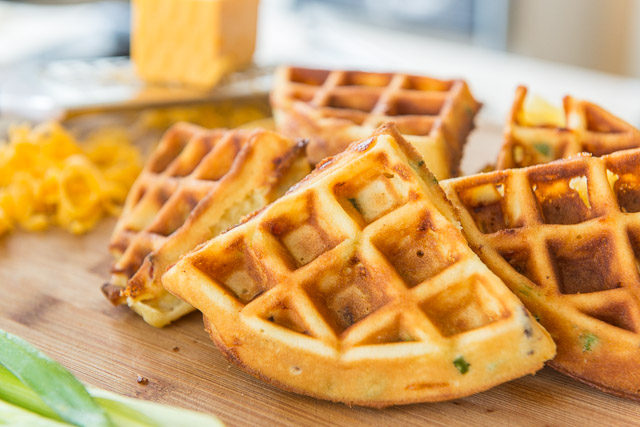 2 C. all-purpose flour (10 oz)
¾ C. granulated sugar
1 tsp. salt
1 tsp. baking powder
3 eggs, separated
1.5 C. milk
1 C. unsalted butter, melted
6 strips bacon, cooked and crumbled
2.5 oz. grated cheddar cheese
3 scallions, chopped
Preheat your waffle iron. Mine only has one setting anyway, but you want the iron to be pretty hot. Preheat the oven to 200 degrees F. In a large bowl, whisk to combine the flour, sugar, salt and baking powder. Set aside. In another bowl, whisk to combine the egg yolks, milk, and butter. Set aside. In a large (and very clean) bowl, use a hand mixer to whip the egg whites to soft peaks. Add the wet ingredients to the dry, and mix until they are almost combined. Add the egg whites, bacon, cheese, and scallions to the bowl, and gently fold them in until combined. Portion the batter into your waffle iron (the amount will vary by waffle iron, but I use about one C. per waffle), and cook for approximately 5 minutes, until golden brown. When the waffle has finished cooking, place directly on the wire rack in the oven, to let the steam escape. Finish cooking the remaining waffles, and enjoy!
 1 Asian pear, peeled and grated
1 kiwi, peeled and grated
1/2 C. soy sauce
1/3 C. packed brown sugar
2 cloves garlic, pressed or minced
1 tsp. sesame oil
freshly ground black pepper
2 pounds Korean style beef short ribs
In a large bowl, whisk to combine the grated Asian pear, grated kiwi, soy sauce, brown sugar, garlic, sesame oil, and a few cracks of black pepper. Combine in a marinade bag with the beef, and let marinate for at least 4 hours, and as long as overnight. Remove the beef from the marinade, and discard the marinade. Either grill the beef for 3-4 minutes on each side, or broil them on top of a wire rack set over a sheet pan, also for 3-4 minutes on each side. If those two cooking options aren’t available, you can also pan fry them in a skillet. Cook them until they are caramelized and deeply brown on the edges. Enjoy!
2-3 slices of dry bread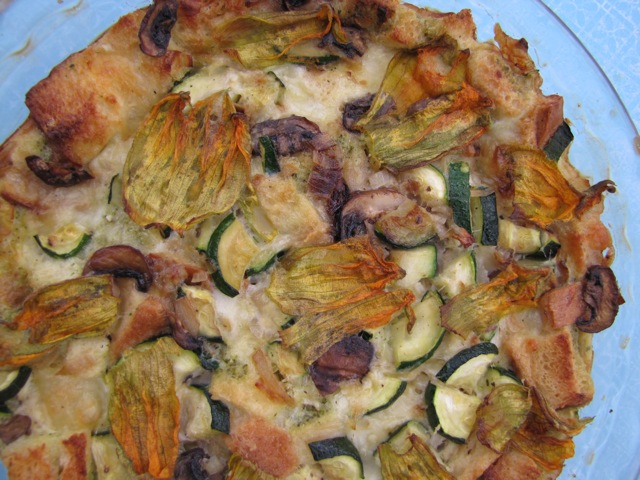
pesto
3 eggs
1 C. milk
1/2 C. grated cheese (I used sharp cheddar and Emmental. Feta would also be delicious, but reduce to 1/4 C. crumbled feta)
olive oil
1 clove garlic minced
1/2 shallot, finely chopped
2 medium zucchini, quarter lengthwise and cut into slices
8-10 small mushrooms
S&P
squash blossoms to decorate if available
Preheat the oven to 350 F degrees. Grease a 9 1/2 ” pie pan. Spread the dry bread generously with pesto and cut into 1 inch squares. Arrange the squares in the bottom and edges of the pie pan. Beat 3 eggs, add the milk, and beat to combine. Add salt and pepper to the egg mixture. In a frying pan, heat the olive oil and add the minced garlic and shallot with salt and pepper. Cook over medium, stirring well, for 3-4 minutes. Add the zucchini, salt and pepper, and cook for 4 minutes. Add the mushrooms and cook until zucchini is almost tender. Spread the cooked vegetables over the bread. Top with the grated cheese (or crumbled feta). Pour the egg mixture over the bread, vegetables, and cheese and use a spatula to press the ingredients down into the egg mixture. If you have squash blossoms, remove the stems and the stamens from inside. Carefully, tear open each blossom on one side so they open flat like a book. Place them on top of the egg mixture and gently press down into the egg mixture. Bake at 350 F degrees for 30-35 minutes. Enjoy with a salad!
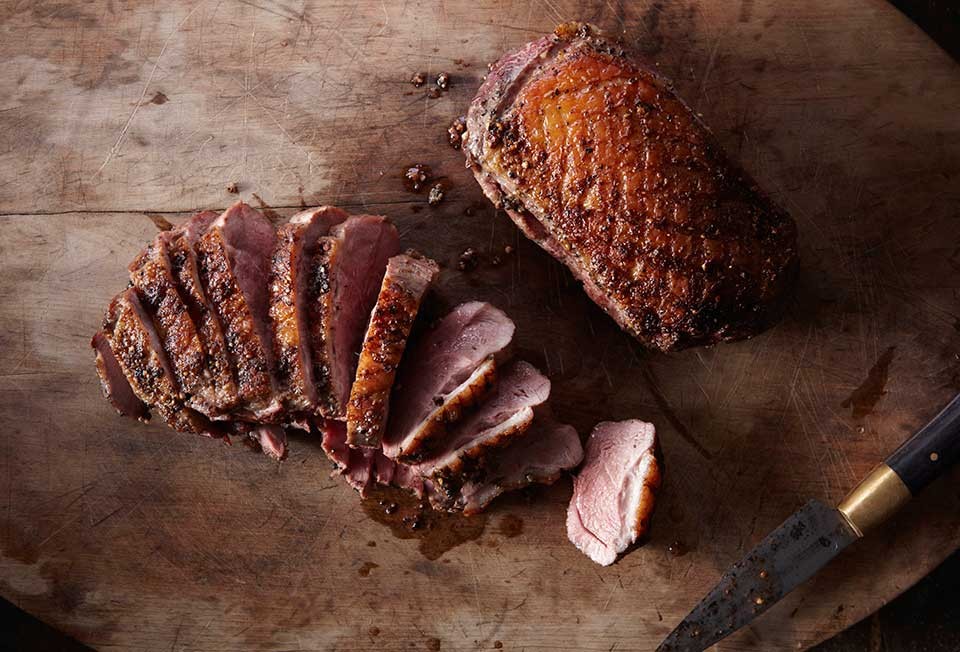 1 Muscovy duck breast (about 1 pound)
1 tsp. salt
4 garlic cloves, smashed to a paste, with a little salt
1 tsp. coarsely crushed peppercorns
Parsley salad (recipe follows)
With a sharp knife, remove the tenderloin from the underside of the duck breast and reserve for another purpose. Trim any ragged bits or gristle. Turn the breast over and trim any excess fat from the edges. Score the skin by making shallow diagonal cuts, 1/2 inch apart, in one direction and then repeating in the other direction, creating a diamond pattern. Season on both sides with the salt, then massage with the garlic paste. Press the crushed peppercorns evenly over both sides. Put the duck on a platter and leave to marinate for at least 1 hour at room temperature, or refrigerate overnight (if the latter, bring to room temperature before cooking).. Heat a cast-iron skillet over medium-high heat. After 5 minutes, when the pan is hot, carefully add the duck breast skin side down and let it begin to sizzle. Using tongs, check to see that the skin is not browning too quickly, and reduce the heat as necessary. Be careful: The duck breast will render a fair amount of hot fat. The skin should be golden and crisp after 6 or 7 minutes. Turn the breast over and cook for 2 minutes more. Remove to a carving board and let rest for 10 minutes. (When the rendered duck fat has cooled a bit, strain into a jar and save for future use). Cut at an angle into 1/4-inch-thick slices and arrange on a platter. Top with the parsley salad and serve. Serves 2 to 4.
To make the parsley salad:
1 large bunch flat-leaf parsley
2 tsp. lemon juice
Salt and pepper
1 small garlic clove, minced
2 tsp. olive oil
A chunk of Parmigiano-Reggiano cheese for shaving (optional)
Pick the parsley leaves from the stems—you want about 2 C. Wash and gently dry with a clean towel. In a small bowl, whisk together the lemon juice, salt and pepper to taste, garlic and olive oil. The parsley leaves must be dressed at the very last minute. Season with a sprinkle of salt, then toss with the dressing to coat lightly and serve in a fluffy pile. Garnish with shavings of Parmesan, if desired
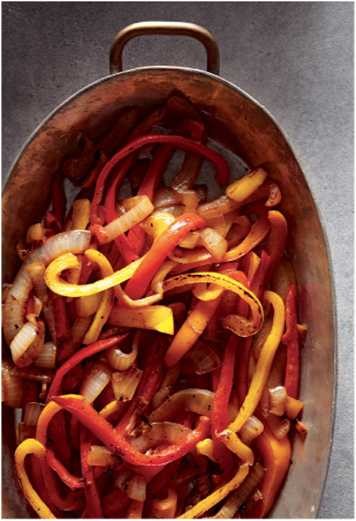 Here is a technique you don’t hear much about. The idea is to cook peppers and onions in a hot dry pan, relying on the moisture in the vegetables to keep them from burning (though they do char in a pleasant way). Since both the vegetables are high in water content, they begin to steam, but the high heat evaporates the steam immediately. As they are stirred, they start to take on a bit of color and soften. Once they are half-cooked, add salt and a small amount of oil, which allows them to caramelize, intensifying their natural sweetness. Eat them hot or cold. They’re good plain, but I usually add garlic, hot pepper, parsley or basil, and a little vinegar too. serves 4
1 large onion, cut into 1/4-inch slices
3 medium red or yellow sweet peppers (about 1 pound), sliced into
1/4-inch-wide strips
Salt and pepper
2 tsp. olive oil
2 garlic cloves, minced
Red pepper flakes
1 tsp. red wine vinegar
Chopped parsley or basil
Heat a wide cast-iron skillet over high heat, without adding any oil or fat, until the pan is nearly smoking, usually 4 to 5 minutes. Throw in the onion and peppers and stir briskly, then continue stirring until the vegetables begin to soften and char slightly, about 2 minutes. Adjust the heat if they seem to be cooking too quickly. Season with salt and pepper, add the olive oil, and stir-fry until nicely caramelized, another minute or so. Add the garlic and a pinch of red pepper flakes and turn off the heat, then transfer to a serving bowl and add the vinegar and chopped parsley or basil.
2 C. orange juice
2 tsp. dark rum
2 tsp. fresh lime juice (1 lime)
3 garlic cloves, minced
2 tsp. finely chopped fresh oregano leaves
1 2-pound pork shoulder
3 tsp. orange juice
2 tsp. finely chopped fresh thyme leaves
2 tsp. finely chopped fresh oregano leaves
1 tsp. ground cumin
1/2 tsp. salt
1/2 tsp. freshly ground black pepper
1 tsp. extra-virgin olive oil
1 large yellow onion, thinly sliced (about 1 1/4C.)
2 tsp. sugar
Pinch of salt
1 large crusty baguette (about 16 inches long), sliced in half lengthwise and cut into 4 equal
portions
2 C. finely chopped romaine lettuce, for serving
1/2 C. packed chopped fresh cilantro, for serving
Thvme Mayonnaise
For the marinade, in a small bowl, combine the orange juice, rum, lime juice, minced garlic, and oregano. Cut l-inch-deep slits all over the pork and place it in a gallon-size resealable plastic bag. Pour the marinade over the top, seal the bag, and shake it gently to coat the pork. Refrigerate overnight, for at least 8 hours and up to 24 hours. Remove the pork from the bag and transfer it to the base of a standard 6-quart slow cooker. Pour 1/2 C. the marinade in the base of the slow cooker and discard the rest. In a food processor, pulse the orange juice, garlic, thyme, oregano, cumin, the 1/2 tsp. salt, pepper, and oil until smooth, about 3 pulses. Rub the paste all over the pork and into the slits. Cook on low until the pork is tender and no longer pink in the center, about 8 hours depending on the settings of your slow cooker. Using two forks, pull the pork into large chunks. For the caramelized onion, in a 12-inch nonstick skillet set over medium heat, heat the oil. Add the onion and cook, stirring occasionally, until soft, 10 minutes. Add the sugar and salt and cook, stirring occasionally, until the onion is a deep golden brown, about 12 minutes more. If the onion starts to burn, add a tsp. water to the pan. The caramelized onion will keep in an airtight container in the refrigerator for 5 days. To assemble the sandwiches, lay the 8 baguette pieces on a clean work surface, cut sides up. Spread 2 tsp. the Thyme Mayonnaise on each of half of the baguette pieces. Divide the pork among half of the baguette pieces and top first with the lettuce, then with the onion, then with the fresh cilantro and the other halves of the baguettes. Serve.
Thyme Mayonnaise
2 garlic cloves, minced
Pinch of salt
1 tsp. fresh lime juice (about 1/2 lime)
1/2 C. mayonnaise
2 tsp. finely chopped fresh thyme
In a small bowl, using a fork, mash the garlic with the salt and lime juice. Let stand for 5 minutes to allow the acidity of the lime to soften the garlic. Stir in the mayonnaise and thyme. The thyme mayonnaise will keep in an airtight container in the refrigerator for 3 days.
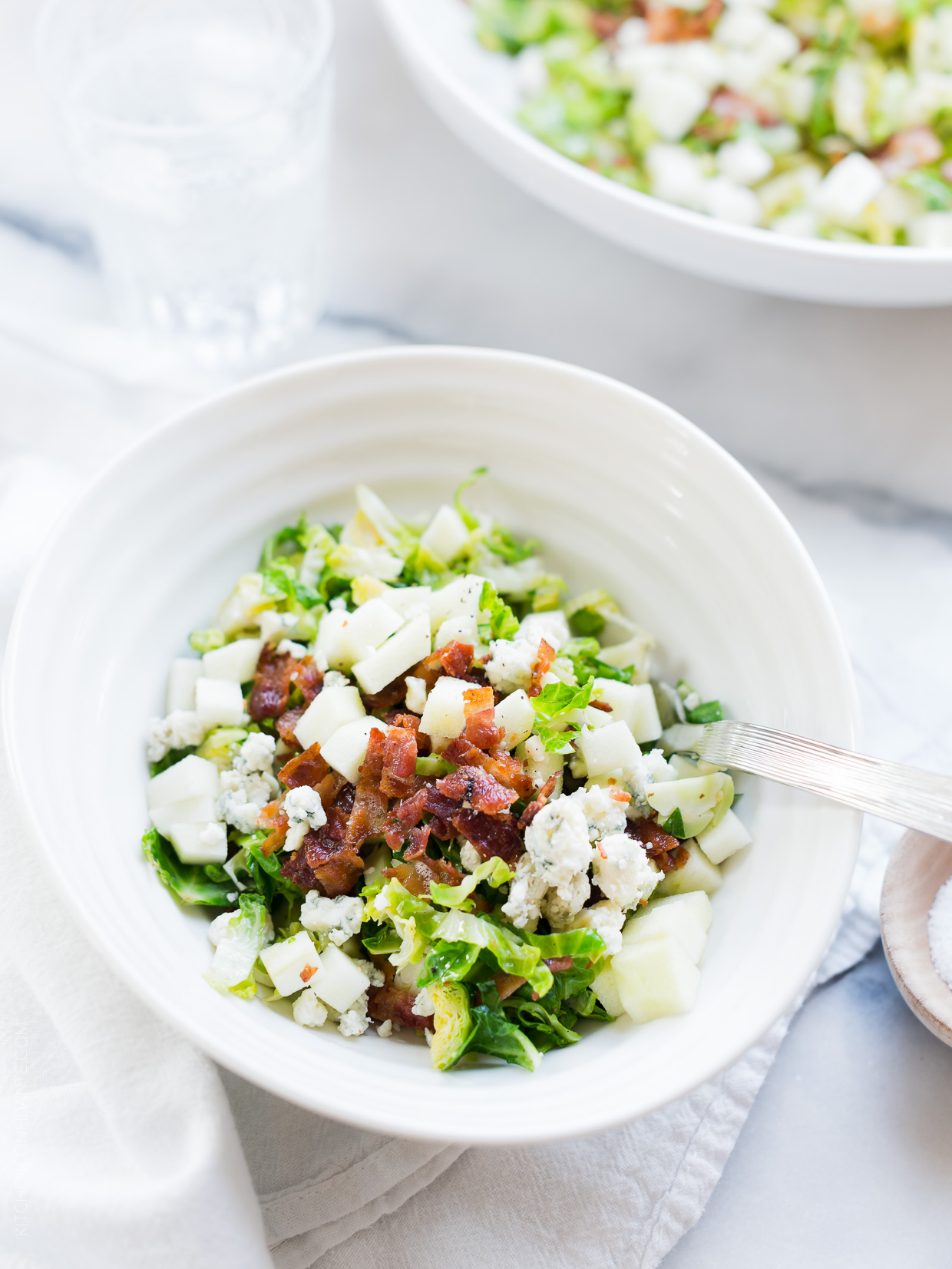 1 1/2 pounds Brussels sprouts, trimmed (about 4 C.)
4 slices bacon
1/2 tsp. salt
1/4 tsp. freshly ground black pepper
1 large Granny Smith apple, peeled, cored, and finely chopped (about 1 C.)
2 oz. Gorgonzola cheese, crumbled (1/2 C.)
Halve the sprouts and thinly slice them into ribbons length-wise. Rub the slices gently between your fingers to separate the layers and put them into a large bowl. In a 12-inch nonstick skillet set over medium-high heat, cook the bacon until crisp, 5 to 7 minutes. Transfer to a paper towel-lined plate to drain. Pour off all but l tsp. the rendered bacon fat from the pan and return the pan to medium-high heat. Add the sprouts, salt, and pepper, and cook, stirring frequently, until browned, 4 to 5 minutes. Transfer the sprouts to a large bowl, crumble the bacon on top, and add the apple pieces and cheese. Toss to combine, divide among 4 plates, and serve.
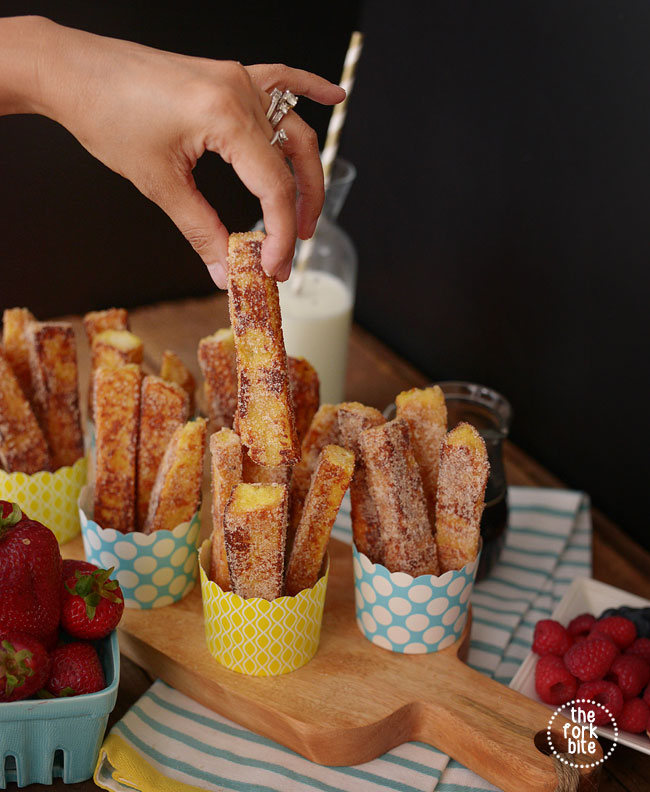 4 thick slices white Texas Toast bread (stale bread is best)
1½ T. butter
2 eggs
¼ C. milk
Salt
¼ C. sugar
½ tsp. cinnamon powder
Remove the crust and cut the bread into 4 sticks. Using a large bowl, mix the milk and eggs + a pinch of salt. Set aside. In another flat bowl, mix sugar and cinnamon. Cut the butter half and heat it up over medium heat. Quickly, roll the bread sticks into the egg mixture – make sure to shake off the excess and place in a pan. Turn each side until golden brown. Once done, transfer immediately in the cinnamon sugar mixture and roll to coat. This way, the mixture sticks easily when the bread is hot. Melt remaining batter and cook the remaining French toast sticks. Serve immediately and garnish with any syrup.
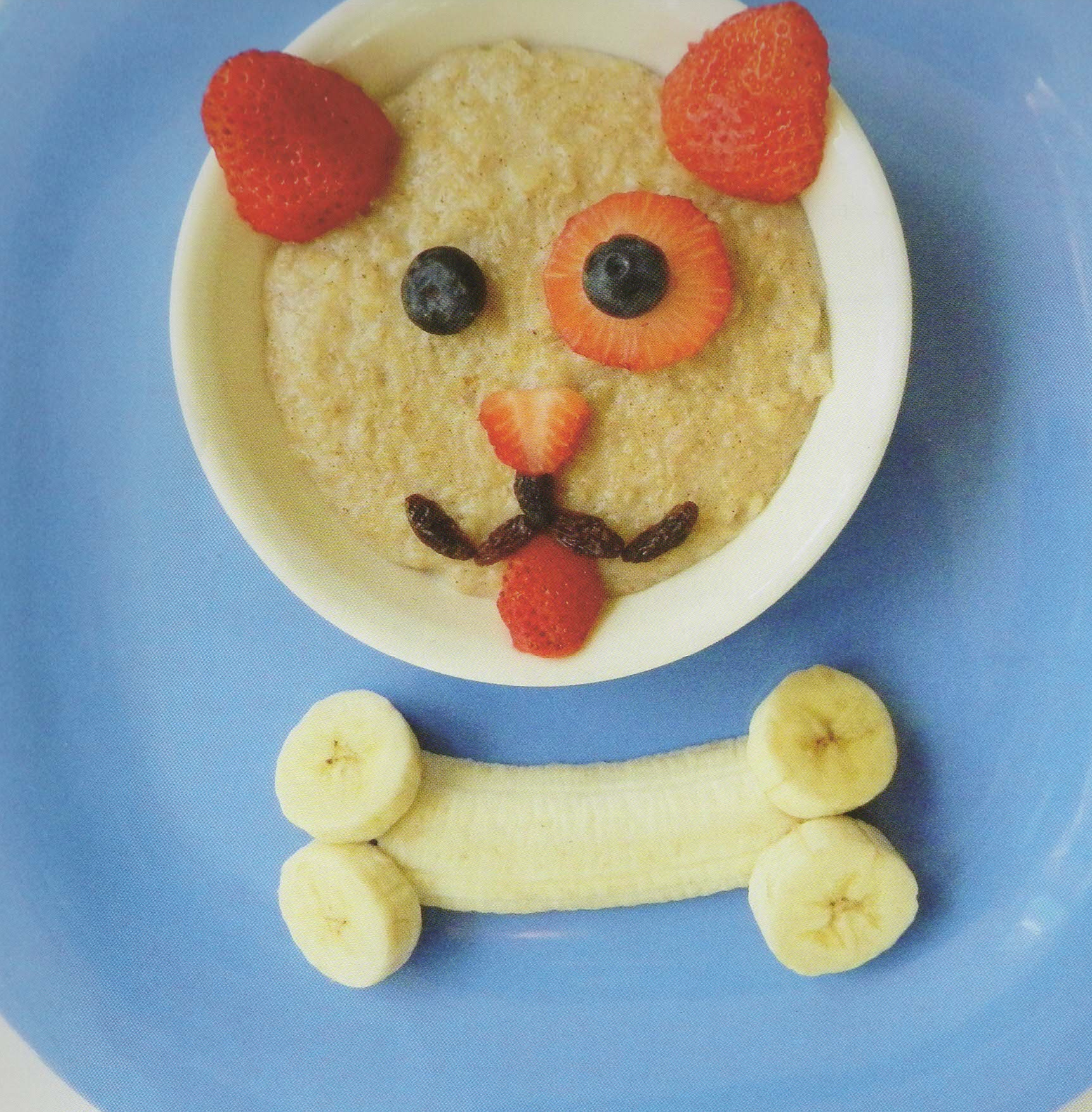
Oatmeal
Strawberries
Blueberries
Banana
Fruit Syrup (mouth) or Raisins

Mandarin Oranges
Blueberries
Cheese
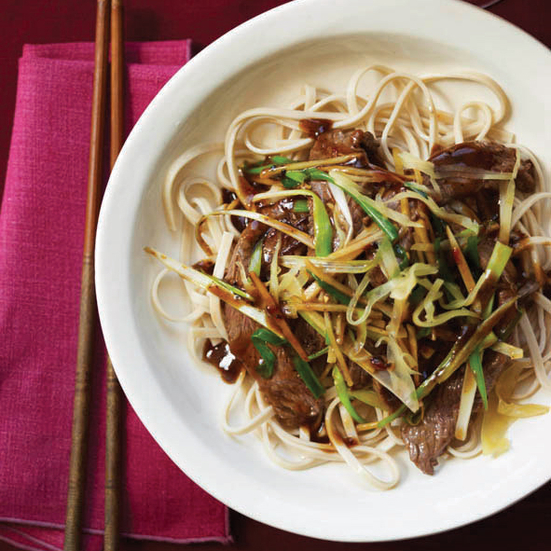 3 tsp. dry sherry
2 tsp. soy sauce
2 tsp. cornstarch
1 1/4 pounds sirloin steak, thinly sliced
1/2 C. low-sodium chicken broth
2 tsp. dry sherry
3 tsp. oyster sauce
1 tsp. hoisin sauce
1 1/2 tsp. Chinese chile-garlic sauce
1 1/2 tsp. cornstarch
3 tsp. vegetable oil
1/4 C. julienned fresh ginger
6 scallions, cut into 2-inch lengths
2 tsp. pickled ginger, sliced into thin strips
In a large bowl, whisk the sherry with the soy sauce and cornstarch. Add the steak and turn to coat with the marinade. Let stand for 15 minutes. In a small bowl, whisk the chicken broth with the sherry, oyster sauce, hoisin sauce, chile-garlic sauce and cornstarch. Lift the beef from the marinade; discard the marinade. Heat a wok or large skillet until very hot. Add 2 tsp. the vegetable oil and heat until shimmering. Add the steak and stir-fry over high heat until browned and cooked to medium, about 1 minute. Transfer the steak to a plate. Add the remaining 1 tsp. vegetable oil to the wok. Add the fresh ginger and scallions and stir-fry over high heat until fragrant, about 30 seconds. Return the steak to the wok and add the pickled ginger and the sauce. Stir-fry until the sauce thickens, about 10 seconds. Transfer the steak to bowls and serve. Serve With: Steamed white rice or cooked lo mein noodles.
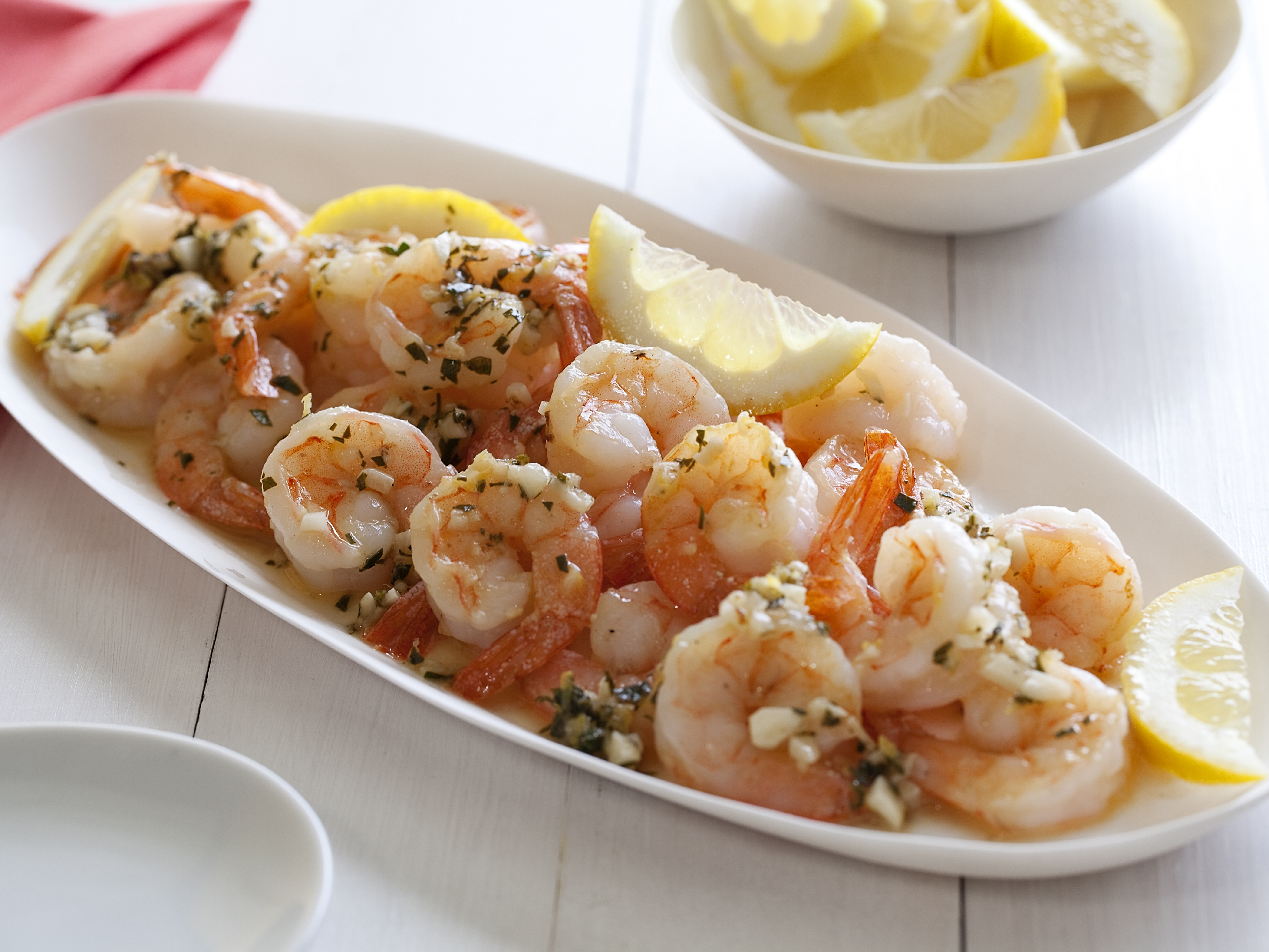 1 lb. Large prawns
4 tsp. butter
1/4 C. Olive oil
5 Cloves fresh garlic, minced
1/8 tsp. each sweet basil, oregano
Juice of 1 lemon
Salt and pepper to taste
1/4 C. Triple Sec or Cointreau
Shell and devein prawns; rinse and drain. Melt butter in medium skillet; add olive oil, garlic, basil and oregano and lemon juice. Sauté for 1 minute. Add prawns and cook until pink. Add salt and pepper and Triple Sec and cook on high until liquid is reduced by 3/4. Serve over pasta or rice.
 2 pounds fresh green beans, trimmed
1 pound fresh beets, trimmed, peeled, and cut into thin wedges
1/2 C. sliced shallots (4 medium)
1/4 C. olive oil
1/2 tsp. salt
1/2 tsp. freshly ground black pepper
1/2 C. broken walnuts (or almonds or filberts)
1/2 C. crumbled feta cheese (2 oz.) (or chevre)
Preheat oven to 425 degrees F. In a large roasting pan combine green beans, beets, and shallots. Drizzle with oil and sprinkle with salt and pepper; toss to coat. Roast, uncovered, for 45 to 50 minutes or until beans and beets are tender, stirring once or twice and adding walnuts during the last 10 to 15 minutes of roasting. To serve, transfer roasted vegetables to a serving platter. Sprinkle with cheese.
21 or more cloves fresh garlic, peeled, divided
8 chicken breast halves and 4 legs
2 tsp. vegetable oil
2 medium onions, sliced
1 1/2 C. water
1 (8 oz) can tomato sauce
1/2 C. Sherry
2 tsp. sugar
1 tsp. vinegar
1 tsp. each salt and chervil
2 large bay leaves
1 heaping tsp. whole peppercorns
1 cheesecloth square, 4×4 inches
Lemon slices and parsley for garnish
cooked buttered noodles
Cut 5 garlic cloves into thin slices. With sharp pointed knife, pierce chicken skin at 1 1/2 inch intervals and insert garlic slices between the skin and the flesh. Heat oil to medium heat and sauté chicken, onions and remaining whole garlic cloves until chicken is slightly browned, being careful that onions and garlic do not burn, stir often. Add water, tomato sauce, sherry, sugar, vinegar, salt and chervil; bring to a boil. Wrap bay leaves and peppercorns in cheesecloth and tie opposite ends to make a bag. Drop into the boiling sauce; reduce heat, cover and simmer for 25-30 minutes until chicken is tender. Remove spice bag. Secure a parsley sprig into center of 8 lemon slices with a toothpick. Place on top of larger pieces of meat, cover and simmer for 8 minutes. Arrange on platter, decorated with additional fresh parsley, if desired. Serve at once, accompanied by buttered noodles.