Browsed by
Tag: Jams+

Mango Chutney Chicken Salad

Mango Chutney Chicken Salad

Chicken:

2 cups chicken broth (one 14 1/2-ounce can)
Water, as necessary
1 carrot, sliced
1/4 cup sliced onion
2 sprigs fresh flat-leaf parsley
1 bay leaf
16 oz. boneless, skinless chicken breast halves

Mango Chutney Dressing:

3 T. low-fat plain yogurt
2 T. mayonnaise
2 T. mango chutney (see Tip)
1 T. fresh lemon or lime juice
1 tsp. lemon or lime zest
1/4 tsp. freshly ground pepper, or to taste

To complete the recipe:

1/2 cup halved seedless green or red grapes (about 3 oz.)
2 scallions, chopped
8 leaves romaine lettuce
Garnish: wedges of cantaloupe and honeydew melon, strawberries, toasted sliced almonds

Pour the chicken broth into a medium sauté pan; add enough water so that the liquid is about 1 1/2 inches deep (when it is added, the chicken should be covered by about 1/2 inch water). Add the carrot, onion, parsley, and bay leaf. Bring the liquid a boil over high heat. Add the chicken; reduce the heat to medium. Cover and cook for 8 to 10 minutes, or until the chicken is just cooked through. With a slotted spoon, remove the chicken from the sauté pan. Cut it into 1-inch squares and place on a plate to cool. (Discard the carrot, onion, parsley, bay leaf, and poaching liquid.) Meanwhile, in a medium bowl, stir together the Mango Chutney Dressing ingredients. Taste and adjust the seasonings. Add the grapes, scallions, and chicken; stir until the dressing is evenly distributed. To assemble the servings, line 4 plates with romaine lettuce leaves. Top each with a mound of chicken salad.

Advance preparation: The dressing will keep for up to 2 days in a tightly closed container in the refrigerator. If time permits, after the salad has been prepared, cover and refrigerate for at least an hour (or up to 1 day) to allow the flavors to blend.

Mango Chutney Chicken

Mango Chutney Chicken

4 boneless chicken breast halves
2 T. vegetable oil
3/4 cup Hot Mango Chutney
1/2 cup dry white wine, or chicken broth
2 cloves garlic, finely chopped
1/2 tsp. salt
1/2 tsp. curry powder
1/4 cup flour

Coat chicken lightly with flour. Heat vegetable oil in large skillet over medium-high heat. Add chicken; cook for 2 to 3 minutes on each side or until browned. Combine chutney, wine, garlic, salt and curry powder in medium bowl; pour over chicken. Reduce heat to low; cover. Cook, stirring occasionally, for 20 to 25 minutes or until chicken is no longer pink in center. Remove chicken. Increase heat to medium-high. Cook sauce, stirring frequently, for 1 to 2 minutes or until slightly thickened. Pour sauce over chicken before serving. Serves 4.

Chutney Chicken

Chutney Chicken

4 Chicken breasts
1/2 cup plain nonfat yogurt
1/4 mango and paw paw chutney
2 T. wholegrain mustard
1 T. Worcestershire sauce
1 T. lemon juice
1 T. apricot jam
pinch of salt

Prepare chicken by removing excess fat and place chicken in flat baking tray. Mix all other ingredients together and pour over chicken. Marinated in fridge for at least an hour. prepare BBQ hot plate or grill with oil. When plate is hot put on chicken and grill for five minutes each side or until cooked. Cooking time will depend on thickness of each breast.

Roasted Garlic and Onion Jam

Roasted Garlic and Onion Jam

3 large Spanish onions
2 heads garlic – roasted
2 T. sugar
2 T. brown sugar
4 T. balsamic vinegar

Squeeze roasted garlic cloves unto a small plate. Set aside. Cut onions in half lengthwise; peel. Cut off ends; cut lengthwise into 1/4-inch thick pieces. Coat a 13 inch skillet with cooking spray, and set over medium heat. Add onions, and cover. Cook, stirring occasionally, until softened and translucent, about 15 minutes. Add sugars; recover. Cook, stirring occasionally, until onions are golden, 20 – 30 minutes. Add 1/4 C. water and stir. Cover and cook until dark brown, 20 -30 minutes. Add balsamic vinegar, roasted garlic cloves, and another 1/4 C. water. Continue cooking until liquid has been absorbed, about 10 minutes. Transfer to a bowl to cool. Store in an airtight container in the refrigerator for up to 1 week.

Goat Cheese Sandwiches with Roasted Peppers & Onion Jam

Goat Cheese Sandwiches with Roasted Peppers & Onion Jam

2 tsp. olive oil
3 C. onions, thinly sliced
1 1/2 T. balsamic vinegar
1 1/2 T. currants
1/8 tsp. salt
1/8 tsp. freshly ground black pepper
1 16″ long baguette
4 oz. creamy goat cheese
4 T. olivada
1 7 oz. jar roasted red bell pepper
1 1/2 C. arugula

In heavy non-stick skillet, heat oil over low heat. Add onions and cook, stirring often until they are tender and light golden (15 to 20 minutes). Add vinegar, currants salt and pepper and stir in pan briefly. Remove from heat and let cool. Slice baguette into 4 equal lengths. Split each horizontally. Spread bottoms with goat cheese and tops with olivada. Spoon onion jam over the goat cheese, spreading evenly. Top with roasted peppers and arugula. Set tops on sandwiches and serve.

Yield: 4 servings
Calories: 217
Fat: 10g
Fiber: 2g

Citrus Chicken with Roasted Corn Relish

Citrus Chicken with Roasted Corn Relish

4 (6-oz.) skinned chicken breast halves
2/3 C. fresh lime juice, divided
1/2 tsp. ground cumin
1/2 tsp. chili powder
1/4 tsp. salt
1/4 tsp. ground red pepper, divided
1 olive oil-flavored vegetable cooking spray
1 (16-oz.) package frozen corn with peppers and onions, thawed
2 tsp. chopped fresh cilantro
8 fresh cilantro sprigs (optional)

Place chicken in a heavy-duty, zip-top plastic bag. Reserve 1 T. lime juice; pour remaining juice over chicken. Seal bag; shake to coat chicken. Marinate in refrigerator 1 hour; turn bag occasionally. Combine cumin, chili powder, salt, and 1/8 tsp. red pepper in a small bowl. Remove chicken from marinade, discarding marinade. Sprinkle chicken with cumin mixture. Coat rack of a broiler pan with cooking spray. Place chicken, skinned sides down, on rack; broil 8 inches from heat (with electric oven door partially opened) 25 minutes. Turn chicken, and broil 15 additional minutes or until done. Set chicken aside, and keep warm. Coat a large nonstick skillet with cooking spray; place over medium-high heat until hot. Add corn mixture and remaining 1/8 tsp. pepper; sauté until corn is lightly browned and tender. Spoon corn mixture onto individual serving plates; top with chicken. Drizzle with reserved 1 T. lime juice; sprinkle with chopped cilantro. Garnish with cilantro sprigs, if desired.

Yield: 4 servings
Calories: 237
Fat 4.1g
Fiber 1.5g

Halibut with Mango Chutney

Halibut with Mango Chutney

Mango Chutney
1 fresh mango, peeled, pitted, and chopped (1 C.)
2 green onions, white parts only, chopped (1/2 C.)
1 T. peeled, grated fresh gingerroot
1/2 C. fruity white wine (I prefer dealcoholized blanc)
1/4 tsp. angostura bitters (optional)l
1/4 tsp. cayenne pepper

Halibut
1/4 tsp. salt
1/4 tsp. freshly ground black pepper
1 1/2 T. finely chopped fresh tarragon
1 1/2 T. finely chopped fresh parsley
1 1/2 T. finely chopped fresh chives
1 1/2 T. finely chopped fresh basil
6 halibut fillets, about 6-oz. each
6 C. arugula leaves, washed and spun dry

Combine the mango, onion, ginger, wine, bitters, and cayenne in a small saucepan. Bring to a boil over medium heat, then reduce the heat and simmer for 10 minutes. Remove from the heat and set aside until ready to serve. You can make this ahead if you like. Preheat the broiler. Season the fish with the salt and pepper then spray lightly with cooking oil spray. Mix the tarragon, parsley, chives, and basil in a small bowl and sprinkle a third of this mixture on one side of the fish. Place the fish on a broiler pan, herbed side down. Sprinkle the fillets with another third of the herb mixture, then spray the tops of the fish lightly with cooking spray. (Save the rest of the herbs for garnish.) Broil the fillets for 4 minutes on each side, or until the flesh is no longer translucent, but white throughout. Divide the arugula among 6 plates and lay a fish fillet on top of each. Heap a spoonful of mango chutney on the fish and sprinkle the reserved herb mixture over all.

Yield: 6 servings
Calories: 219
Fat: 4g
Fiber: 1g

Savory Rhubarb Jam for Grilled Salmon

Savory Rhubarb Jam for Grilled Salmon

1/2 C. sherry

1 1/4 lb. rhubarb trimmed and cut in 1” pieces

3/4 C. sugar

Juice and zest of 1 large lemon

1/4 C. water

1 tsp. Dijon mustard


Cook ingredients in a non-reactive saucepan for 10 minutes or until jam like. Stir to prevent burning. Serve under or drizzled over the top of grilled salmon.


Yield:

Calories:

Fat:

Fiber:


Baked Turkey Tenderloin with Jalapeno Apple Chutney

Baked Turkey Tenderloin with Jalapeno Apple Chutney

2 Fresh Turkey Tenderloins

1 1/2 C. applesauce

1 jalapeno, seeds removed and diced (or 2 tsp. of canned)

1/2 C. diced onion

1/4 C. apple juice

4 T. olive oil

1/2 tsp. salt


Preheat oven to 375 F. Season turkey tenderloins with oil, salt, and pepper and place in oven safe pan. Place onion and jalapeno in an oven safe pan and cook in oven for 15 minutes or until onion starts to brown. Remove onion and jalapeno from oven and place in a blender or food processor with apple juice and applesauce. Blend on high until almost smooth. Remove and refrigerate. Place seasoned turkey tenderloins in oven for 30 minutes or until meat reaches 160 F in temperature. Once turkey tenderloins are cooked, remove from oven, slice and serve with apple chutney.


Yield:

Calories:

Fat:

Fiber:


Lemon Marmalade

Lemon Marmalade

lemon marm4 pounds lemons, scrubbed and cut into 8 wedges each

8 1/2 cups sugar (3 3/4 pounds)

1/4 cup fresh lemon juice

Ten 1/2-pint canning jars with lids, sterilized in boiling water


On Day 1, in a large nonreactive saucepan, cover half of the lemon wedges with 2 inches of water (about 8 cups) and let stand at room temperature overnight. One Day 2, bring the lemon wedges to a boil. Simmer over moderate heat, stirring every 30 minutes, until the lemons are very tender and the liquid is reduced by half, about 2 hours and 15 minutes. Pour the lemon wedges into a fine sieve set over a large heatproof bowl; let cool completely. Wrap the sieve and bowl with plastic and let drain overnight at room temperature; discard the lemon wedges. Also on Day 2, seed the remaining lemon wedges and slice them very thinly crosswise. In a large nonreactive saucepan, cover the lemon slices with 2 inches of water (about 8 cups) and bring to a boil. Simmer over moderately high heat for 5 minutes, stirring occasionally. Drain the lemon slices in a fine strainer; discard the cooking liquid. Return the lemon slices to the saucepan and cover with 1 inch of water (about 4 cups). Bring to a boil and simmer over moderate heat, stirring occasionally, until the lemons are very tender and the liquid is slightly reduced, about 40 minutes; let stand at room temperature overnight. On Day 3, add the strained lemon-wedge liquid to the slices in the saucepan. Stir in the sugar and lemon juice and bring to a boil. Simmer over moderate heat, without stirring, until the marmalade darkens slightly, about 30 minutes; skim off any foam as necessary. Test for doneness: Spoon 1 tablespoon of the marmalade onto a chilled plate and refrigerate until it is room temperature, about 3 minutes; the marmalade is ready when it thickens like jelly and a spoon leaves a trail when dragged through it. If not, continue simmering and testing every 10 minutes until it passes the test, up to 1 hour and 30 minutes. Spoon the marmalade into the canning jars, leaving 1/4 inch of space at the top. Screw on the lids. Using canning tongs, lower the jars into a large pot of boiling water and boil for 15 minutes. Remove the jars with the tongs and let stand until the lids seal (they will look concave). Store the marmalade in a cool, dark place for up to 6 months.

Meyer Lemon and Blood Orange Marmalade

Meyer Lemon and Blood Orange Marmalade

marmalade5 C. of Sugar

1/8 tsp. Butter

1 1/2 C. of Water

2 Medium oranges

1 Medium Size Blood Orange

1 Large Regular Lemon

1 Large Meyer Lemon

1/8 tsp. Baking Soda

1 Pouch of Liquid Pectin such as Sure Jell


Measure sugar into a bowl, top with 1/8 Tsp. butter, cover, and set aside. Pour water in a large saucepan, cover with a lid and set aside. Using a zester, carefully remove zest from all of the fruit and place in the large saucepan, stir into the water, cover with the lid and set aside. Try not to remove any of the white part, known as the pith, as it will give your marmalade a bitter flavor. Segment and chop all of the fruit, catching their juices in a non reactive bowl. (Be sure to remove all pits.) Cover bowl of fruit and juices and set aside. Add baking soda to water and zest. Bring to a boil, reduce heat to medium low, cover, and simmer for 2o minutes. As the zest simmers for 20 minutes, it is a good time to check the dishwasher cycle to be sure it is still on heated dry, re-read instructions for filling and sealing jars, and it is a good time to wash, dry, and put away all dirty dishes used so far. Place Liquid Pectin Pouch standing up in a glass measuring C. and cut off the top of the pouch using clean scissors. Set the pectin near the simmering zest, so it will be handy, when ready to use. As soon as the zest mixture is done simmering, turn the heat up to high and add the fruit, juice, sugar, and mix well. Bring water in the water bath canner, tea kettle, and small sauce pan back to a heavy rolling boil. Quickly remove small saucepan full of boiling water from the stove and place on a trivet. Place clean lids in the water, cover, and allow to rest, until ready to use. Turn heat under tea kettle down to medium low. Bring jam to a heavy rolling boil that will continue even as mixture is stirred. Reduce heat to medium or medium low so mixture is bubbling gently. Continue to stir as mixture simmers for 8 minutes.*It is very important to stir constantly so mixture will not burn. Turn heat back up to high and bring mixture back up to a rapid boil for 1 minute. Add pectin and bring mixture back up to a boil, stirring constantly for 1 more minute. Remove marmalade from the heat, set on trivet, and quickly skim off any foam with a metal skimmer. Remove 1 hot jar from the dishwasher, place funnel on top of jar, and ladle marmalade into jar, being sure to leave 1/4 th of an inch head space. Remove the funnel, use bubble freer to remove bubbles from jar, slightly wet the clean paper towels with water and use to wipe any jam from the top of the jar. Using lid wand, remove 1 lid from the small saucepan of water, line up and place on top of the jar and screw band on, making sure the band is not too tight. Lift canning rack; latch onto sides of canner, and using jar lifter, place jar of marmalade on the rack. Continue this process till all jars are full and are resting lid side up on the rack. The jars should all be half covered with boiling water at this point. Gently lower rack in to the boiling water. The jars should be covered with 1 – 2 inches of water. If more water is needed, pour boiling water from tea kettle into the water bath canner at this point. Bring water in water bath canner to a boil and process the jars for 10 minutes. Meanwhile, begin to clean up the kitchen and set down a dish towel to place under the hot processed jars of marmalade while they cool. (Setting hot jars on a cool surface may cause them to shatter.) Turn off the heat, remove the lid, and allow the pot to cool for 5 minutes. Lift canning rack, latch onto sides of canner, carefully remove jars one by one with the jar lifter, and place 1 – 2 inches apart of the clean dish towel. Do not tilt jars to remove water from the lid as this may affect the seal. The water will easily evaporate from the heat of the jar. Listen for and count the pings, the sound that the jars make as they seal. Allow jars to sit for 24 hours before removing bands and checking lids to be sure they are sealed. Store homemade marmalade in a cool dark place such as a basement for up to 1 year.


Yield:

Calories:

Fat:

Fiber:


Indian-Asian Seared Cod with Cilantro-Mint Chutney

Indian-Asian Seared Cod with Cilantro-Mint Chutney

4 T. Vegetable Oil

1 small Yellow Onion, chopped

2 Cloves Garlic, crushed

Salt and Pepper

1 C. Jasmine Rice

1 C. Shredded Coconut

1 ½ C. Chicken Broth

1 C. Frozen peas

4 8oz. portions Cod Fillets

½ T. ground dried Coriander

1 C. fresh Cilantro, stems and leaves

½ C. Mint Leaves

5 Scallions, chopped

2″ piece fresh Ginger, peeled and cut into large chunks

1 Jalapeno, halved and seeds removed from one side

½ T. Cumin

2 T. Sugar

Zest and Juice of 1 Lemon

cod

Preheat oven to 375. Heat sauce pot over medium high heat with about 2 T. Vegetable oil. Add 3/4th of onion, 1 crushed clove garlic and salt and pepper. Cook for 2 minutes, then add rice and stir to coat in oil. Add coconut and chicken stock and bring up to a simmer. Cover tightly and cook for 18 minutes, or until all liquid is absorbed. Add peas for last 5 minutes of cooking. Heat large nonstick oven safe skillet over high heat with remaining 2 T. oil. Season fish with coriander, salt and pepper. Add to pan and sear on first side for 2 minutes. While fish cooks, start the chutney. Place remaining quarter onions in food processor with cilantro, mint, scallions, ginger, garlic, jalapeno, cumin, sugar, lemon zest and juice with a splash of water. Puree until smooth. Flip seared cod over in the pan, cover with foil and transfer to oven. Bake for 5 minutes. Top with chutney and return to oven until fish is firm to touch and cooked through, another 3-5 minutes. Stir cooked rice with fork to distribute peas in the rice and remove the crushed garlic clove. Serve fish with its warm sauce over rice.

Baked German Apple Pancake with Cherry Preserves

Baked German Apple Pancake with Cherry Preserves

german2 Golden Delicious apples, cored and sliced in the food processor

1/4 C. butter

1/4 C. packed brown sugar

1 C. whole milk

4 eggs

1 C. biscuit baking mix

1/2 tsp. ground cinnamon

Confectioners’ sugar

1/2 C. jarred cherry preserves


Preheat the oven to 400°F. Coat a 9″ deep-dish pie plate with cooking spray. Place the apples, butter, and brown sugar in the dish. Stir to combine. Cover with plastic wrap, leaving a corner vent. Microwave on high power, stirring once, for 6 minutes, or until partially cooked. Meanwhile, measure the milk in a large measuring cup. Add the eggs. Beat with a fork until smooth. Add the baking mix and cinnamon. Mix just until no longer dry. Pour the batter over the apple mixture. Bake for 30 to 35 minutes, or until puffed and golden. Dust with confectioners’ sugar. Dollop some of the cherry preserves on each serving.


Yield:

Calories:

Fat:

Fiber:

Sweet Cornbread with Honey Butter

Sweet Cornbread with Honey Butter

Sweet Cornbread with Honey Butter


2 T. Dry Milk Powder (non instant)

2/3 C. white sugar

½ tsp. baking soda

1 C. cornmeal

1 C. white flour

½ C. butter powder

2 T. egg powder

½ tsp. salt

1 1/4 C. + 2 tsp. water

1 T. vinegar


Preheat oven to 375 degrees F. Grease an 8 x 8 inch square pan. In a small bowl, Whisk 2 T. powder milk into 1 C. water. Add vinegar, mix, and let sit for 5 minutes. When you add the vinegar to the milk, it will foam up and get a few chunks in it – don’t worry. That is how it is supposed to look. It may not look appetizing, but it is a way of creating buttermilk, and it makes the recipe so much better than just using plain milk Meanwhile in a large mixing bowl, whisk the butter powder and egg powder into ¼ C. plus 2 tsp. water. Add milk mixture into the egg/butter mixture. Mix together. Add the rest of the ingredients in and stir until few lumps remain. Bake in the preheated oven for 20 to 30 minutes or until a toothpick inserted in the center comes out clean. Serve warm. You can also cook it in mini muffin tins, about 1 tsp. batter per greased muffin cup (do not use paper liners).


Honey Butter

1 C. butter powder

1 C. honey

½ C. water

1 C. powder sugar

1 tsp. vanilla

Using wire whisk or Kitchen Aid beat ingredients until creamy

Ketchup

Ketchup

Ketchup


6 T. Tomato powder

1/2 C. water

¼-1/2 C. apple cider vinegar

½ tsp. salt

½ tsp. dried oregano

½ tsp. cumin

⅛ tsp. pepper

1 tsp. mustard powder


Combine all ingredients. You can serve immediately, or combine in a pot, bring to a near boil, then reduce heat and simmer a bit to meld and develop flavors.

Apple Butter

Apple Butter

Apple Butter


8 C. mashed apples

4 C. sugar

1 tsp. cinnamon

1/2 tsp. cloves


Cook and mash the apples. Put all ingredients into the crockpot. Cook on high for 5 hours, then on low heat for 3 hours. Stir occasionally. Put in jars and seal.

Vegetable Relish

Vegetable Relish

Vegetable Relish


3/4 C. diced Red Bell Pepper

3/4 C. diced Green Bell Pepper

1 C. diced Onion

1 C. Cabbage, coarsely shredded

4 C. (??? Green or Red mom?) Tomatoes, diced


Cook vegetables with water to cover and 1/2 C. salt. Use 1/2 recipe from page 167 Better Homes and Gardens cookbook for sealing in jars.

Pepper Relish

Pepper Relish

Pepper Relish


5 1/2 C. Green Peppers, chopped

5 1/2 C. Red Peppers, chopped

2 C. chopped Onion

2 C. Vinegar

1 1/2 C. Sugar

3 T. Salt


Combine chopped peppers and onions; cover with boiling water. Let stand 10 minutes; drain. Combine sugar, vinegar and salt; add pepper mixture. Bring to a boil, simmer for 5 minutes. Pour into sterilized jars and seal. Makes about 5 pints.

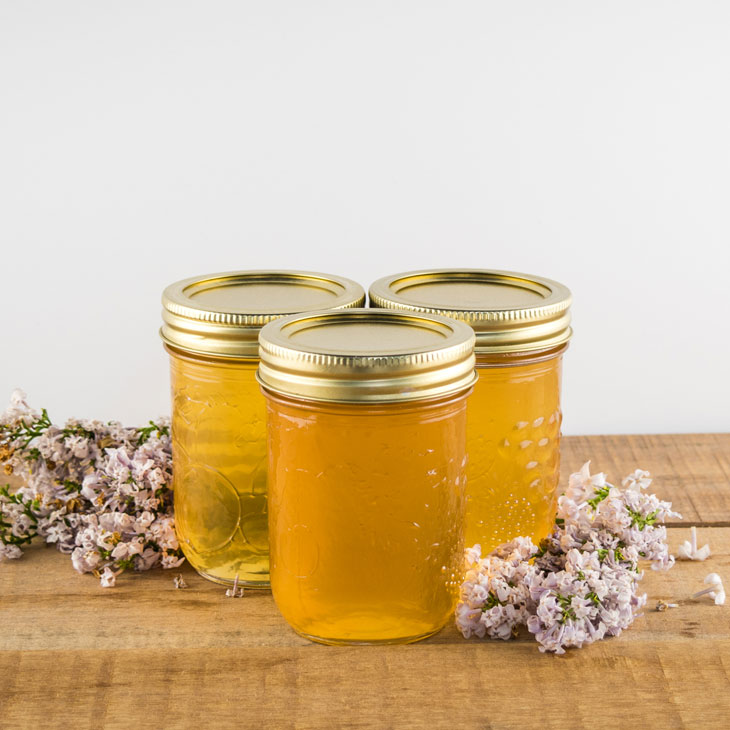
Lilac Jelly

Lilac Jelly

Lilac Jelly

4 c. lilac flowers

4 c. sugar

1 pkg. or 6 tbsp. powdered pectin

3 tbsp. lemon juice

1/4 tsp. butter


Rinse lilac flowers in a colander and remove stems. Place flowers in a bowl and cover them with 4 cups of boiling water. You are essentially going to make “lilac tea.” Let the lilac mixture sit for about an hour. Pour the mixture through a fine mesh strainer to remove the lilac flowers. You should end up with a clear liquid. If not, try pouring it through the strainer again. Measure the tea, adding a little water if necessary to get exactly 4 cups of liquid. Stir in lemon juice. The liquid should change in color to be similar to the original color of the lilacs. The darker the lilacs, the darker the color of the jelly. Violet colored lilacs will make a rose colored jelly. Experiment with different flower colors! Pour liquid into a large stock pot. Sprinkle the pectin on top of the juice and use a whisk to mix it together. Stirring constantly, heat until boiling. Boil for one minute. Add the pinch of butter and return to a boil. Add the sugar to the pot all at one time (measure it and have it ready ahead of time). Stir until sugar is dissolved. Return to a boil and boil for one minute. How to make and can homemade lilac jelly from fresh lilac flowers. A unique gift idea with a wonderfully floral taste and scent!


Canning Instructions: Remove the pan from the heat. Remove any foam with a metal spoon. Ladle the jelly into hot sterilized jars, leaving ¼ inch head space, and process in boiling water canner for 5 minutes. Remove the jars from the canner and place on a towel on the kitchen counter to cool. Sealed jars can be stored in the pantry for 1-2 years. If you have any jars that do not seal, just place them in the refrigerator to eat in the next month or two. Jelly can take a day or two to set completely, so don’t disturb it for a couple days even if it doesn’t set completely.

Smoked Ham and Jarlsberg Cheese Sandwiches with Basil Mayonnaise and Tomato And Apricot Chutney

Smoked Ham and Jarlsberg Cheese Sandwiches with Basil Mayonnaise and Tomato And Apricot Chutney

6a00d8341c63d853ef00e54f68109b8833-800wi

2 T. basil pesto
1/3 C. mayo
8 slices rye bread
8 T. Tomato and Apricot chutney
8 slices Jarlesburg cheese
3/4 Lb. sliced honey-smoked ham or pepper ham, about 12 to 16 slices

To make each sandwich: Mix together the pesto and mayo and spread a thin layer of it on each slice of bread. Spread a thicker layer of the chutney on one slice of bread and put one slice of cheese on top of it. Then place 3 to 4 slices of ham on top and add another slice of cheese. Close the sandwich with the other slice of bread. Heat a griddle or skillet to medium and smear with butter (or smear butter on the outside of the bread) and toast the sandwich slowly to a nice golden brown, making sure the cheese is melting before turning the sandwich and toasting the other side. Serve with potato chips, pickles and mustard.

Tomato and Apricot Chutney

2 1/2 T. extra virgin olive oil
1 T. peeled and grated fresh ginger
3/4 tsp. red chile flakes
3/4 tsp. brown mustard seeds
1/4 tsp. cumin
1/4 tsp. fennel
1/4 fenugreek seeds
2 1/4 lb. tomatoes, peeled and chopped
9 cloves garlic, chopped into a paste or run through a press
1/3 C. sugar
1 1/2 tsp. salt
2 or 3 jalapenos
9 dried apricots, diced

Heat the olive oil in a large saucepan over medium heat. Add the ginger and cook for 1 minute. Add the chile flakes, mustard seeds, cumin, fennel, and fenugreek seeds and stir for a few seconds. Stir in the tomatoes, garlic, sugar and salt. Bring to a boil; reduce heat and simmer, stirring occasionally for 25 to 30 minutes, until mixture starts to thicken. Cut a slit in the jalapenos (use only 2 if you want less heat), then add them and the apricots to the pan. Simmer, stirring frequently until the mix is thick and jam like, for about 20 minutes. Remove jalapeños and serve separately, if you wish. Cover tightly and store in the fridge for up to 1 month.

Pan Roasted Salmon with Tomato Jam and Rice Noodles

Pan Roasted Salmon with Tomato Jam and Rice Noodles

4 ounces rice vermicelli opan roasrws salmonr rice stick noodles
1/4 C. plus 1 T. canola oil
1 large jalapeño, seeded and minced (optional, if you can’t tolerate them)
1 garlic clove, minced
1/4 C. minced fresh ginger
1 large shallot, thinly sliced
1/2 tsp. Madras curry powder
2 T. Asian fish sauce
2 T. fresh lime juice, plus wedges, for serving
1 small red bell pepper, thinly sliced
3 T. chopped cilantro, plus leaves for garnish
1 small onion, minced
One 14-ounce can diced tomatoes, drained
1/2 tsp. crushed red pepper
2 T. light brown sugar
2 T. rice vinegar
Salt and freshly ground pepper
Four 6-ounce center-cut salmon fillets, with skin

Add the vermicelli to a saucepan of boiling water. Let stand off the heat for 10 minutes, until softened. Meanwhile, in a small skillet, heat 2 T. of the oil. Add the jalapeño, garlic and 2 T. of the ginger and cook over moderately low heat until fragrant, about 4 minutes. Add the shallot and cook, stirring, until softened, 5 minutes. Stir in the curry powder and remove from the heat. Add the fish sauce and lime juice, scraping up any bits stuck to the pan. Drain the vermicelli and shake dry. Cut into 4-inch lengths (more or less) and transfer to a medium bowl. Add the curry sauce, red bell pepper and chopped cilantro and toss well. In a small saucepan, heat 2 T. of the oil. Add the remaining 2 T. of ginger and the onion and cook over moderate heat until softened, about 4 minutes. Add the tomatoes, crushed red pepper, sugar and vinegar and cook over moderate heat, mashing and stirring occasionally, until thick and jamlike, about 10 minutes. Season the jam with salt and pepper. In a skillet, heat the remaining 1 T. of oil over high heat until the skillet is hot. Season the salmon with salt and pepper; add to the skillet, skin side up. Cook over medium-high heat for about 3-4 minutes. Turn the fish over, skin side down, and continue to cook for another 3-5 minutes, checking with the tip of a knife inserted into the fish, to check that it’s not overcooked. You should only cook the fish until it’s slightly translucent in the center. Once it is (and the thickness of your fish will determine that), remove it from the heat. Note: If you’re more comfortable broiling your fish, feel free to do so. Spoon the vermicelli onto plates, top with the salmon and tomato jam. Garnish with cilantro and serve with lime wedges.

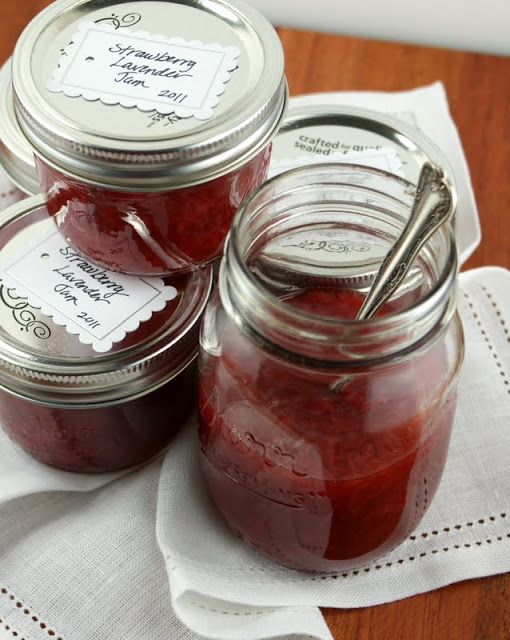
Strawberry Lavender Jam

Strawberry Lavender Jam

16 C. (4 lbs) Strawberries, hulled and halved
2 ½ C. Sugar
½ C. Fresh lemon juice
1 packet of pectin
1 tsp. Fresh or dried lavender

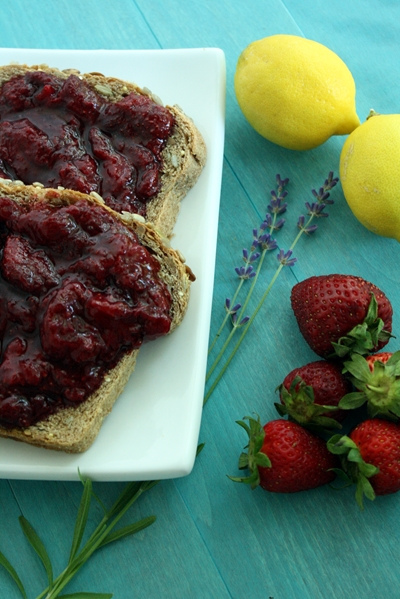
In a large non-reactive pan add the strawberries and sugar. Cover and let stand at room temperature for 1 to 2 hours. Have ready hot, sterilized jars and their lids. You can sterilize by placing in a 225 degree oven on a cookie sheet for 15 minutes or sterilize in hot water or the dishwasher. Place 2 or 3 small plates in the freezer. Add the lemon juice and pectin to the pot. Bring to a boil over medium-high heat, reduce the heat to medium, and cook, uncovered, add lavender, stirring frequently, for 10 minutes. Remove from the heat. Use 1 tsp. jam and a chilled plate to test if the jam is ready. The mixture is ready if it wrinkles when nudged gently with a finger. If it doesn’t, continue to cook for a few minutes longer and retest. Ladle the hot jam into the jars, leaving ¼ inch of headspace. Remove any air bubbles and adjust the headspace, if needed. Wipe the rims clean and seal tightly with the lids. Process the jars for 10 minutes in boiling water bath. Remove and let cool on a towel. The lids will pop and that means they are sealed. To test, simply press down on the lid and if no popping happens, they are sealed. Tighten the lids and store in a dark, cool location.

Strawberry Basil Jam

Strawberry Basil Jam

2 pounds of strawberries, some super ripe, some under ripe
½ C. water
2 tsp. lemon juice (about 1 lemon)
1 C. sugar
¼ C. roughly chopped basil leaves
2 tsp. vodka

Remove the stem from the strawberries and halve or quarter them if they are large. Place them in a large stockpot with the water and bring to a boil. Cover, reduce heat to medium and continue to boil for 10 minutes, stirring occasionally to prevent the berries from sticking to the pot. Meanwhile, put the sugar and basil leaves into a food processor fitted with a steel-blade attachment. Pulse until the basil is finely minced and the sugar turns a pale green color. Set aside. Remove the lid from the pot and stir the lemon juice into the berries (after they have simmered for 10 minutes). Add the sugar, ½ C. at a time, waiting for the liquid to return to a boil before adding more. Continue to boil for another 5 minutes, stirring frequently. Skim any foam that rises to the surface, if desired. Cook only until the jam begins to stick on the bottom of the pot. You should be able to draw a trail through the jam with your spatula. Another sign that the jam is ready is that it will begin to sputter. Pour jam through a funnel into hot, sterilized jars to within ¼ inch of the lips. Wipe the rims clean with a paper towel that you’ve submerged in the vodka. Attach new lids, and screw caps tightly. Invert jars briefly to vacuum seal, or process in a boiling water bath, submerged by 1 inch, for 10 minutes.

Peach-Nectarine Jam

Peach-Nectarine Jam

3 C. peeled, chopped peaches
1 1/2 C. peeled, chopped nectarines
2 T. lemon juice
3 C. sugar
1 package powdered pectin
1 cinnamon stick
1/2 tsp. butter (to reduce foam)

First you need to prepare your jars. There are tons of articles on the web that tell you how to do this, so I won’t go into it here. Just make sure that CLEANLINESS is a big priority in your canning process…this is how you avoid contaminating all of your beautiful fruit preserves. I recommend looking at the Ball website or Pick Your Own for basic, safe canning information. Now, get your extra large stockpot/canner filled with water and starting to heat. That much water takes a while to get going. The water level needs to be high enough to cover filled jars by 1-2 inches when submerged in their water bath. Once your supplies are all clean and sterilized, you can start preparing your fruit. Peel, pit, and chop the fruit and place in 6 or 8 qt. stockpot. Stir in lemon juice. Add cinnamon stick. Carefully measure out sugar into a separate bowl. In a small bowl, mix powdered pectin with about 1/4 C. the measured sugar and mix well. Add this mixture to the fruit in the stockpot. Also add optional butter at this point. Bring the fruit mixture to a rolling boil on high heat, stirring constantly. Stir in remaining sugar quickly. Return to a full rolling boil and boil exactly 1 minute, stirring constantly. **NOTE: A full rolling boil is such that when stirred, the boil does not go away. After 1 minute, remove from heat. Skim off any foam. Remove cinnamon stick. Ladle into prepared jars, filling to within 1/4 – 1/8 inch of the top (called “head-space”). Wipe any spills on the jar or rim with a clean damp cloth. Cover with two-piece lids. Screw bands finger-tip tight (this just means screw on tight, but don’t over-do it). Put all of the filled jars into your large stockpot (canner) of boiling water, submerge either with a canning rack (very handy), canning jar grabber, or silicone oven mitts (don’t recommend). The canning rack is great because it keeps the jars off the bottom of the pot preventing etching, scratching, or cracking the glass. If you don’t have a rack, you need to put a tea towel in the bottom of the pot to cushion the jars and make sure there’s space between the jars themselves to allow water to circulate through. The water should cover the jars by 1 to 2 inches. Add more boiling water if necessary. Once the water starts boiling with the jars in the canner, put the lid on and start your timer for 10 minutes. Boil on medium…not a hard boil, but not too gentle. Carefully remove jars from canner–THEY WILL BE HOT! Place on a towel on the counter to cool. When you hear the pop and see that the flat lid is indented, you know you have a good seal. If any jars don’t seal after a couple hours, you can reprocess 10 more minutes, or simply store in the fridge to eat right away. It will keep there for up to a month. Let sealed jars stand at room temp on counter for 24 hours. Store the unopened, sealed jars in a cool, dry, dark place for up to 1 year. Once you open one, store in the fridge for up to a month (any longer and it will start to crystalize).

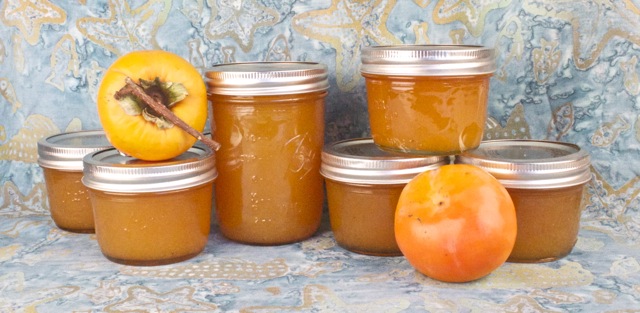
Persimmon Jelly

Persimmon Jelly

1 C. water
1 tangerine
1 lemon
3 C. sugar
1 pkg. Sure Jell

Take wild persimmon, wash and cover with water. Bring to a boil and cook until tender. During cooking, add water as needed to avoid burning. Remove from heat and strain through colander or cloth. To each cup of persimmon pulp add the above ingredients. Mix Sure Jell with pulp, water, juice of lemon and tangerine; bring to boil over high heat, stirring occasionally. At once, add sugar. Bring to rolling boil and cook 1 minute. Remove foam and fill glasses immediately.

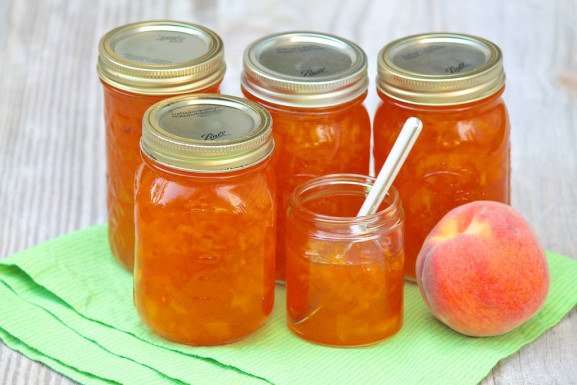
Peach Jam

Peach Jam

6-7 half pint jars

4 pounds of fresh Peaches
3 C. Sugar
2 T. Lemon Juice
1/2 C. Water

Prepare the jars for canning. Wash jars and bands in hot, soapy water. Rinse. Place jars inside a canner filled with water, bring to boil. Boil jars for 15 minutes to sterilize. Place lids and bands in warm water, do not boil. Leave until ready to use.

Rinse the peaches under cool running water. Place whole fresh peaches in a pot of boiling water for 2 minutes. Remove and place in a sink with cold ice water. Peel peaches, remove the pit, slice in half, then into quarters. Slice each quarter into 2 or 3 chunks. Place cut peaches in bowl and toss with lemon juice. Place in food processor and pulse into small bits but do not liquefy. Place a saucepot on stove, set to medium heat. Add water, then sugar and stir until sugar is dissolved. Add peach pulp and continue to stir until it thickens. As it thickens, stir frequently to prevent sticking and burning. When done, ladle into hot jars, leaving 1/4 inch headspace. Remove air bubbles, wipe rim, add lid and band. Finger tighten. Process 10 minutes in a boiling water canner or according to the time for your altitude. Remove from canner, and place on folded towel for 24 hours in a draft free location. May be stored

Small Batch Vanilla Rhubarb Jam

Small Batch Vanilla Rhubarb Jam

1 1/4 pounds rhubarb, diced
1 C. granulated sugar
1 tsp. powdered fruit pectin (I use Ball’s Flex Pectin)
1 vanilla bean, split and scraped
juice of 1/2 lemon

Prepare a small boiling water bath canner and 2 half pint jars. Place the chopped rhubarb in a low, wide non-reactive pan. Whisk the pectin and vanilla bean seeds into the sugar and add it to the fruit. Drop the split vanilla bean into the pan and add the lemon juice. Stir well and let it sit until the sugar looks damp. Set the pan on the stove over high heat and bring to a boil. If the sugar begins to caramelize, reduce the heat. Cook, stirring regularly, until the rhubarb breaks down and the liquid looks thick and jammy. Remove the pan from the heat and divide the jam between the two prepared jars (depending on how much water the rhubarb contained, you may have a couple tsp. leftover. I recommend stirring the leftover into some plain yogurt). Wipe the rims, apply the lids and rings, and process in a boiling water bath canner for 10 minutes. When the time is up, remove the jars from canner and set them on a folded kitchen towel to cool and seal.

Strawberry Kiwi Jam

Strawberry Kiwi Jam

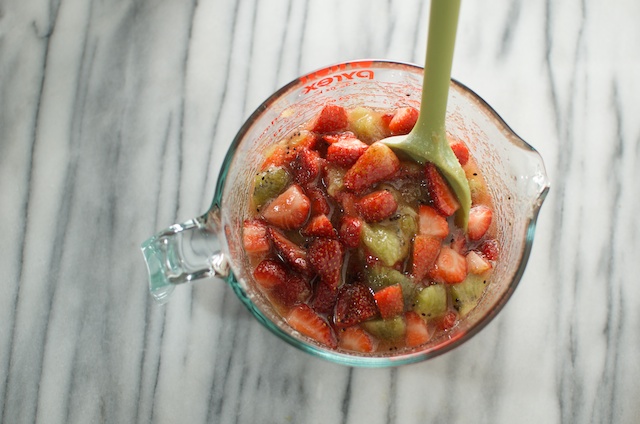
2 C. chopped strawberries
1 C. peeled and chopped kiwi
1 1/4 C. granulated sugar
juice of 1/2 lemon

Combine the strawberries, kiwi, and sugar in a bowl and stir until the fruit begins to release its juice. Scrape the fruit and sugar combination into a 12 inch skillet and place over high heat. Bring to a boil and cook at a rapid bubble for 8-10 minutes, stirring regularly, until the jam is thick. You can tell it’s done when you can pull your spatula through the cooking fruit and the jam doesn’t immediately rush in to fill the space. When jam is done, you can do one of two things. Simply scrape it into a pint jar, let it cool, and put it in the fridge. Or funnel it into two clean, hot half pint jars and process them in a boiling water bath canner for ten minutes. As long as the seals are good, the processed jam is shelf stable for up to a year.

Strawberry Lavender Jam II

Strawberry Lavender Jam II

3 pounds strawberries (about 9 C.), rinsed and hulled
1½ C. sugar
3 tsp. fresh lemon juice, strained
1½ tsp. dried lavender (or 1 tsp. fresh lavender)

Begin by preparing the jars. Put four, half-pint jars in a stockpot or other large pot and cover with water. Place the pot on the stove over high heat and bring to a boil. Put the jar lids in a separate bowl and set them aside; also, place a small plate in the freezer. While the jars process, begin preparing the jam. Place the strawberries and the sugar in a large saucepan and bring to a simmer over medium-high heat, stirring frequently. Allow to simmer for five minutes. Now pour the mixture into a colander set over a large bowl. Gently stir the berries in the colander to strain off most of the juice. Set the colander and berries aside, preferably over another bowl or plate to catch juice drips, and return the juice to the saucepan. Bring the juice to a boil, stirring occasionally. Allow the juice to boil until reduced to a syrup measuring 1½ C., about 20 minutes. Return the strawberries and any juice that has drained from them while sitting to the saucepan with the reduced syrup. Stir in the lemon juice and the lavender and return the mixture to a simmer. Continue to simmer until a small dab of jam spooned onto the plate in the freezer becomes somewhat firm (it will not gel), about 15 minutes. Spoon off any accumulated foam from the saucepan and stir gently. At this point, ladle boiling water from the pot with the jars into the bowl with the lids until the lids are covered. Place a folded kitchen towel in the designated work area. Use a jar lifter to remove the sterilized jars from the canning pot, being careful to pour the water in each back into the pot, and place upright on the kitchen towel. Note, the jars should have boiled at least 10 minutes in order to ensure they are sterilized. Ladle the hot jam into the hot jars, leaving ¼-1/2 inch of head space. Once the jars are filled, use a damp cloth to wipe the rims of the jars. Drain the water off the jar lids and place the lids (flat lid and ring) on top, securing until finger tight. Return the filled and sealed jars to the pot of water. Make sure the water is at least one inch above the tops of the jars. Return to a boil and allow to boil for five minutes to process. Remove the jars from the water and again place on a folded towel. After one hour, check the seals on the jars by pressing down on the center of each lid. If the lid is easy to press down and then pops back up (just like an open jar of pickles), the lid has not sealed properly and the jar should be refrigerated. Allow the sealed jars to cool for 12 hours before storing in cool dark place. Once open, refrigerate any unused contents.

Pear Cranberry Jam

Pear Cranberry Jam

1 lb. fresh cranberries
1 lb. pears, quartered and cored (no need to peel)
1/2 – 3/4 C. sugar (or to taste)
1 tsp. fresh lemon juice
Spices, as desired (see above)

Prepare water bath canner by filling to 3/4 full of cool water and adding jars. Bring to boil and turn down to keep at simmer. Combine pears and cranberries in a sturdy non-reactive stockpot or deep skillet. Cook over medium heat stirring frequently to prevent burning and to keep mixture evenly cooking. After 5-10 minutes, the cranberries will begin to pop. Add the sugar and lemon juice. Continue cooking until most of the cranberries have popped and juices have been released from the pears. Cook until mixture reaches the desired thickness – about 20 minutes. You can test this by dropping a tsp. the mixture onto a saucer. Let cool for about a minute. Then pick up the saucer and tilt sideways. If the jam appears to keep it’s shape, it’s done. If it separates or runs down the saucer, cook a bit longer and test again. At this point, you may puree the mixture with an immersion blender or by spooning batches into a food processor or mixer. Or if you like the texture as is, you are ready to fill jars. Spoon into hot jars, leaving 1/2 inch headroom. Wipe rims, lid and place in canner. Bring water in canner back to a boil and process for 10 minutes. Remove to protected countertop. After 1 hour, test lids and place any unsealed jars in refrigerator. Let remainder cool for 12 hours. Label and date.

Meyer Lemon Marmalade II

Meyer Lemon Marmalade II

3 pounds Meyer Lemons (or any lemons)
4 1/2 C. Sugar (I use organic raw sugar)
2 oz. prepared pureed Ginger or 4 tsp. finely chopped fresh Ginger
7 C. water

Prepare water-bath canner with jars by bringing cool jars and cool water to a boil in canner. Turn heat down and let simmer until ready to use the jars.

Scrub lemons thoroughly. If they are not organic, scald with hot water to remove any wax and debris. Prepare lemon peel by cutting the peels from the lemons with a sharp knife or using a vegetable peeler. Avoid cutting into the pith (the white part). You should end up with long swirls of peel. Cut across the swirl into very small slivers. Place the peels into saucepan with 1 C. the water, add saucepan lid, and simmer long enough for the peels to soften – about 30 minutes. Remove from heat and set aside.

Meanwhile, chop the remainder of each lemon into small 1/4 inch pieces, retaining all the pith, fruit and seeds, and juice. Place these pieces into a cheesecloth and tie tightly. Place in non-reactive saucepan and cover with the water. Boil 1 hour. Remove the cheesecloth bag from the liquid and cool. The easiest way to do this is to place in a sieve over a bowl. When cool enough to handle, press as much of the liquid from the bag as possible. It will be milky and sticky – this is the good pectin that will aid in setting the marmalade. Discard the cheesecloth bag.

Now combine the softened peels, the liquid remaining in the saucepan, the additional captured liquid from the bag, ginger and sugar. Bring back to a boil, then lower heat to medium, stirring until sugar is dissolved. Continue cooking uncovered until the liquid reaches 220 degrees on a candy thermometer. Remove from heat.

Immediately spoon into jars and process for 10 minutes after water returns to a boil in a boiling-water bath. Remove jars from canner and cool on heat-proof surface. Check lids after 1 hour, refrigerate any unsealed jars. Let the remainder of the jars cool overnight. Label and date and store in cool, dry place.

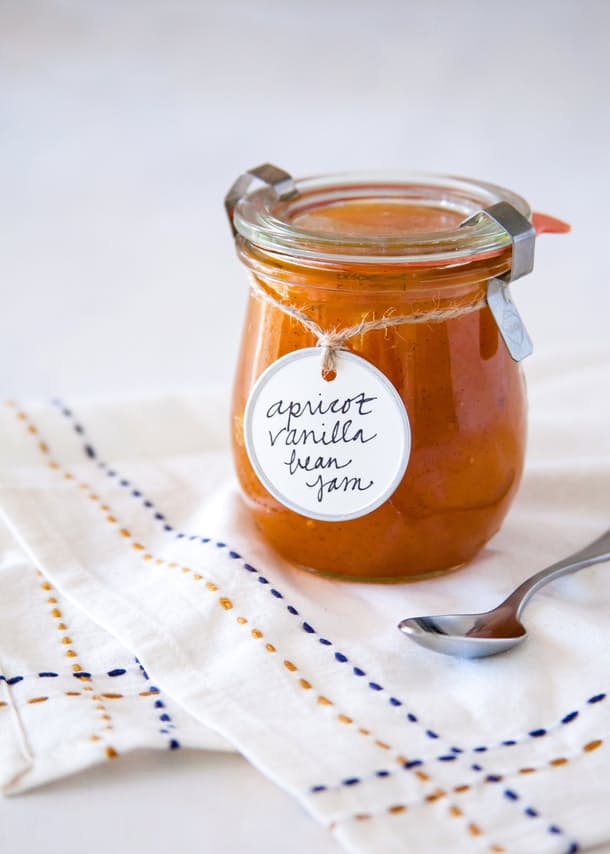
Apricot Vanilla Bean Jam

Apricot Vanilla Bean Jam

2 pounds ripe apricots
1/4 C. water
Small wedge fresh lemon
2 1/2 C. granulated sugar
1 to 2 vanilla beans

Cut the apricots in half and remove the pits. Place apricot halves, water, the juice from the lemon, and the lemon rind itself in a large non-reactive pot. Stirring intermittently, cook over medium-high heat until the juices begin to boil. Reduce the heat, cover, and simmer until the apricots are soft and tender, 5 to 10 minutes. Once soft and tender, stir in the sugar. Split the vanilla beans down their length, scrape out the seeds, then add both the seeds and the pods to the pot. Increase the heat back up to high and bring to a rolling boil. Clip on a candy thermometer and continue to cook, while stirring, until the jam thickens and reaches about 220°F. Carefully remove the vanilla bean pods and lemon rind. Ladle the jam into clean 4-oz., half-pint, or pint-sized glass jars and store in the refrigerator for up to 3 weeks.

Recipe Notes: Taste your fruit first to check for ripeness and sweetness. Additional sugar may be required. This recipes keeps the skin on the apricot before cooking. You can remove the skins before cooking if you like. To check for doneness, place a small plate in the freezer when you start the recipe. As the jam nears completion, place a small amount on the plate and return the freezer. If the jam wrinkles as you nudge it, it is done.

Classic Peach Jam

Classic Peach Jam

3 pounds peaches, peeled, pitted and finely chopped
5 1/2 C. sugar
2 T. fresh lemon juice
1/2 tsp. butter
1 box fruit pectin (I use Sure-Jell)

Place the peaches and lemon juice into a large pot. At this point, I like to take my potato masher and mash the peaches a bit. Measure the sugar into a separate bowl and set aside. Stir the package of pectin into the peaches and add the butter. Stirring frequently, bring the peach mixture to a full rolling boil (a boil that does not stop bubbling when stirred), then add the sugar. Stir to fully incorporate.
Return the mixture to a full, rolling boil and boil for exactly 1 minute, stirring constantly. Remove the pot from the heat. Skim any foam from the surface. Ladle quickly into clean jars. (I like to use a wide funnel.) Wipe the rims of the jars with a clean cloth. Place the heated lids (lids that have been placed in simmering water for at least a minute) on the jars and tighten the bands. Place the jars in a canner and process (gently boil) for 10 minutes (water should cover the jars by an inch or two–add boiling water, if necessary), then remove the jars from the canner. Cool completely before storing. Make certain all lids have sealed properly before storing. If the lid springs back when pressed in the middle, it is not sealed and should be stored in the refrigerator.

Mango, Vanilla, Lime and Cardamom Jam

Mango, Vanilla, Lime and Cardamom Jam

10 C. mango, pureed in the food processor, but with some chunks still remaining (about 10 mangos)
8 C. granulated sugar
1/4 C. lime juice
3 vanilla beans, split and scraped out (alternately, you can add 2T.of vanilla AFTER cooking the jam, just before putting into containers)
1/2 tsp. ground cardamom

In a large dutch oven or pot, combine the pureed mango, sugar, lime juice, seeds scraped from the vanilla beans as well as the split vanilla beans (which will be discarded later), and ground cardamom. Slowly bring the mixture up to a boil over medium/high, stirring occasionally to prevent the jam from burning. Once the jam is at a rolling boil, turn the heat down to medium, and continue to boil for 25-30 minutes, stirring occasionally. You can test to see if you have cooked your jam long enough by putting some on a plate or small bowl and putting it in the freezer for a few minutes. Once it has cooled, it should be a nice jam consistency, not too runny. If it is still too runny, continue cooking and checking, until you have reached your desired consistency. Remove and discard the scraped out vanilla bean pods and pour jam into clean jars or containers, allowing to cool to room temperature before storing in the refrigerator or freezer.

Spiced Rhubarb-Cherry Chutney

Spiced Rhubarb-Cherry Chutney

Most home cooks consider rhubarb a fruit, which is why it has earned the nickname “the pie plant.” But rhubarb is actually a vegetable and thus perfectly suited for savory uses as well as desserts. When I spot the first crimson stalks at the farmers’ market, I shuttle them home to make this gently spiced rhubarb-cherry chutney. Try it spooned atop slices of roasted pork tenderloin.

¾ C. packed dark brown sugar
1⁄3 C. red wine vinegar
1 ½ lb. rhubarb, cut into ½-inch pieces (4 C.)
½ C. dried cherries
Zest of 1 orange
½ tsp. ground cinnamon
½ tsp. ground cloves
½ tsp. freshly ground black pepper

Bring the sugar and vinegar to a boil over medium-high heat in a large saucepan. Stir in the rhubarb, cherries, orange zest, cinnamon, cloves, and black pepper with a wooden spoon, and bring the mixture back to a boil. Reduce the heat to medium and simmer, stirring occasionally, until the rhubarb is tender and the mixture thickens slightly, about 6 minutes. Let the chutney cool to room temperature before transferring it to an airtight container. Stored in an airtight container in the refrigerator, it will keep for about 1 week. Bring to room temperature before serving.

Strawberry Balsamic Refrigerator Jam

Strawberry Balsamic Refrigerator Jam

1 tsp. lemon juice
zest of 1 lemon
1 lb. strawberries, stems removed and roughly chopped (good use for overripe berries)
1/3 C. sugar to 1/2 C., depends on sweetness of your strawberries
1 tsp. aged balsamic vinegar

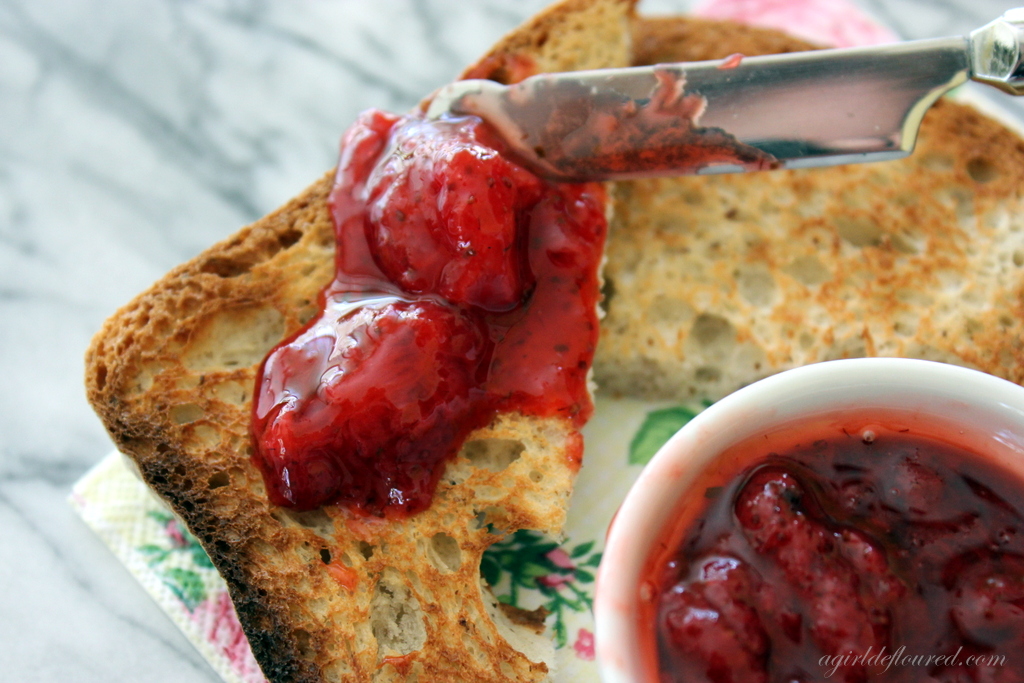
Combine the lemon juice, lemon zest, strawberries, and sugar in a saucepan. Bring to a boil over medium high heat and cook for 10 minutes, stirring frequently. It will look really watery at first, but it will start to thicken up as it reduces. Once you have the thickness you want, reduce the heat to medium and add the balsamic vinegar. Cook for 3 more minutes, then place your jam in a clean glass container. Refrigerate, and spread on biscuits, toast, or whatever you’d like. Enjoy!

Mango Lime Jam

Mango Lime Jam

3 C. mango pulp, coarsely chopped into raisin-sized pieces
3¼ C. granulated sugar
¼ C. fresh lime juice
Zest of 2 limes
Half of 3-oz. pouch of liquid pectin

In a nonreactive pan, mix together mango, sugar, and lime juice, and bring to a boil over medium heat, stirring constantly. When the mixture comes to a boil, add the lime zest, turn up the heat to medium and let the mango mixture boil for 3 minutes, stirring constantly. Stir in the liquid pectin and let the mixture boil for one more minute. Take the pot off the heat and let the jam rest for 5 minutes before putting it into the jars. This allows the jam to thicken up a bit which promotes better suspension of mango pulp; otherwise the mango pieces will rise to the top instead of being interspersed throughout the entire jar. Process with the water bath canning method. Alternatively, the jam can be stored in airtight containers and kept refrigerated.

Strawberry Vanilla Jam

Strawberry Vanilla Jam

This recipe is a classic Strawberry Jam. But we’ve brought it to modern taste standards by using Pomona’s Pectin which requires little or no sweetener. Pomona’s Pectin relies on Calcium Water (included in the box of pectin) to make the jam set. It can be found in stores like Whole Foods that sell natural or organic products. When using any pectin product, always follow the package directions exactly. Otherwise your set may be comprised.

Makes about 6 -7 half-pints

½ to 1 ½ C. honey or other sweetener (sugar, agave nectar, maple, etc.) (Sweetener can be added to taste)
4 tsp. Pomona’s Pectin powder
3 pounds rinsed and hulled strawberries, crushed, about 8 C. (you could dice or puree, but this could affect the consistency of the final product)
3 tsp. fresh lemon juice, strained
3 tsp. vanilla extract
4 tsp. calcium powder liquid (made up by following directions in box of pectin)

Prepare canning pot with jars (no lids or bands) by covering jars with water and bringing to a boil. When boiling, turn heat down to medium and hold until ready to use. Stir sugar and pectin power together. Put strawberries, lemon juice, vanilla and calcium solution in a wide 6-8 quart stockpot or deep stainless steel skillet. Bring to a boil over high heat, stirring in the sugar-pectin mixture. Stir until sugar is dissolved, about 1-2 minutes. Return to a boil, then remove from heat. Ladle into hot jars, leaving ¼ inch headspace at the top. Wipe rims of the jars with a damp cloth, bubble with a table knife or jar bubbler, place lid and band on each jar. Return jars to boiling water canning pot, with water covering jars by 1 inch. Bring water back to a boil and boil for 5 minutes to process. Remove jars to a folded towel on heatproof surface. Do not disturb for 12 hours. Remove bands and test lids for seal. If any jar hasn’t sealed, immediately refrigerate. Label and date jars and store.

Small Batch Strawberry Vanilla Jam

Small Batch Strawberry Vanilla Jam

1 quart strawberries (a little over 1 1/2 pounds, should be approximately 4 C. chopped berries)
2 C. sugar, divided
2 vanilla beans, split and scraped
1 lemon, zested and juiced

Wash and chop berries. Toss them with 1 C. sugar and the vanilla beans/seeds and place in a large jar or bowl. Allow the berries to macerate for at least 2-3 hours and up to 72 hours. When you’re ready to make the jam, prepare three half pint jars. Pour macerated strawberries into a large pot and add the remaining C. sugar. Bring to a boil and cook until the jam reaches 220 degrees, stirring very regularly.
6.Add the lemon zest and juice in the final 5 minutes of cooking. Once the jam has reached 220 degrees, remove the pan from the heat. Pour jam into your prepared jars. Wipe rims, apply lids and rings and process in your canner for 10 minutes (normally I’d admonish you not to start your timer until the water has returned to a boil. However, as long as your water is quite hot when the jars go into the canner, the time it will take to return to boiling should be minimal). When time is up, remove jars from canner and let them cool on a towel-lined counter top. When jars are cool enough to handle, remove rings and check seals. If any jars are not sealed, store them in the fridge and use them first. Store sealed jars in a cool, dark place.

Nectarine and Peach Jam with Lemon Verbena

Nectarine and Peach Jam with Lemon Verbena

This is refrigerator jam, allowing you to skip the fuss and time of canning.

1 lemon
3 pounds ripe nectarines or peaches, or a mix, pitted and sliced
730 grams sugar (3 and 1/4 C.)
Pinch salt
10 sprigs fresh lemon verbena

Grate zest from half the lemon and place zest in a large saucepan. Juice lemon and add the juice to the zest. Toss in fruit, sugar, salt and lemon verbena and bring to a simmer. Turn mixture into a large bowl and refrigerate overnight. The next day, if you plan to can the jam, prepare the jars according to the instructions here. Strain the liquid from the mixture into a wide, shallow pot or large skillet, reserving the fruit. Bring liquid to a simmer and cook until it thickens enough to wrinkle on the surface when you push it with a spoon (a candy thermometer should read 220 degrees). Remove lemon verbena from fruit and add fruit to the pot with the syrup. Simmer fruit gently until mixture looks very thick and jamlike. You can test the jam to see if it’s ready by freezing a small plate. Drop a bit of the jam on the plate, let it cool for a minute and then push it with your finger. The top should wrinkle. If syrup is thin and runny, keep cooking and test again in a few minutes (return plate to freezer in the meantime). If canning, spoon into hot sterilized jars and process as directed. Otherwise, let jam cool, then store in refrigerator or freezer.