Browsed by
Tag: Sauce

Butter Lettuce Salad with Asian Pears and Buttermilk-Blue Cheese Dressing
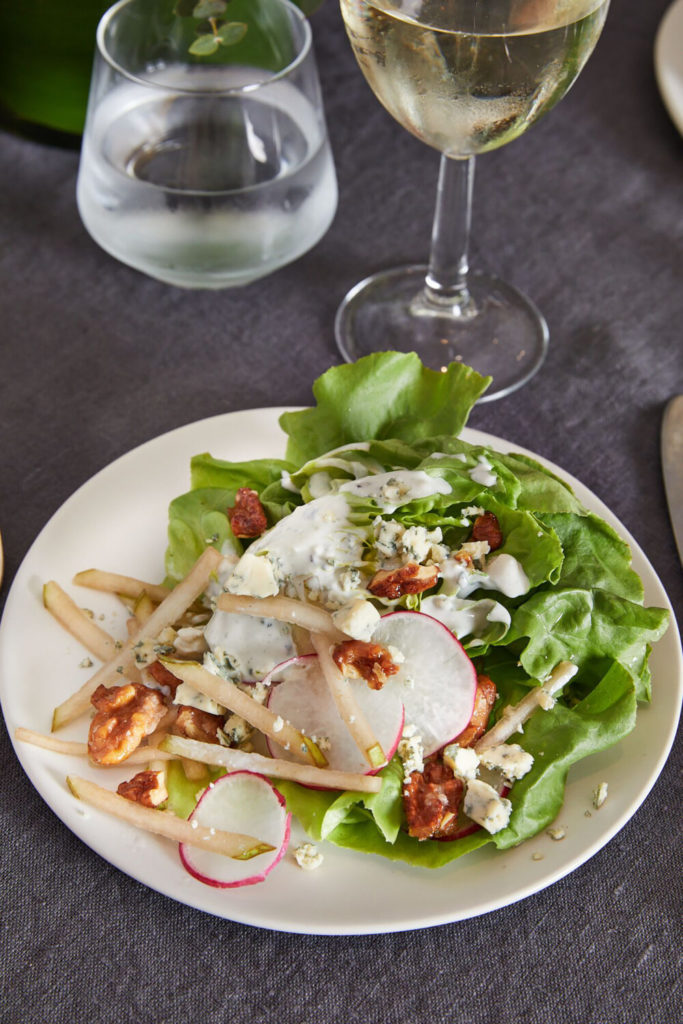
Butter Lettuce Salad with Asian Pears and Buttermilk-Blue Cheese Dressing

Butter Lettuce Salad with Asian Pears and Buttermilk-Blue Cheese Dressing


1/2 cup mayonnaise

1/4 pound crumbled blue cheese

1/4 cup buttermilk

2 T. heavy cream

1 T. freshly squeezed lemon juice

Kosher salt and freshly ground pepper


3 small heads butter lettuce

1 Asian pear halved, cored, and cut into matchsticks or thin slices

6 radishes trimmed and thinly sliced

3 ounces crumbled blue cheese

1 recipe Candied Walnuts (below)


Make the dressing: In a bowl, stir together the mayonnaise, blue cheese, buttermilk, cream, and lemon juice until well blended. Season with salt and pepper. Make the salad: Remove and save the larger outer leaves of the butter lettuce for another use. Remove, wash, and dry the medium leaves, keeping the small, tight, inner parts of the heads intact and rinsing and drying them. Halve the small, inner lettuce heads. Layer a few of the medium leaves on each of 6 salad plates. Top each with one of the halved inner lettuce heads. Drizzle with the dressing, garnish with pear matchsticks, radishes, blue cheese, and candied walnuts, and serve.


Candied Walnuts


MAKES 1 CUP Double the batch and store extras in an airtight container for Candied Walnuts anytime.


Canola oil for deep-frying

1/2 cup powdered sugar

1 cup walnut halves


Pour 1-1/2 inches of oil into a deep, heavy pot. Heat over medium heat to 350°F. Meanwhile, line a baking sheet with parchment paper, put the sugar in a bowl, and bring a saucepan filled with water to a boil.

Add the nuts to the boiling water and blanch, 1 minute. Using a wire skimmer or strainer, scoop out the nuts, shake off the excess water, and add the nuts to the sugar. Toss to coat completely and create a light sugar paste over the nuts. Working in batches, carefully spoon the nuts into the hot oil, spreading them out so they don’t stick together; fry until golden brown, about 2 minutes. Using a slotted spoon, transfer the nuts to the prepared sheet pan, spreading them in a single layer. Let cool completely.

Thyme Rubbed Pork Chops with Apple-Shallot Sauce

Thyme Rubbed Pork Chops with Apple-Shallot Sauce

Thyme Rubbed Pork Chops with Apple-Shallot Sauce


4 (6 – ounce) pork chops, center cut and about 1-inch thick each

1 T. fresh thyme

salt and pepper

2 tsp. olive oil


1 large apple, such as Braeburn or Rome, peeled, and chopped in large dice

2 shallots, sliced thin

1 garlic clove, chopped

1/2 cup chicken stock

1/4 cup white wine

2 tsp. honey

2 tsp. Dijon mustard

1/2 tsp. Garam Masala


Sprinkle pork chops with thyme, salt and pepper.  Heat a sauté pan over medium high heat and add oil.  Add pork and sauté on each side for about 4 – 5 minutes or until just cooked through.  Transfer to a plate and tent with foil to keep warm. In the same pan, add the apple, shallot, and garlic.  Sauté, stirring occasionally, for 3 – 5 minutes or until the apples begin to just soften and the shallots are translucent.  Stir in chicken stock, wine, honey, mustard, and Garam Masala.  Continue cooking for an additional 3 – 5 minutes or until the sauce is slightly thickened.  Season to taste with salt and pepper. To serve, top pork chops with apple-shallot sauce.


Servings: 4
Serving Size: 1 pork chop with sauce

Calories: 377
Fat: 19 g
Fiber: 1 g
Protein: 36 g

Sweet-Tart Duck Breasts with Fresh Cherry Sauce
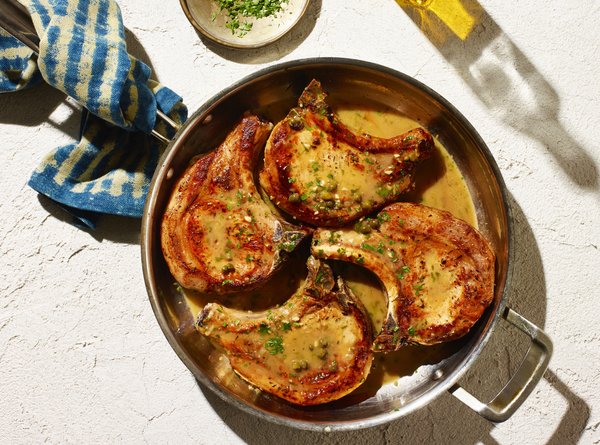
Sweet-Tart Duck Breasts with Fresh Cherry Sauce

Sweet-Tart Duck Breasts with Fresh Cherry Sauce


2 5- to 6-ounce duck breasts

Coarse sea salt, such as Maldon

2 tsp. olive oil

1 small shallot, finely diced

1/2 C. dry red wine

1/4 C. low-sodium chicken stock

7 ounces Bing cherries, pitted, stemmed, and halved

1 T. balsamic vinegar

10 twists on the black pepper mill

1 tsp. honey, preferably orange flower

1/2 T. very cold unsalted butter


Take the duck out of the fridge 15 minutes before you want to use it. Preheat the oven to 400°F. Score the fat on top of the duck in a crosshatch fashion, carefully to score only the fat and not the flesh beneath it. Season the duck on all sides with salt. Preheat a small nonstick skillet on medium heat. Place the duck, skin-side-down, in the hot pan and leave it alone for 10 to 12 minutes, until the skin is golden brown and the fat has rendered. Take the pan off the heat and turn the duck breasts over so the bottom of the breasts are coated in the rendered duck fat. Pour the excess fat into a heat-proof container and keep for frying potatoes. Put the duck, skin-side-up in its original sauté pan, in the oven and cook for 10 minutes. The internal temperature will be about 135°F. Let the duck breasts rest on a cutting board for 10 minutes before slicing. To make the cherry sauce, heat a small nonstick skillet over medium-low heat. Add the olive oil and the shallots. Sauté for 1 minute, just to soften the shallots. Add the wine, stock, and cherries. Bring the mixture to a boil. Add the balsamic vinegar, salt to taste, and pepper. Reduce the heat to medium-low, and simmer for 20 minutes. Remove a 1/4 C. combination of liquid and cherries and purée in a mini food processor. Return the puréed mixture to the pan with the rest of the sauce and stir in the honey and the cold butter. Slice the duck. Pour the sauce onto a serving plate and arrange the slices of duck on top. Season with a bit of salt and pepper for garnish.

Thin-Cut Pork Chops with Caper-Raisin Sauce

Thin-Cut Pork Chops with Caper-Raisin Sauce

Thin-Cut Pork Chops with Caper-Raisin Sauce


Cooking the chops while the sauce simmers means this stovetop dinner takes only minutes to make. Though an unlikely pairing, briny capers and sweet raisins lend a balanced flavor to the mild pork chops, and using browned butter and Dijon mustard in the sauce further enhances its complex flavor. We prefer golden raisins here because black raisins make the sauce murky.


4 T. unsalted butter, cut into 4 pieces

3/4 C. low-sodium chicken broth

1/3 C. drained capers, chopped

1/3 C. golden raisins, chopped

2 T. Dijon mustard

8 bone-in rib pork chops (4 to 6 ounces each), 1/4 to 1/2 inch thick, sides slit

Salt and pepper

2 T. vegetable oil


Melt butter in saucepan over medium-low heat, swirling pan occasionally, until nutty brown and fragrant, about 5 minutes. Add broth, capers, and raisins and simmer until raisins are plump, about 5 minutes. Whisk in mustard. Cover and keep warm. Meanwhile, pat chops dry with paper towels and season with salt and pepper. Heat 1 T. oil in large skillet over medium-high heat until just smoking. Add 4 chops and cook until golden brown and meat registers 145 degrees, 2 to 3 minutes per side. Transfer to platter and tent with foil. Repeat with remaining oil and chops. Spoon sauce over chops. Serve.

Pork Chops in Lemon-Caper Sauce

Pork Chops in Lemon-Caper Sauce

Pork Chops in Lemon-Caper Sauce


4 bone-in pork chops (about 8 ounces each)

Kosher salt and freshly cracked black pepper, to taste

½ tsp. dried thyme leaves

2 T. olive oil

4 T. unsalted butter

1 very small shallot, minced (about 1 T.)

2 garlic cloves, minced (about 1 tsp.)

2 tsp. all-purpose flour

1 C. dry white wine

1 ½ C. chicken stock, homemade or low-sodium, if store-bought

2 T. drained capers

2 T. minced fresh parsley, plus more for garnish

1 tsp. freshly grated lemon zest, plus 2 T. juice

Hot sauce (optional)


Dry the chops with paper towels, and season aggressively with salt, pepper, and the thyme. Swirl the olive oil into a large skillet, and heat over medium until the oil begins to shimmer. Add chops and cook until well browned on each side and cooked through, about 5 minutes per side. Transfer chops to a plate and cover to keep warm. Drain the fat from the skillet, then melt 2 T. of butter in it over medium heat until sizzling. Add the shallot and garlic, and sauté until the aromatics soften, reducing the heat if necessary, about 1 minute. Sprinkle in the flour, and cook, stirring, for 2 minutes. Whisk in the wine and chicken stock, raise heat to high and bring the liquid to a boil, scraping up the browned bits on the bottom of the pan. Reduce heat to medium-high and cook, uncovered, until the liquid is reduced by half, 7 to 10 minutes. Stir in the capers, parsley, lemon zest and juice and hot sauce to taste (if you’re using it), and simmer for 1 to 2 minutes. Stir in the remaining 2 T. of butter until it’s melted, and the sauce looks smooth. Nestle the pork chops into the sauce and allow them to warm up for a couple of minutes, then serve, pouring sauce over each pork chop to taste. Garnish with more fresh parsley.


Servings: 4
Serving Size: 1 pork chop with sauce

Calories: 467
Fat: 30 g
Fiber: 0 g
Protein: 38 g

Traditional Chimichurri

Traditional Chimichurri

1/4 cup coarsely chopped parsley

3 tablespoons red wine vinegar

4 large garlic cloves, minced (2 1/2 tablespoons)

2 tablespoons oregano leaves

2 teaspoons crushed red pepper (or a small red chili, finely chopped)

Kosher salt and freshly ground pepper

1/2 cup extra-virgin olive oil


In a food processor, combine the parsley, vinegar, garlic, oregano and crushed red pepper. Process until smooth; season with salt and pepper. Transfer the sauce to a bowl and pour the olive oil over the mixture. Let stand for at least 20 minutes.


Servings: 8
Serving Size: 2 T.

Calories: 125
Fat: 14 g
Fiber: 0 g
Protein: 0 g

Roasted Rabbit with Basque Txakoli Wine Sauce

Roasted Rabbit with Basque Txakoli Wine Sauce

Roasted Rabbit with Basque Txakoli Wine Sauce


Txakoli (pronounced “chac-o-lee”) is a slightly sparkling, bright white wine produced in the Basque region of Spain that brings out the rich flavors of the rabbit in this dish. If you can’t find the traditional wine, you can substitute a semi-sparkling variety. Be careful not to overroast this dish; rabbit is a lean meat that can easily become dry.

2 large yellow onions, cut into ¼-inch slices

1 whole rabbit, cleaned, with liver and kidneys reserved

Salt

2 T. minced garlic

1 T. minced flat-leaf (Italian) parsley

5 garlic cloves, peeled

6 small red potatoes, halved

½ C. olive oil

2 T. unsalted butter

¼ C. flour

2 C. txakoli wine

1 T. black peppercorns, freshly crushed

1 C. rabbit stock or chicken stock


PREHEAT THE OVEN to 400°F. LINE THE BOTTOM of a roasting pan with the onion slices. Split the rabbit wide open and place it on the onion slices, belly up. Sprinkle with salt, half of the minced garlic, and half of the parsley. Put the garlic cloves, liver, kidneys, and potatoes around the rabbit. Drizzle ¼ C. of the oil over the entire contents of the pan. Roast in the oven for 30 minutes. REMOVE THE PAN from the oven and turn the rabbit over. Sprinkle with more salt and the remaining garlic, parsley, and oil. Return the pan to the oven and roast until golden, about 30 minutes. AFTER ROASTING, remove the rabbit body and the potatoes from the pan. Cut the rabbit into quarters and arrange on a platter with the potatoes. Cover with foil and keep warm. MEANWHILE, place the roasting pan on top of the stove over medium-high heat. Add the butter and caramelize the onions, kidneys, and liver until dark brown, 8 to 10 minutes. Add the flour, mixing well. Deglaze the pan with the wine. Season to taste with salt and add the crushed peppercorns. Add the stock and cook, stirring, for 15 minutes or until reduced by a quarter. Transfer to a food processor or food mill and purée. Adjust the seasoning if needed. Strain through a colander, then drizzle over the platter of rabbit. Serve immediately.

Rose Pesto

Rose Pesto

Rose Pesto


1 whole pot basil leaves (fresh plants sold in gourmet shops in pots)

1 fistful of fresh, crisp, pink organic rose petals

2 deciliters (1 healthy cup) parmesan, grated

1 deciliter (half a cup) pine nuts

1 garlic clove

2 T. (1 oz.) olive oil

1 T. (0.5 oz.) fresh pressed lemon juice

salt

freshly ground white pepper

Swedish Wasa Rye Bread


Pick the leaves off the basil plant, and mix basil and rose petals in a food mixer. Grate the parmesan cheese and add with pine nuts and garlic into the mixer. Mix. Pour the olive oil into the mixer as you mix.

Mix. Add lemon juice and pepper to taste. Mount the rose pesto on the hard bread.

Thai Chili Dipping Sauces

Thai Chili Dipping Sauces

Thai Chili Dipping Sauce


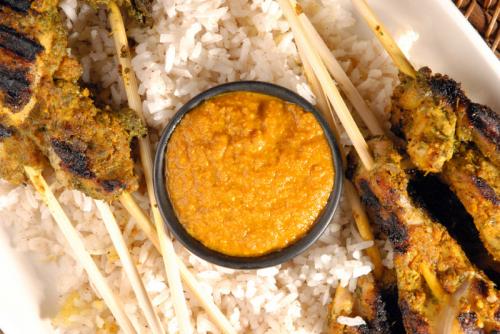
This is a multipurpose sauce that is easy to make and has a usual spot on the Thai dining table. It helps add extra tastes of salty, sour, sweet, and spicy to any dish. It also can be a sauce for a number of fried or barbecued dishes.


3 T. Soy Sauce

3 T. Lime Juice

1 T. Sugar

1 T. Thai Chilis, minced

1 T. thinly sliced or minced Garlic

1 T. thinly sliced or minced Shallots

1 T. chopped Cilantro

1 T. chopped Green onions


Combine all ingredients and mix well.


Thai Chili Sweet Soy Dipping Sauce


This is a more elaborate multipurpose sauce that goes well with grilled or fried dishes, such as grilled mushrooms and eggplants, corn fritters, or fried sweet potatoes. Its flavor is more complex with domineering sweet and sublime ginger. Its chili heat can be easily adjusted by the amount of red chili sauce added. This sauce can be prepared in a large batch and stored in the refrigerator. It should keep about two weeks.


1/2 cup soy sauce

3/4 cup packed brown sugar

1 T. finely diced onions

2 T. tomato paste

2 T. rice vinegar or distilled white vinegar

2 T. finely diced fresh ginger

1 T. red chili sauce [sambal olek] or Tabasco, more or less to taste


Combine the soy sauce and sugar in a small saucepan. Place over medium heat and cook for 7-10 minutes or until the sugar is dissolved and the mixture thickens. Remove from the heat and let

cool. Stir in the onions, tomato paste, vinegar, ginger, and red chili sauce. Serve on the side with grilled and satay dishes.

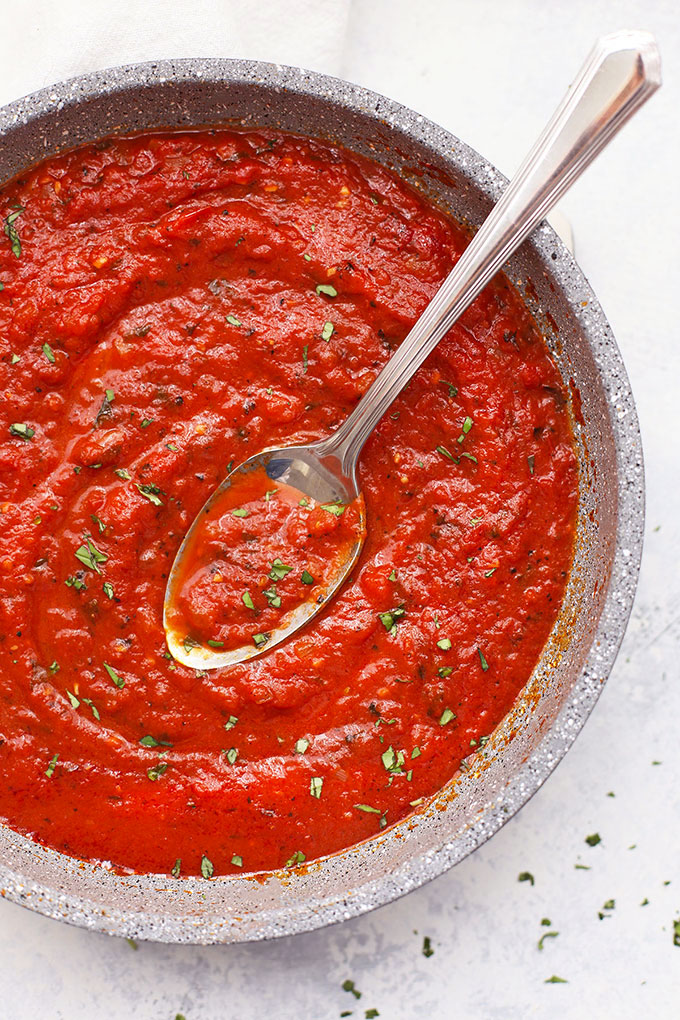
Salsa di Pomodoro della Nonna
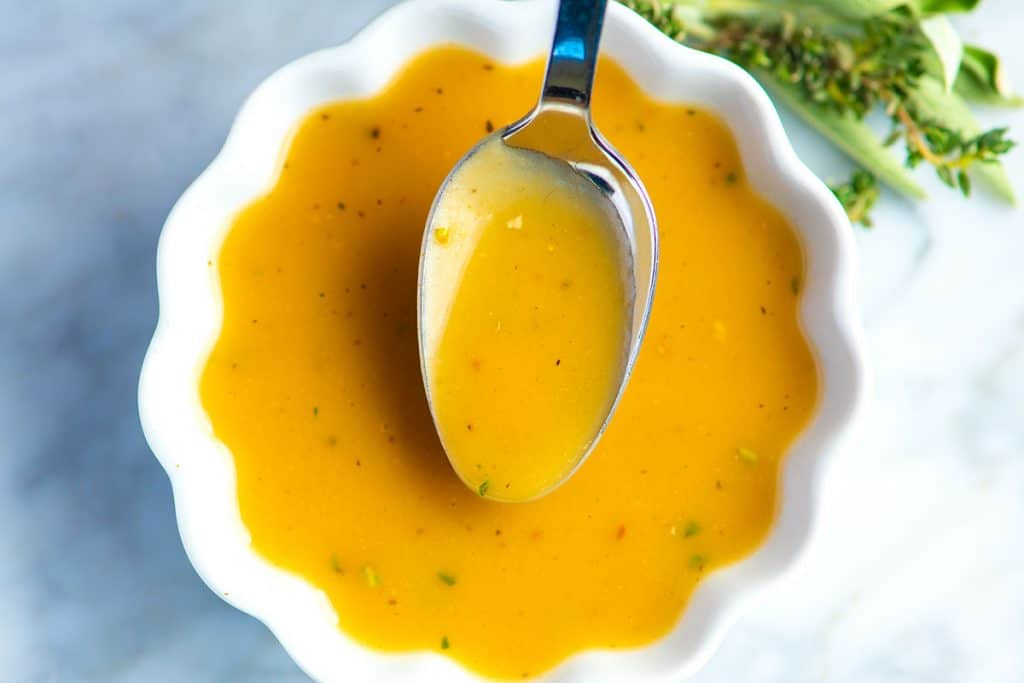
Salsa di Pomodoro della Nonna
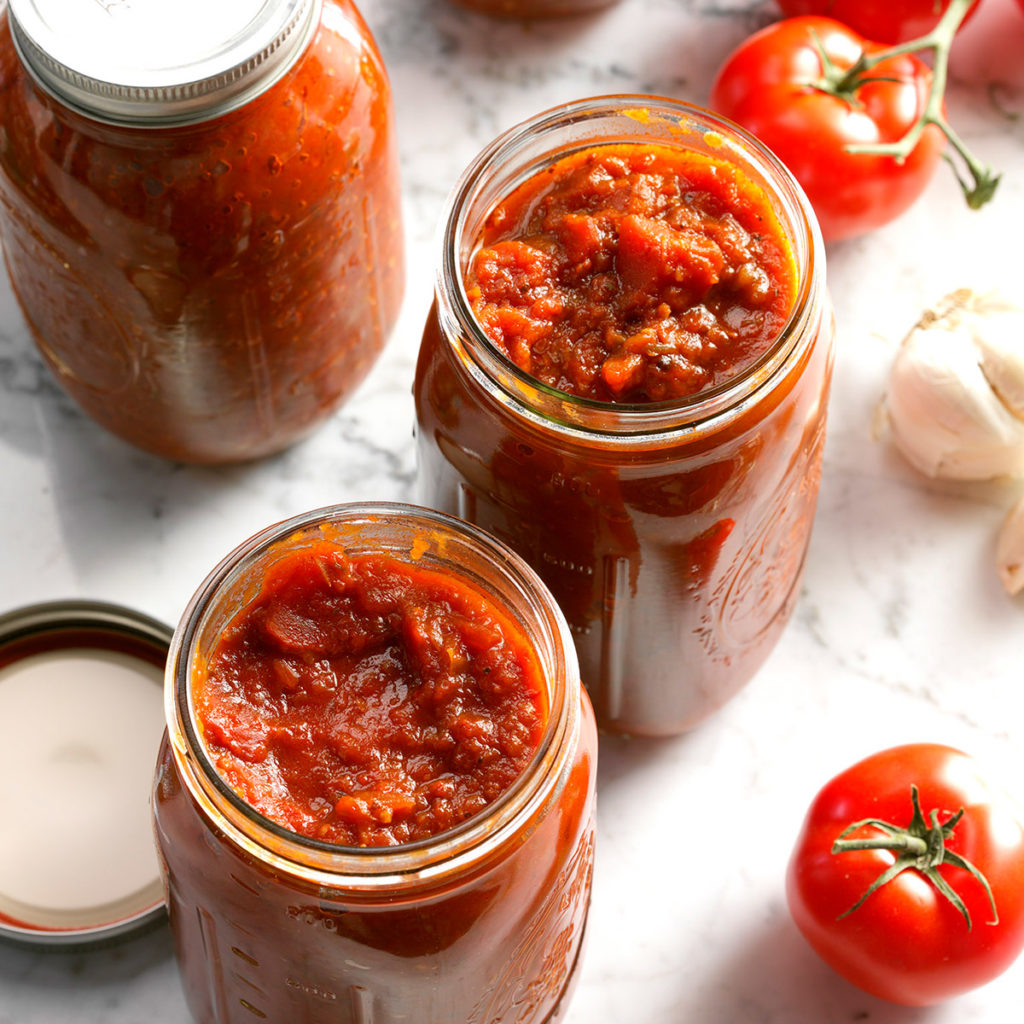
Salsa di Pomodoro della Nonna
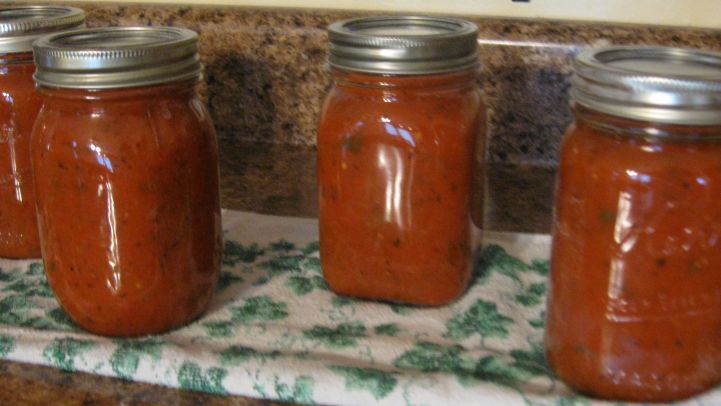
 

1/4 cup extra-virgin olive oil

One 4-pound chicken, quartered

Kosher salt and freshly ground black pepper

1/4 cup peeled and finely diced carrot

1/4 cup finely diced celery

1/2 cup finely diced yellow onion

1 teaspoon minced garlic

1 teaspoon minced fresh rosemary

1 bay leaf

1/2 cup dry red wine

Two 28-ounce cans San Marzano tomatoes, put through a food mill, with juice reserved (see Chef’s Note)

1/4 cup torn fresh basil leaves


Preheat the oven to 300 degrees F. Heat a large Dutch oven over medium-high heat and add the oil. Season the chicken with salt and pepper. Add the chicken to the pot and lightly brown on all sides, about 4 minutes per side. Using tongs, transfer the chicken to a plate.  Place the Dutch oven over medium-high heat and sauté the carrot, celery, onion, and garlic until tender, about 8 minutes. Add the rosemary, bay leaf, and red wine. Stir to scrape up the browned bits, then return the chicken to the pot. Cook to reduce the wine until the pot is almost dry. Pour in the milled tomatoes and season the sauce with salt and pepper.  Make a sweating lid to fit the pot. When the sweating lid is in place resting on top the chicken, slide the pot into the oven and cook for about 1 hour, or until chicken is cooked through. (You can use a regular pan lid if you don’t want to cut a sweating lid from parchment but allow a little more cooking time.) Using tongs, transfer the chicken pieces to a plate. You can keep the chicken warm and serve it as a second course, or let cool, wrap, and refrigerate for another use. Add the torn basil leaves to the sauce and use this in place of any marinara sauce.


CHEF’S NOTE: Tomatoes put through a food mill have the right consistency for the sauces I make. If you don’t have a food mill, you could pulse tomatoes just 3 or 4 times in a food processor (don’t overprocess them), but to get the same velvety consistency of the sauces we serve at Bottega, a food mill works much better, and is an inexpensive addition to your kitchen tool set.


Cooking under a sweating lid reduces the circulation of the air in the pot and, by holding in the steam, keeps the food moister. There are two ways to cut a sweating lid: Trace the lid for the pot you’ll be using on parchment paper and then cut the paper a little smaller, so the parchment fits inside the pot. The other way to make a sweating lid-the chef’s way-is to tear off a piece of parchment larger than the pot. Holding one point of the parchment sheet toward you, fold the parchment into a fan, starting at the left side and folding back and forth to create accordion pleats. Hold the parchment fan over the pot with the tip of it dead center, then use kitchen shears to snip off the fat end in a curve. The sweating lid will fit down inside the pot and sit right on top the bird as it cooks, keeping it moist and flavorful.

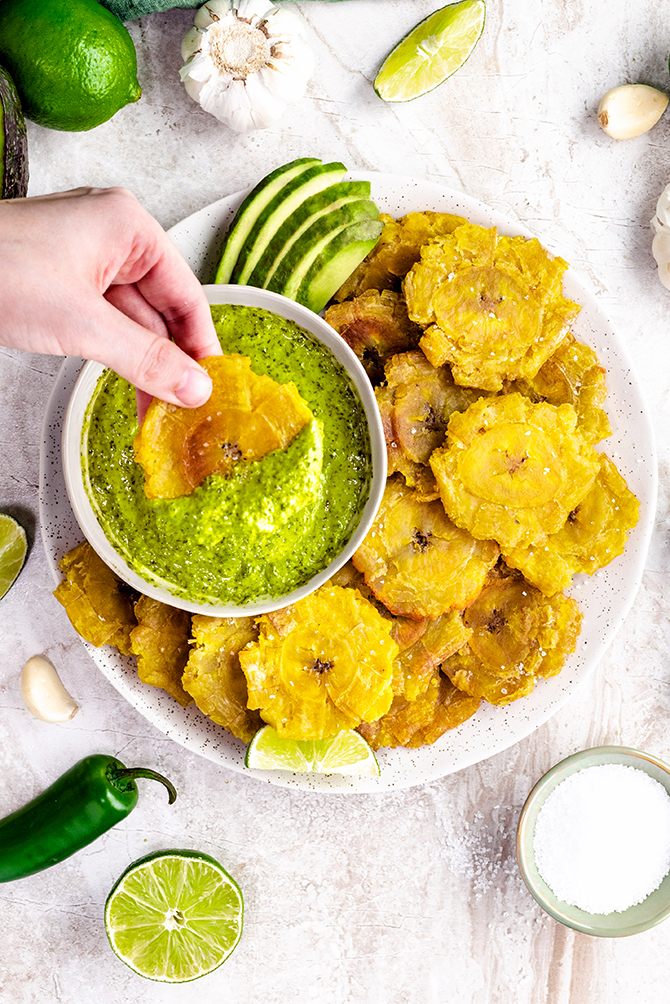
Mojo Verde (Canarian Green Mojo Sauce)

Mojo Verde (Canarian Green Mojo Sauce)


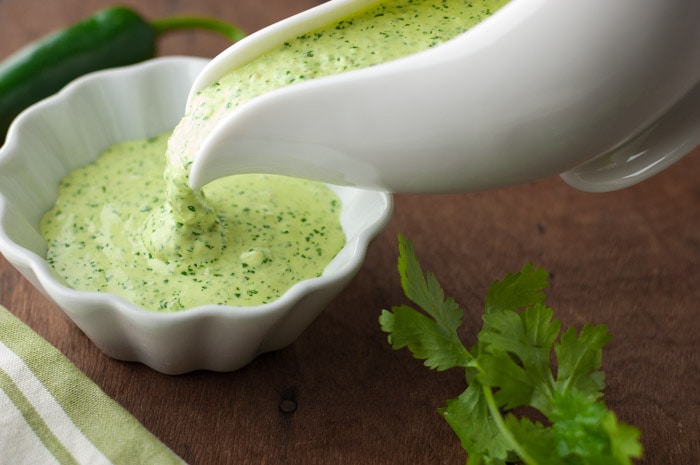
1 large bunch cilantro, leaves and tender stems only

4 large cloves garlic, peeled

2 limes, juiced

1/2 teaspoon cumin

1 jalapeno, stemmed

1 tablespoon white wine vinegar

1/2 cup olive oil

Kosher salt, to taste


In the bowl of a food processor or blender, combine the cilantro, garlic, lime juice, cumin, jalapeno, white wine vinegar, and olive oil. Process until well-combined. Season generously with kosher salt and serve immediately, or cover and refrigerate until ready to use.

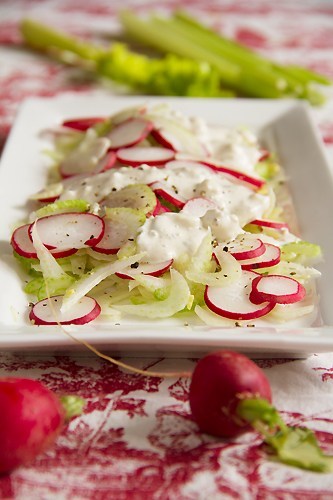
Celery, Fennel & Radish Salad with Homemade Blue Cheese Dressing

Celery, Fennel & Radish Salad with Homemade Blue Cheese Dressing

Celery, Fennel & Radish Salad with Homemade Blue Cheese Dressing

1 head of celery, tough outer stalks removed, well rinsed

1 fennel bulb, stalks and fronds removed

1 bn red radishes, tops removed and well washed

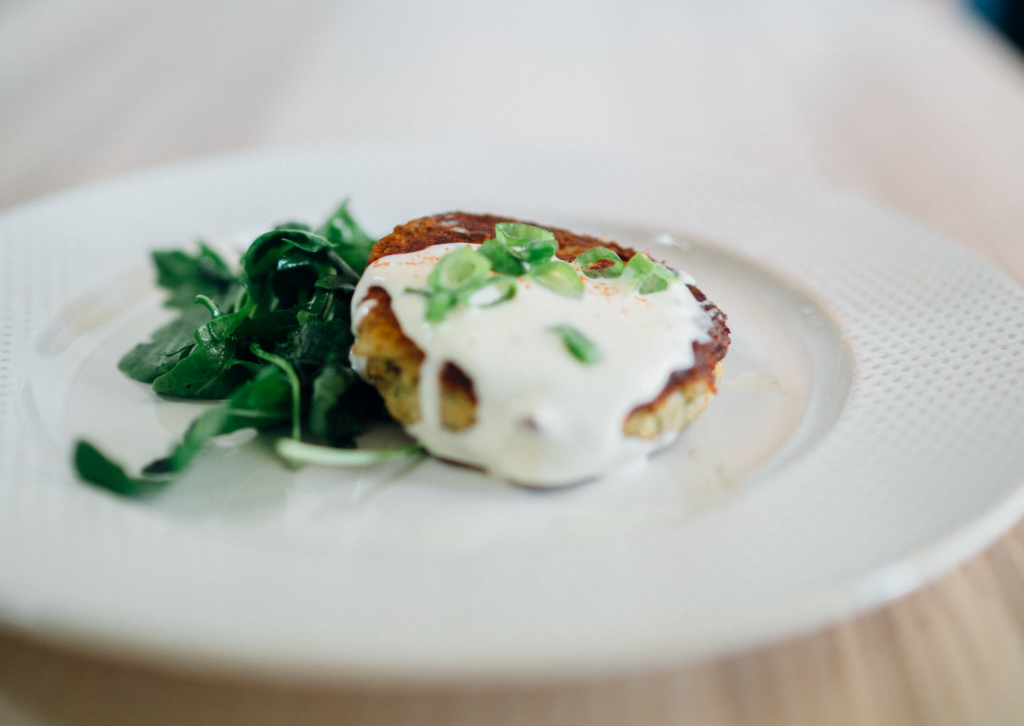
1/2 C. The best blue cheese dressing

1 pinch freshly cracked black pepper

1 C. croutons


Thinly slice the celery, fennel and radishes; toss together. Arrange the salad onto a serving plate. Top with blue cheese dressing and garnish with croutons, if using.

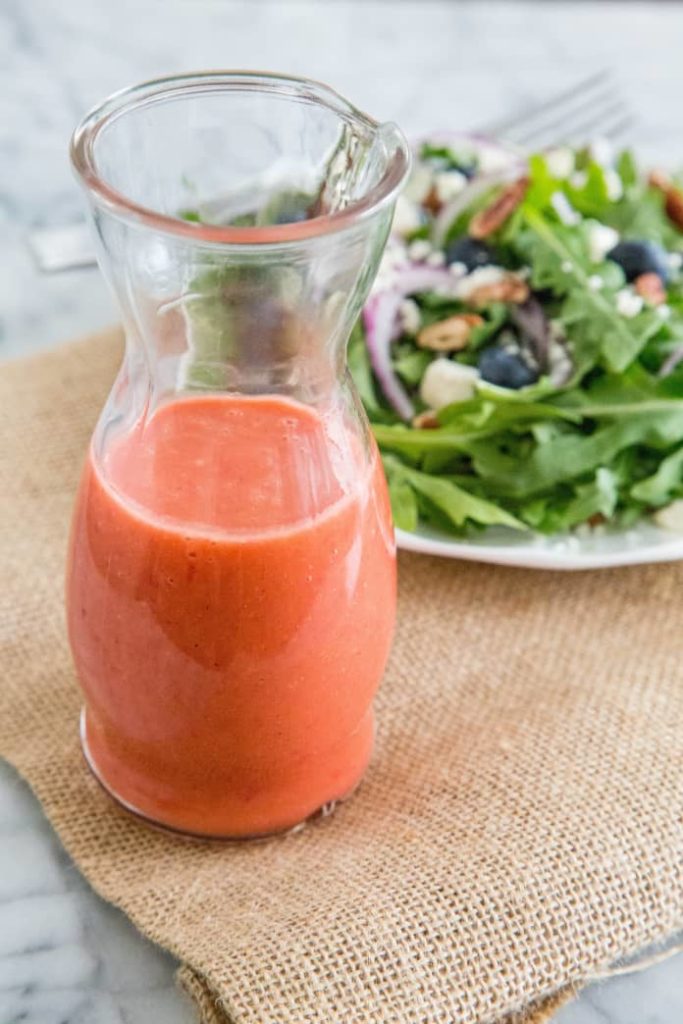
Raspberry Vinaigrette

Raspberry Vinaigrette

Raspberry Vinaigrette

1/2 C. fresh or frozen raspberries

4 T. Apple Cider or Rice Vinegar

1 small shallot, chopped very fine (about 2 T.)

1/3 C. Avocado or Olive Oil

1-2 T. Honey, taste

Sea salt and freshly ground pepper, to taste


In a blender combine all raspberry vinaigrette Ingredients except oil until well blended. While blender is running slowly stream in oil until well blended. Remove from blender and strain to remove

raspberry seeds (can skip with Vitamix, typically). Adjust honey to desired sweetness and season dressing with salt and pepper if needed.

Canning Steak Sauce

Canning Steak Sauce

Canning Steak Sauce

1 C. ketchup (homemade)

1/2 C. onion, coarsely chopped

1 large clove garlic

1/4 C. water

1/4 C. Worcestershire sauce

1/4 C. lemon juice (bottled)

1/4 C. white vinegar

2 T. soy sauce

2 T. brown sugar

1 T. prepared mustard


Cooking: Combine all ingredients in saucepan and simmer uncovered for 30 minutes or until it reaches a good consistency, stirring occasionally. Strain to remove onion and garlic. Filling the jars: On a dishtowel place your hot jars. Using your funnel in each jar ladle the mixture into the jars leaving 1/2” headspace. Remove air bubbles and refill to the proper headspace if necessary. Taking a clean paper towel wet it with warm water and wipe the rims of the jars removing any food particles that would interfere with a good seal. Using your magic wand to extract the lids from the hot water and place them on the now cleaned rims. Add your rings to the tops of each of the jars and turn to seal just “finger tight”. Processing: Make sure your rack is on the bottom of the canner and place the jars in the water bath making sure that the water covers each of the jars by 1 to 2 inches. Add hot water to the canner if it doesn’t measure up. Cover the pot and turn up the heat under the canner and wait for the water to start boiling. Once the water has come to a boil start your timer for 15 minutes. When complete turn off the heat and remove the cover and let the jars sit for another few minutes. Remove the jars and place them back on the dishtowel in a place that they will sit overnight to cool. Do not touch or move them till the next morning. Sealing: Some time in the next hour your jars will be making a “pinging” or “popping” noise. That is the glass cooling and the reaction of the lids being sucked into the jar for proper sealing. Some recipes may take overnight to seal. Check your lids and reprocess any jars that did not seal.


Servings: 32
Serving Size: 1 T.

Calories: 15
Fat: 0 g
Fiber: 0 g
Protein: 0 g

DIY Worcestershire Sauce

DIY Worcestershire Sauce

DIY Worcestershire Sauce

Makes 3 – 4 cups


3 T. olive oil

2 large onions, chopped

2 serrano chiles, chopped with seeds (I added 2 jalapenos, as well)

2 T. minced garlic

1 teaspoon freshly ground black pepper

Two 2-ounce cans anchovies, drained (I usually add the oil)

1/4 teaspoon ground cloves

1 T. kosher salt

1 lemon, peel and white pith removed and discarded (I zest it first and freeze the zest)

2 C. honey (original recipe calls for dark corn syrup)

1 C. molasses

1 quart distilled white vinegar

1/4 pound fresh horseradish, peeled and grated


In a large, heavy sauce pan, combine the oil, onions and chiles and stir over high heat until soft, about 3 minutes. Add the garlic, pepper, anchovies, cloves, salt, lemon, honey, molasses, vinegar, horseradish and 2 C. of water and bring it all to a boil. Reduce the heat and simmer uncovered, stirring occasionally, until the sauce reduces and thickens and barely coats a wooden spoon, about 6 hours. Your kitchen will smell heavenly! Strain the sauce through a fine-mesh sieve set over a bowl. Press gently to release all the liquid. Discard the solids and let the sauce cool to room temperature. Store in a bottle or jar in the fridge. It keeps indefinitely, but you’ll be gobbling it up!

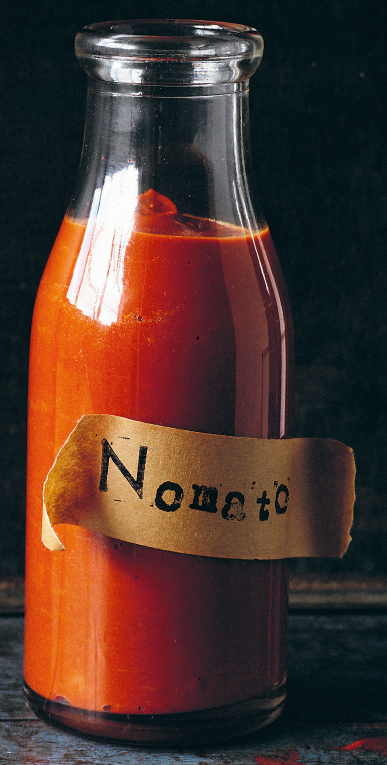
IQS Nomato Sauce

IQS Nomato Sauce

IQS Nomato Sauce

2 T. olive oil

4 shallots peeled and finely chopped

6 cloves garlic, finely chopped

1 large beet (14 oz.), trimmed, scrubbed and coarsely grated

2 celery stalks, coarsely grated

3 carrots, coarsely grated

1 tsp. sea salt

1 T. finely chopped fresh Oregano

2 C. vegetable stock

1/4 C. pitted kalamata olives

2 T. lemon juice


Heat the oil in a saucepan over medium-low heat. Cook the shallots, garlic, beet, celery and carrots for 10 minutes or until the shallot is translucent. Add the salt, then the oregano and stock or water and bring to a boil. Reduce the heat to a simmer and cook for 15 minutes or until the vegetables are tender. Transfer the mixture to a blender with the olives and lemon juice and process until smooth. Store in a sealed container in the fridge for 1 week or in the freezer for up to 6 months.


Servings: 8
Serving Size: 1/2 C.

Calories: 95
Fat: 4 g
Fiber: 3 g
Protein: 2 g

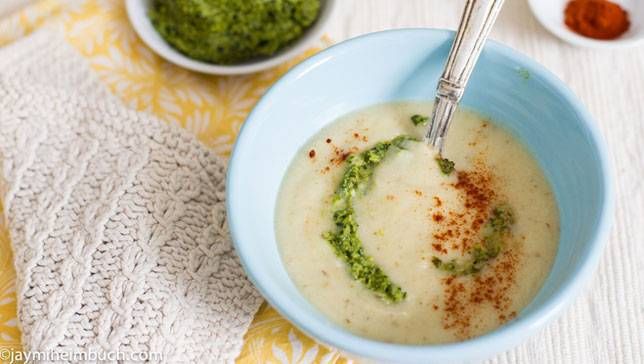
Roasted Cauliflower and Leek Soup with Dandelion Green-Hazelnut Pesto

Roasted Cauliflower and Leek Soup with Dandelion Green-Hazelnut Pesto

Roasted Cauliflower and Leek Soup with Dandelion Green-Hazelnut Pesto

1 head cauliflower, cut into florets

2 leeks, cut into rings

1 yellow onion, diced

2 cloves garlic

2 tb olive oil

1 1/2 tsp salt

1/2 tsp black pepper

1 medium russet potato, diced

3 c vegetable stock

1/2 c unsweetened coconut milk

1 tb dry thyme leaves (or 1 tsp fresh)

1 tsp paprika (optional garnish)

1/4 tsp nutmeg (optional garnish)


1/4 C. hazelnuts

1 clove garlic, minced

2 C. dandelion greens

2 T. Parmesan Cheese

1/2 tsp salt

1/3 C. olive oil


To make the pesto, place the hazelnuts in a dry skillet and toast over medium-high heat for 5 minutes, until golden. Transfer to a dry kitchen towel and rub together to remove their skins. Combine the garlic and hazelnuts in a food processor and process to a fine powder. Add the dandelion greens, Parmesan and salt and continue processing. Add the olive oil in a single stream while the machine is running until the ingredients come together into a creamy paste. The pesto may be stored in the refrigerator for up to 3 days or frozen for up to 1 month. To make the soup, preheat the oven to 375°F. Toss together the cauliflower, leek, onion, garlic, olive oil and ½ tsp. of the salt. Transfer to a baking sheet and roast for 25 minutes, until golden. Then place the roasted vegetables in a large pot. Add the potato, chicken stock, coconut milk, thyme leaves, remaining 1 tsp. salt and the pepper. Bring the liquid to a boil over medium-high heat. Reduce the heat to medium, cover and simmer for 10 minutes, until all the vegetables are tender. Purée the soup in a blender. Serve with the pesto.

Berry Grown-Up Sauce (Spiced Berry Coulis)

Berry Grown-Up Sauce (Spiced Berry Coulis)

Berry Grown-Up Sauce (Spiced Berry Coulis)


Great as a sweet coulis accompaniment to desserts or spooned over yogurt.


2 C. frozen berries

1 T. brown rice syrup

1 tsp. finely grated fresh ginger

1/2 tsp. grated orange zest

1 star anise, finely crushed

1/4 tsp. ground cinnamon


Combine all the ingredients in a small saucepan and bring to a boil. Lower the heat and simmer for 5-10 minutes. Serve warm or cool. Store in a clean glass jar in the fridge for up to 2 weeks. Makes about 2 cups


Servings: 8
Serving Size: 1/4 C.

Calories: 29
Fat: 0 g
Fiber: 1 g
Protein: 0 g

Aji Verde (Peruvian Green Sauce)

Aji Verde (Peruvian Green Sauce)

Aji Verde (Peruvian Green Sauce)

1 whole lime, juiced

2 T. olive oil

1/2 C. good-quality mayonnaise, (such as Hellmann’s)

3 ounces queso fresco or blanco

2 serrano peppers, ends trimmed

1 bunch cilantro (remove leaves from stems for blenders other than vitamix)

4 garlic cloves, peeled

2 green onions, ends trimmed and roughly chopped

2 tsp. huacatay paste, (optional)

1 T. aji amarillo paste, (optional)

1/4 tsp. kosher salt


To a blender, add the lime juice, olive oil, cheese, mayonnaise, serrano peppers, cilantro leaves, garlic cloves, green onions, huacatay paste, aji amarillo and salt. Blend for about 1 to 2 minutes, until very smooth. At first the cilantro leaves won’t be totally smooth, but keep the blender running and it will eventually become cohesive and smooth. Give it a taste and adjust the salt according to your liking. Keeps in the fridge for up to a week.

Quick and Easy Gravy from Scratch

Quick and Easy Gravy from Scratch

Quick and Easy Gravy from Scratch

Homemade gravy is quick and easy. If you’ve roasted chicken, turkey or beef, use the drippings left in the roasting pan. They make the gravy extra flavorful and seasoned. You can make gravy without drippings and use stock or broth in its place. Store-bought stock is usually under seasoned. Take care when seasoning with salt and pepper towards the end of the recipe. Finally, for more flavor, whisk in mushroom powder. This is optional but adds a deep savory flavor.


1/4 cup unsalted butter

1/4 cup all-purpose flour

3 cups warm stock (poultry, beef or vegetable stock) or use pan drippings, see note below

1/2 teaspoon mushroom powder, optional

1/2 tablespoon chopped fresh herbs or 1/2 teaspoon dried herbs (try sage, thyme or rosemary)

2 to 3 tablespoons half and half or cream, optional

Sea salt and fresh ground black pepper to taste


In a wide skillet with sides, melt butter over medium heat. When melted and sizzling, whisk in the flour. Whisk until the flour and butter turn into a smooth paste and look medium blonde in color; about 1 minute. It smells toasty, like browned butter. Pour in stock and whisk until smooth. Bring the gravy to a low simmer. As it simmers, it thickens and becomes glossy. Whisk in the herbs and mushroom powder then cook at a low simmer for a minute or two. Remove from the heat then stir in half and half or cream (optional). Taste for seasoning and adjust with salt and black pepper (we like a generous amount of pepper). TIPS FOR USING PAN DRIPPINGS: Substitute some or all the butter with fat left in the pan from roasting. If there are juices left in the pan, strain them then swap all or some of the stock for the pan juices. Pan drippings and juices will be well seasoned compared to the stock. When seasoning, taste the gravy first then adjust with more salt and/or pepper. If you used a stove-top safe pan such as a Dutch oven or stainless steel pan for roasting, there is no need for the skillet. Make the gravy directly in the roasting pan.


Servings: 12
Serving Size: 1/4 C.

Calories: 47
Fat: 4 g
Fiber: 0 g
Protein: 1 g

Canning Spaghetti Sauce

Canning Spaghetti Sauce

Canning Spaghetti Sauce

10 lbs fresh tomatoes

3 tablespoons oil

4 1⁄2 cups onions, chopped

3 cloves garlic, minced

1 1⁄2 teaspoons oregano, crushed

2 bay leaves, crushed

1 tablespoon plain non-iodized salt

1 tablespoon granulated sugar

1 teaspoon black pepper

1⁄2 teaspoon red pepper, crushed

1 tablespoon dried parsley

1 tablespoon celery leaves, minced


Peel, core and chop tomatoes. Combine with remaining ingredients in heavy saucepan. Simmer 2 hours stirring often until desired consistency. Pour into hot jars to 1/2 inch from top. Wipe jar top and threads carefully with damp cloth making sure they are thoroughly clean. Put on lids and bands. Place in water canner with at least 2 inches of hot water over tops of jars. Bring canner to gentle boil and process 30 minutes. At end of processing time, remove jars to draft free area to cool at least 12 hours. Inspect each jar to make sure it is sealed, remove bands and wipe with damp cloth. Label with date and store.


Servings: 12
Serving Size: 1/2 C.

Calories: 119
Fat: 4 g
Fiber: 5 g
Protein: 4 g

Canning Pizza Sauce

Canning Pizza Sauce

Canning Pizza Sauce

4 pints

25 -28 tomatoes

2 large onions, minced

4 garlic cloves, minced

3 tsp. olive oil

2 tsp. lemon juice

1 tsp. cracked pepper

1 tsp. sugar

2 tsp. parsley, chopped

1 tsp. oregano

1 tsp. basil

1 tsp. rosemary

1 tsp. celery seed

2 tsp. salt

1⁄2 tsp. summer savory


Peel and puree the tomatoes. Mince the onion and garlic. Put olive oil in deep pan and sauté the onions and garlic until transparent. Add the tomato puree and the rest of the ingredients; stir well to blend. Cook on low until mixture is reduced by ½, stirring occasionally. This will take 1-1/2 to 2 hours. When sauce is done and nicely thickened, ladle into hot pint size jars, clean the rims of the jars, and seal. Process for 25 minutes in water bath.

Bone Broth Garlic Aioli

Bone Broth Garlic Aioli

Bone Broth Garlic Aioli


1 whole egg

1 T. apple cider vinegar

2 egg yolks

1 T. Dijon mustard (choose one that uses apple cider vinegar, like 365 Everyday Value brand)

3 T. bone broth (neutral or lightly flavored)

1 tsp. sea salt or Himalayan salt

2 C. extra-virgin olive oil

Optional spices for flavor and balance of tastes:

1 tsp. thyme

1 tsp. basil

1 tsp. black pepper

2 large cloves garlic


Peel the garlic cloves and cut them in half lengthwise. Put garlic in a small saucepan, cover with cold water, and bring to a boil. Then discard the water and return garlic to the pan. Add about 1/2 C. of water to the saucepan with the parboiled garlic. Add the apple cider vinegar and a pinch of sea salt. Bring the water to a boil and add the whole egg. Allow the egg white to fully cook and the yolk to stay runny. This will take about a minute or two. Remove from heat and remove the egg and garlic with a slotted spoon, discarding the water. Put the cooked egg and garlic into your food processor with the S-blade or blender. Add the 2 egg yolks (discard the whites or save them for another recipe), the mustard, bone broth, and sea salt. Turn on the food processor or blender (low or medium speed for the blender). Take the olive oil and very slowly pour it in, so it’s dribbling slowly into the food processor or blender. This is key because if you pour too fast, the aioli will not thicken properly (emulsify). In order for emulsification to happen, time your pouring so that it takes 2 minutes to pour the olive oil slowly into the running food processor or blender. This is a good time to meditate, do your breathing exercises, or say your affirmations! The slow pouring is worth it. You should start to see the aioli thicken like mayonnaise or pudding. Once all the oil is slowly poured in and the aioli has thickened, turn off your food processor or blender and taste. If you’ve used a flavored broth, see if you like the flavor as is. If it needs a little more, consider adding some black pepper, dried basil, and/or dried thyme per the ingredients listed earlier under optional spices. You may also decide that you want a little more sea salt. Add the spices you want and blend thoroughly. Do not over-blend; just blend until all ingredients are mixed in. Note: Sometimes when you first blend up aioli, you may detect a bitter taste from the garlic; this goes away after you refrigerate it for 24 hours. Some people like to remove the germ (center) of the garlic cloves to reduce the potential for bitterness. We haven’t seen this make a huge difference after the garlic has been boiled, so do what you feel is best based on your own tastes. (If, however, your garlic contains a green germ, you may want to remove it.)


Servings: 36
Serving Size: 1 T.

Calories: 112
Fat: 12 g
Fiber: 0 g
Protein: 0 g

Garlic Mojo Sauce

Garlic Mojo Sauce

Garlic Mojo Sauce


1/2 C. EVOO

8 garlic cloves, pressed or finely chopped

1 teaspoon ground cumin

½ teaspoon dried oregano

1 medium Fresno chile or other hot red chile, thinly sliced

½ cup fresh lime juice (from about 4 limes)

½ cup fresh orange juice (from about 1 orange)

1½ teaspoons kosher salt


In a small saucepan set over medium heat, warm the oil. When the oil is just hot, stir in the garlic, cumin, and oregano, then immediately remove the pan from the heat. Let cool for 10 to 15 minutes, then stir in the chile, lime juice, orange juice, and salt. Store in a sealed container in the fridge for up to 1 week


Servings: 14
Serving Size: 2 T.

Calories: 79
Fat: 8 g
Fiber: 0 g
Protein: 0 g

Herbed Marmalade Marinade

Herbed Marmalade Marinade

Herbed Marmalade Marinade

Use as a salad dressing, vegetable marinade and sandwich spread, as a marinade for chicken thighs and zucchini that are destined for the grill, and for chopped salads.

2/3 C. extra-virgin olive oil

3 T. red wine vinegar

3 T. freshly squeezed lemon juice

2 T. lemon or orange marmalade

2 garlic cloves, minced

1 T. dried basil

1 T. dried oregano

1 T. dried thyme

2 tsp. dry mustard

1 tsp. fine sea salt

1/4 tsp. freshly ground black pepper

In a blender, combine the olive oil, vinegar, lemon juice, marmalade, garlic cloves, basil, oregano, thyme, mustard, salt and pepper. Blend until just incorporated and pour into a mason jar for storage. It will keep in the refrigerator for up to 1 month.


Servings: 16
Serving Size: 1 T.

Calories: 89
Fat: 9 g
Fiber: 0 g
Protein: 0 g

Rosemary and Goat Cheese Stuffed Chicken with Wild Mushroom Sauce

Rosemary and Goat Cheese Stuffed Chicken with Wild Mushroom Sauce

Rosemary and Goat Cheese Stuffed Chicken with Wild Mushroom Sauce

1 whole chicken

4 ounces goat cheese, room temperature

1 tablespoon chopped fresh rosemary leaves

2 tablespoons extra-virgin olive oil, plus more for sauteing

Salt and freshly ground black pepper


Wild Mushroom Sauce:


1 tablespoon butter, plus 1 tablespoon

1/4 cup chopped shallots

4 ounces morel mushrooms, cleaned and sliced in half lengthwise (substitute 1 ounce dried morels, rehydrated)

4 ounces black trumpet mushrooms, cut into 1 1/2-inch pieces

3/4 cup chicken stock or broth

2 tablespoons chopped chives


Preheat the oven to 450 degrees F. Remove the backbone and wings from the chicken. Press the chicken open like a book. Carefully remove the bones from the chicken leaving the whole chicken intact with the skin. You can ask your butcher to do this for you. In a small bowl, combine the goat cheese, rosemary, and olive oil. Season with salt and pepper and mash together with the back of a fork. Turn the chicken over so the skin side is up. Gently loosen the skin by inserting your fingers underneath it to make a pocket. Stuff the rosemary goat cheese under the skin evenly over the breasts and legs. Tuck the skin back over the chicken. Season both sides of the chicken well with salt and pepper. Drizzle a little olive oil over the chicken and rub well. Heat a large, ovenproof sauté pan over high heat. When the pan is hot, add enough olive oil to coat the bottom of the pan. When the oil is hot and begins to shimmer when swirled, add the chicken, skin side down. Cook the chicken until the skin side is a deep golden brown, about 8 to 10 minutes. Carefully turn the chicken over and transfer to the oven. Roast for 10 minutes, or until the chicken is cooked through and the juices run clear. Remove the chicken from the pan and keep warm. Remove all but 2 tablespoons of the fat from the pan and return to the heat. Add 1 tablespoon of the butter and the shallots and sauté for 2 minutes, scraping the bottom of the pan with a wooden spoon to loosen the browned bits. Add the mushrooms and season with salt and pepper. Sauté for 2 minutes, or until the mushrooms begin to brown. Add the stock and bring to a simmer. Cook 5 minutes or until reduced by 1/3. Stir in the remaining tablespoon of butter and remove from the heat. Pour the sauce over the chicken and garnish with the chives. Serve immediately.

Fennel Frond Salsa Verde

Fennel Frond Salsa Verde

Fennel Frond Salsa Verde


1 or 2 cloves of garlic, peeled (number depends on your preference and the size of your cloves)

1 handful of capers, rinsed

2 whole anchovies (I prefer large salt-packed anchovies), rinsed

3 handfuls of fennel fronds, washed and dried

1 large bunch of flat-leaf parsley, leaves picked

2 tablespoons rosemary leaves

Sea salt and freshly ground black pepper

Zest of 1 lemon

8 tablespoons really good extra-virgin olive oil (approximately)

Juice of half a lemon


Finely chop the garlic, capers, and anchovies; place them in a mortar (or bowl) and pound them with the pestle until a rough paste forms (or pulse in a food processor). Finely chop the fennel fronds and herbs and add them to the mortar; pound and grind a bit more. Add a good pinch of salt, a few grinds (four or so) of black pepper, and lemon zest; pound until combined. Slowly stir in the olive oil until you achieve the right consistency. Stir in the lemon juice. Taste and adjust seasoning as necessary (I often have to balance the flavors with freshly ground black pepper, a bit more salt and a bit more lemon).


Easy Red Enchilada Sauce

Easy Red Enchilada Sauce

Easy Red Enchilada Sauce

½ tsp. Garlic Powder

1 ½ T. Chili Powder

1 tsp. Cumin

1 tsp. Sugar

¼ tsp. Oregano

Salt, to taste

8oz. can Tomato Sauce


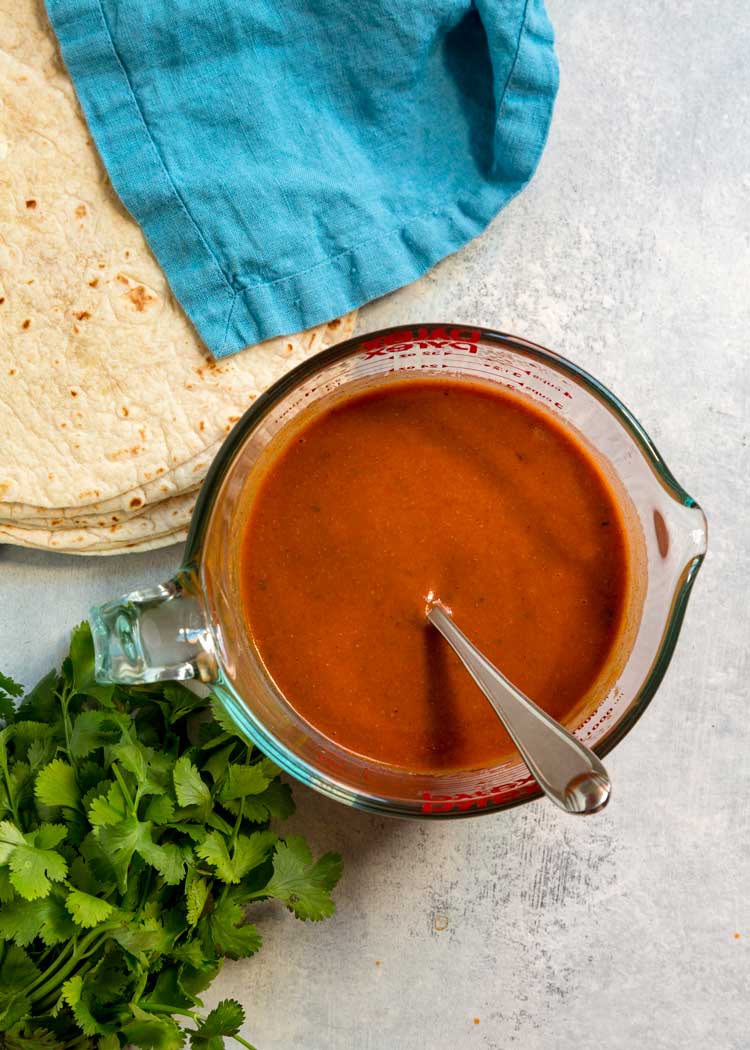
Place small saucepan over medium heat and add all ingredients except the tomato sauce. Stir until fragrant, toasting the dried herbs and spices. Add tomato sauce and 1 C. of water, stir well and simmer a few minutes to blend spices into the sauce. Use for homemade enchiladas or enchilada tacos, or try spooned over poached eggs.


Servings: 8
Serving Size: 1/4 C.

Calories: 15
Fat: 0 g
Fiber: 1 g
Protein: 1 g

Scallion-Buttermilk Dressing

Scallion-Buttermilk Dressing

Scallion-Buttermilk Dressing


½ cup sliced scallions (both green and white parts)

½ cup buttermilk (well shaken)

¼ cup sour cream

¼ cup good quality mayonnaise

2 tablespoons red wine vinegar

1 tablespoon fresh lemon juice

1 & ½ teaspoons garlic powder

½ teaspoon dried thyme

½ teaspoon dried basil

½ teaspoon dried oregano

1 teaspoon Kosher salt

¼ teaspoon ground black pepper

Pinch of cayenne pepper


Puree the scallions in a food processor, then add the remaining dressing ingredients and pulse until smooth.

Caper-Raisin Vinaigrette

Caper-Raisin Vinaigrette

Caper-Raisin Vinaigrette


2 T. plus 1 tsp. Balsamic Vinegar

1/3 C. golden raisins

3 garlic cloves, peeled

3 T. capers, rinsed and drained

One 2-ounce can anchovy fillets, drained

3/4 C. lightly packed flat-leaf parsley leaves

1/3 C. extra-virgin olive oil

Kosher salt


Put the vinegar and raisins in a little bowl and let the raisins plump for about 30 minutes. Put the garlic in a food processor and pulse until finely minced, scraping down the sides of the bowl as needed. Add the capers and anchovies and pulse until you have a coarse paste. Add the parsley and pulse until completely chopped, again scraping down the sides of the bowl as necessary. Add the raisins and vinegar and pulse until the mixture is blended but still slightly coarse. Scrape the mixture from the processor into a bowl and whisk in the olive oil to make a slightly chunky dressing. Taste and adjust with salt or more oil, if needed. Store in fridge for up to 3 weeks. Serve over vegetables such as cauliflower, asparagus or broccoli. Spoon over grilled eggplant. Fold into ratatouille.

Pancetta Vinaigrette

Pancetta Vinaigrette

Pancetta Vinaigrette

1 ounce pancetta (unsmoked, salt-cured Italian-style bacon), cut into 1/4-inch dice

1/4 C. finely chopped shallots

1 tsp. finely minced garlic

1/2 C. sherry vinegar

3/4 C. extra-virgin olive oil

1 T. finely chopped thyme leaves

Kosher salt

Freshly ground black pepper

In a skillet or sauté pan over medium heat, cook the pancetta, stirring frequently, for 10 minutes, or until the fat has been rendered and the pancetta has crisped. Add the shallots and garlic; cook for a minute or so, stirring constantly. Add the vinegar to deglaze the pan. Add the oil and cook until it bubbles at the edges. Remove from the heat and add the thyme, stirring to mix well. Season with salt and pepper to taste.

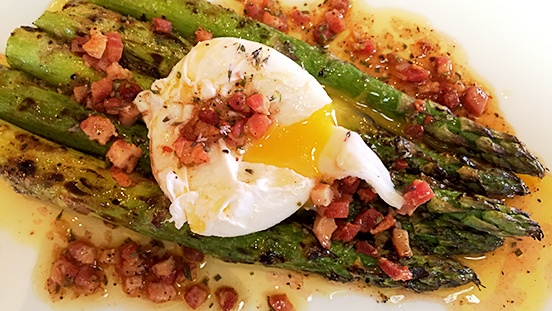
Grilled Asparagus topped with Poached Egg, dressed with Pancetta Vinaigrette
Basic Fennel Dressing

Basic Fennel Dressing

Basic Fennel Dressing

½ C. Olive Oil

½ C. Peanut Oil

½ C. Red Wine Vinegar

½ C. White Vinegar

1 tsp. Sugar

1 tsp. Dry Mustard

1 tsp. ground Fennel

2 tsp. Lemon Juice

1/8 C. Dried Parsley

Salt & Pepper to taste

Blend oils and vinegars. Add remaining ingredients, mixing well.

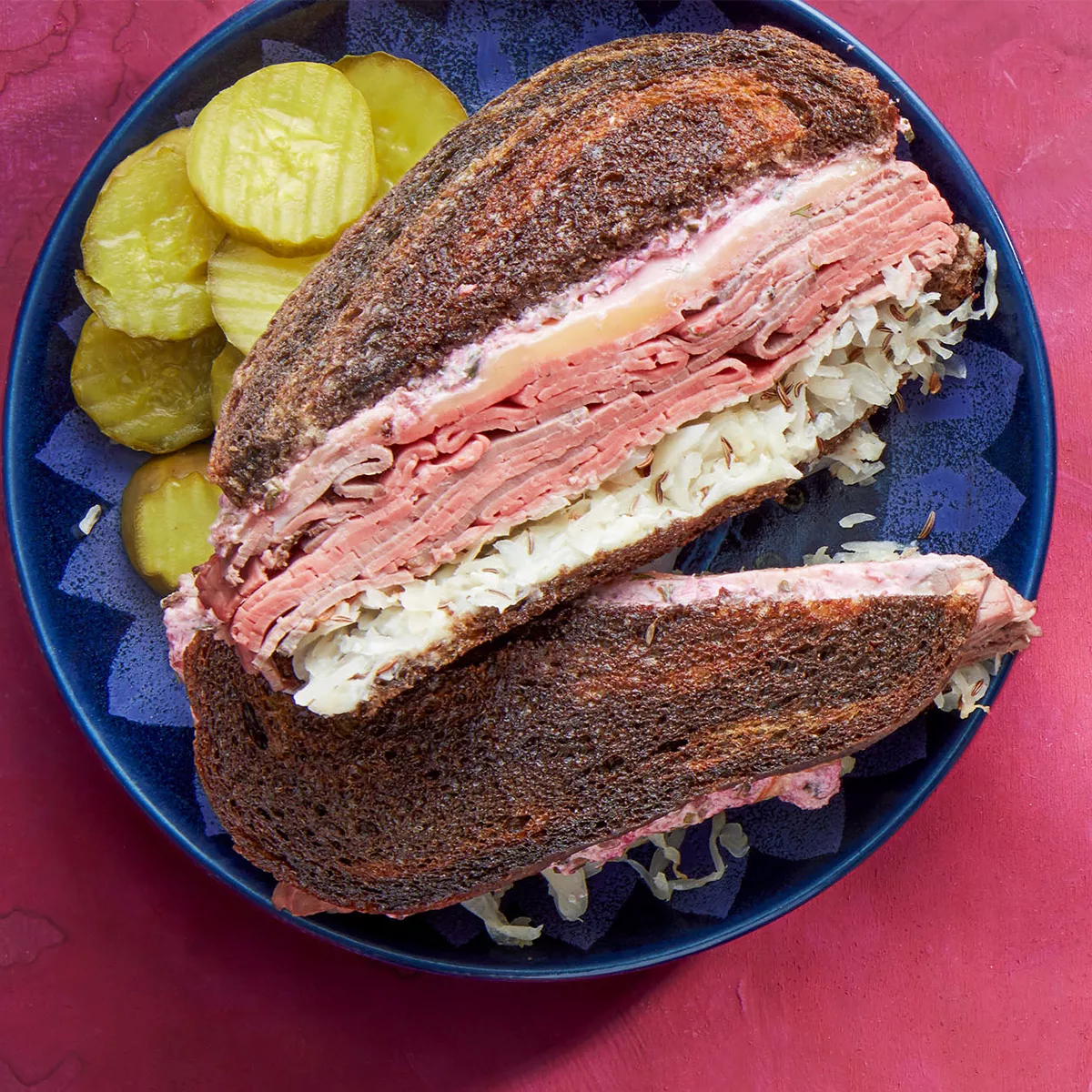
Roast Beef Rubens with Horseradish Russian Dressing & Sauerkraut

Roast Beef Rubens with Horseradish Russian Dressing & Sauerkraut

Roast Beef Rubens with Horseradish Russian Dressing & Sauerkraut

3/4 cup sour cream

1/4 cup (a small handful) fresh dill, chopped

About 3 tbsp. fresh chives, finely chopped

3 tbsp. ketchup

3 tbsp. relish

2 rounded tbsp. beet horseradish

Salt and pepper

Softened butter

8 slices Jewish marble rye

8 slices smoked Gouda

1 jar (16oz.) or 1 sack (1lb.) traditional refrigerated sauerkraut

1 tsp. each caraway and cumin seeds

1 1/4 lbs. rare roast beef, deli cut

8 slices Jarlsberg cheese

Half-sour or garlic deli pickles

In a small bowl, mix the sour cream, dill, chives, ketchup, relish and beet horseradish. Season the dressing with salt and pepper. Butter one side of each slice of the bread and heat a griddle pan over medium. With the buttered side facing down, top 4 slices of the bread with some of the dressing and 2 slices each of the smoked Gouda. In a small saucepan, heat the sauerkraut with the seeds over medium just to heat through, about 5 minutes. Top the Gouda with the roast beef and sauerkraut, then the Jarlsberg. Top with the remaining bread, buttered side up. Griddle until the cheeses melt and the bread is deep golden and crispy, about 5 minutes per side. Cut the sandwiches from corner to corner and serve with the pickles.

Sweet Basil Gnocchi with a Shrimp & Chardonnay Cream Sauce

Sweet Basil Gnocchi with a Shrimp & Chardonnay Cream Sauce

For Gnocchi:
2 lb. baked potatoes
½ C. basil, finely chopped
Salt to taste
1 large egg
1 ½ tsp. unsalted butter, melted
1 ½ C. all purpose flour
2 tsp. olive oil

For Sauce:
2 tsp. olive oil
1 tsp. garlic, chopped
1 tsp. shallots, chopped
1 pound medium-sized shrimp (or substitute shrimp for two 6-oz. chicken breasts, cooked and diced)
1 C. sweet peas
1 C. chardonnay
1 C. cream
1 tsp. unsalted butter
1 2-oz. block of parmesan cheese

Peel and dice potatoes, then place in a large sauce pot with cold water to cover. Add salt and bring water to a boil over high heat. Lower heat and simmer for about 30 minutes or until the potatoes are cooked. Drain and mash. Place a stock pot on the stove with two quarts of water, a tsp. olive oil and a pinch of salt, and bring to a boil. Place the mashed potatoes into a bowl. Add flour a little at time. Add the egg and the butter, blend well. Add the basil and salt & pepper, mix well. Continue to add flour slowly, blending well after each addition. The amount of flour will vary depending upon the moisture in the potatoes. You should add sufficient flour to make dough that is smooth and elastic enough to form into gnocchi easily. Place ½ C. flour in a small bowl. Break off a workable amount, roll into tube shape and cut into desired size. Next, dust the gnocchi in the flour bowl and place onto a cookie sheet lined with wax paper until sauce is made.. Once all gnocchi is ready to cook, drop into boiling water for 5 minutes or until gnocchi floats to the top. Remove with a slotted spoon and set aside in a bowl with a tsp. olive oil until all is cooked. Then add to the sauce when ready.

Wash and clean shrimp or chicken breast and set aside. If you using shrimp make sure they are peeled and deveined; tail may or may not be left on according to preference. Sauté shrimp or chicken until almost cooked through. Set aside and dice when cooled. Place a medium-sized sauté pan onto the stove with a tsp. olive oil over medium high heat. Add garlic, shallots and sauté for 1 minute. Next, add shrimp or diced chicken breast turning over once the shrimp start to get pink and adding white wine and cream. Simmer until slightly thickened. Add salt and pepper to taste. Add sweet peas and gnocchi, mix well. With a vegetable peeler shave parmesan cheese into pan with sauce. Simmer about 5 minutes, while blending in cheese.. Add butter to the sauce and stir. Serve and top off with a little chopped parsley for garnish.

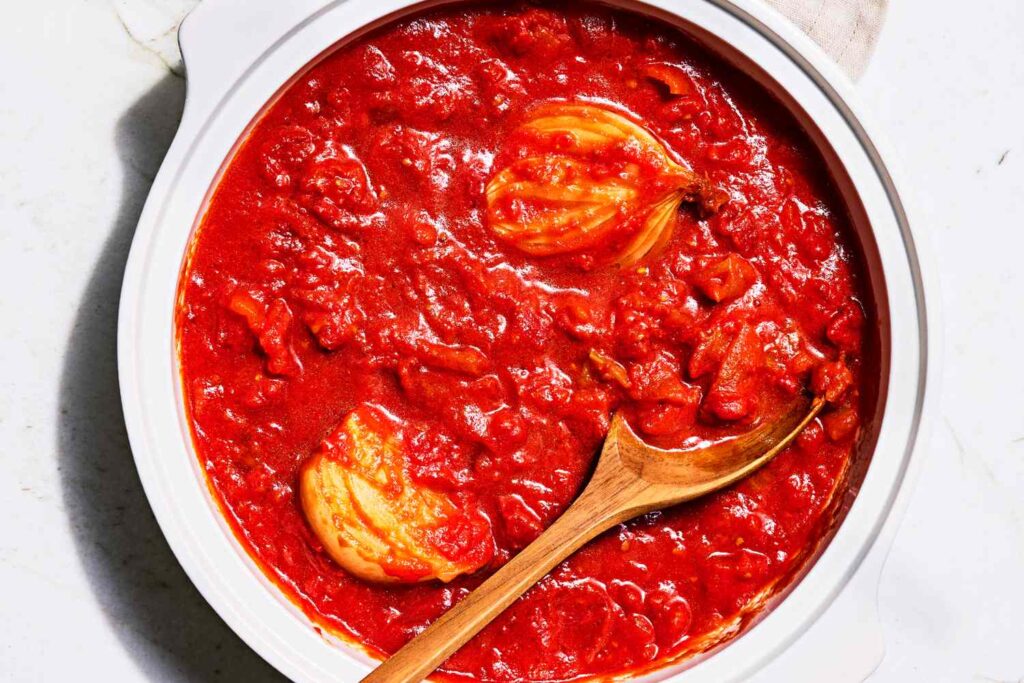
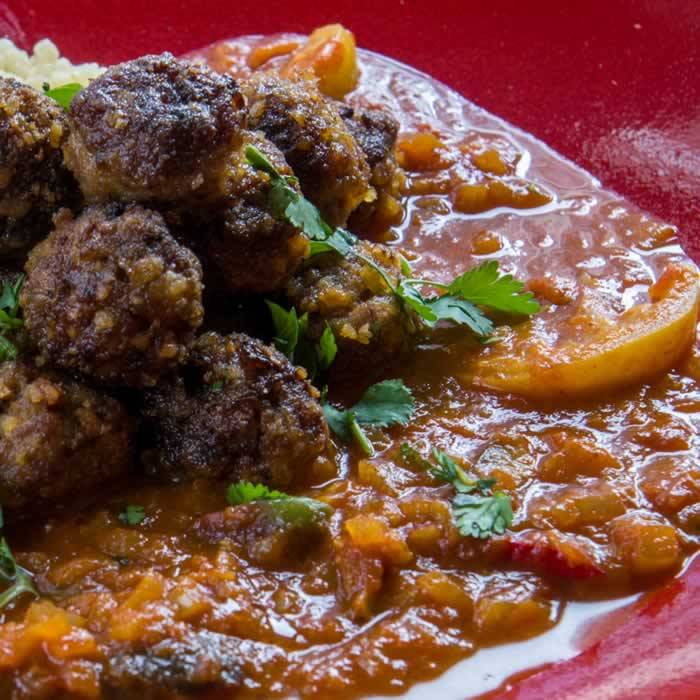
Marcella Hazan’s Tomato Sauce

Marcella Hazan’s Tomato Sauce

2 C. tomatoes, in addition to their juices (for example, a 28-oz. can of San Marzano whole peeled tomatoes)
5 tsp. butter
1 onion, peeled and cut in half
Salt

Combine the tomatoes, their juices, the butter and the onion halves in a saucepan. Add a pinch or two of salt. Place over medium heat and bring to a simmer. Cook, uncovered, for about 45 minutes. Stir occasionally, mashing any large pieces of tomato with a spoon. Add salt as needed. Discard the onion before tossing the sauce with pasta. This recipe makes enough sauce for a pound of pasta.

Spicy Tunisian Tomato Sauce with Olives & Preserved Lemon

Spicy Tunisian Tomato Sauce with Olives & Preserved Lemon

Tomato sauce is infinitely adaptable. This version takes the basic Italian sauce and heads south with it, across the Mediterranean Sea, to Tunisia. It includes either Baharat or Ras el Hanout spice blend, along with paprika, cinnamon, preserved lemons, and olives. It’s fabulous as the base for a Moroccan Tagine (and is specified for Moroccan Kefta Tagine (Spicy Meatballs & Tunisian Tomato Sauce). But it’s also delicious tossed with linguini or strozzapreti pasta, Italian-style.

¼ C. cold pressed, extra-virgin olive oil
1 large onion, minced (2½ C. or 10 oz. minced)
4 cloves of garlic, minced or pressed
2 tsp. Baharat or Moroccan Ras el Hanout
2 tsp. ground cumin (only if Ras el Hanout contains no cumin)
2 tsp. ground paprika
1 tsp. ground cinnamon
½ C. dry white wine
28 oz. canned, crushed tomatoes
2 C. chicken stock, plus more as needed
2 tsp. fine sea salt, plus more to taste
1 tsp. freshly ground black pepper, plus more to taste
1 tsp. wildflower honey, plus more to taste
1 C. large cerignola mix, calamata, or green olives, pits removed, and cut into quarters lengthwise
½ C. small preserved lemons, cut into quarters or eighths lengthwise, pits removed
¼ C. chopped cilantro

In a large sauté pan, over medium-low heat, heat the oil and add the onions. Cook the onions slowly, partially covered, until soft and translucent but not browned, about 10 minutes.
Add the garlic and cook for 2 minutes more, stirring to incorporate. Add the baharat or ras el hanout, cumin (if needed), paprika, and cinnamon. Stir to incorporate. Turn the heat up and add the wine. Simmer until almost all liquid is evaporated. Add the tomatoes and chicken stock. Simmer slowly, partially covered for 15 minutes. Add the olives and preserved lemons, and continue cooking for about 15 minutes longer, until sauce is slightly thickened, with a silky sheen. Total cooking time will be about 30 minutes. If the spices still taste harsh at this point, add a little more stock, and simmer longer. If needed, thin the sauce with additional chicken stock. Sauce should not be too thick. Taste for seasoning, and add salt, pepper, and honey to taste. Just before serving, add the cilantro. Sauce can be used immediately or cooled and refrigerated for up to 3 days. It’s even better on day two. Makes about 2 quarts.

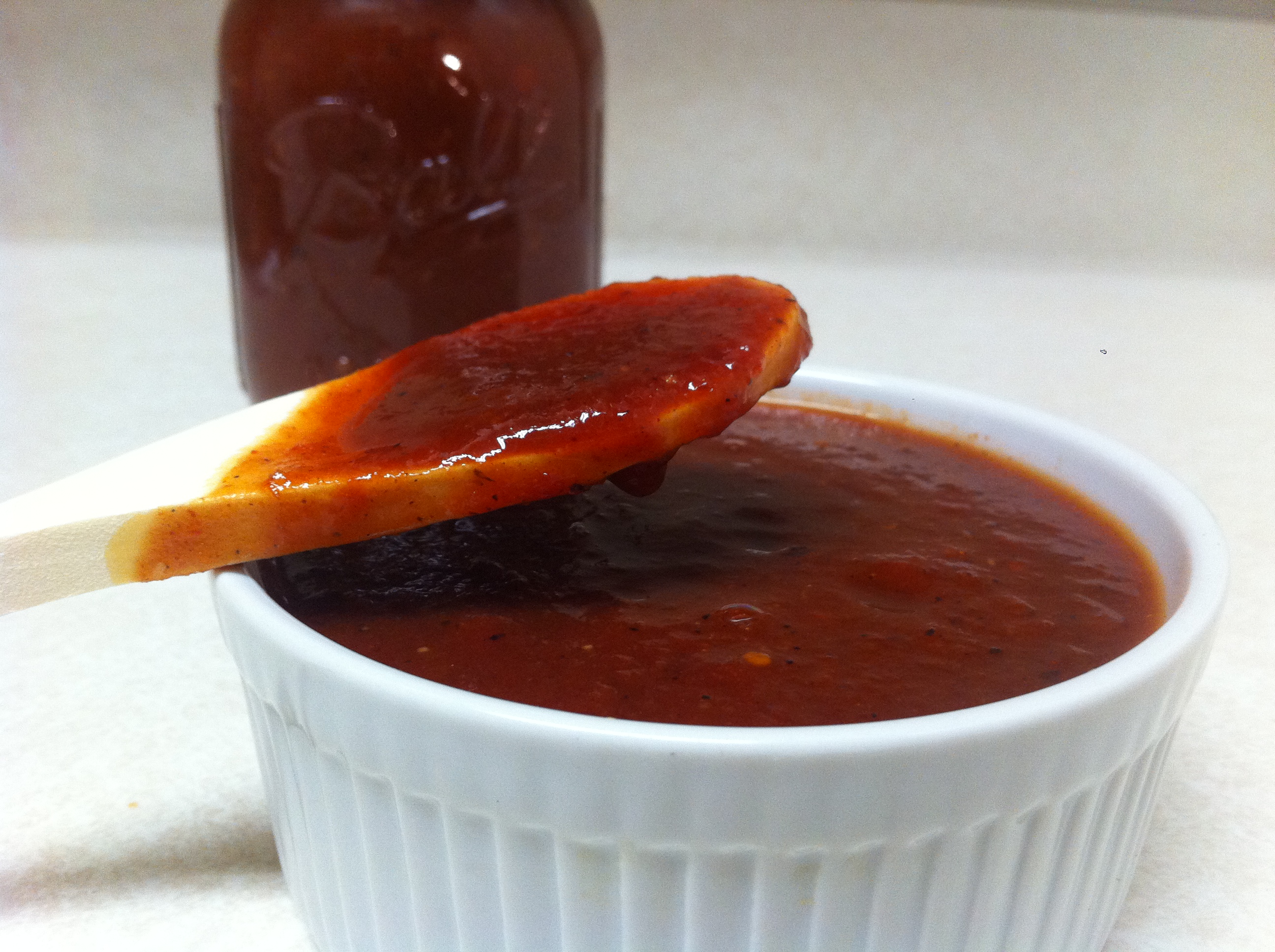
Uses for Barbecue Sauce

Uses for Barbecue Sauce

To give meat loaf a whole new taste, replace the tomato sauce or ketchup in your favorite recipe with bottled barbecue sauce. The smoky taste of the barbecue sauce will add a new dimension of flavor to your old recipe.

For a smoky hamburger spread, stir together 1 T. barbecue sauce and 2 T. mayonnaise. Use on hamburgers or in salads.

To mix up a quick steaming liquid for clams, put 3 dozen scrubbed littleneck clams on a very large sheet of heavy-duty foil and drizzle with 1/2 C. spicy barbecue sauce and the juice of 1 lemon. Fold the foil over the clams, leaving ample space for the clams to open, and crimp the edges to seal. Bake at 375°F or put the foil bag on the grill and cook until the liquid in the foil is bubbling and the clams open, 10 to 12 minutes. Slit open the foil and serve the clams with the sauce. Discard any unopened clams.

For moist and marvelous hamburgers, mix 1/4 C. barbecue sauce into 1 to 1 1/2 pounds ground beef. Shape into 4 patties and grill, broil, or pan-fry over medium heat. Cooked to about 160°F on an instant-read thermometer and the meat is no longer pink, about 4 to 6 minutes per side, basting the burgers with additional barbecue sauce as they cook.

To make delicious baked turkey tenderloins, split 2 turkey tenderloins lengthwise in half and remove the vein. Place the tenderloins in a foil-lined baking dish. Mix together 1/2 C. barbecue sauce, 1/4 C. finely chopped onion, 1/2 tsp. dry mustard, and 1/4 tsp. chipotle chile powder. Spoon or brush over the turkey until completely covered. Bake at 350°F until a thermometer inserted into the center of the thickest portion registers 165°F and the juices run clear, 15 to 20 minutes. Let stand for 10 minutes before slicing and serving.

For hot roast beef sandwiches with just the right flavor, bring 1/4 C. bottled barbecue sauce to a simmer in a saucepan. Add 1/4 pound sliced deli roast beef and heat through for 5 minutes. Put on a roll with some prepared horseradish.

Bajan Hot Pepper Sauce (Bahamas)

Bajan Hot Pepper Sauce (Bahamas)

3 oz. distilled white vinegar
1 T. ground turmeric, or 1/2 T. Turmeric + 1/2 T. Bajan Spice Blend
5 tsp. brown sugar
4 tsp. yellow mustard seeds
1 3/4 oz. fresh habanero chiles (6 to 9)
1/2 C. coarsely chopped onion

In a small bowl, mix vinegar, turmeric and brown sugar together until smooth. Place mustard seeds in a small skillet over medium-high heat and dry roast just until aromatic or the seeds start to pop. Immediately remove seeds from heat and stir into vinegar mixture. Place vinegar mixture, habaneros and onions into a blender and puree to a smooth, pourable texture.

This sauce is hot! Use as a spicy topping or dipping sauce. Use as a marinade or rub for beef, pork, poultry, seafood, tofu or veggies. Great as a dip for our Bajan Seafood Hushpuppies and a key ingredient in our Bajan Hot Pepper Grilled Chicken.

You can purchase commercial Bajan spice blends that are nice in this, they usually contain lots of spices such as: onion, thyme, garlic, coriander, turmeric, black pepper, parsley, marjoram, ginger, fenugreek, cumin, anise, allspice, habanero, makrut lime, cinnamon, mustard, mace and cardamom.

Orange & Garlic Pork Chops with Cherry Sauce

Orange & Garlic Pork Chops with Cherry Sauce

4-6 pork chops, boneless, thick-cut
3/4 C. orange juice
4 T. EVOO
1/4 C. soy sauce
3 cloves garlic, minced
1 tsp. salt
1/2 tsp. fresh ground pepper
1/2 C. cherry preserves
1/4 C. chopped dried cherries or 1/2 C. chopped fresh cherries (pitted)
1/4 C. fruit juice (orange, pomegranate, cranberry, etc)

Combine 3/4 C. orange juice, 2 T. EVOO, soy sauce, garlic, salt, and pepper in a gallon-sized baggie. Add pork chops and let marinate for at least 1/2 hour, but up to 4 hours. Heat 2 T. EVOO in a large skillet over medium heat. Add pork chops to skillet. Cook covered, turning occasionally. Cook chops until they reach 160°. Cherry Sauce: In a medium saucepan, heat preserves over medium-low heat. Add dried or fresh cherries and juice. Stir frequently. Mixture should boil for at least 10 minutes until thickened. Be careful not to scorch. Serve warm over pork chops.