Sweet and Spicy Pickled Radish

Sweet and Spicy Pickled Radish

Sweet and Spicy Pickled Radish

1 lb. radishes sliced thin

1/4 C. cilantro chopped

1 jalapeno stem removed, finely diced

1 C. distilled white vinegar or more as needed

2 T. sugar

2 T. kosher salt

1 tsp. red pepper flakes optional

1 T. mustard seed


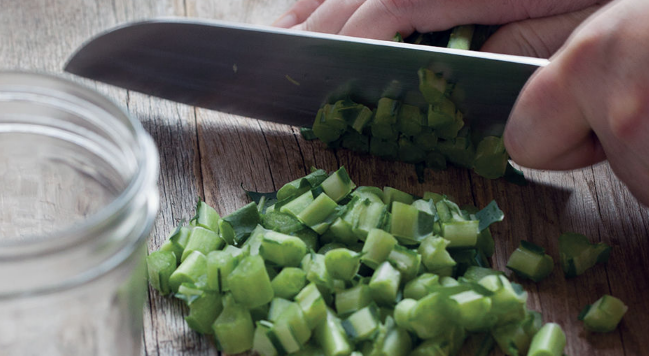
Wash and dry the radishes – slice thin and add to a large bowl along with the chopped cilantro and jalapeño – set aside. In a small saucepan, combine the vinegar with the sugar and salt and stir until dissolved. Bring to a low boil on the stove, then turn off and allow to cool completely (you can also toss in the fridge if you are in a hurry). Grab a wide-mouth quart canning jar and pack it to the top with the radish/cilantro/jalapeño mixture. Pack tightly. Sprinkle the red pepper flakes and mustard seed on the top of the packed radishes. Pour the cooled vinegar mixture over the top of the mixture in the jar, if needed, top off with additional vinegar and a pinch of salt. Place the lid and ring tightly on the jar and allow to sit at room temperature for 24 hours before placing in the refrigerator. Consume within 7-10 days. Optional: 2 chiles de arbol can be added to each jar for a little extra spice. Simply remove the stem and stuff in the jar before adding the liquid.

Old-Fashioned Pear and Ginger Cakes

Old-Fashioned Pear and Ginger Cakes

Old-Fashioned Pear and Ginger Cakes

¾ cup packed dark brown sugar

6 T. (¾ stick) butter, melted

4 medium-size, ripe, fresh pears

1 package (18.25 ounces) plain spice cake mix

1 cup unsweetened applesauce

½ cup buttermilk

1 tsp. ground ginger

½ tsp. ground cinnamon

3 large eggs

Vanilla ice cream, for serving


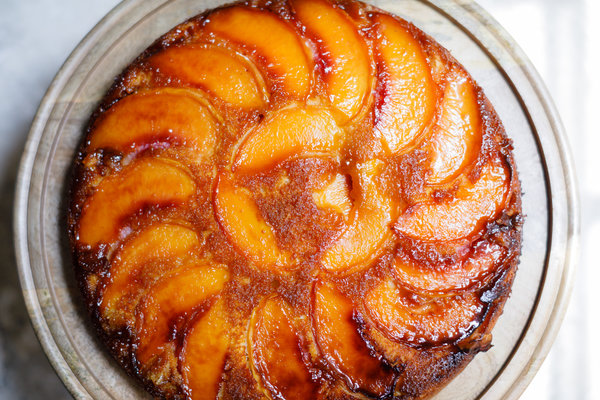
Place a rack in the center of the oven and preheat the oven to 350°F.   Divide the brown sugar between two 9-inch round cake pans, spreading it out evenly. Divide the melted butter between the two pans, covering the top of the brown sugar. Press the brown sugar mixture out so that it covers the entire bottom of each pan. Set the pans aside. Peel the pears, cut them into quarters, and remove the cores from the centers. Cut each quarter pear lengthwise into 3 or 4 slices. Arrange the slices, rounded side up, in rows on top of the brown sugar and butter mixture.  Place the cake mix, applesauce, buttermilk, ginger, cinnamon, and eggs in a large mixing bowl and beat with an electric mixer on low speed until the ingredients are incorporated, 30 seconds. Stop the machine and scrape down the side of the bowl with a rubber spatula. Increase the mixer speed to medium and beat for 2 minutes longer, scraping down the side of the bowl again if needed. The batter should look well combined and smooth. Divide the cake batter evenly between the 2 cake pans, pouring the batter over the pears and smoothing it out with the rubber spatula. Place the cake pans in the oven side by side.  Bake the cake layers until the tops spring back when lightly pressed with a finger, 25 to 27 minutes. Remove the cake pans from the oven and carefully run a knife around the edge of each cake. Invert the cakes onto serving plates immediately and let them cool for 10 minutes. Cut the cakes into wedges and serve with ice cream. Keep It Fresh! Store these cakes, in cake savers or loosely covered with plastic wrap, in the refrigerator for up to three days. It does not freeze well.


One Big Pear Cake:  If you’d like, go ahead and bake this cake in a 13 by 9–inch pan, baking it for about 45 minutes. Don’t invert the cake unless you have a rectangular platter large enough to hold it. Cut the cake into squares and invert them onto plates, then serve them with ice cream. I have found this cake is best served the same day it is baked.

Paprika Chicken Thighs with Lemon Zucchini Skillet

Paprika Chicken Thighs with Lemon Zucchini Skillet

Paprika Chicken Thighs with Lemon Zucchini Skillet

4 chicken thighs bone-in, skinless

2 T. Paprika Spice Blend (see below)

1/2 tsp. kosher salt

1 T. oil

2 T. butter or oil divided

2 large zucchini, cut into wedges

3 cloves garlic, minced

Juice of 1/2 lemon

1/4 C. chicken stock

2 T. chopped parsley, for garnish

1 tsp. red chili pepper flakes, for garnish


4 T. Smoked Paprika

3 T. Garlic Powder

1 T. Onion Powder

3 T. Ground Black Pepper

1 tsp.  Cayenne Pepper


To make the paprika chicken thighs: In a small bowl, combine all the ingredients for the paprika spice blend and mix with a spoon until well combined. Arrange chicken thighs in a shallow plate and generously season with 2 T. of this seasoning mix. Toss the chicken meat to coat well with spices. Melt 1 T. butter and 1 T. oil in a large skillet over medium-low heat. Lay the seasoned chicken thighs in one layer in the skillet. Cook for 5-6 minutes then flip and cook another 5-6 minutes, until cooked through and a cooking thermometer displays 165°F (75°C). If chicken browns too quickly, lower the heat. Adjust timing depending on the thickness. Transfer cooked chicken thighs to a plate and set aside. In the same skillet, lower the heat and melt the remaining T. butter. Add zucchini and minced garlic and cook for 4 to 5 minutes, stirring regularly, until cooked to your liking. Add lemon juice and chicken stock and reduce the sauce for a couple of minutes, until slightly thickened. Add cooked paprika chicken thighs back to the pan with zucchini and reheat quickly. Adjust seasoning with salt and pepper and serve the paprika chicken thighs and zucchini immediately, garnished with crushed chili pepper, fresh parsley, and a slice of lemon if you like. Enjoy!

Thai Chili Dipping Sauces

Thai Chili Dipping Sauces

Thai Chili Dipping Sauce


This is a multipurpose sauce that is easy to make and has a usual spot on the Thai dining table. It helps add extra tastes of salty, sour, sweet, and spicy to any dish. It also can be a sauce for a number of fried or barbecued dishes.


3 T. Soy Sauce

3 T. Lime Juice

1 T. Sugar

1 T. Thai Chilis, minced

1 T. thinly sliced or minced Garlic

1 T. thinly sliced or minced Shallots

1 T. chopped Cilantro

1 T. chopped Green onions


Combine all ingredients and mix well.


Thai Chili Sweet Soy Dipping Sauce


This is a more elaborate multipurpose sauce that goes well with grilled or fried dishes, such as grilled mushrooms and eggplants, corn fritters, or fried sweet potatoes. Its flavor is more complex with domineering sweet and sublime ginger. Its chili heat can be easily adjusted by the amount of red chili sauce added. This sauce can be prepared in a large batch and stored in the refrigerator. It should keep about two weeks.


1/2 cup soy sauce

3/4 cup packed brown sugar

1 T. finely diced onions

2 T. tomato paste

2 T. rice vinegar or distilled white vinegar

2 T. finely diced fresh ginger

1 T. red chili sauce [sambal olek] or Tabasco, more or less to taste


Combine the soy sauce and sugar in a small saucepan. Place over medium heat and cook for 7-10 minutes or until the sugar is dissolved and the mixture thickens. Remove from the heat and let

cool. Stir in the onions, tomato paste, vinegar, ginger, and red chili sauce. Serve on the side with grilled and satay dishes.

Berry Berry Cool Pie

Berry Berry Cool Pie

Berry Berry Cool Pie

1 (14 oz.) can Eagle Brand® Sweetened Condensed Milk

2 T. lemon juice

1 ½ C. assorted fresh berries (raspberries, blueberries or blackberries)

1 (8 oz.) container frozen whipped topping, thawed

1 (6 oz.) Keebler Ready Crust Graham Pie Crust

Mix together sweetened condensed milk and lemon juice in large bowl until blended. Stir in berries. Fold in whipped topping. Spoon into crust. Freeze 5 hours or until set. Let stand 30 to 40 minutes before serving. Garnish as desired. For Fudge Drizzle: Place 2 T. Smucker’s® Hot Fudge Topping in resealable plastic bag. Cut small piece off one corner. Drizzle topping over pie before serving.

Millionaire Stuffed Shrimp

Millionaire Stuffed Shrimp

Millionaire Stuffed Shrimp


12 each shrimp fresh, unpeeled, jumbo

6 cups   water

1 medium onions

finely chopped

½ medium green bell peppers finely chopped

½ cup celery finely chopped

½ cup butter or margarine, melted and divided

1 pound crab meat fresh lump, drained

1 large egg lightly beaten

¾ cup crackers, saltine crushed

½ cup mayonnaise

1 T. prepared mustard

2 tsp. Worcestershire sauce

⅛ tsp. red pepper flakes, ground

Paprika


Peel and devein shrimp, leaving tails intact; cut a slit almost through back of shrimp, using a paring knife. Open shrimp and flatten. Bring water to a boil. Add shrimp; cook 1 minute. Drain; place in a shallow pan. Cook onion, green pepper, and celery in ¼ cup butter in a skillet, stirring often, until tender. Combine crabmeat and next 6 ingredients in a bowl, stirring gently. Stir in vegetable mixture. Top each shrimp with 3 T. crabmeat mixture: sprinkle with paprika. Drizzle ¼ cup butter over top. Bake, uncovered, at 350℉ (180℃) for 20 minutes. Broil 5½ inches from heat (with electric oven door partially opened) 6 minutes, basting twice with pan drippings.

Grilled Cheese with Apricot Jam and Arugula

Grilled Cheese with Apricot Jam and Arugula

Grilled Cheese with Apricot Jam and Arugula


4 slices country bread

4 oz. Cheddar or Dubliner cheese, sliced

2 T. apricot (or other fruit) Jam

1 T. salted butter

1/4 C. arugula


Preheat a large skillet or sandwich press on medium-high heat. To assemble sandwiches, spread a thin layer of jam on one side of bread. Top with a double layer of cheese slices and second piece of bread. Generously butter outsides of both pieces of bread.  Put sandwiches in skillet and toast until bread is golden brown and cheese is melted, about 3-4 minutes per side. Remove from pan. Carefully (it will be hot!) peel apart bread and place arugula inside and replace top slice of bread. Cut in half and serve immediately.

ABM Rosemary Focaccia

ABM Rosemary Focaccia

ABM Rosemary Focaccia


1.25 cups water (between 100 – 115 degrees)

1/2 cup olive oil

2 tsp. salt

2 T. crushed rosemary (dried or fresh)

3 cups bread flour

1/2 cup cornmeal

1 T. yeast

1/4 cup shredded asiago or parmesan cheese (fresh is nice)

1 T. kosher salt – optional

1 T. crushed garlic – optional


Place ingredients in your bread machine per your appliance instructions. (But usually it is wet, dry, flour, yeast.) Turn on bread machine to dough cycle. When cycle is completed, turn dough on a well-floured surface and knead well to form a ball.  (It’s okay to knead this a little more than usual. I’ve found the more I knead it, the better the quality of bread at the end.)  Place dough on an oiled baking sheet or un-oiled baking stone. Pat dough into a rectangle that is 1/2 inch thick. Optional: Mix together kosher salt and crushed garlic and sprinkle on top of bread. Cover dough with cotton cloth and let rise for 30 minutes. In the meantime, preheat oven to 450 degrees.. Bake at 450 degrees for 10 minutes. Reduce oven heat to 350 degrees and back for an additional 10 minutes. Sprinkle Asiago or Parmesan Cheese on top and bake for 2 to 3 more minutes or until cheese is melted. 8. Remove from oven and place on baking rack and cool for 10 minutes.

Wild Mushroom Tacos with Avocado Cream

Wild Mushroom Tacos with Avocado Cream

Wild Mushroom Tacos with Avocado Cream

4 tbsp oil

Mushrooms 32oz (I used baby bella, shitake, and hen of the woods) sliced into bite sized pieces

1 small yellow onion (diced)

3 cloves garlic

1/2 tbsp smoked paprika

1 tsp chili powder

1 tsp garlic powder

1/2 tsp salt

1/2 tsp pepper

3 tbsp cilantro (chopped) for garnish

1/2 lime for garnish


Avocado Crema:

1 avocado

1 lime (juiced)

1/4 can coconut milk (full fat)

Pinch of salt

1 tsp ground pepper


Heat olive oil in pan at Medium. Add in onions and sauté for 2-3 minutes until they soften. Then add mushrooms, stir for 1 minute, then add garlic, and stir. Let mixture brown for a few minutes and add smoked paprika, chili powder, garlic powder, salt and pepper and stir until mushrooms are well coated. Cover and set aside. In a blender place avocado, lime juice, coconut milk, salt and pepper and blend until smooth. Serve mushrooms in a tortilla, hard shell taco, or even a lettuce wrap and top with cilantro, crema sauce, lime and whatever toppings you like!

Salsa di Pomodoro della Nonna

Salsa di Pomodoro della Nonna

Salsa di Pomodoro della Nonna


1/4 cup extra-virgin olive oil

One 4-pound chicken, quartered

Kosher salt and freshly ground black pepper

1/4 cup peeled and finely diced carrot

1/4 cup finely diced celery

1/2 cup finely diced yellow onion

1 teaspoon minced garlic

1 teaspoon minced fresh rosemary

1 bay leaf

1/2 cup dry red wine

Two 28-ounce cans San Marzano tomatoes, put through a food mill, with juice reserved (see Chef’s Note)

1/4 cup torn fresh basil leaves


Preheat the oven to 300 degrees F. Heat a large Dutch oven over medium-high heat and add the oil. Season the chicken with salt and pepper. Add the chicken to the pot and lightly brown on all sides, about 4 minutes per side. Using tongs, transfer the chicken to a plate.  Place the Dutch oven over medium-high heat and sauté the carrot, celery, onion, and garlic until tender, about 8 minutes. Add the rosemary, bay leaf, and red wine. Stir to scrape up the browned bits, then return the chicken to the pot. Cook to reduce the wine until the pot is almost dry. Pour in the milled tomatoes and season the sauce with salt and pepper.  Make a sweating lid to fit the pot. When the sweating lid is in place resting on top the chicken, slide the pot into the oven and cook for about 1 hour, or until chicken is cooked through. (You can use a regular pan lid if you don’t want to cut a sweating lid from parchment but allow a little more cooking time.) Using tongs, transfer the chicken pieces to a plate. You can keep the chicken warm and serve it as a second course, or let cool, wrap, and refrigerate for another use. Add the torn basil leaves to the sauce and use this in place of any marinara sauce.


CHEF’S NOTE: Tomatoes put through a food mill have the right consistency for the sauces I make. If you don’t have a food mill, you could pulse tomatoes just 3 or 4 times in a food processor (don’t overprocess them), but to get the same velvety consistency of the sauces we serve at Bottega, a food mill works much better, and is an inexpensive addition to your kitchen tool set.


Cooking under a sweating lid reduces the circulation of the air in the pot and, by holding in the steam, keeps the food moister. There are two ways to cut a sweating lid: Trace the lid for the pot you’ll be using on parchment paper and then cut the paper a little smaller, so the parchment fits inside the pot. The other way to make a sweating lid-the chef’s way-is to tear off a piece of parchment larger than the pot. Holding one point of the parchment sheet toward you, fold the parchment into a fan, starting at the left side and folding back and forth to create accordion pleats. Hold the parchment fan over the pot with the tip of it dead center, then use kitchen shears to snip off the fat end in a curve. The sweating lid will fit down inside the pot and sit right on top the bird as it cooks, keeping it moist and flavorful.

Avocado with Ginger & Carrot Dressing

Avocado with Ginger & Carrot Dressing

Avocado with Ginger & Carrot Dressing

2 T. water

2 small carrots,, peeled and diced

1/2 shallot,, peeled and roughly chopped

2- inch knob of ginger,, peeled and grated

1/4 C. grape seed oil

2 T. rice wine vinegar

1 T. sesame oil

1 T. sweet white miso paste

1 avocado,, fanned

Sesame seeds,, for topping


To a blender or food processor, add the water, carrots, shallot and ginger. Pulse until carrots and shallot are thoroughly minced. Scrape down the sides and with the blender running, pour in the grape seed oil, rice wine vinegar, sesame oil and sweet white miso paste. Allow the blender to run for 30 seconds or so. Give it a taste and adjust the salt to taste. I added just a pinch of salt. To assemble the snack: half an avocado. Peel the avocado and place flesh side down on a cutting board. Slice it thinly and then gently press on the top, fanning it out. Place a liberal T. of dressing onto the plate. Top with the avocado and then garnish with a few sesame seeds and a pinch of salt.

Citrus Fennel Salsa

Citrus Fennel Salsa

Citrus Fennel Salsa


1 ½ cups orange and grapefruit sections

¼ cup chopped green onions

¼ cup fennel bulb

1 – 2 tablespoon fennel fronds

1 jalapeno pepper

1 tablespoon white balsamic vinegar or white wine vinegar


In a bowl stir together orange and grapefruit sections, green onions, fennel bulbs, fennel fronds, and seeded and finely chopped jalapeno. Drizzle with white balsamic vinegar or white wine vinegar.

Instant Pot Kalua Pork

Instant Pot Kalua Pork

Instant Pot Kalua Pork

4 pound pork shoulder roast cut in two pieces

1/2 cup Water

1 tablespoon Hickory Liquid Smoke

2 teaspoons kosher salt coarse, or Hawaiian salt


Press [Sauté] to pre-heat the cooker. When the word “Hot” appears on the display add oil to the cooking pot. Brown each half of the roast separately. Remove to a platter when browned. Turn pressure cooker off and add water and liquid smoke to the cooking pot. Add browned roasts and any accumulated juices to the pot. Sprinkle the salt over the top of the pork roasts. Press [Pressure Cook] and then use the [+] button to set 90 minutes of pressure cooking time. When beep sounds, use a natural release to release pressure (approximately 20 minutes). When valve drops, carefully remove lid. Remove the meat from the pressure cooker and shred with two forks, discarding excess fat as you shred. Add some of the juices from the pressure cooker to moisten the meat. (I used a fat separator to remove fat from the juices.)

Make a Marinade

Make a Marinade

Make a Marinade


⅓ cup vinegar:


Rice wine vinegar

Apple cider vinegar

Balsamic vinegar


½ cup soy sauce


2 T. liquid sweetener:

Honey

Maple syrup

Agave nectar


2 T. Dijon mustard

4 garlic cloves, minced

2 tsp. Italian seasoning

½ tsp. freshly ground black pepper


¼ cup oil:

Olive oil

Avocado oil

Canola oil


In a bowl, whisk together the vinegar, soy sauce, sweetener, mustard, garlic, Italian seasoning, and pepper. Slowly whisk in the oil to emulsify and combine. Alternatively, shake all the ingredients together in a jar with a tight-fitting lid. 2 Pour into a shallow dish and add your desired protein or vegetables, turning to coat. 3 For beef, chicken, vegetables, or tofu, marinate for at least an hour but not more than 24 hours. For fish, marinate for at least 30 minutes but not more than 2 hours. This recipe will make enough marinade for 4 to 6 portions of protein, tofu, or vegetables.

Baked Eggs Napoleon

Baked Eggs Napoleon

Baked Eggs Napoleon

12 tater tots, cooked and crumbled

1 tsp. butter

1 T. jalapeno, seeded and finely diced

1/4 C. sweet onion, diced

1 clove garlic, diced

1/4 C. mozzarella cheese, shredded

2 eggs

salt and pepper to taste


Preheat oven to 350f. Preheat a small skillet over medium high heat.  Melt butter in the skillet and add the onion and jalapeno. Cook 3-5 minutes, stirring occasionally, until starting to soften. Add the garlic and cook another minute, stirring occasionally. Spray two small ramekin dishes with non-stick spray. Divide the crumbled tots between the two dishes. Stir the onion, chile, garlic mixture into the dishes. Top with the mozzarella. Crack an egg into each ramekin. Season with salt and pepper. Bake in the oven on the middle rack for 5 minutes. Broil on high for 5-6 minutes or until the eggs are set.  Rest for 5 minutes before serving and warn diners that the ramekin is still hot. Notes: For extra crispy potatoes, put the ramekins in the oven for 3 minutes after adding the onion and garlic, then proceed as written.

Grilled Steak and Radishes with Mustard Butter

Grilled Steak and Radishes with Mustard Butter

Grilled Steak and Radishes with Mustard Butter


2 T. olive oil, plus more for the grill

4 T. (½ stick) unsalted butter, at room temperature

2 tsp. Dijon mustard

Kosher salt

1 T. finely chopped fresh flat-leaf parsley (optional)

1½ to 2 pounds hanger steak (about 1 inch thick) or skirt steak (about ½ inch thick)

Freshly ground black pepper

8 to 12 radishes, preferably with green tops attached, halved lengthwise


Prepare a grill or grill pan for high heat. Lightly oil the grill grate with olive oil. In a small bowl, stir together the butter, mustard, ½ tsp. kosher salt, and the parsley, if using. Set aside. Season the steak generously with salt and pepper, using 1 tsp. salt and ¾ tsp. pepper for each pound of meat. Grill, turning once, until nicely charred all over, about 5 minutes per side for medium-rare hanger steak, or 3 to 4 minutes per side for medium-rare skirt steak. (If you’re using an instant-read thermometer to check doneness, aim for 130°F.) Transfer the steak to a cutting board and let it rest for 10 minutes. Meanwhile, drizzle the radish bulbs and greens with 2 T. olive oil and season with ½ tsp. salt and ¼ tsp. pepper. Reduce the grill heat to medium-high. Grill the radishes until the bulbs are crisp-tender and the greens are a little charred, 2 to 4 minutes per side, depending on the size of your radishes. Slice the steak against the grain. Arrange on a serving platter with the radishes. Serve the steak and radishes warm, with the mustard butter spooned over the top.

Naturally Pink Cauliflower Pickles

Naturally Pink Cauliflower Pickles

Naturally Pink Cauliflower Pickles

1 medium-small cauliflower (1½–2 pounds)

1 small beet

2 sprigs fresh dill or 2 dill flower heads or 1 teaspoon dried dillweed, divided

2 small cloves garlic, peeled and lightly smashed

1 teaspoon mustard seeds, divided

½ teaspoon cumin seeds, divided

½ teaspoon red chile pepper flakes, divided (optional)

1 cup white distilled or white wine vinegar

¾ cup water

1 tablespoon honey

2 teaspoons kosher or other non-iodized salt


Wash the cauliflower and remove any outer leaves. Cut it in half, and slice off the florets with a short length of the base attached. Aim for approximately 1-inch pieces. Peel the beet. Cut it in half and then into ½-inch-thick slices. Distribute the dill, garlic cloves, and spices between two clean pint canning jars. Pack in the cauliflower above the seasonings, adding half of the beet slices to each jar. Leave 1 inch of head space. Combine the vinegar, water, honey, and salt in a small pot. Bring to a boil, stirring to dissolve the salt and honey. Skim off any foam that forms on the surface. Pour the hot brine over the other ingredients in the jars, fully covering them but still leaving ½ inch of head space. Screw on canning lids and process the jars in a boiling water bath for 10 minutes (adjust the canning time if you live at a high altitude—see the sidebar in the Boiling Water Bath Canning chapter). Wait at least one week before serving. During that time, not only will the flavors mellow and “marry,” but the beet juices will color the cauliflower.

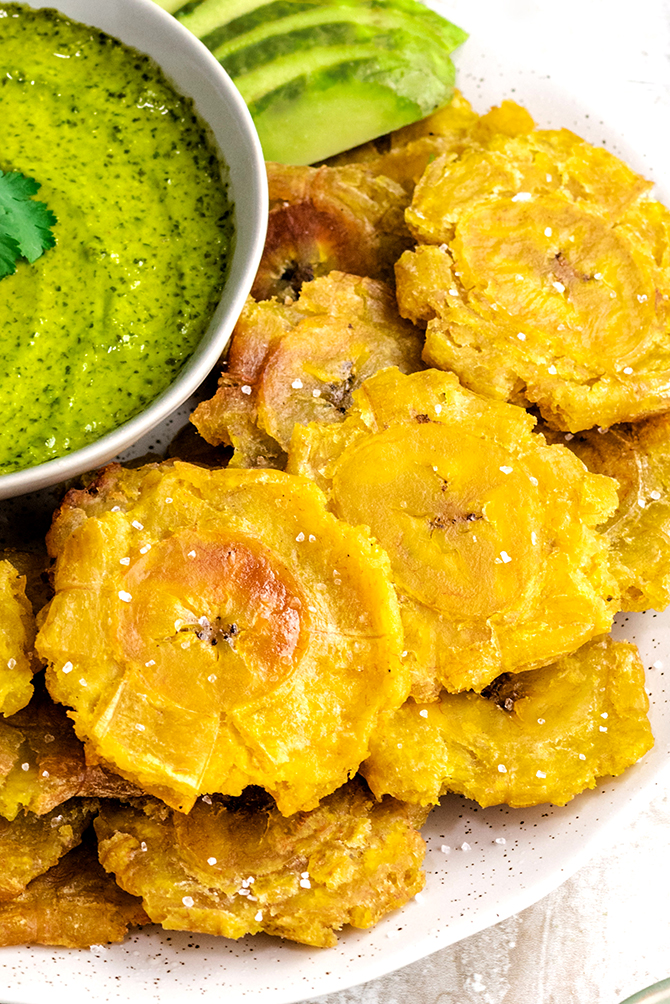
Mojo Verde (Canarian Green Mojo Sauce)

Mojo Verde (Canarian Green Mojo Sauce)


1 large bunch cilantro, leaves and tender stems only

4 large cloves garlic, peeled

2 limes, juiced

1/2 teaspoon cumin

1 jalapeno, stemmed

1 tablespoon white wine vinegar

1/2 cup olive oil

Kosher salt, to taste


In the bowl of a food processor or blender, combine the cilantro, garlic, lime juice, cumin, jalapeno, white wine vinegar, and olive oil. Process until well-combined. Season generously with kosher salt and serve immediately, or cover and refrigerate until ready to use.

Stovetop Applesauce

Stovetop Applesauce

Stovetop Applesauce

3 pounds apples

2 tablespoons sugar or 1½ tablespoons honey (optional)

½ cup water or apple juice

2 tablespoons lemon juice


Wash the apples. If you have a food mill or a food processor, you’ll use it later to deal with the peels. Otherwise, peel the apples. Remove the cores (save them to make Apple Scrap Vinegar). Chop the apples into chunks about an inch thick. Put the apples into a large pot. If you are using the sugar, add it to the apples; if you are using the honey, dissolve it in the water. Add the lemon juice and the water to the pot. Cook the apples over medium heat, stirring frequently, for 20 to 25 minutes until they are mushy. If you left the peels on, run the applesauce through a food mill to remove them, or puree in a food processor (Since a food processor can’t separate the skins from the pulp in the same manner as a food mill, it’s preferable to peel and seed apples before cooking. After the apples are cooked, use a slotted spoon to transfer apples to the bowl of the food processor. Pulse to create a smooth puree, adding a tablespoon or two of the cooking liquid, as needed. Flavor with cinnamon or sugar, if desired.). If you peeled the apples, you can either mash them with a potato masher or puree them in a blender or food processor. Homemade applesauce will keep, refrigerated, for 1 week, or in the freezer for 6 months. For longer storage at room temperature, fill clean, hot pint or half-pint jars with the applesauce, leaving ½ inch of head space. The applesauce should still be hot when you fill the jars. If you want to can applesauce that has already cooled or been in the refrigerator for a couple of days, first bring it to a boil over medium heat before filling the jars. Go around the insides of the filled jars with a table knife to remove any air bubbles. Wipe the rims of the jars clean. Screw on canning lids and process in a boiling water bath for 20 minutes.


Cranberry Applesauce

Cook 4 pounds apples with 1 ½ cups of frozen cranberries, ½ cup sugar, and ¼ cup brown sugar, and 1 tablespoon freshly squeezed lemon juice.


Chunky Apricot Applesauce

Soak 1 cup dried apricots in hot water for about 10 minutes, or until softened. Remove from water and dice. Add diced apricots and about ¼ cup

sugar to 4 pounds apples in the last few minutes of the cooking time, stirring until sugar dissolves.


Pear Applesauce

Cook 2 pounds apples and 2 pounds pears, both quartered. Since pears have more natural juice than apples, this sauce will be a little thinner than classic applesauce. To compensate, add just a tablespoon or two of liquid to the fruit before cooking instead of the ¼ cup listed in the recipe


Plum Applesauce

Cook 2 pounds apples with 2 pounds halved and pitted plums, and ¼ cup sugar.

Jammy 7 minute Soft-Boiled Eggs

Jammy 7 minute Soft-Boiled Eggs

Jammy 7 minute Soft-Boiled Eggs


4–8 large eggs, week old better


Bring a large saucepan of water to a boil over medium-high heat. Using a slotted spoon, carefully lower eggs into water one at a time. Cook 7 minutes, adjusting heat to maintain a gentle boil. Transfer eggs to a bowl of ice water and chill until just slightly warm, about 2 minutes. Gently crack eggs all over and peel, starting from the wider end, which contains the air pocket. Do Ahead: Eggs can be cooked and peeled 3 days ahead. Store airtight in the refrigerator. For bright, fudgy (that is, not runny) yolks, cook the eggs for 8 minutes. For classic pale yellow, fully cooked yolks, cook the eggs for 10 to12 minutes.

Salisbury Steak

Salisbury Steak

Salisbury Steak

1 pound lean ground beef

1/4 cup panko bread crumbs

2 tablespoons tomato paste

1 teaspoon Worcestershire sauce

1 teaspoon ground mustard

1/2 teaspoon onion powder

1/2 teaspoon fresh ground pepper

pinch of salt

For the gravy:

1 large vidalia onion, diced

4 ounces sliced white mushrooms

1 teaspoon fresh chopped thyme leaves

1/2 teaspoon garlic powder

2 1/2 tablespoons flour or cornstarch

3 cups beef stock

1 teaspoon Worcestershire sauce

1 tablespoon butter

kosher salt and pepper, to taste

Chopped fresh parsley or chives


In a large bowl, use your hands to blend together the beef, bread crumbs, tomato paste, Worcestershire sauce, ground mustard, onion powder, pepper and salt until well combined. Divide the beef mixture into four equal size portions and form into patties about 1/2 inch thick. Heat 1 teaspoon olive oil over medium heat in a large cast iron or heavy bottomed skillet. Add the patties to the pan and cook until browned, approximately 2-3 minutes. Turn the patties over and cook for 3-4 minutes longer or until browned. Transfer to a platter and keep warm. Pour off the fat in the pan and return to the heat. Add the onions to the pan and cook until translucent. Add the mushrooms and cook until softened. Stir in the thyme, garlic powder and flour. Cook for 1 minute. Slowly add the beef stock scraping the bottom of the pan to loosen the brown bits. Stir in the Worcestershire sauce and bring the mixture to a boil. When the gravy begins to thicken, turn the heat down and stir in the butter. Season with salt and pepper to taste. Return the beef patties to the pan and cook for 5-7 minutes or until they are no longer pink in the middle. Sprinkle with parsley or chives, if desired. Serve immediately

Honey Garlic Butter Scallops

Honey Garlic Butter Scallops

Honey Garlic Butter Scallops


½ cup honey

¼ cup soy sauce

3 cloves garlic minced

juice of one small lemon

1 Pound Large Scallops

2 Tablespoons butter

green onions for garnish


In a small bowl whisk honey, soy sauce, garlic and lemon. Add half of the sauce to the scallops and let marinate for 30 minutes. In a medium sized skillet at the butter. Add the scallops and discard marinade. Season with salt and pepper. Turn the heat to medium high. Sear scallops for 3- 3½ minutes on each side until they are golden brown on each side. Add the reserved marinade to the skillet. Cook until the sauce starts to thicken and add scallops back in to coat. Garnish with green onions.

Instant Pot Mashed Potatoes

Instant Pot Mashed Potatoes

Instant Pot Mashed Potatoes

3 lbs russet potatoes peeled and quartered

3 garlic cloves peeled and smashed

1 cup low-sodium chicken

broth or water

1/2 cup half-and-half or whole milk

3 tbsp unsalted butter

1 tsp fine sea salt

ground black pepper


Combine the potatoes, garlic, and broth in the inner cooking pot. Lock the lid into place and turn the valve to sealing. Select Manual or Pressure cook and adjust the pressure to High. Set the time for 8 minutes. When cooking ends, carefully turn the valve to venting to quick release the pressure. Drain the potatoes in a colander set over a large bowl, reserving most of the cooking liquid in the bowl. Transfer the potatoes to another large bowl and add the half-and-half and butter to them. Use a potato masher (or electric mixer) to mash the potatoes, adding the reserved cooking water a little at a time, until they are the texture you like. Season with the salt and pepper.

Hatch Green Chile Chili

Hatch Green Chile Chili

Hatch Green Chili


1 pound Hatch chile peppers, halved and seeded

1 (3 pound) boneless pork roast, cubed

2 cups all-purpose flour

3 T. salt, divided

3 T. coarsely ground black pepper, divided

¼ cup vegetable oil

2 cups chicken stock

1 (15 ounce) can diced tomatoes with green chile peppers

1 large sweet onion, chopped

2 T. ground cumin

3 cloves garlic


Set oven rack about 6 inches from the heat source and preheat the oven’s broiler. Line a baking sheet with aluminum foil. Place peppers with cut sides down onto the prepared baking sheet. Cook under the preheated broiler until the skin of the peppers has blackened and blistered, 5 to 8 minutes. Place blackened peppers into a bowl and cover tightly with plastic wrap. Allow peppers to steam as they cool, about 20 minutes. Remove and discard skins; chop peppers into smaller pieces. Place cubed pork in a resealable plastic bag; coat with flour, 2 T. salt, and 2 T. pepper. Heat oil in a skillet over medium heat. Cook pork in the hot oil until browned, 5 to 7 minutes. Transfer to a slow cooker set to High. Add the Hatch chiles, remaining salt and pepper, chicken stock, diced tomatoes with peppers, onion, cumin, and garlic to the slow cooker. Mix and cover. Cook on High until pork is tender and flavors blend, about 4 hours, or low for 6.  Chili can be thickened with flour or masa.

Fermented Apple Salsa

Fermented Apple Salsa

Fermented Apple Salsa

Make this with the firmest apples you can find for a crisp fruit salsa that combines sweet, sour, and salty flavors.


1/2 cup (120 ml) filtered or non-chlorinated water

2 tablespoons honey

2 T. Whey (optional, but useful)

1 tablespoon apple cider vinegar

1 teaspoon coriander seeds

1/2 teaspoon caraway seeds

2 teaspoons kosher or medium grain sea salt

1/2 cup (115 g) raisins

1/4 cup (60 g) thinly sliced onion

1 teaspoon ground cumin

1/2 to 1 teaspoon red pepper flakes

1/2 teaspoon dried thyme

3 cups (680 g) finely chopped apples


Whisk the water, honey, whey, apple cider vinegar, and salt until the honey and salt are completely dissolved. Lightly grind the coriander and caraway seeds with a mortar and pestle. Coarsely chop the raisins (you can skip this step if you like, but I think the texture of the salsa is better if you take the time). In a large bowl, mix together the apples, raisins, onion slices and all of the spices. Pack the combined ingredients into a clean glass quart jar. Pour the brine over the other ingredients. The brine should completely cover the solid ingredients: if it doesn’t, top off with a little filtered water. Put a lid on the jar, but loosely (you want the gases that develop during fermentation to be able to escape). Put a small plate under the jar to catch any overflow that may occur during fermentation. Leave the jar of apple salsa out at room temperature for 2 days. During that time, take the lid off at least once a day and look for signs of fermentation such as bubbles on the surface. You’ll see these especially if you press gently on the food. Your nose should also be able to detect a clean, sour smell developing. Once the apple salsa has been actively fermenting for at least 24 hours, transfer it to the refrigerator. You won’t need the plate under the jar any longer because the cold storage temperature will slow down fermentation so much that there shouldn’t be any overflow. Store the apple salsa on the top shelf of the main compartment, which has the coolest temperature within the refrigerator. This will help the apples keep their crunch longer. Wait at least a week longer before eating the salsa.

Throwdown Cocktail

Throwdown Cocktail

Throwdown Cocktail


2 lime wedges

¼ cup finely diced fresh pineapple

6 fresh mint leaves, plus whole sprigs for garnish

4 fresh Thai basil leaves, plus whole sprigs for garnish

1 T. sugar

2 T. Ginger Simple Syrup

3 ounces golden rum

Ice cubes

2 T. cream of coconut, such as Coco Lopez


Combine the lime, pineapple, mint leaves, Thai basil leaves, sugar, and simple syrup in a cocktail shaker and muddle well. Add the rum and shake for 10 seconds. Fill 2 rocks glasses with ice, pour the drink over the ice, and float 1 T. of the cream of coconut over each drink. Garnish with mint and Thai basil sprigs.


Pistachio Cake with Pomegranate

Pistachio Cake with Pomegranate

Pistachio Cake with Pomegranate

100g green pistachios

35 grams of all-purpose flour for a dense nutty cake or 70 grams for a fluffier cake

1 stick of unsalted butter, room temperature (8 TB)

100g caster sugar

zest of 1 lemon

2 eggs, room temperature

1 teaspoon baking powder

1/2 teaspoon salt


1/2 cup powdered sugar, sifted if organic

2 tablespoons of pomegranate arils, plus more for garnish

pinch of salt

drops of lemon juice

some green pistachios, chopped or kept whole


Preheat oven to 350 and grease a loaf pan with butter and flour. Pulse your pistachios with the flour until finely ground. Beat the butter for a few minutes then add the sugar and zest and beat until light and fluffy add eggs one at a time, while mixer is running and beat until combined. Add the pistachio and flour mixture, the salt and baking powder to the wet mix and fold with a spatula until combined. Bake for 30-35 minutes or until top springs back when pressed. If you are making the glaze: do so by pressing pomegranate arils through a sieve to release about 1/2 tablespoon of juice. Add the lemon juice, powdered sugar and the salt and mix to combine.  Once the cake is cool, drizzle with the glaze and top with pistachios and more arils.

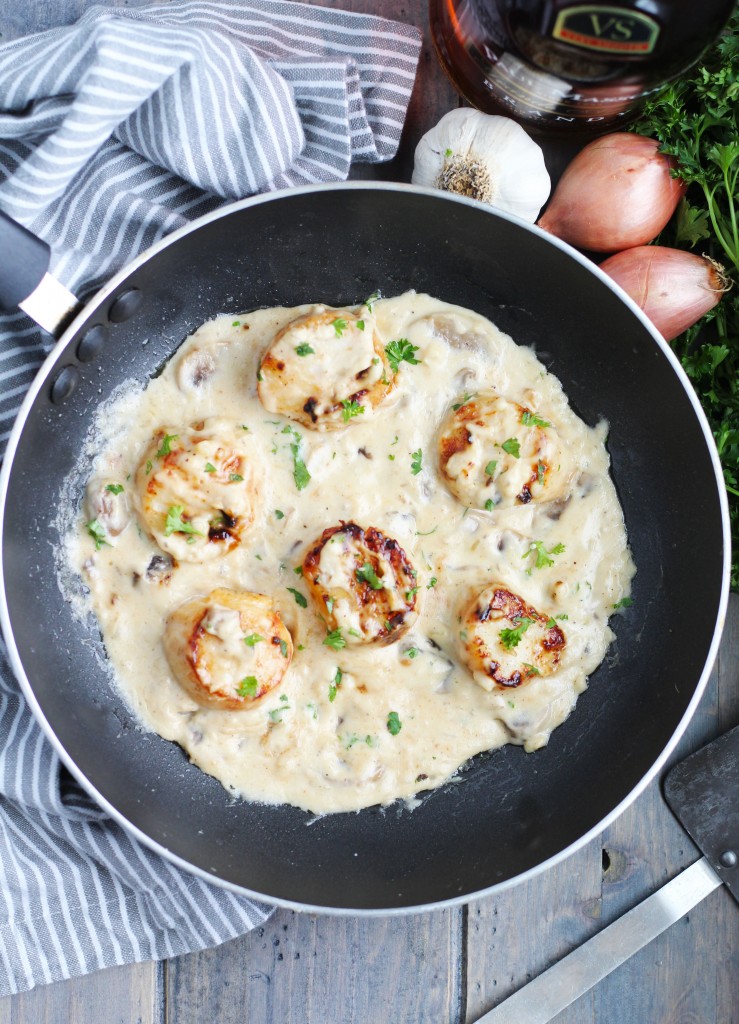
Scallops with Sorrel Butter

Scallops with Sorrel Butter

Scallops with Sorrel Butter

3 T. unsalted butter

1 pound sea scallops, patted dry

Kosher salt and black pepper, as needed

1 garlic clove, minced

1 T. dry white vermouth or white wine

4 ounces sorrel (about 3 C. loosely packed), stems removed

2 T. chopped chives


Heat a large skillet over medium-high. Melt 2 T. butter in skillet. Season scallops with salt and pepper; place in pan in a single layer. Cook without moving until bottoms are golden brown, 2 to 3 minutes. Do not turn. Transfer scallops to a plate. Return pan to medium heat. Add garlic and cook 10 seconds. Stir in vermouth and scrape up any browned bits from bottom of pan. Stir in remaining 1 T. butter and the sorrel; season lightly with salt and pepper. Return scallops to pan, seared side up. Continue cooking until sorrel is a dark olive green and falling apart and scallops are just cooked through, 1 to 2 minutes. Sprinkle in chives and serve.

Mussels, Bacon and Apples en Papillotte

Mussels, Bacon and Apples en Papillotte

Mussels, Bacon and Apples en Papillotte

1 ½ pound Mussels (well scrubbed, beards removed )30

3 slice thick cut bacon (cut crosswise into ⅓‑inch pieces)

2 shallots (peeled and thinly sliced)

1 ounce dry white wine

2 ounce apple cider vinegar

1 granny Smith apple (cored, peeled and small diced)

2 T. unsalted butter (cut into ½‑inch chunks)

1 fresh thyme sprig

¼ tsp. sea salt

¼ T. freshly cracked black pepper

crusty bread (for serving)


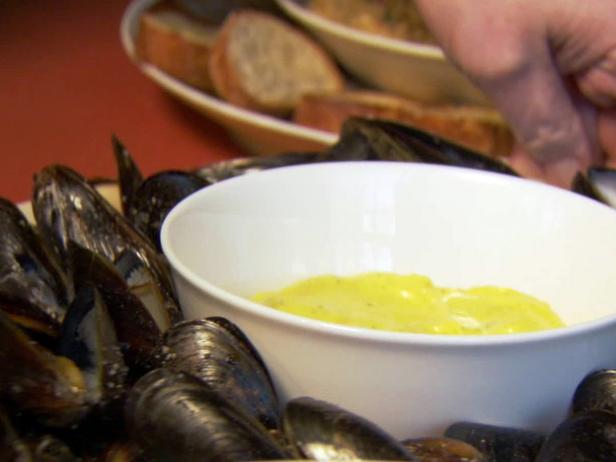
Preheat oven to 400 degrees. Cut a sheet of parchment paper to measure approximately 15 by 30 inches. Fold in half crosswise creating a 15-inch square, and crease. Lay the parchment square centered on a rimmed baking sheet. The creased seam should be on the left side. Open the parchment like a book and center the pile of clean mussels onto the back “page” of that book. Leave at least 3 inches of space on the 3 ungreased sides of the parchment. Set aside. Cook bacon over a medium heat until just beginning to crisp; about 10 minutes. Add the shallots and continue to cook until they begin to color, about 4 minutes more. Deglaze with white wine and apple cider vinegar. Turn the heat off and stir in the apples; stir to coat. Scrape the apple and bacon mixture on top of the mussels on parchment. Tuck the pieces of butter among the mussels and lay the thyme sprig on top. Sprinkle with salt and pepper. Close the “book” and seal the parchment by rolling and pleating the three open sides to seal the edges and create a packet. The recipe can be prepared to this point several hours in advance and then popped into the oven just before serving.  Bake packet of mussels in heated oven 20 minutes; most of mussels should be open, but discard any that remain closed. Serve immediately by placing sealed packet into a wide shallow bowl to catch the juices, then open packet at the table. Serve with crusty bread.

Celery, Fennel & Radish Salad with Homemade Blue Cheese Dressing

Celery, Fennel & Radish Salad with Homemade Blue Cheese Dressing

Celery, Fennel & Radish Salad with Homemade Blue Cheese Dressing

1 head of celery, tough outer stalks removed, well rinsed

1 fennel bulb, stalks and fronds removed

1 bn red radishes, tops removed and well washed

1/2 C. The best blue cheese dressing

1 pinch freshly cracked black pepper

1 C. croutons


Thinly slice the celery, fennel and radishes; toss together. Arrange the salad onto a serving plate. Top with blue cheese dressing and garnish with croutons, if using.

Scallops with Sorrel Cream Sauce

Scallops with Sorrel Cream Sauce

Scallops with Sorrel Cream Sauce

1 C. clam juice

2 T. minced shallot

½ C. dry white wine

8 ounce crème fraîche e (at room temperature)

4 T. unsalted butter (cut into small chunks)

2 ounce fresh sorrel leaves (about 2 C. packed), washed, stemmed, and large leaves torn into two or three pieces

sea salt (to taste)

ground white pepper (to taste)

canola oil (or other high smoke point, mild flavored oil)

8 large room temperature sea scallops (about 1 pound, rinsed and thoroughly dried)

lemon wedges (as needed)


In a medium saucepan combine clam juice and shallots; bring to a boil and cook until reduced by 3/4, about 6 minutes. Add wine and continue to cook about 3 minutes more. Lower the heat to low and add crème fraîche. Simmer, stirring often, until thick enough to coat the spoon nicely, about 5 or 6 minutes. Pass through a fine mesh sieve into a clean pan. Discard solids in sieve. Return the sauce to low heat. Once it begins to simmer stir in the butter chunks one at a time until fully incorporated. Add the sorrel, stirring until wilted. Turn off heat and season lightly with salt and white pepper. Set aside, covered, in a warm place. Meanwhile, heat a large, heavy non-stick or cast iron skillet over medium-high heat; swirl in just enough oil to lightly coat bottom of skillet. Pat scallops very dry, season with salt, and add to skillet. Cook, undisturbed, until a well-browned crust develops on bottom, about 2 minutes. Flip, season with salt, and cook until browned and barely cooked through but still pink in center, 1 to 2 minutes. Do not crowd skillet, work in batches if necessary, adding a bit more oil as needed. Spoon some warm sauce and sorrel leaves onto four warm plates. Nestle two seared scallops on top of each plate. Serve immediately with lemon wedges on the side.

Concia (Fried and Marinated Zucchini)

Concia (Fried and Marinated Zucchini)

Concia (Fried and Marinated Zucchini)

Concia is an Italian dish from the Jewish tradition in Rome.


2 clove garlic (peeled and thinly sliced)

¼ C. finely chopped mint leaves

2/3 C. white wine vinegar

neutral oil (as needed for frying)

6–7 zucchini (cut into ½‑inch rounds)

1 tsp. kosher salt

whole mint leaves (as needed for garnish)

extra-virgin olive oil (for drizzling)


Combine garlic, mint, and vinegar in a medium bowl and set aside. Line a wire rack with paper towels. In a medium frying pan or cast-iron skillet, heat 2 inches of neutral oil to 350 degrees F. Fry the zucchini in small batches until golden brown or darker, if you wish, and transfer to rack to drain. Season with the salt. Add the zucchini to the vinegar marinade and toss to coat. Marinate in the refrigerator for at least 2 hours or overnight. Serve garnished with whole mint leaves and drizzled with olive oil, on its own as a side dish or as a sandwich filling: Slice open bread, fill with concia, and drizzle with leftover marinade.

Rhubarb Chess Pie

Rhubarb Chess Pie

Rhubarb Chess Pie

single-crust pie pastry

2 C. (½‑inch thick) slices rhubarb

1 ¼ C. granulated sugar (divided)

2 tsp. unsalted butter (at room temperature)

3–4 pinch kosher salt (divided)

4 large eggs (lightly beaten)

½ C. heavy cream

¼ C. melted unsalted butter

2 T. white vinegar

1 T. cornstarch

1 T. cornmeal

1 tsp. vanilla


Set oven rack to the middle position and preheat the oven to 400ºF. On a lightly floured surface, roll the pastry out to a 12-inch circle, a generous ⅛‑inch thick. Carefully transfer the dough to a 9‑inch pie plate and gently press it up the sides. Drape any excess crust over the edge, then fold under and crimp decoratively. Use a fork to prick holes in the bottom of the dough. Line the dough with parchment or foil and fill with dried beans or pie weights. Bake for 8 minutes. Carefully remove the weights and parchment or foil, then continue baking for another 5 minutes, or until the crust is dry and pale colored. Remove from the oven and set aside on a rimmed baking sheet to cool. Meanwhile, toss together sliced rhubarb, ¼ C. granulated sugar, butter, and a big pinch of salt on a separate rimmed baking sheet. Roast, stirring once, until just tender, about 12 minutes. Scrape the rhubarb, and any juices, evenly across the bottom of the prepared pie pastry. Lower the oven temperature to 350ºF. In a large bowl whisk together eggs, remaining sugar, cream, melted butter, vinegar, cornstarch, cornmeal, vanilla and 2 or 3 big pinches of salt. Once well-combined pour the mixture over the rhubarb in the pie pastry. Place the pie, on the rimmed baking sheet, in the heated oven and bake for 40 minutes., or until the center of the pie is just set. If the crust get too brown lightly tent it with foil for the last 10 or 15 minutes of baking. Cool on a wire rack 2 hours. Cover and chill the pie at least 3 hours. Allow the pie to sit at room temperature 15 or 20 minutes before slicing.

Charred Pole Beans with Heirloom Tomatoes and Basil

Charred Pole Beans with Heirloom Tomatoes and Basil

Charred Pole Beans with Heirloom Tomatoes and Basil

1 pound heirloom tomatoes (sliced)

¼ C. extra-virgin olive oil

1 pound pole beans (trimmed)

3 clove garlic (peeled and minced)

2 T. freshly squeezed lemon juice

¼ tsp. crushed red pepper flakes (or more to taste)

kosher salt (as needed for seasoning)

2 C. whole fresh basil leaves (lightly packed)


Spread the sliced heirloom tomatoes across a serving platter and set aside. Heat olive oil over medium-high heat in a 12-inch or larger cast iron or heavy bottomed skillet. Add the pole beans and cook them in as close to a single layer as possible, tossing occasionally, until the beans are nicely charred; about 4–5 minutes. Reduce the heat to medium and add the lemon juice and red pepper flakes. Season with salt. Cook until the beans are just tender, while still retaining a bite, about 2 minutes more. Stir in the basil leaves until just wilted. Transfer to the platter of sliced heirlooms and serve.

Golden Beet Salad with Avocado and Haricot Verts

Golden Beet Salad with Avocado and Haricot Verts

Golden Beet Salad with Avocado and Haricot Verts

1 pound golden beets (about 2 to 3 inches in diameter)

1 small red onion (thinly sliced)

¼ C. sherry vinegar (or more as needed)

¼ C. extra-virgin olive oil (plus a little extra to finish)

1 tsp. granulated sugar

1 tsp. vinegar-based hot sauce (such as Tabasco or Cholula)

½ tsp. fine sea salt

freshly cracked black pepper (as needed)

8 ounce blanched haricot verts (or regular green beans)

2 ripe but firm avocados (peeled and sliced)

1 bunch fresh watercress (stems and leaves)

1 bunch fresh cilantro (stems and leaves)

1 bunch fresh mint (leaves only)


Peel the beets and slice them very thinly into rounds that are about 2 to 3 mm thick. Use a mandolin for best presentation.  Bring a large pot of water to a boil. Add the beet slices to the pot and simmer them for about 3 minutes; they should be slightly cooked but still crunchy. Drain the beet slices and put them in a large bowl.  Add the red onion slices, vinegar, olive oil, sugar, hot sauce, salt, and a few grinds of black pepper to the bowl with the beets; toss to combine. Set aside for at least 10–15 minutes and up to 1 hour, then taste. Adjust seasoning as needed with more vinegar, hot sauce and/or more sugar. It should taste both sharp and sweet, but not too spicy.  When you’re ready to serve, spread about half the beet mixture on a large platter. Top with blanched haricot verts, avocado, watercress, cilantro, and mint. Arrange the rest of the beets artistically around the platter, sprinkling any liquid left in the bowl over the salad. Drizzle with extra olive oil and serve.

Fusilli with Lemony Kale, Toasted Sunflower Seeds and Feta

Fusilli with Lemony Kale, Toasted Sunflower Seeds and Feta

Fusilli with Lemony Kale, Toasted Sunflower Seeds and Feta


1 pound kale (1 large bunch, I use Lacinato Kale)

Juice from 2 lemons

4 garlic cloves, minced

½ cup toasted sunflower seeds

4 T. extra-virgin olive oil

½ tsp salt

¼ tsp crushed red pepper flakes

½ cup feta cheese (I used sheep’s milk feta)

Fresh basil leaves, torn

1 pound dry fusilli or penne pasta (I used a bit of both)


Cook pasta according to package directions. While your pasta is cooking, strip the kale from the stalks, rinse well in cool water, and dry well.   Slice kale into small pieces and place in large, shallow serving bowl. Pour the lemon juice and olive oil over the kale.  Massage this into the kale by rubbing between your fingers; I use food grade, gloved hands for this so the lemon won’t hurt my hands! It will take about 5 minutes to get the kale soft; it will look much darker and very shiny in color when you are finished. Add the minced garlic, crushed red pepper flakes and feta cheese to the kale, toss lightly and season with salt and pepper. Add the cooked, drained pasta to the kale mixture.  The pasta should still be hot when you add it to the kale mixture.  Sprinkle with the toasted sunflower seeds and some fresh torn basil leaves, and serve.

Fried Mozzarella Caprese Salad

Fried Mozzarella Caprese Salad

Fried Mozzarella Caprese Salad

Pesto:

1 C. of basil

2 garlic cloves, minced

Handful of walnuts

1/4 C. of Parmesan-Reggiano

1/4 C. of olive oil

Salt and pepper to taste


Fried Mozzarella:

1 tomato

1 quart of canola oil

1 five ounce ball of mozzarella (low moisture, not water packed)

2 large egg, beaten

1 1/2 C. plain bread crumbs

1/2 tsp. of crushed red pepper

1/2 tsp. of oregano

Salt


In a food processor, add the basil, garlic, pine nuts (or walnuts), Parmesan, and pulse until chopped. With the processor on low, add the olive oil in a slow and steady stream until completely combined. Taste the pesto and adjust the salt and pepper to taste. Set aside. Slice the tomato in 1/2-inch slices and place on paper towels. This will absorb some of the tomatoes’ moisture. Prep a plate with a few layers of paper towels. Fill a 10″ cast iron pan with 4 inches of oil, about 2 quarts, and heat oil to 350F. While it’s heating up, slice the mozzarella into 1/2-inch slices. Prep bowl with beaten egg. On a plate, combine breadcrumbs, crushed red pepper, oregano, and salt (if needed). Note: Try your mozzarella. If there’s a lot of salt, chill on the salt. Don’t add any. If the mozzarella has no salt, then add about 1/4 tsp. to the bread crumb mixture. Double-dip mozzarella by dipping in the beaten eggs, then breadcrumbs and repeating the step. This will give you a delicious thick crust. Gently drop the mozzarella into hot oil using a slotted spoon and fry, about 30 seconds, or until golden brown. Turn the mozzarella and allow to fry on the other side for another 30 seconds. Transfer to the paper toweled plate to drain. Grab a plate and stack tomatoes and mozzarella in whatever fashion you like. Top with pesto and a crack of black pepper.

Charred Sweet Corn Fritters

Charred Sweet Corn Fritters

Charred Sweet Corn Fritters

3 T. unsalted butter

1 ear sweet corn, husk removed and washed

Vegetable oil

1 C. all-purpose flour

1/2 C. stone-ground cornmeal

3 T. sugar

1 tsp. baking powder

1/2 tsp. Old Bay

1 tsp. salt

1/2 C. plus 2 T. whole milk

3/4 C. shredded Monterey Jack (cheddar would work great, too!)

Buttermilk Ranch Dressing


In a small skillet over medium-low heat, melt the butter. Watching it carefully and stirring on occasion, continue cooking the butter as it transforms from yellow and foamy to golden brown with brown speckles throughout. Remove the pan from the heat and pour the brown butter in a ramekin. Cool the butter to room temperature. (This is a particularly important step because if you add warm butter to the cold milk, the butter will seize. If this happens, warm the milk and butter mixture until the butter remelts.) Rest the corn on the grate of your gas stove and turn the heat to medium. Char the corn on all sides, rotating it every 30 seconds or so. Cut the kernels off the cob and set them aside. Heat 4-inches of oil in a heavy-bottomed pot to 325 degrees F. In a medium bowl, combine the flour, cornmeal, sugar, baking powder, Old Bay and salt. In a measuring C. or small bowl, measure out the milk and the cooled melted butter; whisk until thoroughly combined. Add the milk mixture to the dry ingredients and mix until just combined. The mixture will be thick. Fold in the charred corn kernels and cheese. Using a 2-ounce ice cream scooper, drop scoops of batter into the hot oil. Cook the fritters for 3-4 minutes, flipping them at the 2 minute-mark, until they’re golden brown on both sides. Transfer them to a bed of paper towels to drain. Serve with honey or buttermilk dressing.