Wild Harvest Berry Tonic Smoothie

Wild Harvest Berry Tonic Smoothie

Wild Harvest Berry Tonic Smoothie


2 C. frozen wild-harvested berries

1 C. nut milk (almond or coconut)

1 to 2 T. local honey

1 handful wild-harvested edible “weeds” (plantain, dandelion greens, etc.)


Blend ingredients in high-powered blender until smooth. Enjoy with stainless-steel straw and positive, uplifting company.

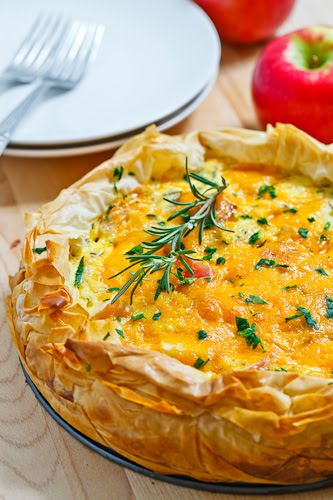
Summer Flower Frittata

Summer Flower Frittata

Summer Flower Frittata

2 T. Calendula-Infused Oil or extra-virgin olive oil

2 small yellow squash or zucchini, chopped

1 red onion, chopped

1/2 C. summer herb flowers or petals, fresh or dried

12 large eggs

1 C. milk

1 C. heavy whipping cream (36% butterfat)

1/2 C. Pesto or chopped fresh basil

1 tsp. sea salt

8 ounces chilled soft goat cheese, broken into small pieces

1/2 C. chopped green or black olives

1 loaf country-style bread, torn into 1-inch pieces

1/2 C. grated Parmesan cheese


Preheat oven to 350°F. Lightly oil a 13 x 9-inch baking pan. In a skillet, heat oil over medium heat. Sauté squash and onions for 5 minutes or until soft. Stir in flowers and set aside to cool. Meanwhile, in a bowl, whisk together eggs, milk, cream, pesto, and salt. Toss goat cheese and olives with the cooled squash mixture. Spread bread cubes in one layer in the bottom of the prepared baking pan. Spread squash mixture evenly over the bread, and pour egg mixture over top of vegetables. Sprinkle top with Parmesan cheese. Bake in preheated oven for 45 minutes or until a knife inserted in the center comes out clean. Let stand for 10 minutes before cutting and serving. NOTE: Use calendula, rose, violet, bergamot, borage, or any other organic edible flowers.

Seawater Caramels

Seawater Caramels

Seawater Caramels


500 grams filtered seawater

800 grams sugar

660 grams corn syrup

500 grams heavy cream

160 grams butter

2 vanilla beans


Combine seawater, sugar and corn syrup in a saucepan. Cook on low heat to dissolve the sugar. Then bring to a boil. Add the cream and cook approximately 3-4 minutes. Add in the butter bit by bit. Scrape vanilla beans then add to mixture. Cook, stirring constantly, until temperature reaches 248° F.  Pour onto a half bakers sheet pan (about 13-by-18 inches) that has been lined with parchment paper and lightly buttered or coated with a nonstick spray. Cool completely or overnight before cutting.

Roasted Vegetables with Angelica Fig Glaze

Roasted Vegetables with Angelica Fig Glaze

Roasted Vegetables with Angelica Fig Glaze

1 small butternut squash, cut into 2-inch pieces

2 carrots, cut into 2-inch pieces

2 beets, cut into wedges

2 onions, quartered

2 C. mini or fingerling potatoes or potato wedges

3 T. melted extra-virgin coconut oil or avocado oil

Sea salt

1 red pepper, halved and seeded

3 T. chopped fresh rosemary

6 cloves garlic

1/3 C. Angelica Fig Glaze

1/4 C. chopped fresh angelica leaves, optional


Preheat oven to 400°F. Line two rimmed baking sheets with parchment paper. In a large bowl, combine squash, carrots, beets, onions, and potatoes. Toss to coat with oil and salt to taste. Spread the vegetables in a single layer on the prepared baking sheets. Place the two pepper halves, cut side down, on one of the baking sheets. Roast in the preheated oven for 10 minutes. Stir the vegetables and turn the peppers over. Roast for another 10 minutes. Stir rosemary and garlic into one sheet of vegetables and stir the vegetables on the other sheet. Roast for another 20 to 30 minutes or until vegetables are browned and tender. Peel and cut the roasted peppers into strips and combine with the mixed vegetables in a large bowl. Add Angelica Fig Glaze and toss to mix. Transfer to a serving dish and garnish with angelica if using.

Conifer Needle Shortbread

Conifer Needle Shortbread

Conifer Needle Shortbread


1½ C. butter, softened

1 C. sugar, divided

½ C. conifer needles (douglas fir, redwood, pine, etc.), finely minced

2 tsp. lemon zest

½ tsp. salt

½ tsp. vanilla

2 tsp. orange zest

1 tsp. lemon juice

3 C. flour


Gather several foot-long branch tips from any of our local native conifers. Douglas fir, redwood and various pine species are all excellent, flavorful choices. (Those without access to these trees can substitute rosemary, if desired.) Use sharp trimming scissors to cut the needles finely, directly off of the twigs. Alternatively, pulse needles (removed from branches) in a food processor, or mince finely with a sharp knife. Measure ½ C. minced needles. Combine about ½ C. of the sugar with the minced conifer needles and the lemon zest in a mortar and pestle to release the flavorful oils. If you don’t have a mortar and pestle, just combine in a small bowl and let sit until ready for use. The longer it sits, the stronger the flavor. You can also mix the sugar and conifer needles together and store them in a jar, for several weeks ahead of time, to use as flavoring for these and other baked goods. In a large mixing bowl, combine the needle mixture with the remaining sugar, butter, salt and vanilla and cream well until fluffy. Add the orange zest, lemon juice and flour, ½ C. at a time. The dough will be crumbly at first but the zest and juice help keep it together. Gather dough with your hands and roll into an oblong log. Chill for at least 1 hour in the refrigerator. When ready to bake, preheat the oven to 350° F. Remove dough from the refrigerator and slice with a sharp knife into ¼-inch-thick rounds. Place on a baking sheet lined with parchment paper and bake for about 10 minutes. Makes about 3 dozen cookies.

Angelica Fig Glaze

Angelica Fig Glaze

Angelica Fig Glaze


1 C. water

¼ C. white wine vinegar

1/2 C. sugar

1/2 C. coarsely chopped fresh or candied angelica stems

1/2 C. coarsely chopped fresh figs


In a medium saucepan, bring water and vinegar to a boil. Stir in sugar, reduce heat, and simmer, stirring frequently, for 2 minutes or until sugar is dissolved. Add angelica stems and simmer for 10 minutes. Using a slotted spoon, lift and discard angelica. Stir in figs and simmer for 10 to 15 minutes or until figs soften. Use immediately or store in an airtight container in the refrigerator for up to 3 weeks.

Crispy Apple Chips with Sage and Maple-Vanilla Yogurt Dip

Crispy Apple Chips with Sage and Maple-Vanilla Yogurt Dip

Crispy Apple Chips with Sage and Maple-Vanilla Yogurt Dip


2 medium to large crisp apples (such as Granny Smith or Crispin)

Grapeseed oil (for frying)

1/3 cup fresh sage leaves

4 ounces low-fat plain Greek-style yogurt

1 tablespoon pure maple syrup

1 teaspoon vanilla extract


Peel apples and remove stems. Using a mandolin, thinly slice apples, discarding any seeds. Pour oil into a large cast-iron skillet or other heavy skillet to a depth of 1/2” and heat over high heat. Working in batches, fry apple slices until golden brown and crisp at the edges, 1–2 minutes; turn and cook until other side is golden brown, 1–2 minutes longer. Add sage to pan with final batch of apple slices. Transfer fried apples and sage to paper towels to drain. Mix yogurt, maple syrup, and vanilla in a small bowl to blend. Serve alongside apples.

Prosciutto Rolls with Arugula, Fennel and Mint

Prosciutto Rolls with Arugula, Fennel and Mint

Prosciutto Rolls with Arugula, Fennel and Mint

8 slices prosciutto

Extra-virgin olive oil

Freshly ground black pepper

Finely grated zest from one lemon

2 C. (packed) arugula leaves

2 medium fennel bulbs, cores and fronds removed, bulb. halved lengthwise, each half thinly sliced lengthwise

4 ounces Parmesan cheese, shaved with a vegetable peeler

16 medium-large mint leaves


For a smaller roll, halve the prosciutto slices lengthwise, so you will have 16 strips, each about 1 inch wide. Place one strip of prosciutto on a work surface, with a short end closest to you. Lightly brush with olive oil. Sprinkle with black pepper and a pinch of lemon zest. Lay 4 to 6 arugula leaves, horizontally, at the base. Place a few shards of fennel and Parmesan over the arugula. Top with a mint leaf. Roll up from the base, wrapping the prosciutto tightly around the vegetables, and continue to roll, placing 1 or 2 additional arugula leaves in the fold as you roll up. Place the roll seam side down on a platter. Repeat with remaining ingredients. The rolls may be prepared up to four hours in advance. Cover with plastic wrap and refrigerate. Let them stand at room temperature for 20 to 30 minutes before serving. Before serving, lightly spritz with olive oil or lemon juice, if desired. Ingredient variations: Baby spinach, sweet pepper, goat cheese, melon, mozzarella, figs, brie, rosemary, shredded radicchio, pear, manchego cheese, parsley

Horchata Sheet Cake

Horchata Sheet Cake

Horchata Sheet Cake


21/2 C. (312 g) unbleached all-purpose flour

2 1/2 tsp. baking powder

1 tsp. ground cinnamon

1/2 tsp. Diamond Crystal kosher salt or 1/4 tsp. fine sea salt

3/4 C. (12 T./170 g) unsalted butter, at room temperature

1 3/4 C. (350 g) sugar
2 tsp. pure vanilla extract

3 large eggs
1 1/3 C. (305 g) buttermilk


6 T. (47 g) unbleached all-purpose flour

1 1/2 C. (300 g) sugar

1/4 tsp. Diamond Crystal kosher salt or 1/8 tsp. fine sea salt

1 1/2 C. (354 g) horchata (from your favorite taquería)

1 1/2 C. (342 g) unsalted butter, at room temperature

1 tsp. vanilla bean paste

1 1/2 tsp. ground cinnamon


2/3 C. (157 g) horchata (from your favorite taquería)


Make the cake: Preheat the oven to 350°F (180°C). Lightly grease a 9 × 13-inch (23 × 33 cm) cake pan.  In a medium bowl, whisk together the flour, baking powder, cinnamon, and salt and set aside.  In a stand mixer fitted with the paddle, beat the butter with the sugar on medium speed for 2 1/2 minutes, until light and fluffy and paler in color. Add the vanilla and eggs, one at a time, beating well after each addition. Add one-third of the dry ingredients, mix on low to incorporate, then one-third of the buttermilk, followed by another third of the dry mixture, another third of the buttermilk, and then finally the last amount of each. Mix just until combined, then use a silicone spatula to scrape down the sides of the bowl to make sure everything’s mixed in. Scrape the batter into the prepared pan, smooth it out, and bake until the cake is lightly golden brown and a toothpick or skewer inserted into the center of the cake comes out clean, 30 to 35 minutes. Let the cake cool completely in the pan. Make the buttercream: In a small saucepan, combine the flour, sugar, and salt. Whisk in the horchata until everything has been fully incorporated. Set over medium-low heat and bring the mixture to a boil, whisking occasionally to make sure it doesn’t burn. Once it reaches a boil, reduce the heat and continue whisking until the pudding has thickened, about 2 minutes. Use a silicone spatula to transfer the pudding to a plate and immediately press plastic wrap onto the surface to prevent a skin from forming. Let it cool for a few minutes, then refrigerate for about 1 hour or until it has cooled completely.   In a stand mixer fitted with the whisk, beat the butter on medium speed with the vanilla and cinnamon for a minute. With the mixer on low, add the cooled pudding mixture 1 T. at a time until it’s all been added to the bowl, then boost the speed to medium-high and beat until the frosting is light and fluffy, 2 to 3 minutes.   Soak the cake: Use a toothpick to poke small holes on the surface of the cake, then drizzle the horchata over the cake to soak. Spread the frosting evenly over the cake. Return the cake to the refrigerator for 30 to 45 minutes to firm up the frosting. (This makes for a clean cut, and to me, cold buttercream just tastes so much better!)

White Chili with Spicy Oregano

White Chili with Spicy Oregano

White Chili with Spicy Oregano

4 chicken breast halves (about 1 ½ pounds)

2 tsp. cumin

½ tsp. freshly ground black pepper

2 T. olive oil

1 medium onion, chopped

2 cloves garlic, minced

½ C. diced red bell pepper

2 C. chicken broth

2 (14-ounce) cans great Northern beans, drained

1 (15-ounce) can cannellini beans, drained

2 T. canned, chopped jalapeno pepper

3 T. coarsely chopped hot and spicy oregano

1 tsp. sugar

Hot and spicy oregano sprigs


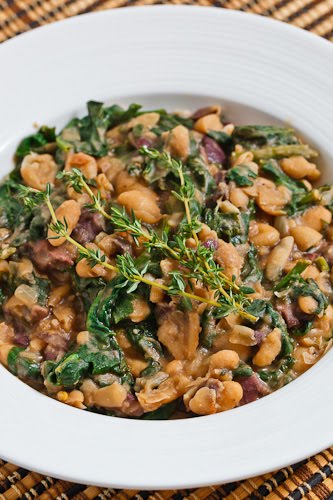
Cut chicken into ¾ inch cubes; toss with cumin and black pepper and set aside. Heat oil in a large Dutch oven over medium heat; add onion, garlic, and bell pepper. Cook 10 minutes or until vegetables are tender, stirring occasionally. Add chicken; cook 10 minutes, stirring occasionally. Add broth, beans, and jalapeno peppers, stirring well. Bring mixture to a boil; reduce heat to low and cook 15 minutes. Add oregano and sugar, stirring well. Cook 5 additional minutes. Ladle into serving bowls. Garnish with oregano sprigs.

Auntie Deedle’s Cheesy Cornbread

Auntie Deedle’s Cheesy Cornbread

Auntie Deedle’s Cheesy Cornbread


4 Jiffy Corn Muffin mixes

4 eggs

1 stick butter, not unsalted, softened, but not melted

1 cup sugar

2 cans whole kernel sweet corn, drained

16 ounces sour cream, not fat free

½ cup heavy whipping cream

4½ cups shredded cheddar cheese


Mix all above ingredients together except the shredded cheese with a wooden spoon in large bowl. Prepare 14-by-10-by-3 baking pan (do not use glass baking dish) by greasing sides and bottom with Crisco. Spread ½ of batter in pan. Spread 2½ cups shredded cheddar cheese over batter. Spread remaining batter over cheese. Bake at 300 F. for approximately 45 minutes or until set, but not brown. Pull from oven and place remaining 2 cups shredded cheddar cheese atop and push back into oven for approximately 5 minutes or until cheese melts. After cheese has melted, pour 1½ cups heavy whipping cream and 1 stick butter, not unsalted, melted together in microwave, over top and around sides of cornbread. Let sizzle just a few minutes. It will soak into cornbread. Serve hot and sizzling!

Peach-Thyme-Black Pepper Jam

Peach-Thyme-Black Pepper Jam

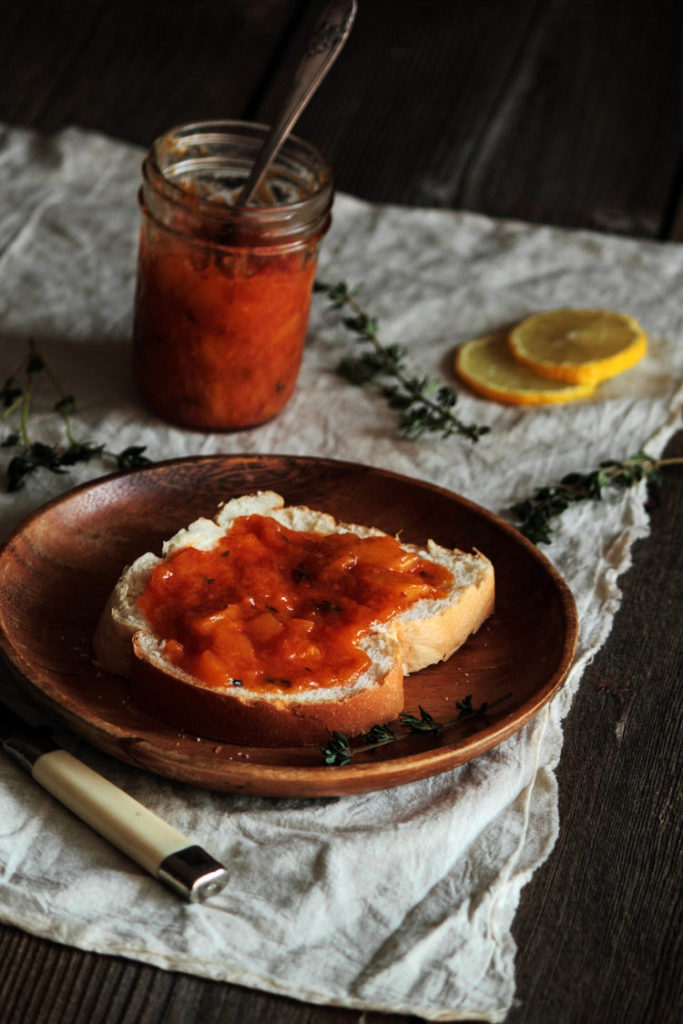
Peach-Thyme-Black Pepper Jam

3 1/2 pounds peaches, peeled and pureed

2 T. lemon juice

1/4 C. packed thyme – leave on stems for easy removal

1 tsp. cracked black pepper

1 package of no sugar needed pectin

Sugar to taste – I used 3 cups


Thyme and black pepper pair well with stone fruit like peaches. Add the thyme, pepper, pureed peaches and lemon juice to a pot, and bring to a full boil. Add the pectin, bring to a boil and cook for one minute. Then add sugar to taste – if the pectin doesn’t need sugar to set, you can add as much or as little as you like. Before adding the sugar, my jam tasted savory – three C. brought it up to a nice balanced flavor. Boil for one more minute, then ladle into sterile jars. Process in boiling water for 10 minutes.

Morel Mushroom Scramble

Morel Mushroom Scramble

Morel Mushroom Scramble


4 T. butter

1/4 lb or more morel mushrooms, cut in half lengthwise (you can substitute oyster or sulfur shelf)

Salt and pepper to taste

6 farm fresh eggs, well beaten, with a dollop of cream or whole milk added

herbs, for garnish, if desired


Soak morels in cold salt water and then drain well. Melt butter in large skillet and sauté mushrooms for five minutes. Salt and pepper to taste. Add eggs and cook lightly, turning often, until set but still soft. Serve with fresh fruit and toast for a hearty breakfast or light dinner.

Lemon Thyme Chicken Thighs

Lemon Thyme Chicken Thighs

Lemon Thyme Chicken Thighs

2 pounds bone-in, skin-on chicken thighs (4 to 6 thighs)

Olive oil

Kosher salt

Freshly ground black pepper

1 medium lemon, thinly sliced

5 to 6 fresh (lemon) thyme sprigs


Arrange a rack in the middle of the oven and heat to 400°F. Drizzle the chicken thighs with olive oil and season well with salt and pepper. Place the thighs skin-side down in a single layer in a large, cold cast iron skillet. Place the skillet over medium heat. and cook undisturbed for 14 to 15 minutes. When a lot of the fat has rendered out and the skin is crispy and brown, flip the thighs so they are skin-side up. Scatter the lemon slices and thyme sprigs over the chicken. Roast in the oven until the chicken reaches an internal temperature of 165°F, 13 to 15 minutes. Serve immediately. NOTES: Batch cooking: Depending on the size of your cast iron skillet, you might want to brown the chicken in batches so as not to crowd the pan. If you do this, reduce the time on the second batch, as the pan will already be hot. Then you can transfer the thighs to a baking dish to finish in the oven.

Grand Fir Dark Nougat

Grand Fir Dark Nougat

Grand Fir Dark Nougat


1 T. butter

1/2 cup of minced grand fir needles (keep a tablespoon back for garnish)

1 cup honey

2 cups roasted hazelnuts (or almonds)

pinch of thyme (fresh or dried)


In a food processor pulse Grand fir needles (or mince finely by hand) and mix into your honey. Line a small tin with aluminum foil and butter it well. Pour the honey in a saucepan. Bring to a simmer, stirring constantly, and cook at low heat for 10 minutes. Add the thyme and nuts and continue cooking for another 10 minutes, stirring constantly. When nuts begin to crackle and honey thickens to an amber brown, your nougat is ready. If you have candy thermometer you ideally you want a temperature around 266 °F or 125 °C Be warned, if you overcook the honey at too high a heat your nougat will come out hard as a rock – so keep a close watch.) To test, drop a teaspoon of honey into a glass of cold water; it should harden immediately. Remove honey from the heat and stir for 2 more minutes. Carefully pour the honey mixture into the buttered tin (it will still be very hot). Smooth the mixture with a metal spoon. When the nougat is completely cool, break it into small pieces with the back of a knife. Store in a cool place.

Peach and Thyme Polenta Tart

Peach and Thyme Polenta Tart

Peach and Thyme Polenta Tart


Polenta Pastry Shell

1 C. all-purpose flour

1/2 C. polenta (cornmeal)

1/4 C. white sugar

1/4 tsp. salt

2/3 C. butter (11 T.), chilled and diced

1 egg, beaten


Filling

1 C. heavy whipping cream

10 fresh thyme sprigs

1 lemon

3 egg yolks

1/4 C. sugar

Pinch of salt

2 large firm-ripe peaches, pitted and cut into very thin slices


5 fresh thyme sprigs

2 T. cornmeal

1 T. sugar


Mix the flour, polenta, salt and sugar. Using your fingers or a food processor, work the flour mixture into the butter until the texture is coarse and crumbly, like small peas. Mix in the egg. Mix lightly until smooth, then form into a disk, cover with plastic wrap and refrigerate for at least 45 minutes. Using a vegetable peeler, remove the yellow peel from the lemon, trying to avoid the white pith. Bring the cream to a simmer, then remove from the heat. Add the thyme sprigs and lemon peel. Cover and steep for 30 minutes. Heat oven to 400°F. When the dough has chilled, work into a greased 9-inch tart pan with a removable bottom. Let it rest for a few minutes, then bake for about 8 minutes or just until golden. Let cool. Lower the oven heat to 325°F. Strain the cream and discard the thyme and lemon peel. Whisk in the egg yolks, sugar and pinch of salt. Take the remaining 5 sprigs of thyme, and using your index finger and thumb, peel off the tiny leaves. Mix with the cornmeal and sugar. Add a splash of water and mix until loose and crumbly. Starting from the center, arrange the peach slices in an overlapping pattern in the baked tart shell. Pour the prepared custard over them and sprinkle the top with the cornmeal and thyme mixture. Bake at 325°F for about 35-40 minutes or until the peaches are tender and custard is set and slightly browned. Let cool and set for at least an hour before slicing.

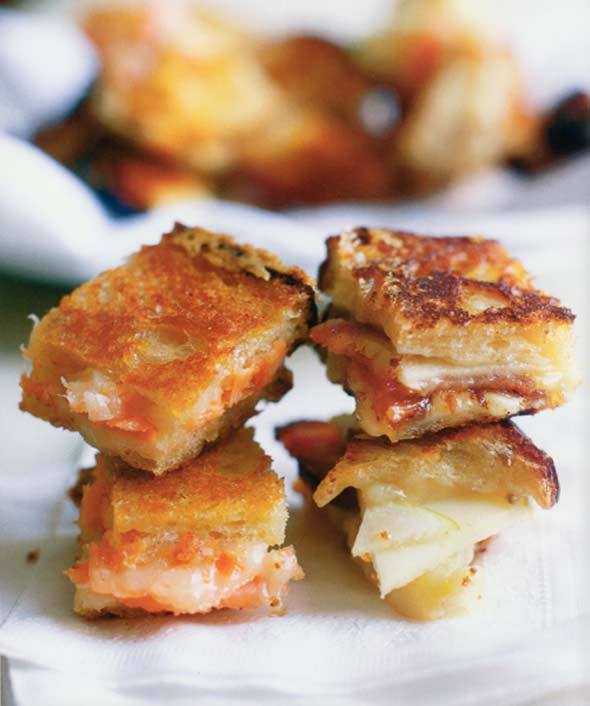
Pear & Blue Cheese Toast

Pear & Blue Cheese Toast

Pear & Blue Cheese Toast


2 slices Hearty Bread

2-3 T. Soft Butter

1 Ripe Pear

1 ½ – 2 oz. Blue Cheese


Preheat the grill (broiler) to high. Meanwhile, toast the bread in the toaster. Core & slice the pear. Crumble the stilton. When the toast is lightly done, spread the soft butter all over it – right to the edges. Place on a baking sheet. Arrange the pear slices on the toast, and sprinkle the crumbled stilton over. Cook the toasts under the grill for 1-2 minutes, until the cheese is melted and bubbling in places.

Star- Spangled Popover Pancake

Star- Spangled Popover Pancake

Star- Spangled Popover Pancake


4 egg whites

1 egg

1 C. 1% low-fat milk

1 C. all-purpose flour

2 tsp. unsalted butter or margarine, melted

1/4 tsp. salt

3 T. apricot or peach preserves

2 T. lemon juice

1 T. packed light brown sugar

3 nectarines, sliced

1 C. sliced strawberries

1 C. blueberries

Preheat the oven to 425ºF. Coat a 12″ cast-iron skillet with no-stick spray. Place the skillet in the oven for 5 minutes. Place the egg whites and egg in a medium bowl. Whisk until well combined. Add the milk, flour, butter or margarine, and salt. Mix well. Remove the skillet from the oven and pour in the batter. Return to the oven and bake for 20 to 25 minutes, or until golden brown and puffed. (The pancake will collapse when removed from the oven.) In a medium saucepan, combine the preserves, lemon juice, and brown sugar. Bring to a boil over medium heat. Add the nectarines; cover and cook, stirring occasionally, for 5 minutes, or until soft. Stir in the strawberries and cook for 2 minutes. Remove from the heat and stir in the blueberries. Pour the fruit on top of the pancake and cut into 4 wedges. Serve warm. To make individual popover pancakes, use a cast-iron 8-C. muffin pan in place of the skillet and bake for 12 to 15 minutes, or until golden brown and puffed. Arrange 2 popovers on each plate and top with the warm fruit.

Citrus Salad with Lemongrass Syrup

Citrus Salad with Lemongrass Syrup

Citrus Salad with Lemongrass Syrup

1/2 pink or red grapefruit per person, segmented, juice reserved

1/2 oroblanco per person, segmented, juice reserved

1/2 navel orange per person, segmented, juice reserved

1/2 C. honey

2 stalks lemongrass, white part only, cut into 2-inch pieces and bruised

1/2 vanilla bean, split and scraped

Zest of 1 lime

Mint leaves for garnish


Combine the citrus segments in a bowl. Cover and chill. In a small saucepan, mix 1/2 C. reserved citrus juice (top off with water if necessary) with honey, lemongrass, and vanilla pod and seeds. Bring to a boil, stirring occasionally, and simmer until honey is dissolved. Remove from heat and let stand 30 minutes. Strain. Divide citrus segments among serving dishes. Drizzle with syrup and garnish with lime zest and mint.

Peach Cake

Peach Cake

Peach Cake


1 stick butter

2 eggs

1 15-ounce can peaches

2 cups self-rising flour

2 cups sugar

1 teaspoon baking soda

1 teaspoon cinnamon

Topping:

¾ cup evaporated milk

¾ cup sugar

1 stick butter

½ cup reserved peach juice


In a large bowl, cream butter, sugar and eggs. Drain peaches and reserve juice. Smash peaches; add to mixture and mix well. Add flour, cinnamon and baking soda. Mix well. Pour into a greased 9-by-13 cake pan. Bake 325 F. for 40 minutes. In a saucepan, add milk, butter and sugar. Over medium heat, bring to boil and cook for 5 minutes. Stir often. Remove from heat and add peach juice. Mix well. Remove cake from oven and allow to slightly cool. Poke holes all over warm cake. Pour warm topping over cake.

Pohole Fern Salad

Pohole Fern Salad

Pohole Fern Salad

1 pound pohole (or fiddlehead) fern

1 pound cherry tomatoes, quartered

1/2 small Maui onion, thinly sliced lengthwise

5 green onions, green parts only, chopped

1 T. fish sauce

1/4 C. soy sauce (shoyu)

3 T. rice vinegar

2 T. sesame oil

1/4 C. Sugar


Prepare an ice-water bath by filling a large bowl with a handful of ice cubes and water and set it aside. Wash and remove any little “hairs” from the pohole fern shoots. Cut the shoots into 1 1/2-inch segments and blanch for 1 minute in a pot of boiling water. Drain the shoots into a colander and immediately transfer them to the ice-water bath. Once cooled, drain the water from the ferns and place them in a bowl with the tomatoes, Maui onions, and green onions.  In a small bowl, whisk together the fish sauce, soy sauce, vinegar, oil, and sugar until the sugar has dissolved. Pour the mixture over the vegetables and gently toss with your hands. Cover the bowl with plastic wrap and refrigerate for several hours before serving.

Apple-Marinated Chicken Drumsticks 

Apple-Marinated Chicken Drumsticks 

Apple-Marinated Chicken Drumsticks


Gentle in flavor, easy to prepare, and appealing to kids, these drumsticks need to be completely cooled and chilled before you pack them to take on a picnic. (They are good eaten hot, but when chilled, the apple flavor really emerges. Yummy!)


10 chicken drumsticks

½ cup lemon juice

½ cup vegetable oil

1 cup apple juice

1 clove garlic, crushed

1 stock cube, crushed (quantity for 2 cups liquid)

1/4 cup brown sugar or maple syrup


Place the chicken drumsticks in a food-safe plastic bag. In a bowl, combine the remaining ingredients and mix well until the sugar and stock cube are dissolved, then pour over the chicken. Seal the bag and sit it in a dish or casserole in the refrigerator. Allow to marinate for 4 hours, turning the bag over several times. When the meat is ready to be cooked, preheat oven to 425°F (220°C). Discard the marinade and place the drumsticks on a greased rack in a roasting pan. Cook them in the oven for about 30 minutes, until they are brown and the meat is tender, turning them only if necessary to prevent excessive browning.

Crispy Stinging Nettle and Mozzarella Rolls

Crispy Stinging Nettle and Mozzarella Rolls

Crispy Stinging Nettle and Mozzarella Rolls


8 cups (2 L) stinging nettles

1 T. (15 mL) extra-virgin olive oil

salt and pepper, to taste

8 sheets phyllo pastry

2 T. (30 mL) extra-virgin olive oil (or hazelnut oil), for brushing on pastry

¼ cup (60 mL) hazelnuts, finely chopped

1 package (7 oz [200 g]) fresh mozzarella


Preheat the oven to 375°F (190°F). Bring a pot of salted water to boil and add the nettles. Cook for 1 minute, then transfer to a bowl of cold water. When cool, drain the water. Take the drained nettles and squeeze into a ball. With a chef ’s knife, chop the ball into slices and chop the slices into a rough dice. Transfer into a bowl, drizzle with olive oil, and season with salt and pepper. Place a phyllo sheet on a clean work surface. Brush it with olive oil and sprinkle one half with an eighth of the chopped hazelnuts. Fold the sheet over to make a long, narrow rectangle. Lay a thin line of chopped nettles along the left (short) side of the sheet. Cut the mozzarella into slices and cut each slice into strips. Lay a few strips of cheese over the nettles to cover. Working from the left, fold the phyllo overtop of the filling. Compress the filling to make a tight log. Roll the filling a couple of times in phyllo until a very tight log is formed. Fold over the top and bottom edges of the phyllo sheet to seal in the ends of the log. Continue rolling the filling into a tight roll. When you get to the end of the sheet, brush the edge with a little oil and fold to seal tightly. Place on a tray covered with parchment (or silicone) paper and refrigerate until needed. Repeat with remaining filling and phyllo. Brush chilled rolls with a little olive oil and place in the oven. Bake for 10– 12 minutes, or until the pastry is browned and crisp. Transfer to serving plates and serve

Creamy Chicken Soup with Cauliflower

Creamy Chicken Soup with Cauliflower

Creamy Chicken Soup with Cauliflower


1 teaspoon minced garlic

1 teaspoon extra-virgin olive oil

½ yellow onion, diced

1 carrot, diced

1 celery stalk, diced

1½ pounds (3 or 4 medium) cooked chicken breast, diced

2 cups low-sodium chicken broth

2 cups water

1 teaspoon freshly ground black pepper

1 teaspoon dried thyme

2½ cups fresh cauliflower florets

1 cup fresh spinach, chopped

2 cups nonfat or 1% milk


Place a large soup pot over medium-high heat. Sauté the garlic in the olive oil for 1 minute. Add the onion, carrot, and celery and sauté until tender, 3 to 5 minutes. Add the chicken breast, broth, water, black pepper, thyme, and cauliflower. Bring to a simmer, reduce the heat to medium-low, and cook, uncovered, for 30 minutes. Add the fresh spinach and stir until wilted, about 5 minutes. 5 Stir in the milk, then serve immediately.


1 C. Serving

Calories: 164

Total fat: 3g

Protein: 25g

Carbs: 5g

Fiber: 1g

Pickled Cattail Shoots

Pickled Cattail Shoots

Pickled Cattail Shoots


Cattail shoots are found at the base of young cattails. The shoots should separate easily from the roots. Use the bottom whitish portion of the stalk. Peel off the outer layers until the solid white core is reached. Trim the core into 2-inch (5 cm) pieces. Soak well in cold water before using.


4 cups (1 L) pickling vinegar

2 cups (500 mL) sugar

⅓ cup (75 mL) sea salt

2 T. (30 mL) pickling spice

2 slices fresh ginger

1 stick cinnamon

4 cups (1 L) prepared cattail shoots (see recipe headnote)


Heat a heavy-bottomed saucepan over medium-high. Add the pickling vinegar, sugar, sea salt, pickling spice, ginger, and cinnamon. Bring to a boil and add the cattail shoots. Return to a boil and simmer for 5 minutes. Spoon the cattails into a 1-quart (1 L) canning jar. Ladle hot pickling brine to within ¼ inch (0.6 cm) of the top of the jar. Tap the jar to remove any air bubbles. Wipe the jar rim, removing any residue. Place a lid on the clean jar rim. Screw the band down until resistance is met, then increase to gently tighten. Cool upright, undisturbed until cool to the touch. Label the jar and store in the refrigerator for at least 1 week before opening.

High-Protein Milk

High-Protein Milk

High-Protein Milk


4 C. Skim Milk

1 C. nonfat Milk Powder


In a deep bowl or a blender, beat the milk and milk powder slowly with a beater or blend on high speed to mix for about 5 minutes, until the powder is well dissolved and no longer visible. Refrigerate any milk you don’t drink or use right away in an airtight container. The flavor improves overnight. Discard any remaining milk after 7 days.


Serving: 1 C.

Calories: 144

Protein: 14g

Pumpkin Spice Latte Protein Shake

Pumpkin Spice Latte Protein Shake

Pumpkin Spice Latte Protein Shake


1 cup low-fat milk or unsweetened soy milk

½ cup pumpkin puree

1 scoop (¼ cup) vanilla protein powder

¾ cup brewed decaf coffee

1 teaspoon ground cinnamon

¼ teaspoon ground ginger

¼ teaspoon ground nutmeg

⅛ teaspoon ground cloves


In a blender, combine the milk, pumpkin puree, protein powder, coffee, cinnamon, ginger, nutmeg, and cloves and blend on high for 2 to 3 minutes, until the shake is smooth and the powder is well dissolved. 2 Pour half the shake into a glass and enjoy. 3 Refrigerate any shake you don’t drink or use right away in an airtight container for up to 1 week. Re-blend prior to serving.


Serving (1 cup): Calories: 125; Total fat: 0g; Protein: 15g; Carbs: 12g; Fiber: 2g; Sugar: 8g; Sodium: 155mg

Crab and Pine Mushroom Cakes

Crab and Pine Mushroom Cakes

Crab and Pine Mushroom Cakes


1 lb (450 g) white fish (cod, halibut, sole)

¼ cup (60 mL) whipping cream

2 cups (500 mL) crabmeat (from a 1½ lb [680 g] crab)

1 cup (250 mL) finely diced pine mushrooms

1 tsp. (5 mL) minced garlic

1 green onion, thinly sliced

salt and pepper, to taste

1 cup (250 mL) Panko or breadcrumbs

2 T. (30 mL) canola oil


In a food processor, pulse the fish until a rough paste is formed. Add the cream and process until a smooth paste is obtained. Transfer to a mixing bowl and add the crab (without any juice), pine mushrooms, garlic, green onion, salt, and pepper. Mix until a smooth mixture is formed. The mixture should form into a ball without too much effort. If it is too wet, you can add a few breadcrumbs until a drier mixture is formed. Cook a small sample to test for seasoning and adjust if needed. Using an ice cream scoop (or ¼ cup [60 mL] measure), take a scoop of the mixture and form it into a ball with your hands. Place in the Panko or breadcrumbs and roll to coat evenly. Press the ball to form a cake and place on a tray lined with parchment (or silicon) paper. Repeat with remaining crab mixture. Heat a non-stick skillet with the oil, add the crab cakes (in batches if needed), and fry until golden brown on each side. Transfer to a warm oven and let rest while you finish cooking the remaining cakes. Serve warm with coleslaw or mayonnaise flavoured with lemon and garlic.

Protein-Packed Peanut Butter Cup Shake

Protein-Packed Peanut Butter Cup Shake

Protein-Packed Peanut Butter Cup Shake


1 cup low-fat milk

1/2 cup low-fat plain Greek yogurt

1/4 cup nonfat ricotta cheese

1 scoop (% cup) chocolate protein powder

2 tablespoons powdered peanut butter

2 tablespoons cocoa powder


In a blender, combine the milk, yogurt, ricotta, protein powder, powdered peanut butter, and cocoa powder. Blend on high speed for 3 to 4 minutes, until the powders are well dissolved and no longer visible. Pour half the shake into a glass and enjoy.  Refrigerate any shake you don’t drink or use right away in an airtight container for up to 1 week. Re-blend prior to serving.

Per Serving (1 cup): Calories: 215; Total fat: 3g; Protein: 27g; Carbs: 18g; Fiber: 3g; Sugar: 11g; Sodium: 249mg

Apple Pie Smoothie

Apple Pie Smoothie

Apple Pie Smoothie


½ apple, diced into small pieces and frozen in advance

1 scoop vanilla protein powder

1/8 teaspoon salt

½ cup unsweetened vanilla almond milk

1-2 cups of ice use more ice for a thicker smoothie

¾ teaspoon apple pie spice or ½ teaspoon cinnamon and ¼ teaspoon nutmeg

Optional toppings: 1-2 Gingersnap cookies, crushed (or substitute with graham cracker crumbs); whipped cream


Combine all ingredients except toppings in a blender and mix until smooth, thick, and creamy. Garnish with whipped cream and cookie crumbs crumbs and serve immediately!


Calories: 150

Protein 22.7g

Fiber: 2.3g

Sugar: 7.2g

Grand Fir Salt

Grand Fir Salt

Grand Fir Salt


Also works with spruce and pine needles. This technique can also be used to create flavored salts with dehydrated berries (such as salal or red huckleberry).


2 cups (500 mL) sea salt

1 cup (250 mL) grand fir needle tips


Preheat oven to 200°F (95°C). In a food processor, add salt and needle tips. Pulse until a fine green powder is obtained. Transfer to a warm oven and heat for 20 minutes or until salt feels dry. Allow to cool, and then transfer to a glass jar with a tight-fitting lid. Salt will keep indefinitely.

Roasted Garlic Chickpeas

Roasted Garlic Chickpeas

Roasted Garlic Chickpeas

1 – 15 oz. can of chickpeas, drained and rinsed

1/4 cup fresh parsley [chopped]

1/2 T. olive oil

1 tsp. garlic powder

1/4 tsp. sea salt

1/4 tsp. fresh black pepper


Line a baking sheet with parchment. Preheat the oven to 415°. Drain and rinse chickpeas. Pat them dry with a paper towel. They should be slightly damp – not sopping wet. In a large bowl or Ziplock bag, combine parsley, oil, garlic powder, sea salt, and pepper. Add the chickpeas and mix until well-combined. Empty the chickpeas onto the baking sheet and spread them out. Try to situate the chickpeas mostly together in the center of the pan. Outliers tend to burn. Bake for 25 minutes, tossing every 5 to 7 minutes. Remove and cool. Then enjoy! Notes: If you want to save them for later snacking, keep them fresh by storing them in a glass jar. No need to refrigerate!

Noodle-Less Lasagna with Ricotta Cheese

Noodle-Less Lasagna with Ricotta Cheese

Noodle-Less Lasagna with Ricotta Cheese


Nonstick cooking spray

1 (15-ounce) container part-skim ricotta cheese

¼ cup grated Parmigiano-Reggiano cheese

1 large egg, lightly beaten

½ cup Marinara Sauce with Italian Herbs

½ cup shredded part-skim mozzarella cheese


Preheat the oven to 375°F. Coat an 8-by-8 baking dish with the cooking spray. In a small bowl, combine the ricotta cheese, Parmigiano-Reggiano cheese, and egg.. Spread the cheese mixture over the bottom of the baking dish. Layer the marinara sauce over the ricotta mixture and top it with the mozzarella cheese. 5 Bake for 15 to 20 minutes or until the mozzarella cheese is bubbly.


Serving: ¼ C. Calories: 121 Fat: 7g Fiber: 0g

Rosehip Vinegar

Rosehip Vinegar

Rosehip Vinegar


Harvest rosehips after the weather turns cool and the trees have dropped their leaves. A light frost is good for creating a little sweetness in the rosehips.


2 cups (500 mL) rosehips (trimmed of stems)

2 cups (500 mL) cider vinegar

1 T. (15 mL) honey


Rinse the rosehips and cut in half, add to a 4-cup (1 L) glass canning jar. Cover with the vinegar and add the honey. Stir to dissolve honey. Place on counter to steep for 1 week. Transfer to refrigerator and let sit for at least 3 more weeks. Strain into a glass container and use as a salad dressing and cooking ingredient. Keeps in refrigerator indefinitely.

Sourdough Starter

Sourdough Starter

Sourdough Starter

Whether it conjures up a crusty, flavorful loaf of bread or a bubbling crock of flour/water starter, sourdough is a treasured part of many bakers’ kitchens. But where does the path to sourdough bread begin? Right in your own kitchen, with your own homemade sourdough starter.

Sourdough baking is as much art as science. The method you’ll read here for making sourdough starter isn’t an exact match for the one you read on another site, or in a cookbook, or in your great-grandma’s diary

Getting it started takes a lot of steps, but once its established, its easy to maintain and use.

1 cup (113g) whole rye (pumpernickel) or whole wheat flour

1/2 cup (113g) cool water


To feed your starter


scant 1 cup (113g) Unbleached All-Purpose Flour

1/2 cup (113g) cool water (if your house is warm), or lukewarm water (if your house is cool)


Day 1: Combine the pumpernickel or whole wheat flour with the cool water in a non-reactive container. Glass, crockery, stainless steel, or food-grade plastic all work fine for this. Make sure the container is large enough to hold your starter as it grows; we recommend at least 1-quart capacity.


Sourdough Starter – Step 1

Stir everything together thoroughly; make sure there’s no dry flour anywhere. Cover the container loosely and let the mixture sit at warm room temperature (about 70°F) for 24 hours. See “tips,” below, for advice about growing starters in a cold house.


Day 2: You may see no activity at all in the first 24 hours, or you may see a bit of growth or bubbling. Either way, discard half the starter (113 grams, about 1/2 cup), and add to the remainder a scant 1 cup (113 grams) King Arthur Unbleached All-Purpose Flour, and 1/2 cup (113 grams) cool water (if your house is warm); or lukewarm water (if it’s cold).


Sourdough Starter – Step 3

Mix well, cover, and let the mixture rest at room temperature for 24 hours.


Perfect your technique

How to make sourdough starter-1

BLOG

How to make your own sourdough starter

BY PJ HAMEL


Day 3: By the third day, you’ll likely see some activity — bubbling; a fresh, fruity aroma, and some evidence of expansion. It’s now time to begin two feedings daily, as evenly spaced as your schedule allows. For each feeding, weigh out 113 grams starter; this will be a generous 1/2 cup, once it’s thoroughly stirred down. Discard any remaining starter.


Add a scant 1 cup (113 grams) King Arthur Unbleached All-Purpose Flour, and 1/2 cup (113 grams) water to the 113 grams starter. Mix the starter, flour, and water, cover, and let the mixture rest at room temperature for approximately 12 hours before repeating.


Day 4: Weigh out 113 grams starter, and discard any remaining starter. Repeat step #6.


Day 5: Weigh out 113 grams starter, and discard any remaining starter. Repeat step #6. By the end of day #5, the starter should have at least doubled in volume. You’ll see lots of bubbles; there may be some little “rivulets” on the surface, full of finer bubbles. Also, the starter should have a tangy aroma — pleasingly acidic, but not overpowering. If your starter hasn’t risen much and isn’t showing lots of bubbles, repeat discarding and feeding every 12 hours on day 6, and day 7, if necessary — as long as it takes to create a vigorous (risen, bubbly) starter. Note: see “tips,” below.


Sourdough Starter – Step 8

Once the starter is ready, give it one last feeding. Discard all but 113 grams (a generous 1/2 cup). Feed as usual. Let the starter rest at room temperature for 6 to 8 hours; it should be active, with bubbles breaking the surface. Hate discarding so much starter? See “tips,” below.


Remove however much starter you need for your recipe — typically no more than 227 grams, about 1 cup. If your recipe calls for more than 1 cup of starter, give it a couple of feedings without discarding, until you’ve made enough for your recipe plus 113 grams to keep and feed again.


Sourdough Starter – Step 10

Transfer the remaining 113 grams of starter to its permanent home: a crock, jar, or whatever you’d like to store it in long-term. Feed this reserved starter with 1 scant cup (113 grams) of flour and 1/2 cup (113 grams) water, and let it rest at room temperature for several hours, to get going, before covering it. If you’re storing starter in a screw-top jar, screw the top on loosely rather than airtight.


Store this starter in the refrigerator, and feed it regularly; we recommend feeding it with a scant 1 cup (113 grams) flour and 1/2 cup (113 grams) water once a week.


Tips from our Bakers

Why do you need to discard half the starter? It seems so wasteful… But unless you discard starter at some point, eventually you’ll end up with a very large container of starter. Also, keeping the volume down offers the yeast more food to eat each time you feed it; it’s not fighting with quite so many other little yeast cells to get enough to eat. You don’t have to actually discard it if you don’t want to, either; you can give it to a friend, or use it to bake. There are quite a few recipes on our site using “discard” starter, including pizza crust, pretzels, and waffles, and even chocolate cake. If you’re still uncomfortable dealing with discard, though, try maintaining a smaller starter: the smaller the starter, the smaller the amount of discard.


Why does this starter begin with whole-grain flour? Because the wild yeast that gives sourdough starter its life is more likely to be found in the flora- and fauna-rich environment of a whole-grain flour than in all-purpose flour. What if all you have is all-purpose flour, no whole wheat? Go ahead and use all-purpose; you may find the starter simply takes a little longer to get going. Also, if you feed your starter on a long-term basis with anything other than the all-purpose flour called for here, it will probably look different (thicker or thinner, a different color) and act differently as well. Not to say you can’t feed your starter with alternate flours; just that the results may not be what you expect.

Conserva of Porcini Mushrooms, Capers and Lemon

Conserva of Porcini Mushrooms, Capers and Lemon

Conserva of Porcini Mushrooms, Capers and Lemon


¼ cup (60 mL) olive oil, divided

1 cup (250 mL) finely diced onions

1 lb (450 g) porcini mushrooms (or buttons, chanterelles, etc.)

2 T. (30 mL) minced garlic

1 cup (250 mL) stewed (and crushed) tomatoes zest and juice of 1 lemon

1 T. (15 mL) small capers

2 T. (30 mL) chopped fresh marjoram, thyme, or flat-leaf parsley

salt and pepper, to taste


This combination of fresh porcini, garlic, and lemon will transport you to the tapas bars of Spain. A great accompaniment to a tapas table, conserva is excellent with crusty bread or spooned over a piece of pan-roasted fish. In a skillet, heat about 2 tablespoons (30 mL) of the oil and then add the onions. Sauté until the onions soften and begin to brown. Add the porcini and garlic and sauté until the mushrooms lose moisture and begin to brown. Add the tomatoes, lemon zest and juice, capers, and herbs. Cook, stirring constantly until the tomato reduces to a thick paste. Add the reserved olive oil and season well with salt and pepper. Let cool and serve at room temperature over grilled bread or oysters. tapas, mezes, and pickles

Strawberry Grape Smoothie

Strawberry Grape Smoothie

Strawberry Grape Smoothie

¾ cup (120 g) watermelon, seedless

1 cup (160 g) green grapes

1 cup (160 g) red grapes

1 cup (150 g) frozen strawberries

½ cup (65 g) ice cubes


Place all ingredients into the Vitamix container in the order listed and secure the lid. Start the blender on its lowest speed, then quickly increase to its highest speed, using the tamper to press the ingredients toward the blades. Blend for 45 seconds to 1 minute, or until desired consistency is reached.