Lynda Dowling’s Lavender Lemonade

Lynda Dowling’s Lavender Lemonade

1 C. sugar
1/4 C. (a generous handful) fresh or 1 T. dried lavender blooms stripped from stems
1 C. freshly squeezed lemon juice, strained
Ice cubes
Lavender sprigs for garnish

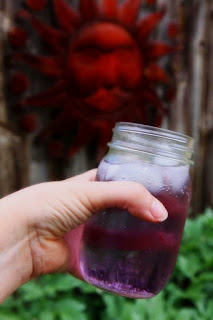
Combine sugar with 2 1/2 C. water in a medium pan. Bring to a boil over medium heat, stirring to dissolve the sugar. Add the lavender blooms to the sugar water, cover, and remove from heat. Let stand at least 20 minutes (and up to several hours). Strain mixture and discard lavender. Pour infusion into a glass pitcher. Add lemon juice and another 2 1/2 C. water. Stir well and watch lemonade change color. Pour into tall glasses half-filled with ice or refrigerate until ready to use. Garnish lemonade with fresh lavender sprigs.

Purple Flash Spinach Salad

Purple Flash Spinach Salad

Notes: Other purple-blue flowers you can use include borage, chive, and sage. Rinse and drain flowers. Pull petals from dianthus, and blossoms from rosemary and lavender.

1/3 C. slivered almonds
2 T. extra-virgin olive oil
1 T. red wine vinegar
1 tsp. Dijon mustard
2 quarts (6 to 8 oz.) baby spinach leaves, rinsed and drained
2 T. rosemary blossoms
1 C. purple or pink dianthus petals
1 1/2 T. chopped fresh lavender blossoms or 2 1/4 tsp. dried lavender
Salt and pepper

In an 8- to 10-inch frying pan over medium heat, shake or stir almonds until golden, about 3 minutes. Pour from pan into a wide shallow bowl. To bowl, add oil, vinegar, 1 T. water, and mustard; mix. Add spinach, rosemary blossoms, dianthus petals, and lavender. Mix and season with salt and pepper to taste.

Uses for Canned Fruit

Uses for Canned Fruit

For the simplest fruit sorbet, combine 1 undrained can (16 oz.) fruit packed in juice, 1/3 C. white grape juice concentrate, and 3 tsp. honey in a food processor. Puree until smooth. Freeze in an ice cream maker or in a shallow metal pan, stirring occasionally.

To make baked chicken more special around the holidays, combine 1 can (16 oz.) whole-berry cranberry sauce and 1/2 C. bottled Italian dressing. Pour a layer of the mixture into the bottom of a large baking dish. Add 4 pounds bone-in chicken pieces and top with the remaining sauce. Bake at 400°F until the juices run clear when the chicken is pierced with a fork, about 40 minutes, turning occasionally.

For a summertime granita to cool you off, freeze 1 unopened can (8 oz.) pineapple in heavy or light syrup until solid. Open the can and dig out the contents. Chop in a food processor along with 1/4 tsp. vanilla extract until the mixture is finely chopped but still lightly icy. Spoon into dessert C. and serve. Keep a can of pineapple in the freezer so you’re always ready to make this on a hot summer day.

For fruit salsa in a jiffy, make your favorite fresh salsa recipe (or use store-bought salsa) then stir in 1 drained can (15 oz.) mandarin oranges in syrup. Try other canned fruits, too, like sliced peaches for peach salsa or pineapple chunks for pineapple salsa. Once you try the combination of fruit and tomatoes in salsa, you’ll be hooked!
Uses for Canned Tuna

To make a more substantial pizza without adding a lot of fat, drop a few T.fuls of drained canned tuna over the tomato sauce before topping with the cheese.

To turn couscous from a side dish into a main dish, add canned tuna. For example, prepare 1 box (10 oz.) instant couscous according to the package directions. Toss with 1 undrained can (6 oz.) olive oil-packed tuna, 1/2 C. chopped toasted hazelnuts, 2 minced garlic cloves, 2 tsp. chopped fresh dill, 1/4 tsp. salt, and 1/8 tsp. freshly ground black pepper.

Make potato salad, Mediterranean-style. An extremely easy version is to boil a pound of your favorite potatoes (cleaned but with skin on), until tender, about 15 minutes. Cut into bite-size chunks, then put in a large bowl. Add 1 can (6 oz.) tuna packed in olive oil and 1 red onion, cut into bite-size pieces. Add salt, freshly ground black pepper, fresh lemon juice, and extra olive oil, to taste. Toss and serve warm or at room temperature.

Apricot Vanilla Bean Jam

Apricot Vanilla Bean Jam

2 pounds ripe apricots
1/4 C. water
Small wedge fresh lemon
2 1/2 C. granulated sugar
1 to 2 vanilla beans

Cut the apricots in half and remove the pits. Place apricot halves, water, the juice from the lemon, and the lemon rind itself in a large non-reactive pot. Stirring intermittently, cook over medium-high heat until the juices begin to boil. Reduce the heat, cover, and simmer until the apricots are soft and tender, 5 to 10 minutes. Once soft and tender, stir in the sugar. Split the vanilla beans down their length, scrape out the seeds, then add both the seeds and the pods to the pot. Increase the heat back up to high and bring to a rolling boil. Clip on a candy thermometer and continue to cook, while stirring, until the jam thickens and reaches about 220°F. Carefully remove the vanilla bean pods and lemon rind. Ladle the jam into clean 4-oz., half-pint, or pint-sized glass jars and store in the refrigerator for up to 3 weeks.

Recipe Notes: Taste your fruit first to check for ripeness and sweetness. Additional sugar may be required. This recipes keeps the skin on the apricot before cooking. You can remove the skins before cooking if you like. To check for doneness, place a small plate in the freezer when you start the recipe. As the jam nears completion, place a small amount on the plate and return the freezer. If the jam wrinkles as you nudge it, it is done.

Classic Peach Jam

Classic Peach Jam

3 pounds peaches, peeled, pitted and finely chopped
5 1/2 C. sugar
2 T. fresh lemon juice
1/2 tsp. butter
1 box fruit pectin (I use Sure-Jell)

Place the peaches and lemon juice into a large pot. At this point, I like to take my potato masher and mash the peaches a bit. Measure the sugar into a separate bowl and set aside. Stir the package of pectin into the peaches and add the butter. Stirring frequently, bring the peach mixture to a full rolling boil (a boil that does not stop bubbling when stirred), then add the sugar. Stir to fully incorporate.
Return the mixture to a full, rolling boil and boil for exactly 1 minute, stirring constantly. Remove the pot from the heat. Skim any foam from the surface. Ladle quickly into clean jars. (I like to use a wide funnel.) Wipe the rims of the jars with a clean cloth. Place the heated lids (lids that have been placed in simmering water for at least a minute) on the jars and tighten the bands. Place the jars in a canner and process (gently boil) for 10 minutes (water should cover the jars by an inch or two–add boiling water, if necessary), then remove the jars from the canner. Cool completely before storing. Make certain all lids have sealed properly before storing. If the lid springs back when pressed in the middle, it is not sealed and should be stored in the refrigerator.

Artichokes with Lemonnaise

Artichokes with Lemonnaise

3 T. distilled white vinegar
1 tsp. black peppercorns
4 artichokes (each about 4 in. wide; 3 lb. total)
1/2 C. drained extra firm, firm, or soft silken tofu
2 T. lemon juice
2 tsp. extra-virgin olive oil
1/2 tsp. dry mustard
Salt and fresh-ground pepper

Fill a 6- to 8-quart pan halfway with water. Add vinegar and peppercorns; bring to a boil over high heat. Meanwhile, slice about 1 inch off tops of artichokes; discard tips. Trim stems flush with bottoms. Pull off and discard small leaves from bottoms. With scissors, cut thorny tips from remaining outer leaves. Add artichokes to water and simmer, covered, until bottoms pierce easily, 30 to 35 minutes; drain. While artichokes cook, make lemonnaise. In a blender or food processor (a blender produces the best results), whirl tofu, lemon juice, oil, and mustard until smooth. Season with salt and pepper. (If making ahead, chill airtight up to 1 day; stir before using.) Serve artichokes with sauce for dipping.

Varying your dunk sauce: For variations on lemmonaise, add ingredients to the basic recipe and whirl in a blender or food processor until smooth.

Aioli: Add 1 clove minced garlic.
Caper-anchovy sauce: Add 2 tsp. drained capers and 1 1/2 tsp. anchovy paste.
Chili-cilantro sauce: Instead of lemon juice, use 4 tsp. lime juice. Add 1/2 to 1 stemmed fresh serrano chili and 1/3 C. packed fresh cilantro.
Dried-tomato sauce: Add 1/4 C. dried tomato halves (not oil-packed).
Green sauce: Add 1 C. each lightly packed spinach leaves and parsley, and 1/2 C. chopped green onions.
Madeira sauce: Add 2 T. each madeira and minced chives.
Orange-coriander sauce: Use only 1 T. lemon juice. Add 4 tsp. orange juice and 1/2 tsp. each ground coriander and grated orange peel.
Tamari-sesame sauce: Substitute Asian (toasted) sesame oil for olive oil. Add 1 1/2 tsp. tamari.

Rhubarb-Almond Tart

Rhubarb-Almond Tart

Butter pastry (directions follow)
1 lb. rhubarb
1 C. sugar
1 C. blanched almonds
6 T. (3/8 lb.) butter or margarine
2 large eggs
1/4 tsp. almond extract

Press butter pastry dough evenly over bottom and up sides of a 10-inch tart pan with removable rim. Bake in a 300° oven until pale gold, about 20 minutes (about 15 minutes in a convection oven). Use hot or cool. Rinse rhubarb, trim and discard dried ends, and cut stalks into 1-inch lengths. Put in a 10- to 12-inch frying pan and mix with 5 T. sugar and 1/4 C. water. Let stand 10 minutes, then stir and set over medium-low heat. When water boils, turn rhubarb pieces over once and cook about 2 more minutes. Remove from heat. Meanwhile, in a food processor or blender, whirl nuts to a fine powder. To processor, add remaining sugar and the butter, eggs, and almond extract. Whirl until well blended. Or put the ground almonds in a bowl, add remaining sugar and the butter, eggs, and almond extract, and beat with a mixer until well blended. Pour almond mixture into pastry. With a fork or slotted spoon, lift rhubarb pieces from cooking liquid (save liquid for other uses) and arrange in a pattern on filling. Bake in a 350° oven until filling, which rises around rhubarb, is golden brown and center is firm when pan is gently shaken, 35 to 50 minutes (25 to 40 minutes in a convection oven). Let cool at least 15 minutes; remove pan rim to cut. Serve warm or cool.

Butter pastry: In a food processor or bowl, combine 1 1/3 C. all-purpose flour and 1/4 C. sugar. Add 1/2 C. (1/4 lb.) butter or margarine, in chunks. Whirl, or rub with your fingers, until fine crumbs form. Add 1 large egg yolk; whirl, or mix with a fork, until dough holds together. Firmly pat into a ball.

Spring Aioli Feast

Spring Aioli Feast

1 1/2 to 2 lb. red thin-skinned potatoes (1 to 1 1/2 in. wide)
1 1/2 to 2 lb. asparagus
1 lb. sugar snap peas
2 T. lemon juice or vinegar
1 T. olive oil
1 tsp. salt
3 or 4 artichokes (12 to 14 oz. each)
1 dozen radishes (about 8 oz.), rinsed and trimmed
1 1/2 to 2 lb. cooked peeled, deveined shrimp (21 to 30 per lb.), rinsed
6 to 8 hard-cooked eggs (optional)
1 1/2 to 2 C. Classic Aioli
or
1 1/2 to 2 C. Green Aioli

Scrub potatoes and put in a 5- to 6-quart pan. Add 2 quarts water. Cover pan and bring to a boil over high heat, then reduce heat and simmer until potatoes are tender when pierced, 10 to 15 minutes. With a slotted spoon, lift potatoes out and let cool. Meanwhile, rinse asparagus and peas. Snap off tough stem ends of asparagus. Remove strings from peas. Return water used for potatoes to a boil again over high heat. Add asparagus and cook just until barely tender when pierced, 3 to 5 minutes. Lift out with tongs and immerse in a bowl filled with ice water. When cool, drain. Add peas to the same boiling water and cook just until bright green, about 2 minutes. Drain and immerse in ice water until cool; drain again. Add about 3 quarts water and the lemon juice, olive oil, and salt to the pan (no need to wash). Cover and bring to a boil over high heat. Meanwhile, rinse artichokes. Trim about 1 inch off tops and discard. With scissors, trim remaining thorny tips off outer leaves. Trim off stems. Cut in half lengthwise. Immerse artichokes in the boiling water and cover. When water returns to a boil, reduce heat and simmer, covered, until artichokes are tender when pierced in base, about 20 minutes. Drain and let cool. Arrange potatoes, asparagus, peas, artichokes, radishes, shrimp, and eggs in a basket or on a platter. Serve with aioli.

Mango, Vanilla, Lime and Cardamom Jam

Mango, Vanilla, Lime and Cardamom Jam

10 C. mango, pureed in the food processor, but with some chunks still remaining (about 10 mangos)
8 C. granulated sugar
1/4 C. lime juice
3 vanilla beans, split and scraped out (alternately, you can add 2T.of vanilla AFTER cooking the jam, just before putting into containers)
1/2 tsp. ground cardamom

In a large dutch oven or pot, combine the pureed mango, sugar, lime juice, seeds scraped from the vanilla beans as well as the split vanilla beans (which will be discarded later), and ground cardamom. Slowly bring the mixture up to a boil over medium/high, stirring occasionally to prevent the jam from burning. Once the jam is at a rolling boil, turn the heat down to medium, and continue to boil for 25-30 minutes, stirring occasionally. You can test to see if you have cooked your jam long enough by putting some on a plate or small bowl and putting it in the freezer for a few minutes. Once it has cooled, it should be a nice jam consistency, not too runny. If it is still too runny, continue cooking and checking, until you have reached your desired consistency. Remove and discard the scraped out vanilla bean pods and pour jam into clean jars or containers, allowing to cool to room temperature before storing in the refrigerator or freezer.

Pickled Fermented Garlic Scapes

Pickled Fermented Garlic Scapes

1 quart (8 Servings)

Choose just the tenderest and youngest flowers for these pickled garlic scapes, leaving the scape’s woody stem for use in a naturally probiotic, fermented relish or to use fresh. These pickled scapes are strongly flavored and deeply robust with garlic flavor. You can always add spices to the mixture as well, dill and bay do nicely, but garlic lovers will revel in the simple combination of scape, salt and starter. Fresh whey, sauerkraut juice or packaged starter work well.

1½ tsp. unrefined sea salt
1 package vegetable starter culture (or substitute ¼ C. sauerkraut juice or fresh whey)
1 quart garlic scapes

Stir sea salt and starter culture or whey together with one quart fresh, filtered and dechlorinated water until the salt and starter culture are dissolved into the water completely.
Pack your crock full of trimmed garlic scapes. Pour the mixture of water, salt and starter over the scapes, ensuring that they’re completely covered by the brine. Ferment at room temperature for at least a week, preferably two or even three or four (fermentation is not an exact science), until the scapes achieve a level of sourness that suits you. Once the scapes have pickled to your liking, remove them to the refrigerator or a cool cellar for storage.

Chai Tahini Smoothie

Chai Tahini Smoothie

1 frozen banana
1/2 cup coconut milk (or another kind of milk)
2 T. Tahini
3 T. concentrated chai tea
4-5 ice cubes
1 T. chia seeds (optional)
Dash of cinnamon and vanilla extract

Whir in blender until smooth.

Spiced Rhubarb-Cherry Chutney

Spiced Rhubarb-Cherry Chutney

Most home cooks consider rhubarb a fruit, which is why it has earned the nickname “the pie plant.” But rhubarb is actually a vegetable and thus perfectly suited for savory uses as well as desserts. When I spot the first crimson stalks at the farmers’ market, I shuttle them home to make this gently spiced rhubarb-cherry chutney. Try it spooned atop slices of roasted pork tenderloin.

¾ C. packed dark brown sugar
1⁄3 C. red wine vinegar
1 ½ lb. rhubarb, cut into ½-inch pieces (4 C.)
½ C. dried cherries
Zest of 1 orange
½ tsp. ground cinnamon
½ tsp. ground cloves
½ tsp. freshly ground black pepper

Bring the sugar and vinegar to a boil over medium-high heat in a large saucepan. Stir in the rhubarb, cherries, orange zest, cinnamon, cloves, and black pepper with a wooden spoon, and bring the mixture back to a boil. Reduce the heat to medium and simmer, stirring occasionally, until the rhubarb is tender and the mixture thickens slightly, about 6 minutes. Let the chutney cool to room temperature before transferring it to an airtight container. Stored in an airtight container in the refrigerator, it will keep for about 1 week. Bring to room temperature before serving.

Marinated Olives with Basil and Orange Peel

Marinated Olives with Basil and Orange Peel

1 small orange
1 C. extra-virgin olive oil
1 clove garlic, peeled and smashed
1 heaping C. (about 1/2 pound) mixed olives
1/2 C. loosely packed basil leaves, julienned

Peel the orange zest using a vegetable peeler, removing as little of the white pith as possible. Slice the peel into thin strips. (Alternately, use a zester or stripper.) Pour the olive oil into a small saucepan over low heat. Stir in the orange zest and smashed garlic clove. Once the oil is warm, 2 to 5 minutes, turn off the heat and let sit until it comes to room temperature. Remove the garlic and stir in the basil. Add the olives to a pint-sized jar. Cover with the olive oil (leave the basil and orange in the oil). Refrigerate at least 24 hours. Bring to room temperature an hour before straining the oil and serving

Carrot, Jicama, and Red Cabbage Slaw

Carrot, Jicama, and Red Cabbage Slaw

2 tsp. whole anise seeds
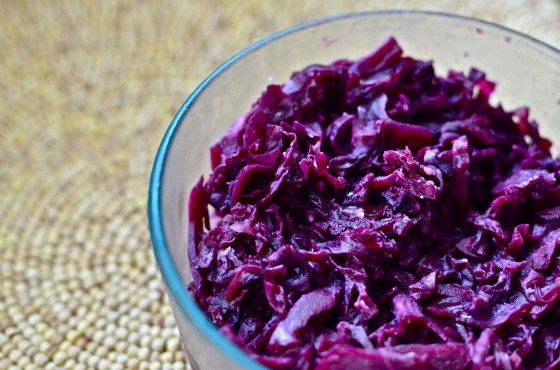
2 C. julienned red cabbage
1 C. julienned carrots
1 C. julienned jicama
1 large jalapeno, thinly sliced crosswise
3 T. freshly squeezed lime juice
1 scant tsp. coarse salt
1 tsp. sugar
1/3 C. chopped cilantro
1 T. chopped fresh mint

Heat a small, heavy-bottomed skillet over high heat. Add anise seeds and toast, stirring constantly, until fragrant, about 30 seconds. Remove anise seeds from pan and let cool to room temperature. In a large bowl, mix together cabbage, carrots, jicama, and jalapeno. Add lime juice, salt, sugar, cilantro, mint, and cooled anise seeds; toss to combine; let stand at least 1 hour, stirring occasionally, before serving. Slaw is best when made up to 3 days in advance and can be stored in an airtight container, refrigerated.

Pizza Sandwiches

Pizza Sandwiches

1 1/2 C. warm water (115 degrees)
4 1/2 tsp. (two 1/4-ounce envelopes) active dry yeast
1/4 C. extra-virgin olive oil, plus more for bowl and baking sheet
1 T. sugar
Coarse salt
4 1/3 C. all-purpose flour, plus more for surface

6 vine-ripened tomatoes, sliced 1/4 inch thick
1/2 C. plus 1 T. extra-virgin olive oil
Coarse salt and freshly ground pepper
1 C. crumbled soft goat cheese (5 ounces)
32 thin slices soppressata (8 ounces)
1 pound fresh mozzarella, sliced 1/4 inch thick
8 ounces baby arugula (about 10 C.)
2 C. fresh basil
2 T. fresh lemon juice

Make the dough: Pour warm water into a large bowl; sprinkle with yeast, and let stand until foamy, about 5 minutes. Whisk oil, sugar, and 2 tsp. salt into yeast mixture. Add flour, and stir until a sticky dough forms. Turn out dough onto a floured surface, and knead until smooth, about 8 minutes. Transfer to an oiled bowl, and turn to coat. Let stand, covered, in a warm place until doubled in volume, about 1 hour. Meanwhile, make the filling: Preheat oven to 400 degrees. Spread tomatoes on a rimmed baking sheet, drizzle with 3 T. oil, and season with salt. Roast, flipping after 30 minutes, until shrunken and slightly dehydrated, 45 minutes to 1 hour. Let cool. Raise oven temperature to 500 degrees (with convection on if possible). Turn out dough onto a lightly floured surface, and divide into 8 pieces. Form each into a ball. Let rest, draped with plastic wrap, for 15 minutes. Place 1 dough ball on a lightly oiled baking sheet, and shape into a 7 1/2-inch round. Arrange a layer of tomatoes on half of the dough, and dot with 2 T. goat cheese. Top with 4 slices soppressata. Tear off pieces of mozzarella, and place over top. Fold dough over to enclose filling, but do not seal. Repeat with remaining dough, tomatoes, goat cheese, soppressata, and mozzarella (arranging 4 sandwiches per baking sheet). Bake until golden and cooked through, about 10 minutes. Remove from oven. Let cool for at least 15 minutes before serving. Meanwhile, toss arugula and basil with lemon juice and remaining 1/4 C. plus 2 T. oil. Season with salt and pepper. Open each sandwich, and fill with arugula-basil mixture. Cut each in half.

Ricotta Berry Breakfast Crostini

Ricotta Berry Breakfast Crostini

12 baguette slices (cut on diagonal for more surface area)
½ C. ricotta cheese (if you can get fresh, it’s a beautiful thing)
2 tsp. honey
1 C. sliced strawberries or whole raspberries

In a toaster or a preheated 350°F oven, toast the baguette slices until they are very lightly browned, about 3 minutes. Meanwhile, in a small bowl combine the ricotta and honey. Spread the ricotta mixture evenly over the toasted bread slices, and evenly distribute the berries over the tops.

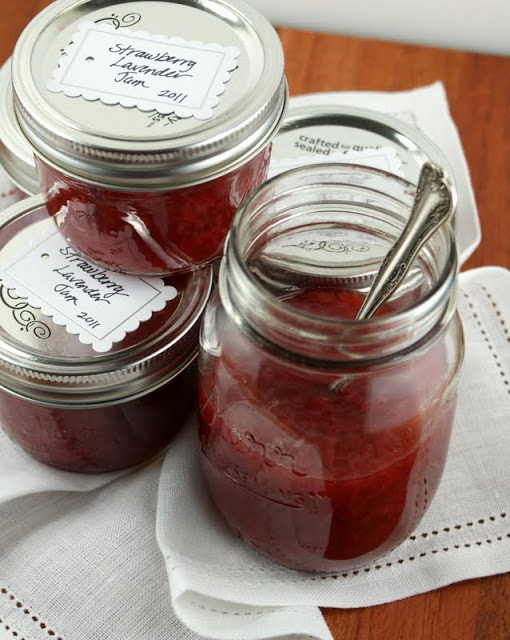
Strawberry Balsamic Refrigerator Jam

Strawberry Balsamic Refrigerator Jam

1 tsp. lemon juice
zest of 1 lemon
1 lb. strawberries, stems removed and roughly chopped (good use for overripe berries)
1/3 C. sugar to 1/2 C., depends on sweetness of your strawberries
1 tsp. aged balsamic vinegar

Combine the lemon juice, lemon zest, strawberries, and sugar in a saucepan. Bring to a boil over medium high heat and cook for 10 minutes, stirring frequently. It will look really watery at first, but it will start to thicken up as it reduces. Once you have the thickness you want, reduce the heat to medium and add the balsamic vinegar. Cook for 3 more minutes, then place your jam in a clean glass container. Refrigerate, and spread on biscuits, toast, or whatever you’d like. Enjoy!

Korean Beef Bites

Korean Beef Bites

1/2 pound flank or sirloin steak
1 tsp. low-sodium soy sauce or gluten-free tamari
1 tsp. brown sugar
1/2 tsp. sesame oil
1 clove garlic, finely minced
1/2 tsp. freshly grated ginger
24 rice crackers
1/2 C. prepared kimchi
1 green onion, very thinly sliced on the diagonal

Slice the steak as thin as you can into at least 24 pieces. If you are using flank steak, make sure to slice across the grain. In a large bowl, whisk together the soy sauce, brown sugar, sesame oil, garlic, and ginger. Add the steak and mix to coat. Marinate for at least 10 minutes at room temperature or up to 24 hours in the refrigerator. Heat a grill pan over high heat. You’ll cook the steak in batches to avoid overcrowding the pan. When the pan is hot, add the steak, and grill 1 to 2 minutes per side, depending on the thickness of your slices. To serve, on each rice cracker layer a slice of steak, the kimchi, and garnish with green onion.

Rick Bayless Thin-Sliced Strips Of Beef / Cecina De Res Y Carne Seca

Rick Bayless Thin-Sliced Strips Of Beef / Cecina De Res Y Carne Seca

1 1/2 lb. piece of eye of round
1 1/2 tsp. salt
1 T. freshly squeezed lime juice
1 1/2 tsp. dried oregano

Using a very sharp knife (such as a boning, filleting or slicing knife), trim the ends, top and bottom of the meat to make them flat, giving you a roughly loaf-shaped chunk (weighing about 1 1/4 lbs). Reserve the scraps for another use. Lay the meat so that its length (and the grain) runs crosswise in front of you. Place one hand firmly on top of the meat, then begin slicing at one end, parallel to the work surface and 1/8″ below the top (and, as you guessed, 1/8″ below the level of your hand). Work your way across the meat, but stop 1/8″ short of the other end, DO NOT CUT THROUGH. Remove your knife, turn the meat 180^ and start a second cut across, 1/4″ below the top. When you’ve cut across about 1 inch, open out the top slice, bending it on the 1/8″ “hinge” that you left at the end. Lay your hand firmly on the newly exposed top and continue cutting across, again 1/8″ below the surface, below your hand. Stop 1/8″ from the end, turn the meat around and begin a third slice 1/4″ below what is now the top. Cut across 1 inch, unfold the second slice, then continue your cut, 1/8″ below your firmly held hand. Work your way back and forth across the meat, leaving 1/8″ hinges at the end of each slice, until the entire piece has been stretched out to a long, 1/8″-thick piece of meat.

Notes on Accordion-Cutting Meat: There is really nothing tricky about this technique, but it does require a little practice. Work slowly, slicing with firm, back-and-forth, sawing motions. The firmly held hand compacts the meat and holds it in place, making it much more manageable. If you work carefully, there is little risk of cutting yourself.

Salting & Aging: Mix together the salt, lime juice and oregano, stirring until the salt has mostly dissolved. Spread out the meat, smear the mixture on both sides, then refold into its original shape. Let stand 1/2 hour. Unfold the meat and hang it to dry in a dry place with good air circulation.

For Cecina (fresh or half-dried strips of beef): For dishes that call for cecina, let the meat dry a few hours or overnight. Cut into manageable-size pieces, cover and refrigerate; to ensure that the meat doesn’t dry any further, you may lightly rub both sides with oil.

For Carne Seca (jerky): For dishes that require jerky, let the meat hang for at least 48 hours. If you plan to keep it for an extended period, let it hang several days longer, then loosely wrap and store in a cool, dry place.

Drying the Beef: Some recipes direct you to hang it in the sun during the day, then bring it in at night; a cool, dry kitchen window works well, also. High humidity keeps the meat from drying and can cause it to spoil.

Variation: Chile-Dried Beef: Mix 2 tsp. pulverized, toasted chile guajillo or New Mexico chile with the salt-lime-oregano flavoring; add a little cayenne, if you wish. Prepare the meat as directed in Steps 1 and 2, coating it with the chile seasoning, then hanging it to dry.

Red Snapper with Lemon and Parsley

Red Snapper with Lemon and Parsley

1 T. plus 1 tsp. olive oil
4 6-oz. skinless red snapper fillets
¼ C. lemon juice
¼ C. parsley, chopped

Heat oil in a heavy nonstick skillet over medium high heat. Season snapper with salt and pepper to taste. Sauté snapper 3 to 4 minutes per side or until fish flakes easily. Carefully transfer fillets to a serving platter. Drain excess drippings from skillet. Stir in lemon juice. Remove from heat and stir in parsley. Serve lemon sauce over red snapper.

Yield: 4 servings
Calories: 215
Fat: 6.8g
Fiber: .2g

Gazpacho

Gazpacho

1 1/2 C. of vegetable juice
6 plum tomatoes, peeled, seeded, and chopped
1/2 medium cucumber, seeded, and chopped
1/2 red pepper, chopped
1/2 green pepper, chopped
1 small red onion chopped
3 cloves garlic finely chopped
Juice of 1/2 lemon
1 tsp. Worcestershire sauce
1 T. olive oil
1 T. fresh herbs, such as parsley and/or basil (optional)

In a large bowl, combine all ingredients except the fresh herbs. Refrigerate for 6 to 8 hours. Serve chilled, topped with chopped fresh herbs and salt and pepper to taste.

Yield: 4 servings
Calories: 91
Fat: 4g
Fiber: 3g

Mango Lime Jam

Mango Lime Jam

3 C. mango pulp, coarsely chopped into raisin-sized pieces
3¼ C. granulated sugar
¼ C. fresh lime juice
Zest of 2 limes
Half of 3-oz. pouch of liquid pectin

In a nonreactive pan, mix together mango, sugar, and lime juice, and bring to a boil over medium heat, stirring constantly. When the mixture comes to a boil, add the lime zest, turn up the heat to medium and let the mango mixture boil for 3 minutes, stirring constantly. Stir in the liquid pectin and let the mixture boil for one more minute. Take the pot off the heat and let the jam rest for 5 minutes before putting it into the jars. This allows the jam to thicken up a bit which promotes better suspension of mango pulp; otherwise the mango pieces will rise to the top instead of being interspersed throughout the entire jar. Process with the water bath canning method. Alternatively, the jam can be stored in airtight containers and kept refrigerated.

North Indian Carrot Pickles

North Indian Carrot Pickles

1 pound carrots, scrubbed and patted dry
1½ tsp. crushed red pepper flakes
1 tsp. mustard seeds, coarsely crushed
1 tsp. pure kosher salt
½ tsp. turmeric
½ C. vegetable oil
¼ tsp. asafetida
1/3 C. strained fresh lemon juice

Wash 2 pint jars well, then dry them thoroughly inside and out. Wash and dry the lids. Cut the carrots into ¼- to ½-inch-thick sticks 4 inches long (to fit in pint jars). Pat dry and put in a dry medium-sized bowl. Add the red pepper flakes, mustard seeds, salt, and turmeric; toss to combine. Set aside. In a medium sauté pan, heat the oil over high heat for 30 seconds, then sprinkle in the asafetida, if using. Add the carrots and spices. Cook, stirring constantly but carefully with a clean, dry spoon, for 1 minute. Add the lemon juice and cook, stirring, for 1 minute more. Remove from the heat. Using dry tongs, transfer the carrots to the jars, then divide the liquid and spices between the jars. Let cool to room temperature, then put the lids on and refrigerate for 4 days before serving. The pickle will keep for at least 6 weeks; be sure to use only dry utensils to scoop out the pickle as you use it, as it will spoil if any water comes in contact with it.

Pepperoni Pull Bread (Pizza Monkey Bread)

Pepperoni Pull Bread (Pizza Monkey Bread)

2 balls of pizza dough
2 C. shredded Asiago, Parmesan or any other hard cheese
1 pound mozzarella, cut into 1″ cubes
1 package of sliced pepperoni
1/4 C. olive oil
4 cloves fresh pressed garlic
1 tsp. dried oregano

Preheat oven to 375. In a small bowl, combine olive oil, garlic, and oregano. Coat a Bundt pan with one T. this mixture. Cut dough into golf ball sized dough balls. Flatten with hands. Place two pepperoni slices on top and one mozzarella cube. Pinch dough around filling to form a ball. Scatter a handful of Asiago on bottom of Bundt pan. Place one layer of balls on bottom of pan. Brush balls with garlic mixture. Scatter more Asiago on top. Place second tier of balls on top of first. Brush more of the garlic mixture on top and finish off with another handful of Asiago. Shake some more oregano on top to make yourself feel good about adding something green. Bake at 375 for 45 minutes or until golden brown and bubbly.

Soft and Chewy Granola Bars Recipe

Soft and Chewy Granola Bars Recipe

2 1/2 C. (230 grams) old fashioned rolled oats
1/2 C. (80 grams) whole almonds, coarsely chopped
1/3 C. (113 grams) honey
1/4 C. (56 grams) unsalted butter, cut into pieces
1/4 C. (50 grams) packed light brown sugar
1/2 tsp. vanilla extract
1/4 tsp. kosher salt
1/2 C. (60 grams) dried cranberries, coarsely chopped
1/4 C. plus 2 tsp. (67 grams) mini chocolate chips

Heat oven to 350 degrees F (177 degrees C). Line bottom and sides of a 8-inch or 9-inch square pan with aluminum foil. Then lightly oil or spray with cooking spray. Add oats and almonds to a small baking sheet then bake 5 minutes, stir and bake another 3 to 5 minutes until lightly toasted. Transfer to a large bowl. Combine butter, honey, brown sugar, vanilla extract and the salt in a small saucepan over medium heat. Cook, stirring occasionally until butter melts and the sugar completely dissolves. Pour butter mixture in to bowl with toasted oats and almonds. Mix well. Let cool about 5 minutes then add cranberries and a 1/4 C. the mini chocolate chips. Stir to combine. (The chocolate chips will most likely melt a little. This is fine, they turn into glue and help to hold the bars together). Transfer oat mixture to lined pan then use a rubber spatula or damp finger tips to firmly press the mixture into the pan. (Press hard here, this way the bars will stay together once cooled and cut — We press for about one minute to be extra safe). Scatter remaining 2 tsp. chocolate chips over pressed granola mixture then use a rubber spatula to gently press them into the top. Cover then refrigerate at least 2 hours. Remove block of granola mixture from pan then peel away aluminum foil. Cut into 12 bars. Store bars in an airtight container for up to one week. For the softest bars, keep at room temperature. For slightly harder bars, store in the fridge.

Fruit crisp for any season

Fruit crisp for any season

If you have seasonal fruit and a few staples in your pantry, you can always make my favorite rustic dessert: a crisp. When I need a last-minute dessert, fruit crisp is always my go-to. It’s so easy and so delicious. You don’t really need a recipe to make a great fruit crisp. You just need great fruit, a little sweetener, some spice, and plenty of crumbly oatmeal cookie-type topping. I like to use cornstarch or arrowroot powder to slightly thicken up juicy fruits, but if you don’t have these starches on hand, all-purpose flour works fine too. Consider this a blueprint, with ideas for fruit crisps throughout the season, and combine fruits, play with spices, and experiment to find your own perfect crisp.

For the topping:
¾ C. rolled oats
1/2 C. lightly packed light brown sugar
1/2 C. chopped walnuts, pecans, or almonds
1/2 C. all-purpose flour
1/2 C. (1 stick) unsalted butter, at soft room temperature
1 tsp. ground cinnamon
Pinch of kosher salt

Filling ingredients (See graphic)
Lightly sweetened whipped cream or vanilla
ice cream, for serving (optional)

Move an oven rack to the center position and preheat the oven to 350 degrees F. Lightly grease a 9-inch-square pan. In a small bowl, combine all the topping ingredients and mix together until it looks uniformly clumpy. Set aside. ^ Choose a filling combination. In a medium bowl, toss the fruit, sweetener, thickener, and extras together, then pour the fruit mixture into the prepared pan. Sprinkle the crisp topping all over the filling, then bake until the fruit juices are thickened and bubbly and the topping is golden brown and crunchy, 40 minutes or up to 1 hour, depending on the fruit. Serve the crisp with a dollop of whipped cream or a scoop of ice cream, if desired. Note: If you use frozen fruit, increase the amount of thickener you use a bit.

Uses for Orange Juice

Uses for Orange Juice

For a deliciously healthy breakfast treat, slice a banana into a bowl and top it with fresh orange juice. The juice adds sweetness, tang, and moisture to the banana—it’s a perfect flavor and texture combination.

For instant “pickles”, mix orange juice with Asian-style ingredients. In a small bowl, combine:

4 parts fresh orange juice
2 parts soy sauce
2 parts vegetable oil
1 part sesame oil
2 parts rice vinegar

Mix well and pour over sliced cucumbers to cover. Serve immediately, or let the cucumber slices soak in the refrigerator for up to 24 hours to absorb more flavor.

To stir up a fast and fabulous vinaigrette, whisk together 1/4 C. fresh orange juice, 1 tsp. grated orange zest, 1 tsp. fresh lemon juice, 1/2 tsp. Dijon mustard, and 1/2 tsp. salt. Gradually whisk in 1/2 C. fruity olive oil. Excellent on spinach salads.

For an herb-scented Bundt cake, add chopped fresh rosemary, fresh orange juice, and grated orange zest to the batter. Replacing half of the recipe’s butter with olive oil also adds to the fruity flavor.

For an easy mango sorbet, mix 1/2 C. orange juice, 1/2 C. sugar, 1 package (about 5 oz.) frozen mango chunks, and 1 tsp. vanilla extract in a food processor. Process until smooth and thick, using 4- to 5-second pulses. Scrape into a shallow metal pan and freeze for up to 2 hours. Scrape out servings with a spoon. If you freeze longer, return the mixture to the food processor and pulse to revive its creamy texture.

For an aromatic marinade for pork tenderloin, mix together:

1 can (6 oz.) thawed orange juice concentrate
2 tsp. olive oil
2 tsp. rum
1/4 C. chicken broth
1/2 tsp. salt
2 tsp. chopped fresh rosemary
1/2 tsp. freshly ground black pepper
3 garlic cloves, minced

Marinate 2 pounds pork tenderloin in the mixture for 4 to 8 hours. Grill or broil the pork, then boil the marinade for 5 minutes. Dissolve 1 tsp. cornstarch in 1/4 C. cold chicken broth, then stir into the marinade to thicken. Serve with the pork.

When you can’t think of what to do with chicken yet again, mix up this quick and surprising marinade. Grate the zest and squeeze the juice from 1 lime and 1 lemon into a large zip-close bag. Stir in 1 can (6 oz.) thawed orange juice concentrate, 1/2 C. tomato sauce, 2 minced garlic cloves, 1 tsp. dried Italian seasoning, and 1/2 tsp. hot-pepper sauce. Drop in 2 pounds boneless chicken parts and marinate in the refrigerator for 4 to 8 hours. Grill or broil the chicken and serve with prepared salsa.

To make a refreshing brine for fish, combine 2 C. fresh orange juice, 2 tsp. fennel seeds, 2 tsp. sugar, 3 tsp. kosher salt, and 1/2 tsp. freshly ground black pepper. Add thick fish steaks or fillets and refrigerate for up to 2 hours. Remove from the brine and grill, broil, or pan-fry the fish.

To breathe new life into creamy squash or red-pepper soups, stir in 1/4 C. fresh orange juice.

For a new twist on tapioca pudding, combine 2 C. fresh orange juice, 1/3 C. sugar, 3 tsp. quick-cooking tapioca, and a pinch of salt in a saucepan. Let stand for 5 minutes. Bring to a boil over medium heat, stirring constantly. Remove from the heat and cool for 20 minutes. The pudding will thicken as it cools. Stir until smooth and serve warm or chilled.

To freshen up spaghetti sauce, squeeze in the juice from 1 to 2 oranges.

For a lively teriyaki marinade, mix together:

1/2 C. fresh orange juice
1/4 C. soy sauce
2 tsp. honey
1 tsp. grated fresh ginger
1 tsp. grated orange zest
2 garlic cloves, minced
1 tsp. toasted sesame oil

Use to marinate beef, pork, or chicken.

For a quick creamy orange smoothie, combine orange-tangerine juice, vanilla ice cream, vanilla extract, and orange sherbet in blender. Process until smooth.

To give steamed rice an uplifting aroma, add 1/4 C. fresh orange juice to the cooking water.

Peach Slices with Bourbon

Peach Slices with Bourbon

The trick to canning peaches is to look for the freestone varieties. They typically arrive in markets towards the middle point of peach season and they will make your workload far lighter. You can’t tell by looking what kind you have, so ask your grower or the produce person at your local market. Tell them you want them for canning, they’ll understand.

6 pounds yellow peaches
6 tsp. bottled lemon juice divided
3 C. water
3/4 C. pure maple syrup
1/2 C. bourbon

Prepare a boiling water bath and 4 regular-mouth pint-size jars. Bring a large pot of water to a boil. While it heats, cut all your peaches in half and remove the pits. Fill a large bowl two-thirds the way up with cold water and add 2 tsp. the lemon juice. The cold water stops the cooking, and the lemon helps prevent the fruit from browning.

Working in batches, proceed to blanch all your peach halves for 60 seconds, placing them in the bowl of lemon water to cool as they come out of the pot. Make sure to give the water a chance to come back up to boiling between batches. If the water isn’t hot enough, you will have a hard time removing the skin during peeling.

Once all the peaches have been balanced and they are cooling down, make the syrup. Combine the remaining 4 tsp. lemon juice, the water, and the maple syrup in a nonreactive saucepan large enough to eventually hold all the peaches. Place the pan over medium heat and bring to a gentle simmer.

While the syrup heats, slide the peels off the peaches and cut the peach flesh into wedges, dropping the wedges into the heating syrup as you work. Once all the peaches are in the syrup, increase the heat to high and bring to pot to a boil. Once it boils, remove the pot from the heat.

Using a slotted spoon, funnel the peaches into the prepared jars and top with the syrup, leaving 1 1/2 inches of headspace. Add 2 tsp. bourbon to each jar. Tap the jars gently on the countertop to settle the peaches and use a wood chopstick to dislodge any trapped air bubbles. Add more liquid to return the headspace to 1 1/2 inches if necessary.

Wipe the rims, apply the lids and rings, and process in a boiling water bath for 25 minutes. Note: Most the time I’ll tell you that you can use whatever jar you want, but for these peaches, I actually do recommend opting for regular mouth jars. Their shoulders will help keep the peach slices submerged in the syrup and that will ensure they keep their quality longer

Strawberry Vanilla Jam

Strawberry Vanilla Jam

This recipe is a classic Strawberry Jam. But we’ve brought it to modern taste standards by using Pomona’s Pectin which requires little or no sweetener. Pomona’s Pectin relies on Calcium Water (included in the box of pectin) to make the jam set. It can be found in stores like Whole Foods that sell natural or organic products. When using any pectin product, always follow the package directions exactly. Otherwise your set may be comprised.

Makes about 6 -7 half-pints

½ to 1 ½ C. honey or other sweetener (sugar, agave nectar, maple, etc.) (Sweetener can be added to taste)
4 tsp. Pomona’s Pectin powder
3 pounds rinsed and hulled strawberries, crushed, about 8 C. (you could dice or puree, but this could affect the consistency of the final product)
3 tsp. fresh lemon juice, strained
3 tsp. vanilla extract
4 tsp. calcium powder liquid (made up by following directions in box of pectin)

Prepare canning pot with jars (no lids or bands) by covering jars with water and bringing to a boil. When boiling, turn heat down to medium and hold until ready to use. Stir sugar and pectin power together. Put strawberries, lemon juice, vanilla and calcium solution in a wide 6-8 quart stockpot or deep stainless steel skillet. Bring to a boil over high heat, stirring in the sugar-pectin mixture. Stir until sugar is dissolved, about 1-2 minutes. Return to a boil, then remove from heat. Ladle into hot jars, leaving ¼ inch headspace at the top. Wipe rims of the jars with a damp cloth, bubble with a table knife or jar bubbler, place lid and band on each jar. Return jars to boiling water canning pot, with water covering jars by 1 inch. Bring water back to a boil and boil for 5 minutes to process. Remove jars to a folded towel on heatproof surface. Do not disturb for 12 hours. Remove bands and test lids for seal. If any jar hasn’t sealed, immediately refrigerate. Label and date jars and store.

Ginger Green Apple Smoothie

Ginger Green Apple Smoothie

1 Cucumber
1 Cup Spinach
1 Green Apple
1 handful of Parsley
1 thumb of Ginger (about 1 inch)
1-2 Cups of Coconut Water or Water

Core your apple, blend all ingredients together in a high-powered blender and enjoy.

Gin Spiked Mint-Fennel Sorbet

Gin Spiked Mint-Fennel Sorbet

This dessert is reminiscent of a cocktail and is the epitome of refreshing on a hot summer night. Basil can be substituted for the mint.

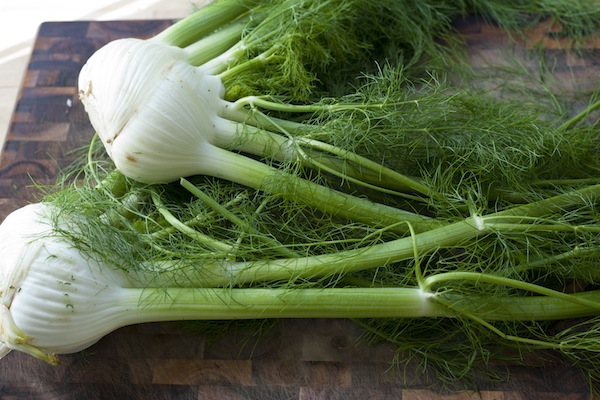
2 bulbs fennel
1 1/2 C. sugar
3 bunches mint, leaves plucked from stems
4 limes, juiced
1/2 tsp. sea salt
1/2 C. gin
1 egg white

Chop fennel. Place in a nonreactive pot and add 4 C. water. Cover and simmer until very tender, approximately 30 minutes. Cool completely. Combine 1 1/2 C. water with sugar in a medium saucepan. Bring to a boil, stirring, until sugar has dissolved. Cool simple syrup completely.. Purée the fennel with the water it was cooking in, 2 C. simple syrup, mint, lime juice, salt, gin, and egg white in a blender for 1 minute. Strain through a cheesecloth. Chill in refrigerator for 1 hour. Process in an ice-cream maker according to the manufacturer’s directions.

Hazelnut Crusted Halibut with Marionberry Margarita Sauce

Hazelnut Crusted Halibut with Marionberry Margarita Sauce

4 6oz. Halibut Filets

1 C. Oregon hazelnuts
1/2 tsp. fresh thyme, chopped
1/2 tsp. fresh oregano, chopped
1/2 tsp. fresh rosemary, chopped
1/3 C. cornmeal
2 tsp. flour
1/4 tsp. salt
1/4 tsp. black pepper

Purée all ingredients in a food processor until it has a crumb texture.

2 tsp. salad oil
2 C. yellow onion, small dices
1 tsp. garlic, minced
1/2 C. tequila
1 tsp. lemon juice
1 tsp. lime juice
3 tsp. honey
1/4 C. sugar
2 tsp. rice vinegar
1 C. water
4 C. fresh marionberries or blackberries
1/2 tsp. salt
1/4 tsp. black pepper

Caramelize onions in oil in a medium saucepan until browned. Add garlic and tequila and reduce until dry. Add juices, honey, sugar, vinegar and water and bring to a boil. Add half of the berries and return to a boil. Remove from heat and purée mixture until smooth in a blender. Add remaining berries and salt and pepper.

Coat 4 6-oz. halibut filets in the hazelnut crust. Place on greased baking sheet and bake at 350 degrees for 15 minutes. Top with the berry sauce and garnish with favorite starch and vegetables.

Buckwheat Crêpes with Roasted Root Vegetables

Buckwheat Crêpes with Roasted Root Vegetables

In Brittany, crêpes ”galettes”are usually folded into a rough square around your filling of choice. Gruyere and ham are definitely crowd pleasers, especially when an egg is cooked in the center of the dish. I prefer roasted root vegetables, with garlic and caramelized shallots on a bed of wilted kale and Gruyère cheese. Finished with a sunny-side up egg, it’s a cold weather meal that’s hard to beat in terms of color, flavor, and satisfaction.

3/4 C. buckwheat flour
1/4 C. all purpose flour
1/2 tsp. salt
2 eggs
1 3/4 C. milk, split
4 tsp. melted unsalted butter, divided
One recipe roasted root vegetables (below)

In a large mixing bowl, combine the dry ingredients. In a medium-sized bowl, combine eggs, 1 1/2 C. milk, and 2 tsp. melted butter. Mix the wet ingredients into the dry and stir until the mixture is uniform. Cover and refrigerate for at least an hour and up to overnight. Before making the crêpes, whisk in the remaining 1/4 C. milk and have 2 tsp. melted butter standing by. If the batter seems too thick—doesn’t seem “pourable”—add a little bit of water. Heat an 8-inch non-stick sauté pan and brush with the remaining melted butter. When the butter is hot enough to sizzle, add a scant 1/4 C. crêpe batter. Tilt the pan around quickly to spread the batter. When the edges are slightly browned and the center of the crêpe is bubbling (about 3 minutes over high heat), flip the crêpe using your fingertips, tongs, or spatula. Cook for another 10-15 seconds, then slide onto a plate. Repeat until all the batter is used. Note: you can omit the all-purpose flour to make the dish entirely gluten-free. Just mix the batter a little bit longer to stretch the starches within the buckwheat.

Roasted Root Vegetables

4 medium-sized beets, trimmed and rinsed (save the greens)
8 cloves of garlic, unpeeled
2 large garnet sweet potatoes, rinsed and cubed
1/2 C. olive oil, divided
Salt and pepper to taste
2 large shallots, sliced into rings
1 bunch purple kale, stripped from stems and chopped
1/2 C. white wine
1 C. shredded Gruyère cheese
1 tsp. butter
6 eggs
1/2 tsp. fresh thyme, chopped

Preheat oven to 375°F. Rub the beets with oil and season them with salt and pepper. Wrap them, along with the garlic cloves, in foil, and roast for an hour. Toss the sweet potatoes in olive oil and salt and pepper. Spread evenly on a cookie sheet and roast in the same oven for 35 minutes, turning with a spatula halfway through. Remove the beets from the oven and carefully open the foil. After they’ve cooled to handling temperature, rub them with a cloth to remove their skins (or you can leave on). Chop them into 3/4 inch cubes and set aside. Peel the garlic and set the cloves with the beets. Remove the sweet potatoes from the oven, stir once with a spatula and set aside. When the crepes are ready, heat a large sauté pan with 2 tsp. olive oil over high heat. When the oil begins to shimmer on the surface, add the shallots and immediately lower the heat. When the shallots begin to caramelize, after about seven minutes, raise the heat again. Carefully add the kale and the reserved beet greens to the oil. It will want to spatter. Stir once or twice, and deglaze with white wine. Cover the pan, lower the heat once again, and let the greens wilt and the wine cook down, about three minutes. Remove the lid and add the roots and roasted garlic. Toss all together and taste. Add more salt and pepper if you like. Set aside.

On a cookie sheet or in a baking dish, assemble the crêpes: Sprinkle 1/4 C. Gruyère cheese over the bottom of the crêpe. Pile 1/4 C. the vegetable mixture on top of the cheese. Fold in the edges to form a packet. Hold in a 275°F oven until you are ready to plate. In a large sauté pan over medium flame, heat 1 tsp. butter. Crack six eggs into the pan and cook them until the whites are firm but the yolks are still runny, about seven minutes (this step can occur while you are assembling the crêpes). Place a filled crêpe on a plate. Top with an egg. Garnish with freshly ground black pepper, coarse sea salt, and a sprinkle of chopped thyme.

Uses for Sour Cream

Uses for Sour Cream

For a sweet and surprising maple sauce, combine 1/2 C. low-fat cottage cheese, 1/4 C. sour cream, 1/4 C. maple syrup, and 1 tsp. honey in a mini food processor or blender (you could also use a hand blender and combine the mixture in a tall glass). Puree until smooth. Chill the sauce for at least 30 minutes before using. Can be used on desserts, as a vegetable dip, or however you wish.

To whip up a super-fast chocolate frosting for cakes and cupcakes, melt 1 C. semi-sweet chocolate chips in a microwavable bowl. Stir in 1/2 C. sour cream until smooth. Spread over your favorite cakes and cupcakes and refrigerate until ready to serve.

To give chocolate cookies and cakes a luscious texture, replace half of the butter in your favorite recipe with sour cream. The acidity of the sour cream helps to tenderize the cookie dough or cake batter.

To make a homemade, low-fat version of creme fraiche, mix together 1/2 C. reduced-fat sour cream, 1/2 C. 1% milk, and 1/4 tsp. sugar. Cover and let stand in a warm place overnight to thicken. Refrigerate for at least 4 hours before using. Keeps refrigerated for up to 2 weeks.

To enrich deviled eggs, mix a little sour cream into the filling.

For extra-creamy guacamole, add a few tsp. sour cream into the mixture.

To enrich bottled spaghetti sauce or prepared pesto sauce, stir in 1/4 C. sour cream per 2 C. sauce. Cook over low heat until the sour cream just blends into the sauce. Keep the sauce warm over low heat, but don’t allow it to boil or the sour cream may curdle.

To give black bean dip a super-creamy texture, add sour cream. Drain 1 can (16 oz.) black beans and place them in a food processor or blender. Add:

1/4 C. sour cream
1/4 C. chicken broth
1 scallion, sliced
1 small garlic clove, minced
2 tsp. dry sherry
1/2 tsp. ground cumin
1/2 tsp. dried oregano
1/2 tsp. salt
1/2 tsp. hot-pepper sauce
1/4 tsp. freshly ground black pepper
1 tsp. fresh lemon juice

Puree until the texture is smooth. Remove from the processor or blender and store in the refrigerator. Bring to room temperature before serving. This recipe doubles easily and tastes great with corn chips.

For sweetened creamy polenta, make polenta with yellow cornmeal, milk, honey, and butter. Finish the polenta by stirring in sour cream. Top with fresh berries or strawberry, cherry, or raspberry jam.

Small Batch Strawberry Vanilla Jam

Small Batch Strawberry Vanilla Jam

1 quart strawberries (a little over 1 1/2 pounds, should be approximately 4 C. chopped berries)
2 C. sugar, divided
2 vanilla beans, split and scraped
1 lemon, zested and juiced

Wash and chop berries. Toss them with 1 C. sugar and the vanilla beans/seeds and place in a large jar or bowl. Allow the berries to macerate for at least 2-3 hours and up to 72 hours. When you’re ready to make the jam, prepare three half pint jars. Pour macerated strawberries into a large pot and add the remaining C. sugar. Bring to a boil and cook until the jam reaches 220 degrees, stirring very regularly.
6.Add the lemon zest and juice in the final 5 minutes of cooking. Once the jam has reached 220 degrees, remove the pan from the heat. Pour jam into your prepared jars. Wipe rims, apply lids and rings and process in your canner for 10 minutes (normally I’d admonish you not to start your timer until the water has returned to a boil. However, as long as your water is quite hot when the jars go into the canner, the time it will take to return to boiling should be minimal). When time is up, remove jars from canner and let them cool on a towel-lined counter top. When jars are cool enough to handle, remove rings and check seals. If any jars are not sealed, store them in the fridge and use them first. Store sealed jars in a cool, dark place.

Roasted Corn & Tomato Salsa

Roasted Corn & Tomato Salsa

5 ears fresh corn, shucked
3 C. tomatoes, chopped
½ C. jalapeno peppers, chopped
½ C. onion, chopped
½ C. apple cider vinegar
½ C. bottled lime juice
¼ C. sugar
½ tsp. red pepper flakes
½ tsp. ground cumin
½ tsp. sea salt

Prepare water bath canner by filling with jars and water to cover. Bring to a boil and then turn to simmer until ready to use. Roast corn ears under broiler or on grill, turning until all sides are a deep golden brown. When cool, cut kernels from cob. Combine all the rest of the ingredients in a large saucepan and bring to a boil. Reduce heat and simmer until liquid is reduced to about half. Ladle into jars leaving ½ inch of headspace, bubble to remove air pockets, and wipe rims. Apply caps and process in the canner for 15 minutes after water returns to a boil. Add water, if necessary, to bring level to at least 1 inch over the tops of the jars. When time is up, turn off heat and let jars rest for 5 minutes. Remove from canner to a heat-proof counter and let cool for 12 hours. Then remove bands, test seals. Unsealed jars should be immediately refrigerated and used within 3-4 days. Label and date and store in a cool, dark area.

Tropical Energy Smoothie

Tropical Energy Smoothie

2 T. tahini
1 medium size ripe banana
1 C. low fat plain yogurt
1 – 1 1/2 C. pineapple juice
1 medium papaya

Scoop out meat from papaya with spoon and place in blender with rest of ingredients. Blend until smooth.

Roasted Kale with Preserved Lemons

Roasted Kale with Preserved Lemons

1 1/4 lb. dinosaur or curly green kale (about 2 bunches), rinsed
2 T. olive oil
Salt and pepper
3 T. chopped preserved lemons (see notes) or 1 T. slivered lemon peel

Tear kale leaves away from tough center stems; discard stems. Cut kale into 2-inch pieces and place in a large bowl. Add oil and sprinkle lightly with salt and pepper; mix well to coat. Spoon into a 9- by 13-inch baking dish (kale will fill dish). Bake in a 450° regular or convection oven, stirring occasionally, until top pieces of kale are crisp and remaining are tender to bite, 20 to 25 minutes. Stir in preserved lemons or lemon peel and spoon into a bowl. Serve hot or at room temperature.

Tomato and Sweet Onion Crumble

Tomato and Sweet Onion Crumble

1 T. olive oil
2 sweet onions (about 1 lb. total), such as Walla Walla or Oso, peeled and thinly sliced
3 cloves garlic, peeled and minced
2 lb. ripe tomatoes, rinsed, cored, and sliced (1/4 in. thick)
1/3 C. chopped fresh basil
3 T. chopped fresh oregano leaves
Salt and pepper
4 slices crusty artisan-style bread (each about 1 in. thick and 3 by 5 in.), cut into chunks
1/4 C. (1/8 lb.) butter
1/2 C. grated parmesan cheese

Heat oil in a 10- to 12-inch frying pan over medium heat. When hot, add onions and garlic. Stir frequently until onions are limp and beginning to brown, about 6 minutes. Pour into a 2- to 3-quart baking dish with sides at least 2 inches high, and spread onions level. Top evenly with tomato slices, basil, and oregano. Sprinkle generously with salt and pepper. In a food processor, whirl bread with butter and cheese until mixture forms coarse crumbs. Sprinkle evenly over tomatoes. Bake in a 350° oven until topping is golden brown and juices are bubbling, 20 to 25 minutes. Cool 5 minutes and serve warm.

Hood Canal Manila Clams with Spicy Orange Cilantro Butter

Hood Canal Manila Clams with Spicy Orange Cilantro Butter

4 pounds small manila clams (6-8 dozen), kept cold in the frig, with air to breath
2 tablespoons cold-pressed, extra virgin olive oil
1 medium onion, skinned and chopped (2 cups chopped)
2 cups dry white wine (such as a Northwest Pinot Grigio)
Spicy Orange Cilantro Butter
½ cup (1 cube) unsalted butter, cool room temperature
finely grated zest of 1 large orange
handful cilantro leaves (stems discarded)
4 large cloves garlic, peeled
½ teaspoon hot, smoked Spanish paprika
½ teaspoon red pepper flakes
1 teaspoon fine sea salt

chopped cilantro
thin shreds of orange peel
hot, crusty French bread

No less than ½ hour and no more than 1 hour before cooking, remove the clams from the frig, scrub them under cold running water, put them in a large bowl or clean sink, and cover with cold water. Clams need at least ½ hour in the water to release any sand trapped in their shells. NOTE If you suspect that your clams may be sandy, after soaking, steam a couple of them separately to check this before proceeding with the recipe. Once in a blue moon, I run into a sandy batch of clams that require separate steaming. If this happens to you, simply rinse the steamed clams to remove the sand and then proceed with the recipe. You will of course lose the clam juice, but that is preferred to a sauce full of sand. In the meanwhile, over medium-high heat, heat the olive oil in a large sauté pan or stovetop casserole. Add the chopped onion, and cook slowly until the onions are softened and translucent, but not browned, about 15 minutes. Add the wine and reduce by half. Remove from the heat and reserve. While the onions are cooking, make the Spicy Orange Cilantro Butter. In a processor, combine the butter, orange zest, cilantro, garlic, paprika, red pepper flakes, and salt. Pulse to finely chop and combine the ingredients. Reserve. To prepare the clams, put the pan with the sautéed onions back on the stove over medium-high heat, add the scrubbed clams, and cover. After the liquid comes to a boil, it will take about 5-7 minutes for the clams to open. As soon as most of the clam shells are open, remove from the heat. Remove any clams that did not open. NOTE Clams become tough when overcooked. Be sure to remove them from the heat as soon as most of them are open. You can also remove those clams that are open and give the remaining clams a few more minutes to see if they will open too. Quickly combine the clams with the Spicy Orange Cilantro Butter, garnish with chopped cilantro and orange peel, and serve with plenty of hot, crusty bread.