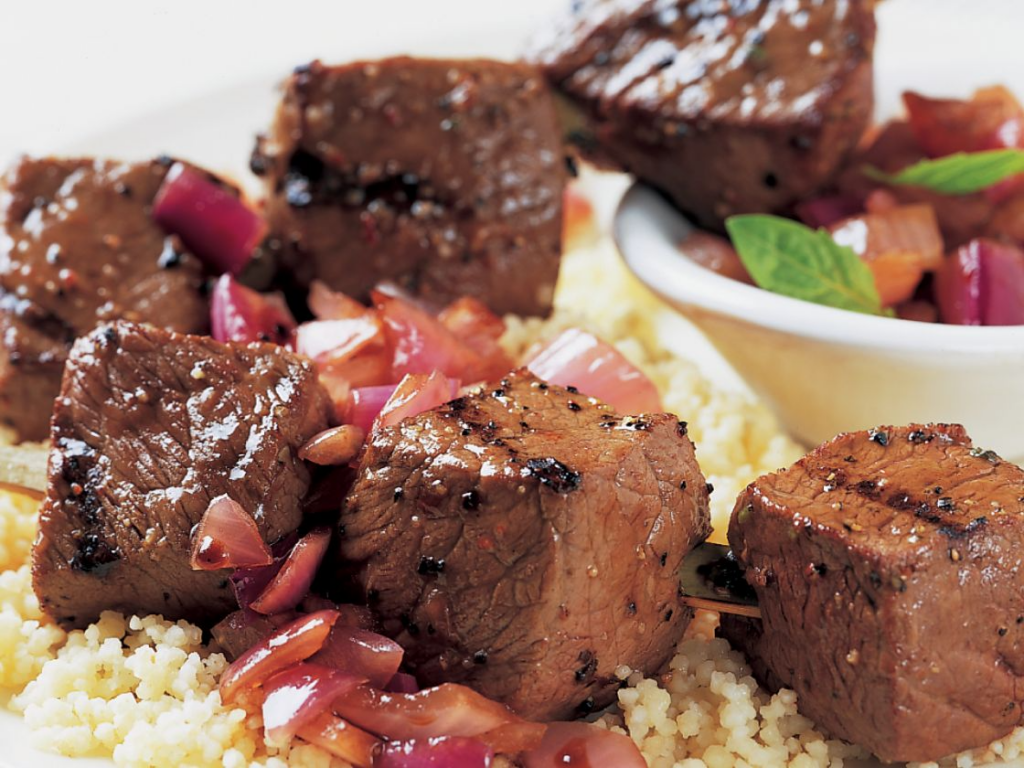
Steak Kabobs with Caramelized Onion Relish

Steak Kabobs with Caramelized Onion Relish

Steak Kabobs with Caramelized Onion Relish


1-1/2 pounds beef Top Sirloin Steak Boneless cut 1-inch thick

1 tsp. garlic-pepper seasoning

Fresh basil leaves, optional


2 T. olive oil

1 large red onion, diced

1/2 cup balsamic vinegar

1/4 cup packed brown sugar

1/4 tsp. salt

1/8 tsp. pepper


To prepare Kabobs, preheat broiler. Soak twelve 6-inch bamboo skewers in water 10 minutes; drain. To prepare Caramelized Onion Relish, heat olive oil in a large nonstick skillet over medium heat until hot. Add onions; cook 8 to 10 minutes or until tender and beginning to brown, stirring occasionally. Stir in balsamic vinegar and brown sugar. Cook 5 to 7 minutes or until liquid evaporates and onion mixture browns and thickens, stirring occasionally. Remove from heat and season with salt and pepper; keep warm. Cut beef Top Sirloin Steak into 1-1/4 inch pieces. Season meat with seasoning blend. Thread 3 beef pieces onto each skewer, leaving small spaces between pieces. Place kabobs on rack of broiler pan so surface of beef is 3 to 4 inches from heat. Broil 7 to 11 minutes for medium rare (145°F) to medium (160°F) doneness, turning once. Cook’s Tip: 1-1/2 pounds beef Ranch Steak cut 1-Inch thick may be substituted for beef Top Sirloin Steak Boneless. To grill, place kabobs on grid over medium, ash-covered coals. Grill, covered, 6 to 8 minutes (over medium heat on preheated gas grill, covered, 7 to 9 minutes) for medium rare (145°F) to medium (160°F) doneness, turning occasionally. Serve kabobs with relish. Garnish with basil leaves, as desired.

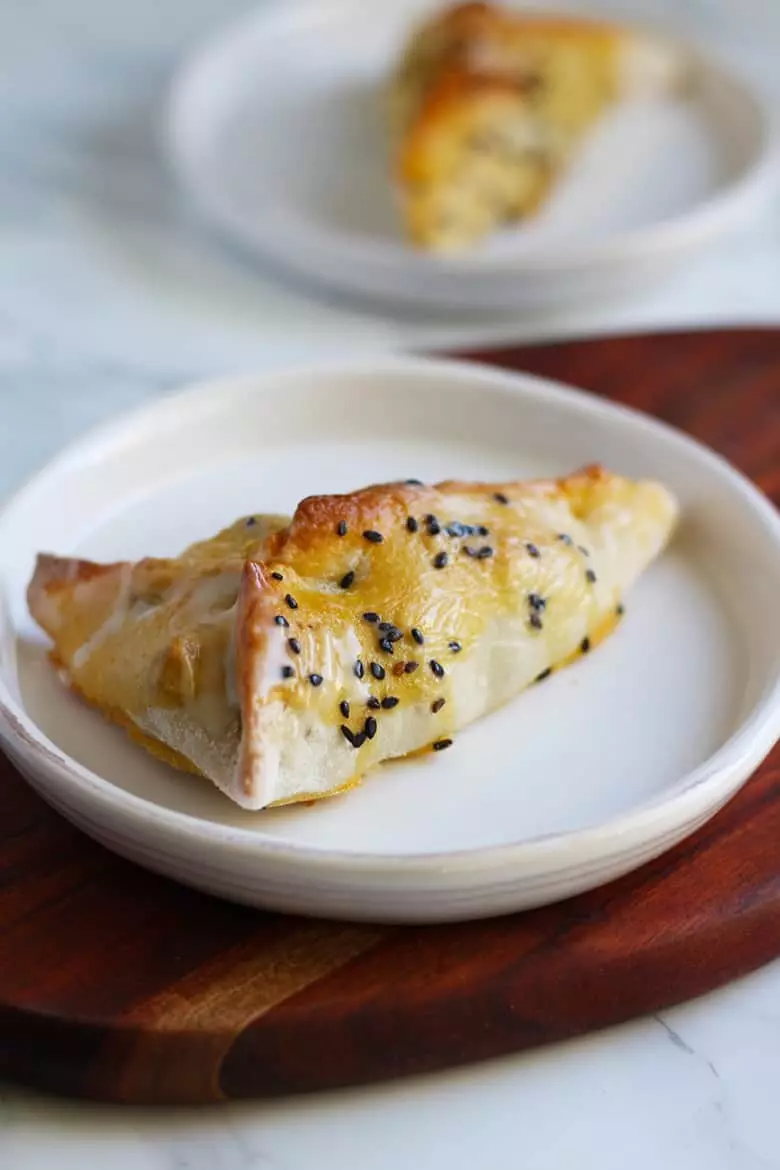
Lebanese Beef Fatayer

Lebanese Beef Fatayer

Lebanese Beef Fatayer


1 T. cooking oil

1 lb. of ground beef or lamb

1/2 yellow onion, peeled and diced

1 tsp. salt

3 cloves of garlic, minced

1/2 tsp. black pepper

1/2 tsp. paprika

1/2 tsp. ground cumin

1/2 tsp. ground coriander

1/2 tsp. ground cloves

1/4 tsp. cinnamon

1/4 tsp. nutmeg

1/3 cup of catsup

1/4 tsp. cayenne for heat (optional)

2 rolls of pre-made pizza dough from the refrigerated section

2 eggs

2 T. water


Pre-heat oven to 350F. Heat oil in large skillet over medium heat and cook onions for one minute. Add meat and salt and break up into small pieces. Continue to cook over medium heat uncovered until cooked through. Add garlic and spices, stir and cook for one more minute. Add catsup and stir well. Remove from heat and set aside. Remove pizza dough from packaging and roll out thinly on a floured surface. Use a small 6 inch bowl to make a template into the dough. Cut circles out with a sharp knife. Dust well with flour and stack in a pile for easier assembly. In a small bowl add egg and water and whisk with a fork until combined, set aside. In each circle add 2-3 Tbs of filling. Brush the edge of the dough with the egg wash and start the fold. Fold two sides about 1/3 of the way, pinching the sides closed as you go. Then take the middle of the remaining side and bring toward the pinched edge making two new seams. Pinch the two new seams closed. Place all on a baking sheet lined with parchment paper or sprayed with cooking spray. Brush all over with egg wash and sprinkle with sesame seeds (white or black). Bake for 15-20 minutes or until golden brown. Turn the baking sheet around half way through cooking. Remove from oven and rest for 5 minutes before serving.

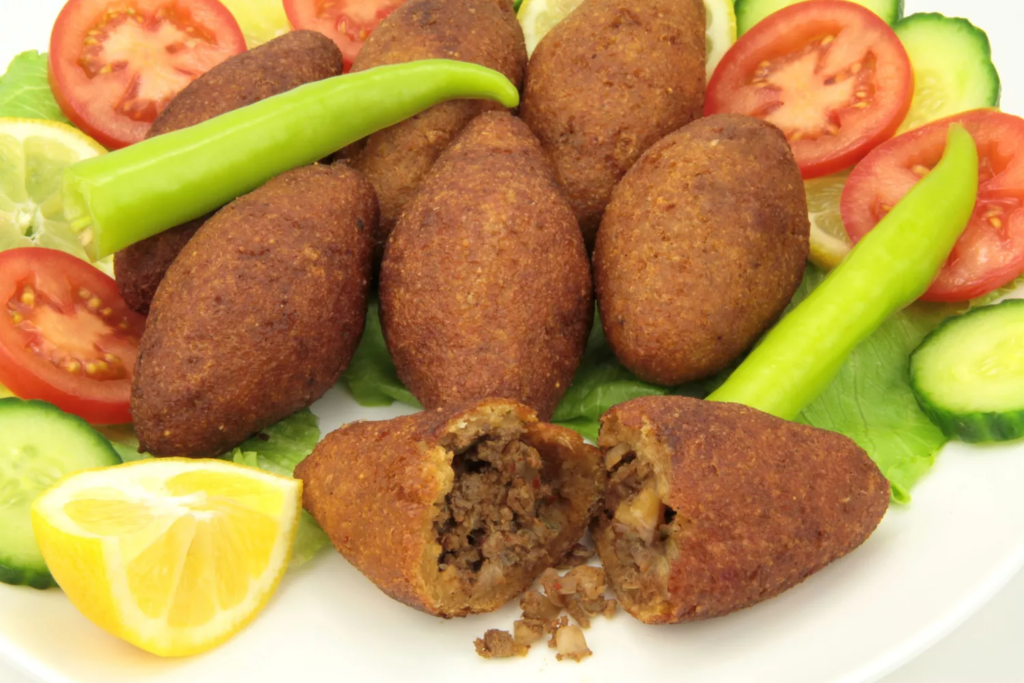
Içli Köfte (Turkish Stuffed Meatball)

Içli Köfte (Turkish Stuffed Meatball)

Içli Köfte (Turkish Stuffed Meatball)


1/4 pound ground beef

1 small onion, finely chopped

1/3 cup walnut halves, or shelled pistachios, ground

1/2 tsp. salt

1/2 tsp. freshly ground black pepper

1/2 tsp. paprika

1/2 tsp. hot red pepper flakes


1/3 cup fine bulgur

1 T. ground beef

1/2 tsp. freshly ground black pepper

1/2 tsp. salt

1/4 cup boiled mashed potato

1/2 large egg, beaten

1 small onion, grated

3 to 4 cups sunflower oil, or other light oil for frying

Fresh Italian parsley, for garnish


In a small skillet, fry 1/4 pound ground beef until just cooked. Add the onion and continue to stir until the onion softens. Add the ground nuts, salt, black pepper, paprika, and hot red pepper flakes and continue to sauté. When all the flavors have combined, remove the pan from the heat and let it rest. Make the Case: In a large mixing bowl, combine the bulgur, ground beef, black pepper, salt, potato, egg, and onion. Knead together for several minutes to form a dough. Break off walnut-size pieces of the dough and roll them into balls. With your index finger, push some of the meat and nut filling into the center of the dough and close the end. Shape the meatballs to be narrower at the ends and thicker in the middle in a kind of spindle or football shape. In a large skillet, heat a generous amount of sunflower oil. Fry the meatballs evenly on all sides until dark golden-brown. Place on paper towels to drain. Serve piping hot. Garnish with fresh Italian parsley and serve with a dipping sauce of plain yogurt mixed with grated cucumber and fresh dill.

Middle Eastern Macarona

Middle Eastern Macarona

Middle Eastern Macarona


2 T. olive oil, divided

big pinch of salt

3 heaped T. tomato paste, divided 2 oz or 70 g

1 pack elbow macaroni 14 oz or 400 g (you might not use it all, see notes)

1 onion, very finely diced

1 zucchini, finely diced

1 carrot, finely diced

4-5 garlic cloves, minced

250 g ground beef

1 tsp. seven spices

1 tsp. turmeric

1/2 tsp. paprika powder

1/4 tsp. basil

1/4 tsp. cinnamon powder

1/4 tsp. garlic powder

1/2 tsp. black pepper

1 tsp. salt

1 can crushed tomatoes 14.5oz (400g)


Bring a large pot of water to boil, add 1 T. olive oil and the salt, one T. of tomato paste, then the pack of pasta. Cook until al dente, then drain the pasta, reserving the pasta water. Set cooked pasta aside. In a large skillet, heat the remaining T. of olive oil. Once hot, add the diced onion, and cook for 4-5 minutes until softened. Add the diced zucchini and carrots, and garlic and cook for a further 4-5 minutes until softened slightly.

Add the ground beef, and cook, smushing with a wooden spoon to break up the meat. Keep cooking until the beef is browned and cooked through, then optionally, drain the fat. Add in the salt, pepper, and all the spices. Cook for another minute or so. Add the remaining 2 T. of tomato paste, and stir. Add the can of crushed tomatoes and stir to combine. Bring to a simmer, then add a big ladleful of the reserved pasta water and simmer for 2-3 minutes on low heat. Add the pasta to the sauce (I don’t always add all the pasta, maybe 3/4 of the cooked amount until the finished dish is as saucy as I like). Stir to coat, cook for another minute or so until the pasta is warmed through, then enjoy!


Creamy Tomato and Chickpea Soup

Creamy Tomato and Chickpea Soup

Creamy Tomato and Chickpea Soup


4 T. extra-virgin olive oil

4 T. finely chopped fresh coriander leaves (cilantro)

2 onions, minced

4 cloves garlic, crushed to a paste

2 cups (400 g) drained cooked or canned chickpeas

6 cups (1.5 liters) water

2 cups (450 g) stewed tomatoes (about 1 1 / 2 14.5-oz/411-g cans)

1 1 / 2 tsp. salt

1 tsp. ground cumin

1 / 2 tsp. ground black pepper

1 / 2 tsp. ground turmeric

Generous pinch of ground red pepper (cayenne)


Pour the oil into a large saucepan with a lid and place over medium heat. Add the coriander leaves and onion and sauté for 10 minutes, uncovered. Add the remaining ingredients, stir, and bring to a boil. Cover and cook over medium heat for 25 minutes. Remove from the heat and allow to cool slightly. Purée, then return to the saucepan, adding more water if desired. Reheat and serve.

Grandaddy’s Skillet Cornbread

Grandaddy’s Skillet Cornbread

Grandaddy’s Skillet Cornbread


2 C. self-rising cornmeal mix

2 T. butter, melted and cooled slightly

2 C. buttermilk

2 eggs, beaten

2 T. mayonnaise

1 T. shortening


In a bowl, combine all ingredients except shortening. Stir until creamy. Grease a cast-iron skillet well with shortening. Pour batter into skillet. Bake at 425 degrees for 15 minutes, or until a toothpick inserted in the center tests clean. Cut into wedges; serve warm. Makes 8 servings

Parmesan Supper Bread

Parmesan Supper Bread

Parmesan Supper Bread


1-1/2 C. buttermilk baking mix

1 T. sugar

1 T. dried, minced onion

1/2 tsp. dried oregano

1 egg, beaten

1/4 C. milk

1/4 C. white wine or water

1/4 C. grated Parmesan cheese


In a bowl, combine all ingredients except cheese. Mix with a fork until soft dough forms. Spread in a greased 8″ round cake pan; sprinkle with cheese. Bake at 400 degrees for 20 to 25 minutes, until golden. Cut into wedges and serve warm. Makes 6 to 8 servings.


Roasted Mushroom Cream Pizza Sauce

Roasted Mushroom Cream Pizza Sauce

Roasted Mushroom Cream Pizza Sauce


2 (8-ounce / 225-g) containers button mushrooms (make sure they’re clean, dudes— dust any dirt off with a paper towel)

3 T. extra-virgin olive oil

Fine sea salt and freshly ground black pepper

2 sprigs of rosemary, finely chopped

1 medium red onion, roughly chopped

1 cup (240 ml) heavy cream


Preheat the oven to 450°F (230°C). Toss the mushrooms with the olive oil, a couple of fat pinches of salt, and five turns on your pepper grinder. Spread them out on a baking sheet and roast for 20 to 30 minutes or until they lose their water and wrinkle a bit. Place the mushrooms with their juices, rosemary, onion, and cream in a food processor or blender. Purée until there are no big chunks or pieces, but don’t go too far or you’ll have butter. It should be smooth and spreadable. Taste and adjust the seasonings as desired. This will keep in fridge about 5 days

Best Pizza Dough, Period

Best Pizza Dough, Period

Best Pizza Dough, Period


Makes two 1-pound (454-gram) balls

(each makes a proper 16-inch 140.5-cm pie)


Important note while making dough: Turn your phone off and don’t speak; it’s a great time to listen, it’s a great time for new ideas, it’s not busy, you are present, and you are somewhere else. Making dough should be a calming, meditative process and a great time to think of new ideas about pizza, or about life in general.


114 cups (355 g) cool water

2 tsp. sugar

About 14 tsp. active dry yeast

1 T. extra-virgin olive oil

314 cups (500 g) all-purpose or bread flour

1 T. + 14 tsp. fine sea salt


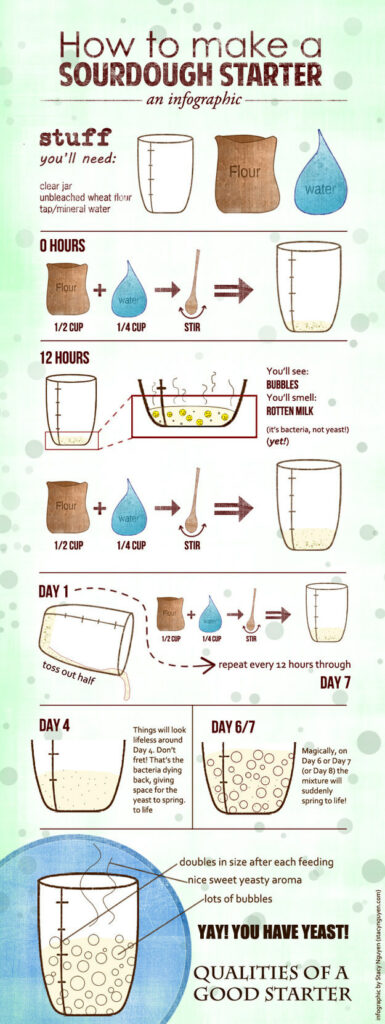
Pizza is bread. It’s really simple and a little complicated at the same time. Dough takes planning to develop good flavor, and if you do it right you’ll thank me later. You can make dough with a sourdough starter, but I’ve found that a nice, slow fermentation is more consistent and the results are always perfect. Sourdough can be unpredictable. Find yourself a nice all-purpose or bread flour. I use organic flour, but regular King Arthur will do fine. Traditionally, four ingredients are used in making dough (flour, water, salt, and yeast), but we’re adding sugar to help with fermentation and a little oil to relax and fatten the dough. It took me a couple of years to come up with this process, which produces a dough with excellent flavor, a crispy exterior, and a chewy interior. These measurements are in metric, as traditional Italian recipes always are. This is how I initially learned how to do it. They are more exact, which is vital in baking.

“Que Rico’’ Breakfast Tostada

“Que Rico’’ Breakfast Tostada

“Que Rico’’ Breakfast Tostada


8 large egg whites

Kosher salt

Freshly cracked black pepper

3 T. chopped scallions

Cooking spray or oil mister

1 cup fat-free refried beans

1 tsp. ground cumin

4 corn tostadas

1 cup reduced-fat Mexican cheese blend

1 fresh jalapeno pepper, thinly sliced, optional

1/4 cup pico de gallo, homemade or store-bought

1/2 medium (2 ounces) Hass avocado, cut into 1/2-inch chunks

4 sprigs of fresh cilantro, for garnish (optional)


Preheat the oven to 3 50°F. In a medium bowl, beat together the egg whites, TA tsp. salt, and a pinch of black pepper. Add the scallions and mix well. Heat a medium nonstick skillet over medium heat. When hot, lightly spray the pan with oil and add the eggs. Cook, stirring occasionally, until set, about 3 minutes. Remove the pan from the heat. In a medium bowl, combine the refried beans, cumin, and Vs tsp. salt. Arrange the tostadas on a baking sheet and spread *A cup of the bean mixture over each tostada. Top each with 1/3 cup of the scrambled egg whites, *A cup of the cheese, and a few slices of jalapeno. Bake the tostadas until the cheese melts, 4 to 5 minutes. Transfer the tostadas to serving plates. Top with pico de gallo and avocado, and garnish with cilantro, if desired.

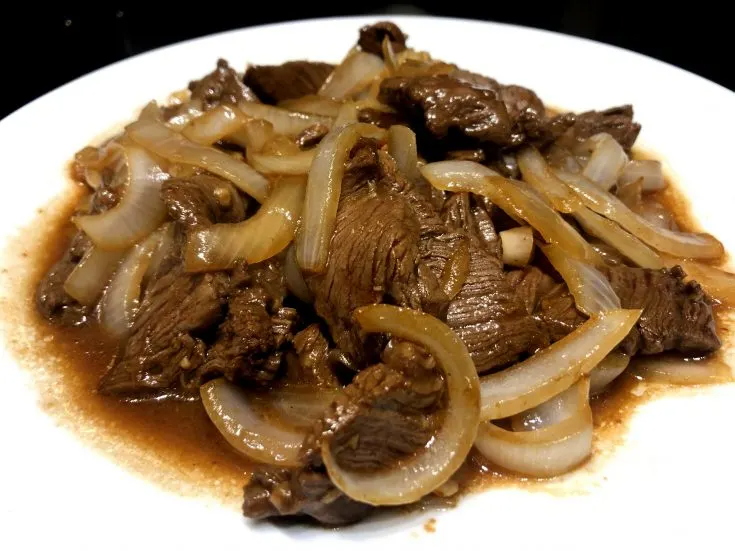
Beef & Onion Stir Fry

Beef & Onion Stir Fry

Beef & Onion Stir Fry


1 pound beef

1 T. soy sauce

1 T. oyster sauce

1 T. rice vinegar

1 T. sesame oil

1 T. cornstarch

1/2 tsp. sugar

1 T. cooking oil

1 medium onion


Slice beef and onions. Combine soy sauce, oyster sauce, rice vinegar, sesame oil, cornstarch, salt, and sugar in a large bowl or zip lock bag. If you are about to cook it, let it marinade at the very least 15-30 minutes. If you are making this ahead, cover and refrigerate for 30 minutes before cooking. In a large nonstick skillet, add 1 T. of oil over medium-high heat. Add the beef, and stir fry until mostly browned, and then add the sliced onions. Stir fry for about 4 minutes or until onions soften.

Chicken Pasta Wheel Salad

Chicken Pasta Wheel Salad

Chicken Pasta Wheel Salad


1 C. cooked pasta

½ C. chopped cooked chicken

¼ C. diced cucumber

¼ C. diced celery

2 T. sliced black olives

6 cherry tomatoes, sliced in half

¼ C. carrot, julienned

2 T. olive oil

2 tsp. apple cider vinegar

¼ tsp. Italian seasoning

salt and black pepper to taste


In a small bowl combine the olive oil, apple cider vinegar and Italian seasoning. In a large bowl place the pasta, chicken, cucumber, celery, black olives, tomatoes and carrot. Add the olive oil mixture, season to taste with salt and black pepper and toss to combine. Pack it in a lunchbox with a fresh fruit for a nutritious and satisfying meal.

Apple Cheese Wraps

Apple Cheese Wraps

Apple Cheese Wraps


1 granny smith apple

1 slice lemon

2 slices cheddar cheese, cut in half

2 slices deli turkey or ham, cut in half


Slice the apple into 1/2 inch thick slices. Rub the apple with the lemon wedge to prevent from going brown. Slice the cheddar cheese into 1/2 inch wide slices and the ham in 1/2 or in 1/4 (the ham needs to be large enough to wrap around the apple). Place an apple slice and a cheese slice on top of the deli meat and fold over deli meat to wrap.

Skillet Spanikopita

Skillet Spanikopita

Skillet Spanikopita


8 T. unsalted butter (1 stick)

2 medium leeks (about 1 1/2 pounds), white and pale-green parts only, halved lengthwise and thinly sliced crosswise (about 3 C.)

6 garlic cloves, chopped

Kosher salt and black pepper

1 ½ pounds fresh baby spinach

¾ C. chopped fresh parsley leaves

½ C. chopped fresh dill

½ C. freshly grated Parmesan

2 tsp. lemon zest, plus 2 tsp. juice (from 1 large lemon)

Pinch of ground nutmeg

2 large eggs, beaten

6 ounces fresh Greek sheep’s-milk feta in brine, drained and crumbled (about 1 1/2 C. feta)

8 sheets phyllo dough of any size, thawed, laid flat on a sheet pan and loosely covered with a towel


In a large (preferably 10-inch) cast-iron skillet, melt 3 T. butter over medium heat. Add the leeks and garlic, season generously with salt and pepper, and cook, stirring occasionally, until tender, about 5 minutes. Add one large handful of spinach at a time, sprinkle lightly with salt and pepper and stir until wilted, until you’ve added and seasoned all of the spinach and the mixture is thoroughly combined, about 12 minutes. Remove the skillet from the heat and let cool. Arrange an oven rack in the middle position, and heat the oven to 400 degrees. In a large bowl, combine the parsley, dill, Parmesan, lemon zest and juice, and nutmeg, and stir to combine. Working with about 1 C. at a time, transfer the spinach mixture to a fine-mesh strainer or sieve set in the sink and press the mixture to remove as much liquid as possible, then add to the parsley mixture. Stir to combine, and season to taste with salt and pepper. (Feta is salty, so season very lightly with salt here.) Stir in the eggs, then gently fold in the feta, doing your best to leave the larger chunks intact. Prepare the phyllo crust: Wipe the skillet clean with a paper towel. In a small saucepan over low heat or in a microwave-safe bowl in the microwave, melt the remaining 5 T. butter; set aside. Brush the bottom and sides of the skillet with melted butter. Working quickly with one phyllo sheet at a time, lightly brush the top of one sheet with butter, then lay it in the skillet, buttered-side up, with an overhang on all sides. Gently press it in to eliminate any large air bubbles between the phyllo and the pan. Repeat with the remaining phyllo sheets, rotating each sheet in a different direction as you add it. Spoon the spinach-feta mixture into the skillet, spreading in an even layer. Working with one tip of overhanging phyllo dough at a time, starting with the top layer first, lift it over the spinach-feta mixture and toward the center of the pan, loosely crinkling it as you go. Repeat with all of the phyllo sheets, then lightly brush the exposed surface of the phyllo with butter. (You should have a circle of uncovered spinach-feta mixture in the center, surrounded by a ring of crinkled phyllo dough.) Cook over medium heat on the stovetop for about 5 minutes to crisp the bottom crust. Transfer to middle rack of the oven, and bake until phyllo is golden and the filling is warmed, 20 to 25 minutes. Remove from oven, and let sit 10 minutes to cool and firm up. Sprinkle small sprigs of parsley and dill over the spinach-feta mixture, if desired. Slice into 6 to 8 wedges to serve. The spanakopita can be served warm or at room temperature.
Seared Radicchio with Creamy Miso Vinaigrette

Seared Radicchio with Creamy Miso Vinaigrette

Seared Radicchio with Creamy Miso Vinaigrette


For the vinaigrette:

3 T. mayonnaise

1 T. Dijon mustard

2 T. rice vinegar

1 clove garlic, pressed in a garlic press

1 T. white miso

Herbs, finely chopped (I like tarragon or thyme as well as chopped chives)

1 tsp. honey (optional)


For the radicchio:

2 T. olive oil

2 smaller heads of Chioggia, Verona or Treviso radicchio

1/2 c. roasted hazelnuts, crushed


To make the vinaigrette, combine the ingredients in a small mixing bowl and whisk together. Slice the heads of radicchio in quarters, leaving the core intact so the leaves will stay together. (The cores will soften while searing and be quite lovely.) Heat the olive oil in a large frying pan and place the quartered wedges cut-side down and sear until very dark brown (don’t worry if they look blackish…that’s good). Turn and sear the other cut side, then turn onto the back and sear. Remove to a serving plate and drizzle with vinaigrette and sprinkle with crushed, roasted hazelnuts. Serve warm.

Avocado Caesar Dressing

Avocado Caesar Dressing

Avocado Caesar Dressing

1/2 avocado

1 egg yolk

1 lg. clove garlic

1/2 tsp. salt

6 anchovy filets

1/4 c. lemon juice

1 c. olive oil

2 T. chopped chives

Freshly ground pepper, to taste

Chive blossoms (optional)


Place avocado, egg yolk, garlic, salt, anchovy filets and lemon juice in bowl of food processor and process briefly to combine. While processor is on, drizzle olive oil in a thin stream through the feed tube until it emulsifies. Pour out into medium mixing bowl and stir in chopped chives and freshly ground pepper. Toss dressing with salad greens and garnish with chive blossoms.

Brie and Apricot Toast

Brie and Apricot Toast

Brie and Apricot Toast


1 baguette

⅓ C. (100 grams) apricot preserves, divided

4 T. (56 grams) butter, divided

½ C. (80 grams) dried apricots

4 ounces (113 grams) thinly sliced prosciutto

4 ounces (113 grams) brie

A few sprigs fresh thyme


Preheat oven to 350°F with a rack in the center. Cut the baguette into six sections and halve each section lengthwise. Or, for appetizers, slice the baguette on the bias. Line a sheet pan with parchment paper. Place sections, cut sides up, in a closely spaced single layer on the pan, leaving some room for the apricots. In a small bowl, melt one T. of the butter in the microwave. Stir it together with two T. of the apricot preserves. Add the dried apricots and stir to coat evenly. Place apricots in a single layer in the remaining space on the sheet pan. Bake for about 10 minutes, until bread is very lightly toasted and apricots are a bit sticky and jammy. Spread each baguette piece with some of the remaining butter and apricot preserves. Drape with a slice of prosciutto and top with a slice or two of brie and a couple of jammy apricots. Garnish with thyme and serve.


Notes: You can use any kind of good crusty bread that you like, but a simple baguette is just right. You can choose whether to cut it into larger segments for a more substantial presentation or thinly slice it on the bias for three-bite hors d’oeuvres. You can substitute a different cheese if you like. Good options include camembert, manchego, gorgonzola dolce, a good extra-sharp cheddar, or fresh goat cheese. For a vegetarian version or if you’re just not into prosciutto, it’s okay to simply leave it out. The other flavors will still make a fantastic combo. We prefer to make these toasts right before serving, especially since they only take about 20 minutes from start to finish. If you need to, you can toast the bread and warm up the apricots in advance, then assemble right before serving.

Yellow Cake with Chocolate Frosting

Yellow Cake with Chocolate Frosting

Yellow Cake with Chocolate Frosting


2 C. (256 grams) cake flour (not self-rising)

2 tsp. (8 grams) baking powder

½ tsp. (3 grams) fine sea salt

8 T. (112 grams) unsalted butter, softened

1 C. (200 grams) sugar

3 large eggs, left at room temperature for 30 minutes

1 ½ tsp. (7 ml) vanilla extract

¾ C. (177 ml) whole milk

For the chocolate frosting

5 ounces (142 grams) semi-sweet chocolate chips

½ C. (120 grams) sour cream

1 T. (15 ml) whole milk

1 tsp. (5 ml) vanilla extract

Pinch of fine sea salt

Rainbow sprinkles


Preheat oven to 350°F with a rack in the center. Butter and flour an 8 x 8-inch baking pan, tapping out any excess flour. Into a medium mixing bowl, sift together the flour, baking powder, and salt. In a large mixing bowl or the bowl of a stand mixer fitted with the whisk, beat butter and sugar together on medium-high until pale and fluffy, about 5 minutes. Beat in the eggs one at a time until incorporated. Add vanilla and beat for 5 minutes more. Reduce mixer speed to low and alternate between adding the flour mixture (in 3 parts) and the milk (in two parts), starting and ending with flour. Mix just until batter is smooth — do not overmix. Spread batter into pan and bake for 30-35 minutes, just until a cake tester comes out clean from the center. Cake will be pale, not brown. Cool completely before frosting. For the chocolate frosting Melt the chocolate chips in a double boiler or in short bursts (about 30 seconds each) in the microwave, stirring between bursts. When melted, stir in sour cream, milk, vanilla and salt until smooth and glossy. Spread immediately onto cooled cake. Decorate with sprinkles. Frosting will set over time.

Disappearing Zucchini Orzo

Disappearing Zucchini Orzo

Disappearing Zucchini Orzo


1 pound orzo pasta

3 T. olive oil

1 medium yellow onion, finely diced

6 garlic cloves, minced

3 large zucchini, shredded

2 tsp. fresh thyme leaves

Juice and zest of 1 lemon

½ C. grated Pecorino Romano or Parmigiano-Reggiano cheese (more to taste)

Salt and freshly ground black pepper


Cook the orzo in well salted water according to package directions. Meanwhile, heat the olive oil in a 12-inch nonstick skillet over medium heat. Add the onions, garlic, and a big pinch of salt and cook, stirring frequently, until the onion is beginning to soften. Add the shredded zucchini and the thyme and raise heat to high. Cook, stirring occasionally, until the squash releases its juices and they cook off. The zucchini will reduce in size by at least half and may begin to brown slightly. Turn off the heat and immediately add the drained orzo, lemon juice and zest, and cheese, along with salt and pepper to taste. Stir well but gently to combine. Serve warm or at room temperature

Pan-Seared Shrimp with Parsley Lemon-Butter

Pan-Seared Shrimp with Parsley Lemon-Butter

Pan-Seared Shrimp with Parsley Lemon-Butter


3 T. butter, softened

1 medium garlic clove, minced

1 T. lemon juice

2 T. fresh parsley leaves, chopped

1⁄8 tsp. salt

2 T. vegetable oil

1 1⁄2 lb. shrimp, peeled and deveined (21/25 count)

1⁄4 tsp. salt

1⁄4 tsp. pepper

1⁄8 tsp. sugar


Beat butter with a fork in a small bowl until light and fluffy. Stir in garlic, lemon juice, parsley and 1/8 tsp. salt until combined. Set aside. Heat 1 T. oil in a 12-inch skillet over high heat until smoking. Meanwhile toss shrimp, salt, pepper and sugar in a medium bowl. Add half of shrimp to pan in a single layer and cook until spotty brown and edges turn pink, about 1 minute. Remove pan from heat; using tongs, flip each shrimp and let stand until all but very center is opaque, about 30 seconds. Transfer shrimp to a large plate. Repeat with remaining oil and shrimp; after second batch has stood off heat, return first batch to skillet along with flavored butter and toss to combine. Cover skillet and let stand until shrimp are cooked through, 1 to 2 minutes. Serve with lemon wedges if desired.

Crispy Fried Eggs with Spinach and Pine Nuts

Crispy Fried Eggs with Spinach and Pine Nuts

Crispy Fried Eggs with Spinach and Pine Nuts


3 T. extra virgin olive oil

200g baby spinach

Sea salt

A squeeze of lemon juice

2 large eggs

1 heaped tsp. finely sliced medium-hot red chilli

1 heaped tsp. finely grated fresh ginger

20g pine nuts

2 warm flatbreads, to serve


Heat a couple of tsp. of oil in a large nonstick frying pan over a medium heat and stir-fry the spinach until it wilts, adding it half at a time, and lightly seasoning with salt at the end. Spread this over the base of two warm dinner plates and squeeze over a little lemon. Heat another T. of oil in the pan, break in the eggs and fry for about 3 minutes until the edges are lacy and crisp, separating the whites if they touch and basting the yolk with the oil until it turns opaque (I confess to wearing rubber gloves for this to avoid any spitting fat). Slip these out of the pan on top of the spinach using a spatula, leaving the oil behind. Turn down the heat a little, stir the chilli and ginger into the oil and briefly fry before adding the pine nuts, then stir-fry until they are golden and the ginger crisp. Spoon this mixture over the egg and spinach. Serve accompanied by the flatbreads.

Tomato & Beetroot Salad

Tomato & Beetroot Salad

Tomato & Beetroot Salad


1 T. balsamic vinegar

Sea salt, black pepper

1 banana shallot, peeled and very finely chopped

2 heaped T. finely snipped chives

5 T. extra virgin olive oil

200g cooked and peeled beetroot (unvinegared)

3 beef tomatoes (around 250g each)

8 slices serrano ham


Whisk the balsamic vinegar with a little seasoning in a large bowl then add the shallot, half the chives and the oil. Slice the beetroot wafer thin then stir the slices into the vinaigrette. Thinly slice the tomatoes across the center. Lay the slices out on a board and season with salt. Now arrange the slices between four plates, layering the beetroot slices in between. Spoon over any remaining dressing. Scatter with the remaining chives and serve with the ham.

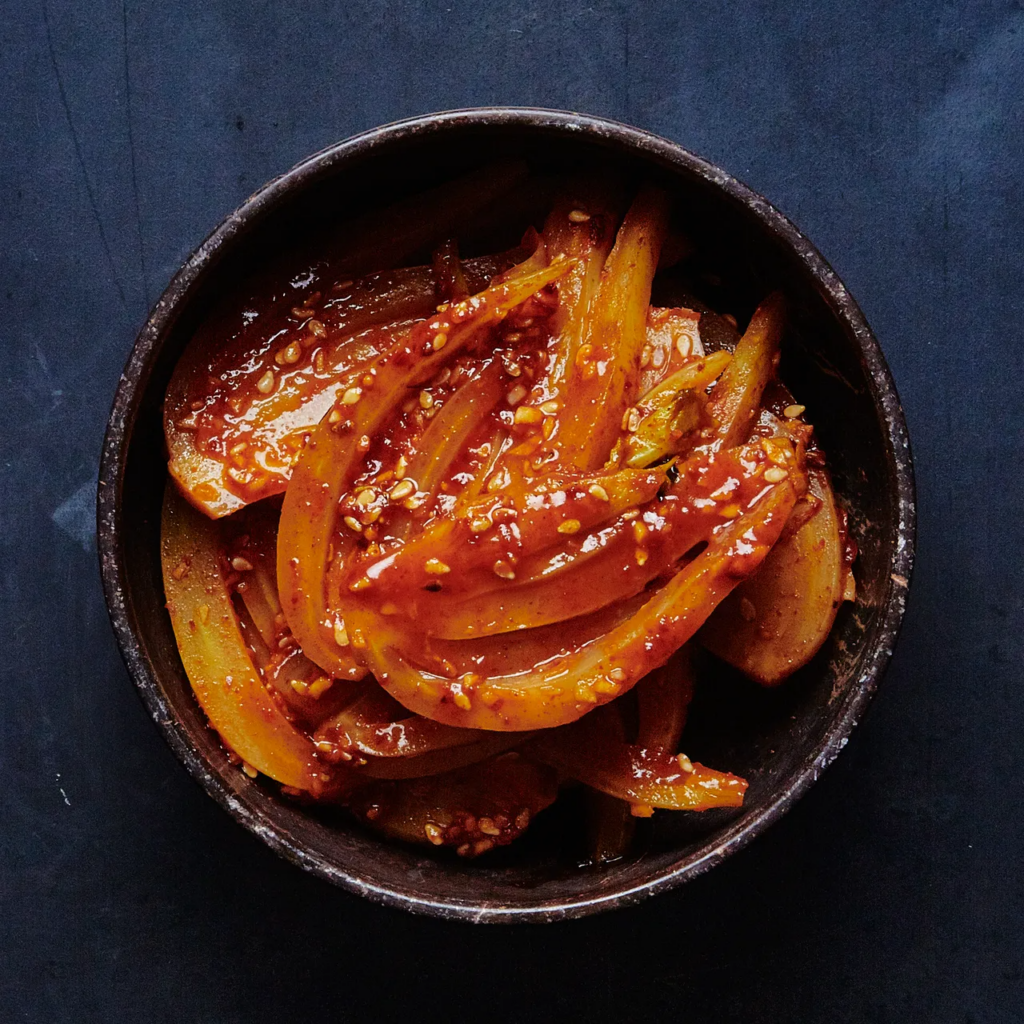
Crunchy Gochujang Fennel

Crunchy Gochujang Fennel

Crunchy Gochujang Fennel


1 large fennel bulb, stems and dark green parts removed

Kosher salt

1 ½” piece ginger, peeled, finely chopped

1 small garlic clove, finely chopped

2 T. gochujang (Korean hot pepper paste)

1 T. plus 1½ tsp. unseasoned rice vinegar

1 T. honey

1 T. toasted sesame oil

1½ tsp. gochugaru (coarse Korean hot pepper flakes)

1½ tsp. toasted sesame seeds


Slice fennel bulb into quarters lengthwise through the core. Cut out core; discard. Slice bulb lengthwise ¼” thick. Cook in a large saucepan of boiling salted water until just beginning to soften and turn translucent, about 2 minutes. Using a slotted spoon, transfer to a bowl of ice water and let cool. Drain; pat dry with paper towels. Whisk together ginger, garlic, gochujang, vinegar, honey, oil, gochugaru, and sesame seeds in a medium bowl. Add fennel and toss to coat; season with salt. Do Ahead: Fennel can be made 4 days ahead. Cover and chill.

Red-Braised Oxtail

Red-Braised Oxtail

Red-Braised Oxtail


3 lb. of oxtail (about 5 pieces, a mix of large and small)

5 cloves of garlic, minced

2-inch piece of ginger, sliced

6 star anise

3 dried red pepper

1 bay leaf

5 T. of soy sauce

1/2 C. of rice wine

1 T. of brown sugar

salt to taste

oil as needed

water as needed

1/2 turnip, cut into chunks

green onions for garnish


Heat oil up in a pan, and brown all sides of the oxtail for about 7 – 10 minutes; set aside. In the same pan, on medium-low heat, put in all of the dry ingredients: garlic, ginger, star anise, dried red pepper, and bay leaf; stir fry until fragrant. Then add the wet ingredients: soy sauce and rice wine; then add the sugar and salt to taste. After stirring the mixture a little, add the oxtails back into the pan and turn up the heat.

Wait for the mixture to boil, then pour in more water to cover about halfway. At this point, turn the heat to low and simmer 2-3 hours. About 30 minutes before serving, add in the turnip. As the turnip cooks with the rest of the dish, you can uncover or cover the pan. If you cover it, you will have more sauce/soup and if you decide to uncover, the dish will taste more flavorful. Garnish with chopped green onions.

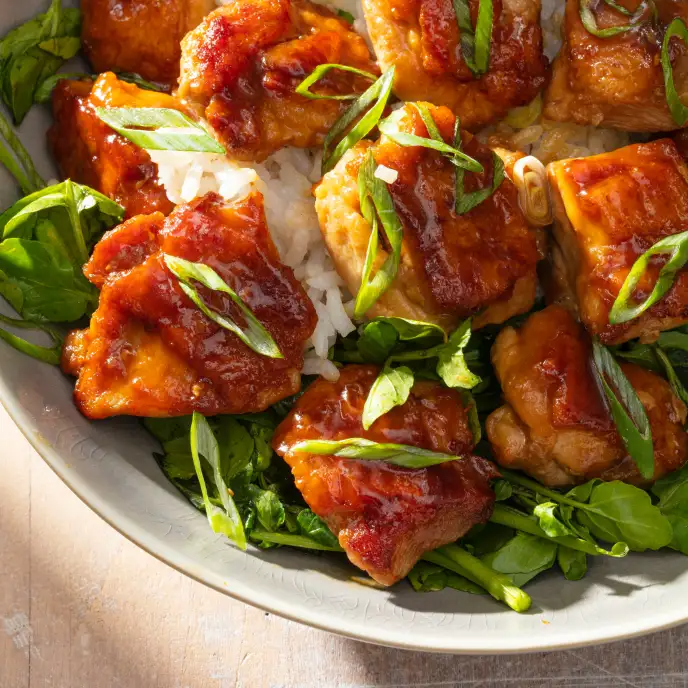
ATK Chicken Teriyaki

ATK Chicken Teriyaki

ATK Chicken Teriyaki


8 bone-in, skin-on chicken thighs (about 5 ounces each), trimmed of excess fat and skin

Ground black pepper

2 tsp. vegetable oil

1/2 C. soy sauce

1/2 C. sugar

2 T. mirin

1/2 tsp. grated fresh ginger

1 medium clove garlic, minced or pressed through garlic press (about 1 tsp.)

1/2 tsp. cornstarch

1/8 tsp. Red Pepper Flakes

2 Scallions, sliced thin


Whisk soy sauce, sugar, mirin, ginger, garlic, cornstarch and red pepper flakes together in a small bowl. Pat chicken dry and season with pepper. Heat oil in 12” non-stick skillet over medium-high heat until shimmering. Carefully lie thighs skin side down. Cook until chicken is well browned and skin crispy, about 15 minutes. (You may want to weigh the chicken down with a heavy pot while it cooks to make sure the skin touches the hot pan.) If they are browning too quickly, turn heat down. Flip and cook until thickest part of the thigh reaches 170-175 on instant read thermometer, 5-10 minutes longer. Transfer to plate, tent with foil, and set aside. Pour off fat from skillet. Whisk soy mixture again then add to skillet and bring to simmer over medium heat. Nestle chicken in skillet, skin side up and spoon some sauce over the top. Simmer until sauce is thickened and glossy, 2 minutes more. Transfer to platter and garnish with green onions.

Tuscan-style White Bean Spread with Capers

Tuscan-style White Bean Spread with Capers

Tuscan-style White Bean Spread with Capers


1 15-oz. can cannelini beans, drained (or use 2 c. cooked white beans)

1 medium clove garlic

1/2 tsp. salt, plus more to taste

1 tsp. dried thyme

1 1/2 T. lemon juice

3 T. olive oil

1 T. capers (or more if you adore them like I do)

1-2 T. parsley, minced (optional)


Put beans, garlic, salt, thyme, lemon juice and olive oil in food processor and process until smooth. Using a spatula, scoop bean purée into medium-sized bowl and add capers and parsley. Stir to combine and adjust salt. Serve with bread, pita or crackers.

Charred Shishito Pepper

Charred Shishito Pepper

Charred Shishito Pepper


1 T. safflower oil (or other high-heat cooking oil)

12 ounces shishito or Padrón peppers, washed and dried well

Flaky sea salt, such as Maldon


In a 12-inch cast iron skillet, warm the oil over medium heat until shimmering. Add peppers and cook, tossing frequently with tongs, until soft and blistered in many spots, about 10 minutes. Sprinkle with lots of flaky sea salt and serve (with spicy mayo if you like).

Benjamin Schade’s Corn Soup

Benjamin Schade’s Corn Soup

Benjamin Schade’s Corn Soup


10 ears of corn

3 med. yellow onions, diced finely

1/4 c. butter

2 qts. corn stock

Salt

Dash of Crystal hot sauce (or tabasco)


Cut the kernels from the ears of corn. (Schade recommends placing the cob on a cutting board and slicing one side of the kernels from the cob. Rotate the cob so the cut side is against the board and slice the second side. Repeat on the last two sides of the cob. See photo above.) You can also then scrape the cobs with a knife or a handy little tool called a corn slitter to remove any remaining kernels and juice. If you need corn stock, place the scraped cobs in a large pot (a Dutch oven or pasta pot) and barely cover with water. Bring to a boil, then reduce heat to simmer for 30 minutes. Strain through a fine mesh sieve. While simmering the stock, chop the onions. Melt butter in a large pot and add onions. Sauté until translucent, stirring constantly to avoid browning. (Schade says it’s critical not to brown the onions.) Add corn kernels and stir to combine then add corn stock and bring to a simmer. Simmer 5 minutes. (Remember Gibson’s advice: do not cook the corn!) Remove from heat and immediately strain the corn mixture through a sieve or colander, reserving the stock for another use. Put the corn in a blender, making sure not to overfill the blender; you can do this in batches—remember that hot liquids can explode out of a blender, so Schade advises holding down a thick towel over the lid of the blender while running it. Purée until completely smooth. Strain through a fine mesh sieve into a large soup pot. If you’re straining several batches, you can add strained bits of corn mixture back to the next batch to purée and strain. Discard the strained remains in the compost. Schade stresses that it’s better for the soup to be thick since extra liquid can be added to thin out the soup but extra liquid can’t be removed. Start thick and thin to perfect texture. When all the corn mixture has been strained into the soup pot, add 1 tsp. of hot sauce and salt to taste. (Schade recommends no more than 1 T. hot sauce for 2 quarts of soup; he said “the hot sauce is not for heat but for the vinegar to brighten the flavor.”) Heat briefly before serving, taste for seasonings and garnish with a pat of butter and grinding of pepper.

Penne alla Vodka Casserole

Penne alla Vodka Casserole

Penne alla Vodka Casserole


1 lb. penne

4 T. butter

1/2 med. onion, chopped in 1/4″ dice

1 T. red pepper flakes

1 qt. roasted tomatoes (or 1 28-oz. can tomatoes)

3 mild Italian sausages (~1 lb.) sliced crosswise in 1/4″ coins

1 c. vodka

1 tsp. dried oregano

1 c. sour cream or whipping cream

1 c. Parmigiano-reggiano cheese, grated

Salt to taste


In a heavy-bottomed sauté pan or skillet, melt the butter and add onion and red pepper flakes. Cook over medium-low heat until onion is translucent. Stir in the whole tomatoes with liquid and simmer for one hour. Add the sausage coins, vodka and oregano and continue to simmer for another hour. Turn the heat to medium high, add sour cream (or cream) and stir constantly for 10 minutes. Reduce to simmer and to cook for another 30 minutes. Preheat oven to 450 degrees. During the final half hour of simmering the sauce, bring 4 quarts of water to boil in a large pot. Drop the pasta in the boiling water and cook, stirring frequently until tender but still firm to the bite, a little less done than usual “al dente.” Drain well, put back in pasta pot, add sauce, then toss pasta with sauce and 2/3 C. grated cheese. Adjust for salt. Pour into 2 3/4-qt. casserole dish and top with remaining cheese. Bake for 15 minutes. Remove from oven and serve.

Asparagus Risotto with Sorrel Pesto and Preserved Lemon

Asparagus Risotto with Sorrel Pesto and Preserved Lemon

Asparagus Risotto with Sorrel Pesto and Preserved Lemon


For the pesto:

2 c. sorrel leaves (some peppery arugula or spinach would be fine, too)

2 c. cilantro or parsley

3 cloves garlic

1/4 c. pine nuts or filberts (aka hazelnuts)

1/2 c. olive oil

1/2 c. grated parmesan


For the risotto:

1 lb. asparagus, peeled, trimmed and cut into one-inch-long pieces, tips reserved

2 T. extra virgin olive oil

3 T. butter or margarine

1/2 onion, diced

1 T. garlic, finely chopped

2 c. arborio rice

1 c. white wine

4 c. chicken or vegetable stock

1/2 c. sorrel pesto

1/2 c. grated Parmesan cheese

1/2 c. preserved lemon, chopped (or zest of one lemon)

Salt to taste


To make the pesto, place the sorrel, cilantro, garlic and pine nuts in the bowl of a food processor. Begin processing while slowly adding the olive oil until the mixture is a smooth purée, scraping down as necessary with a spatula. Remove to a bowl and stir in the half C. of parmesan. Clean the processor, then put half of the chopped asparagus stalks in the food processor and add just enough water to make a smooth purée; set aside. Put stock in a medium saucepan over very low heat. Then, in a deep skillet or large saucepan, heat oil and butter over medium heat. When it is hot, add onion and garlic, stirring occasionally until it softens, 3 to 5 minutes. Add rice and cook, stirring occasionally, until it is glossy, about 2 to 3 minutes. Add white wine, stir, and let liquid absorb into the rice. Add warmed stock, 1/2 C. or so at a time, stirring occasionally. Each time stock has just about absorbed into the rice, add more. When you have used about half the stock, add the puréed asparagus and asparagus tips, then continue to add stock as necessary. In 5 minutes or so, begin tasting rice. You want it to be tender but with a bit of crunch; it could take as long as 30 minutes total to reach this stage. Add a half C. of the pesto, preserved lemon and parmesan and stir briskly, then remove from heat. Taste and adjust salt. (Risotto should be slightly soupy.) Serve immediately.

Turmeric Rice with Dried Tangerine Peels

Turmeric Rice with Dried Tangerine Peels

Turmeric Rice with Dried Tangerine Peels


2 T. butter

2 T. olive oil

1/2 onion, chopped fine

3 cloves garlic, chopped fine

2 C. jasmine rice

1 T. turmeric

4 C. chicken broth

3 bay leaves

1 tsp. thyme

1 T. dried tangerine, clementine or mandarin peel (see method, below)

2 tsp. salt

1-2 tsp. red pepper flakes (optional)


Remove peels from citrus. Slice into 1″ long by 1/8″ strips. Place on parchment paper-lined sheet pan (or a smaller-sized pan if you’re just doing a couple). Place pan in oven at lowest setting (100-150°) for 45 min. to 1 hour. Check to see if they’re dry but not crispy. If they’re still moist, keep drying and checking every 10 min. or so. In a wide, flat-bottomed pan or deep skillet, heat the butter and olive oil over medium-high heat. When it shimmers, add onion and garlic and sauté until onion is translucent. Add rice and turmeric and stir to combine. Add broth, bay leaves, thyme, dried peels, salt and red pepper flakes and stir briefly to combine. Bring to a boil, reduce heat to low and cover. Simmer 20 minutes or until all liquid is absorbed and rice is tender (add more liquid if rice isn’t done). Taste for salt and adjust.

Salmon Piccata with Lemon Miso Sauce

Salmon Piccata with Lemon Miso Sauce

Salmon Piccata with Lemon Miso Sauce


2 T. olive oil

1 T. butter or margarine

1 T. garlic, chopped fine

1/2 c. fish or chicken stock

1/2 c. fresh lemon juice

2 T. capers

1 T. cornstarch

1 tsp. red pepper flakes

1 T. white miso (optional)

1 T. parsley, chopped fine, for garnish (optional)

1 1/2 lbs. salmon fillets


Preheat oven to 350°. In a medium saucepan, heat oil and butter over medium heat. Add garlic and very briefly sauté until it’s just warmed. Add lemon juice and stock and heat until it barely comes to a boil. Reduce heat to low, add capers and miso and stir to combine. Add a small amount of water to the cornstarch to make a thin paste. Add cornstarch to sauce while stirring and allow to thicken slightly. Place fish fillets in a 9″ by 12″ baking dish. Pour sauce over the top and roast in oven for 20-25 minutes until fish is cooked through.

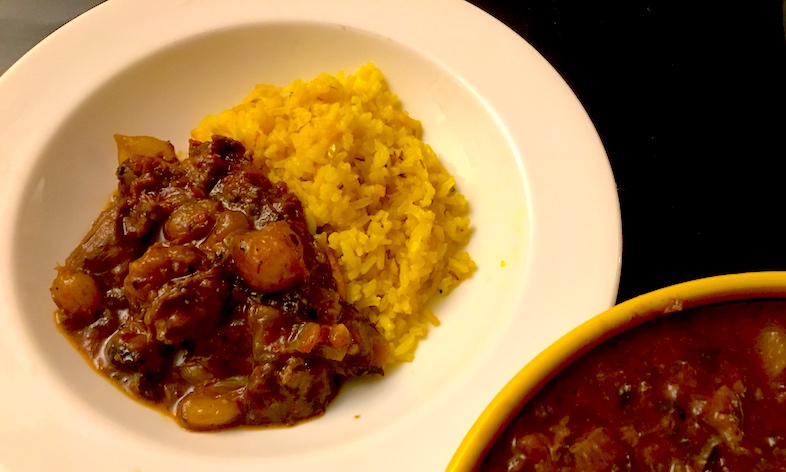
Stifatho (Greek Beef Stew)

Stifatho (Greek Beef Stew)

Stifatho (Greek Beef Stew)


3 T. olive oil
3 lbs. beef chuck, cut in 1 1/2″ cubes
1/2-1 c. flour
3 lbs. pearl onions (approx. 3 14-oz. packages frozen) or 3 large yellow onions, cut in 1/2″ dice
2 c. canned or roasted tomatoes
1/2 c. red wine vinegar
5 cloves garlic, minced
1 T. oregano
3 bay leaves
1 T. fish sauce
1 stick cinnamon (optional)
2 T. brown sugar or to taste
Salt and pepper


Preheat oven to 350°. Heat oil in large Dutch oven over medium-high heat. Put flour in a 1 gallon zip-lock bag with a generous amount of salt and pepper and shake to combine. Add 8-10 cubes meat to the bag and shake to cover them with flour, working in batches to do all of the meat. You only want a dusting on each piece, so shake them off to make sure they’re not clumped with flour. Heat oil in a large Dutch oven. When oil is hot, add floured cubes to the pan, making sure not to crowd them. Brown them well on at least two sides. This will require several batches, so as they brown remove them to a plate or bowl. When all the cubes are browned, put them back in the Dutch oven and add onions, tomatoes, vinegar, garlic, oregano and bay leaves. Place in oven for 90 minutes. Remove from oven. At this point you can either serve it later or finish seasoning the stew. If you’re making it ahead you can cool it and either keep it in the refrigerator or transfer it to containers and freeze it. When you’re ready to heat it for serving, thaw it or pull it out of the refrigerator and remove the fat that has solidified and proceed as below. To finish the stew, stir in the fish sauce and cinnamon stick and heat on the stovetop. Taste, adding salt as needed, and when you can just detect the cinnamon flavor, remove the stick or it will dominate the stew. If it’s overly vinegary for you, start adding brown sugar a T. at a time, stirring it in and letting the stew sit for a few minutes before tasting again, since the vinegar flavor will get milder as it rests. The thing you want to avoid is a baked-bean sweetness, so add a splash of additional vinegar if that happens.

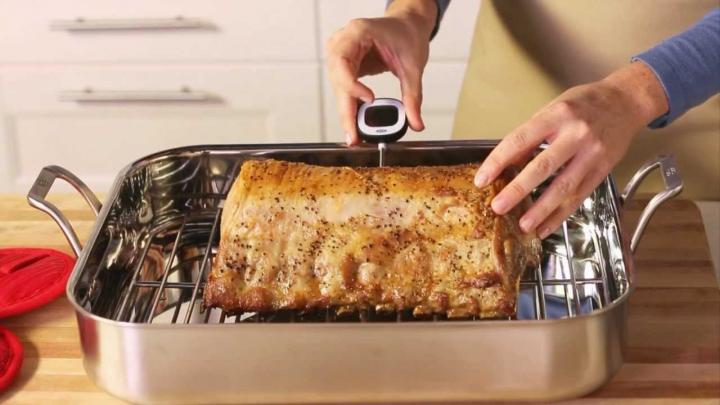
Cooking and Serving Meat Temperatures

Cooking and Serving Meat Temperatures

MEAT TYPE COOK TO SERVE AT
Beef/Lamb
Rare 115–120°F 125°F
Medium-Rare 120–125°F 130°F
Medium 130–135°F 140°F
Medium-Well 140–145°F 150°F
Well-Done 150–155°F 160°F
Ground Beef
Medium-Rare 125°F 125°F
Medium 130°F 130°F
Medium-Well 140°F 140°F
Well-Done 160+°F 160+°F
Pork
Medium 140–145°F 150°F
Well-Done 150–155°F 160°F
Chicken/Turkey
White Meat 160°F 160°F
Dark Meat 175°F 175°F
Jean-Georges’ Ginger Fried Rice

Jean-Georges’ Ginger Fried Rice

Jean-Georges’ Ginger Fried Rice


½ C. peanut oil

2 T. minced garlic

2 T. minced ginger

Salt

2 C. thinly sliced leeks, white and light green parts only, rinsed and dried

4 C. day-old cooked rice, preferably jasmine, at room temperature

4 large eggs

2 tsp. sesame oil

4 tsp. soy sauce


In a large skillet, heat 1/4 C. oil over medium heat. Add garlic and ginger and cook, stirring occasionally, until crisp and brown. With a slotted spoon, transfer to paper towels and salt lightly. Reduce heat under skillet to medium-low and add 2 T. oil and leeks. Cook about 10 minutes, stirring occasionally, until very tender but not browned. Season lightly with salt. Raise heat to medium and add rice. Cook, stirring well, until heated through. Season to taste with salt. In a nonstick skillet, fry eggs in remaining oil, sunny-side-up, until edges are set but yolk is still runny. Divide rice among four dishes. Top each with an egg and drizzle with 1/2 tsp. sesame oil and 1 tsp. soy sauce. Sprinkle crisped garlic and ginger over everything and serve.

Spaghetti Pangrattato with Crispy Eggs

Spaghetti Pangrattato with Crispy Eggs

Pantry-Friendly Spaghetti Pangrattato with Crispy Eggs


Crumbs

2 T. olive oil

1 large or 2 small garlic cloves, minced

1/2 C. fresh or stale coarse plain breadcrumbs (panko worked great here)

Salt and red pepper flakes, to taste

1 tsp. fresh rosemary, minced

Few fine gratings fresh lemon zest


Crispy Egg

1 glug of olive oil per egg

3 eggs

Salt and pepper


Pasta and Assembly

8 ounces dried spaghetti

1 T. olive oil

2 tsp. small capers, drained (rinsed if salted), chopped

Handful flat-leaf parsley, chopped

1/3 C. grated Pecorino Romano cheese (optional)


Make crispy crumbs (pangrattato): Heat olive oil in a medium skillet over medium heat. Once hot, add garlic and let sizzle for barely a minute, just until it begins to turn a pale golden color. Add breadcrumbs, salt, pepper, rosemary and lemon zest and reduce heat to low, cooking mixture slowly until all of the crumbs are an even golden color, about 5 minutes. Set aside. Cook pasta: Bring a large pot of well salted water to a generous boil and cook pasta until al dente about 1 to 2 minutes shy of package directions. Reserve 1/2 C. pasta cooking water before draining pasta. Meanwhile, make crispy eggs: Wipe out breadcrumbs skillet. Return to stove over high heat and add a generous glug of olive oil per egg. Once hot enough that the oil begins to smoke, add egg(s). They’re going to hiss and splatter so step back as soon as you do. Spoon some of the cooking oil over the eggs, carefully. Season with salt and pepper. In 1 to 2 minutes, the egg(s) will be brown and very crisp underneath and around the edges. Shimmy a thin spatula underneath the egg(s) (a flexible fish spatula works great here), being careful not to break the yolk. If you’re cooking for someone who shouldn’t be eating runny yolks (ahem), you can flip the egg over and cook it for another 30 seconds or so before removing it. Transfer cooked egg(s) to paper towels to drain. Assemble dish: Once pasta is drained, return it to the empty pot or a large skillet with 1 T. olive oil and a splash or two (or all, if needed to loosen pasta) of reserved cooking water. Over high heat, toss with capers and parsley for 1 minute. Divide among bowls or plates. Sprinkle with Pecorino, if using, then 1/3 of breadcrumb (pangrattato) mixture. Place an egg over each dish, and break up with a fork. Eat immediately.