Browsed by
Category: Condiments & Extras

Garlic Confit in Olive Oil

Garlic Confit in Olive Oil

Garlic Confit in Olive Oil


1 C. garlic cloves, peeled

1 dried bay leaf

2 sprigs fresh mint

1/8 tsp. kosher salt

3 peppercorns

1 C. extra virgin olive oil


Place a small saucepan on low heat and add peeled garlic, bay leaf, mint, salt, and peppercorns. Cover garlic with olive oil and simmer. Cook on low until garlic is soft and golden, but not browned, approximately 30 to 45 minutes. If garlic burns, you must discard entire batch of garlic and oil and start again. Once golden, remove from heat and cool to room temperature. Transfer garlic and olive oil into a sterilized jar, and seal tightly with the lid. Refrigerate up to one week.

Browned Butter

Browned Butter

Browned Butter


To make brown butter (also called beurre noisette), simply start by melting unsalted butter over medium heat. Use a pan with a light-colored bottom so you can keep track of the color as the butter begins to brown. Swirl the pan occasionally to be sure the butter is cooking evenly. As the butter melts, it will begin to foam. The color will progress from yellow to tan to a toasty-brown. Once you smell a nutty aroma, take the pan off the heat and transfer the browned butter to a heat-proof bowl to cool. The milk solids cook fast and you’ll see them settle on the bottom of the pan like the dregs in a bottle of wine. When you transfer the brown butter to a new container, you can leave as much of this sediment in the pan as possible. You can also strain the butter through a fine meshed strainer or cheese cloth to remove all the particles. Now, I like the slightly burnt taste that these solids give to the butter…so try it both ways to see what you like. It’s easy enough to brown just what you need for your recipe, but you can also brown large batches of butter at a single time. It keeps for quite a while in the fridge, or you can freeze it in ice cube trays. You can use brown butter in just about any recipe that calls for butter, including cookies, cakes, or sauces. I love spooning a little bit over pasta, fish dishes, or even steamed vegetables. It also makes an excellent spread for dinner rolls when whipped together with regular butter.

Fig Chutney

Fig Chutney

Fig Chutney


Yields approximately 3 C.


1 T. olive oil

1/2 cup onion, diced small

1/4 cup red wine

1/4 cup balsamic vinegar

1/4 cup sugar

2 C. fresh figs, roughly chopped

1 sprig fresh thyme, leaves picked off stems

Water to cover

Salt

Pepper


Heat olive oil in a sauté pan and add the sliced onion, sweating them until softened. Deglaze with red wine, then add balsamic vinegar, sugar, and figs. Simmer until thickened, about 20 minutes. Fold in thyme leaves about 2 minutes before finished cooking. Cool. Process in food processor until smooth. Adjust with balsamic vinegar, salt, pepper, and water if needed. Store in refrigerator, but let stand at room temperature 15 minutes before serving. Will keep for 2 weeks.

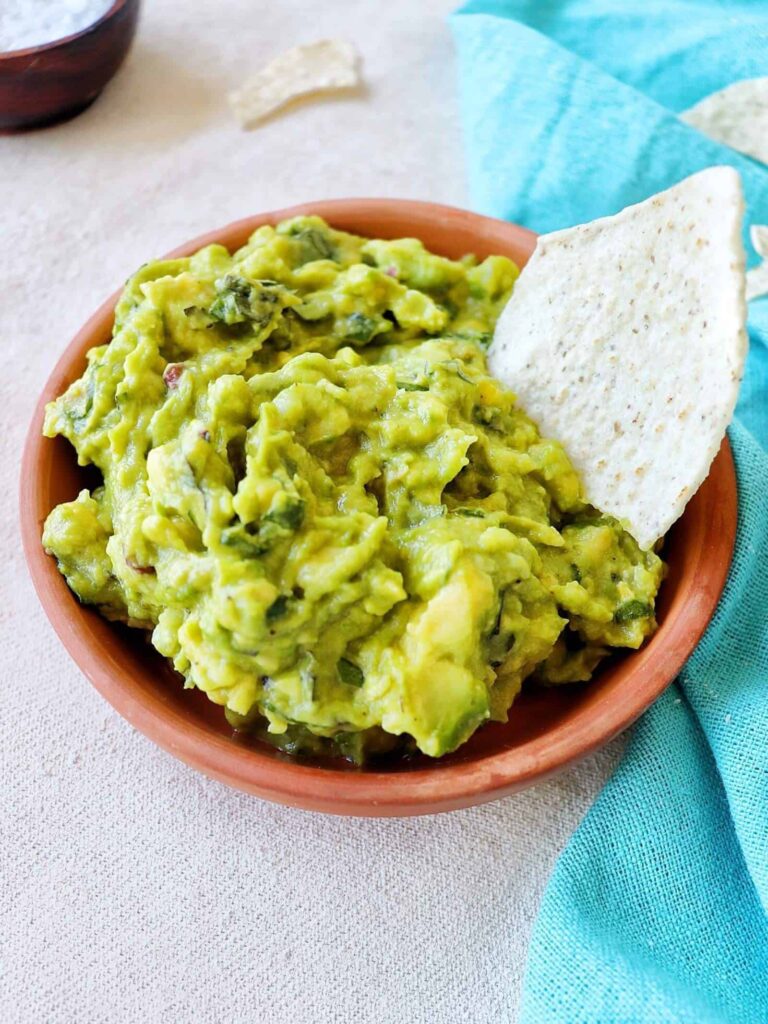
Guacamole with Preserved Lemon

Guacamole with Preserved Lemon

Guacamole with Preserved Lemon


2 avocados

1 preserved lemon, finely chopped

1 T. brine from preserved lemons

1 T. diced onion (if desired)

2 T. chopped fresh cilantro

1 pinch smoked paprika

1 pinch cayenne pepper (if desired)


Blend all ingredients by hand or in a food processor until smooth. Serve with tortilla chips or with toasted pita wedges

Cinnamon Vanilla Sunflower Butter

Cinnamon Vanilla Sunflower Butter

Cinnamon Vanilla Sunflower Butter


2 cups / 225 g raw sunflower seeds
1/4 cup / 60 ml sunflower oil, divided
1/2 tsp. fine grain sea salt, plus more as needed

2 T. vanilla bean paste (or seeds scraped from 2 plump vanilla beans)

3 tsp. ground cinnamon
zest of 1/2 a lemon, or to taste


Toast the sunflower seeds in a 325F / 165C oven, on a rimmed baking sheet, until fragrant and golden. You’ll want to stir them once or twice along the way to ensure even roasting. Let cool for ten minutes. Puree the seeds in a food processor along with 1 T. sunflower oil, and the sea salt (if using). As the motor runs drizzle in another 2 T. of sunflower oil. Scrape down the sides once or twice along the way, you’re aiming for an even, creamy consistency, and it may take some time. Once the mixture starts to look smooth, add the vanilla paste and cinnamon, and pulse to incorporate. At this point, evaluate the consistency, if your sunflower seed butter is on the thick side, drizzle in the remaining T. of oil while the processor is running. Taste, and add more salt if needed (and the lemon zest. if using), as well. Makes about 1 1/2 cup

Grandma’s Long-Cooked Tomato Gravy

Grandma’s Long-Cooked Tomato Gravy

Grandma’s Long-Cooked Tomato Gravy


1/2 cup olive oil

12 cup finely minced garlic

3 pounds onions, peeled and finely minced

3 medium-large carrots, peeled and finely minced

3 large stalks celery, finely minced

5 (28-ounce) cans whole tomatoes

4 (6-ounce) cans tomato paste

1 cup shredded fresh basil leaves, firmly packed

2 T. dried oregano

Sugar

12 cups water

5 pounds beef bones (I like to use some marrow bones)

5 pounds meaty pork bones (I like to use about a pound of pig’s feet as part of the mix)

1/2 pound piece of rind from pecorino Romano cheese


Place the olive oil in a very large stockpot over high heat. Add the garlic and onions and saute, stirring occasionally, for 7 minutes. Add the carrots and celery and saute, stirring occasionally, for another 5 minutes. Pour the tomatoes and their juices into the stockpot. Add the tomato paste, basil, and oregano. Taste for sweetness; if the sauce seems a little tart, adjust with sugar (I usually add about 1 T.). Add water. Bring sauce to a simmer. Add the beef bones, pork bones, and pecorino Romano rind. Stir well. Keep sauce at an active simmer for 3¥2 to 4 hours, stirring occasionally. The sauce is done when it’s medium-thick but runny, and when you like the balance of tomato and meat flavors. If it’s too thin at 4 hours, raise the heat and reduce the sauce a bit. When the sauce is done, let it rest in the pot until it cools off slightly. Then remove most of the dark red oil swimming on top. Discard. Place the sauce in a large roasting pan. You may need several roasting pans, or you may need to do this in a few batches. When the sauce is cool enough, run your hands through the sauce, picking out and discarding any bones that you find. Use the sauce immediately, or freeze for future use.